



You all know Platige image – from their short movies which won many animagos (among other prizes) to their involvement in some of our favourite shows and cinematic masterpieces – from The Witcher to Lars von Triers’ Melancholia. If you want to see their upcoming and current projects, head to platige.com for
showreels and more.
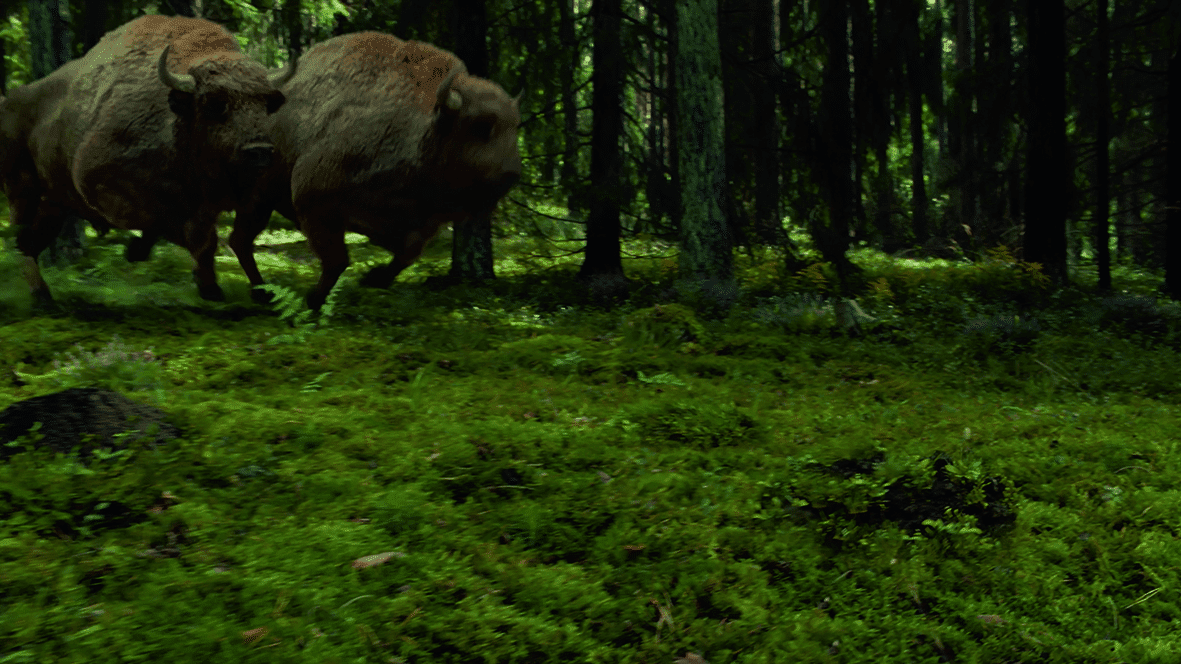

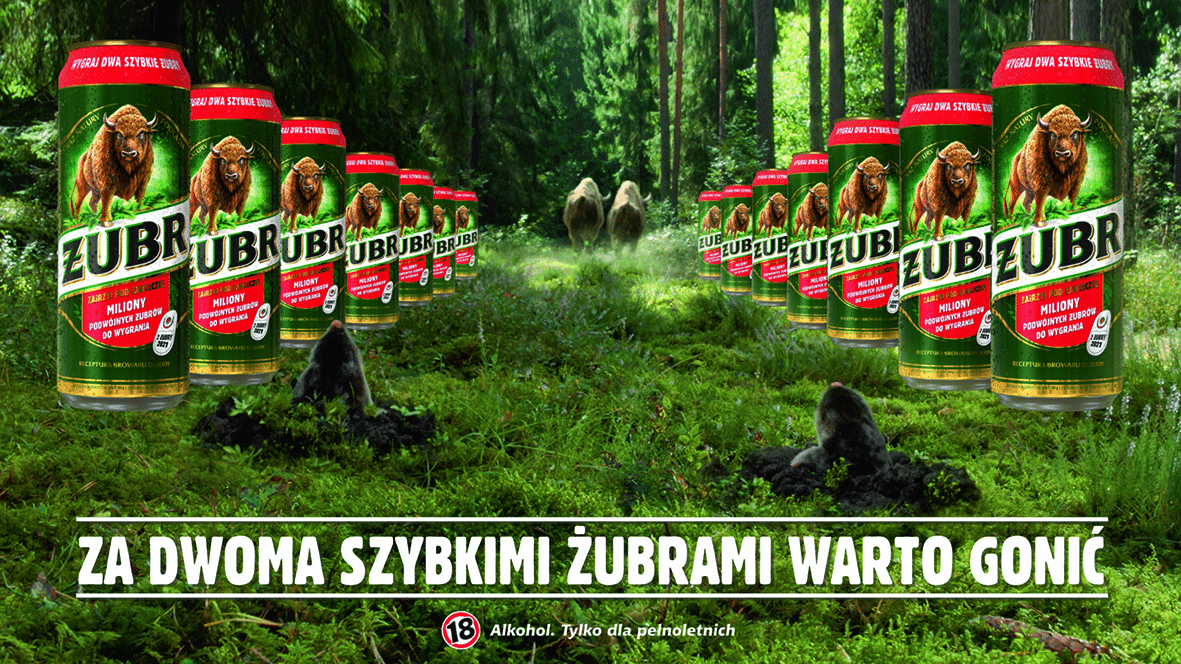
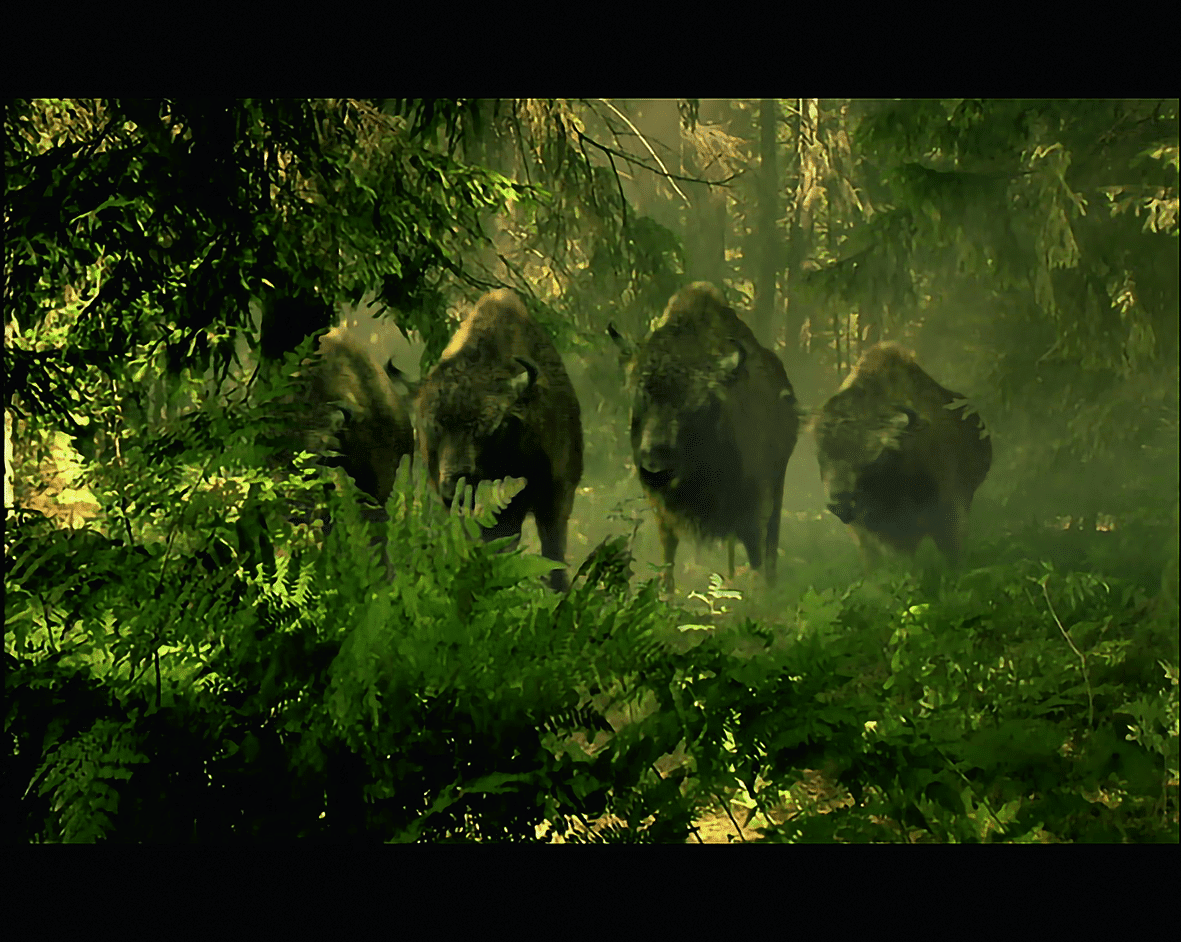
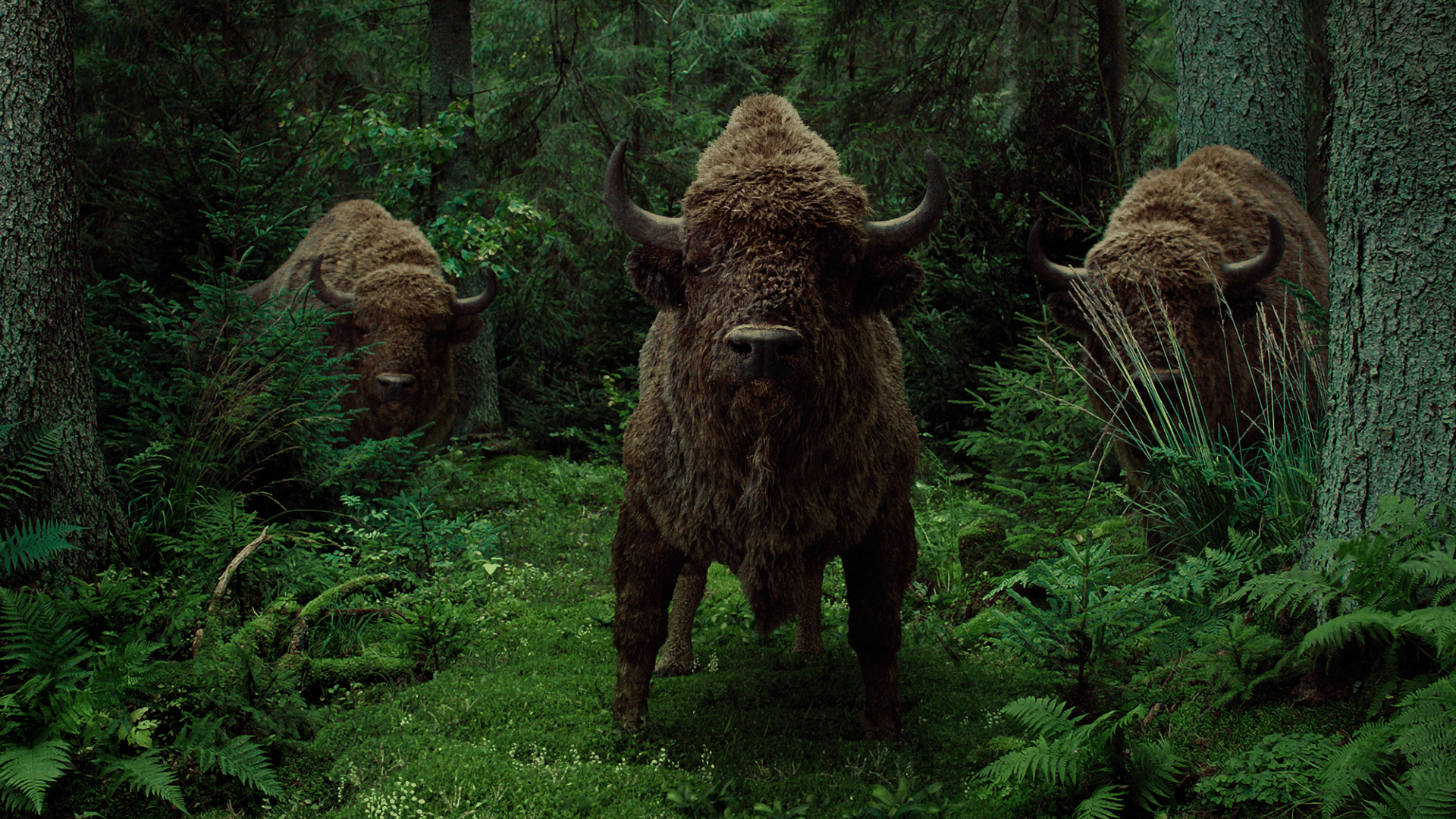
But it is time to talk about Żubr – a Polish brand whose commercials have been made by Platige since 2004. If you want to see the spots, head over to zubr-bier.de/zubr-werbung. And before we start with the interview: The name “Żubr” means Bison, or, in German, “Wisent”. Basically, a VERY large and very fluffy Buffalo (To whom it is related), which has nearly died out in the last century. But currently there is a population of about 200 left in the polish Nature reserve in Białowieża, as well as some other reserves. The beer takes its name from the animal which roamed the steppes of what is now Poland at the time the brewery was founded.



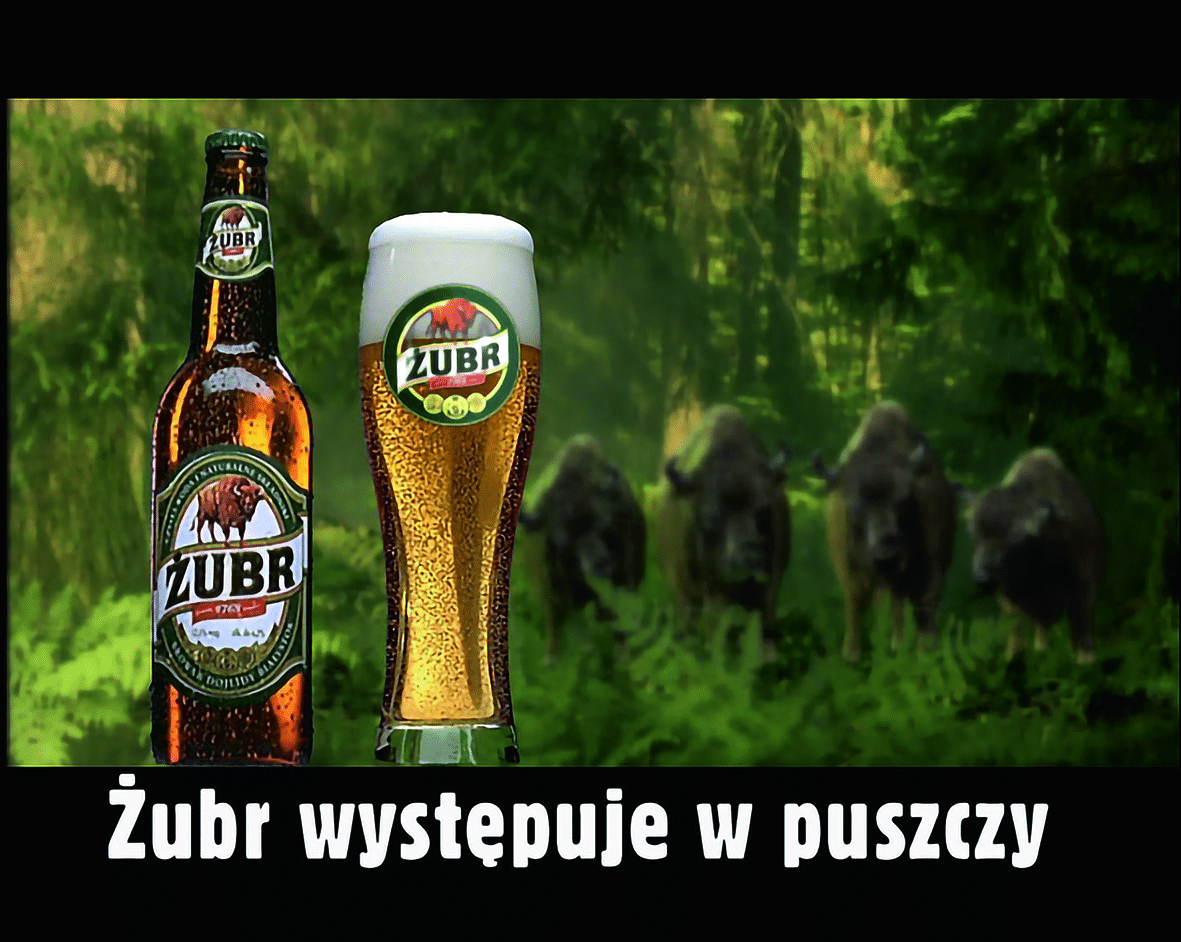
DP: You have been doing the Żubr Commercials for quite some time – when you compare the first one with the current one, is there anything left in the pipeline?
Piotr Ołtarzewski: In our industry, twenty years is like an eternity and it’s impossible for legacy assets to measure up to current requirements and standards. Which is why our pipeline has been constantly evolving over the years. The last time we made major changes was in 2017. Right now we’re in the process of introducing a new pipeline, which obviously Involves a lot of additional actions, because often enough outdated assets don’t work well in new pipelines and have to be either reworked or redone from scratch. But that’s still a necessary effort, because it’s an excellent opportunity to improve our old libraries.
DP: Do you remember how you did the first Żubr Commercial?
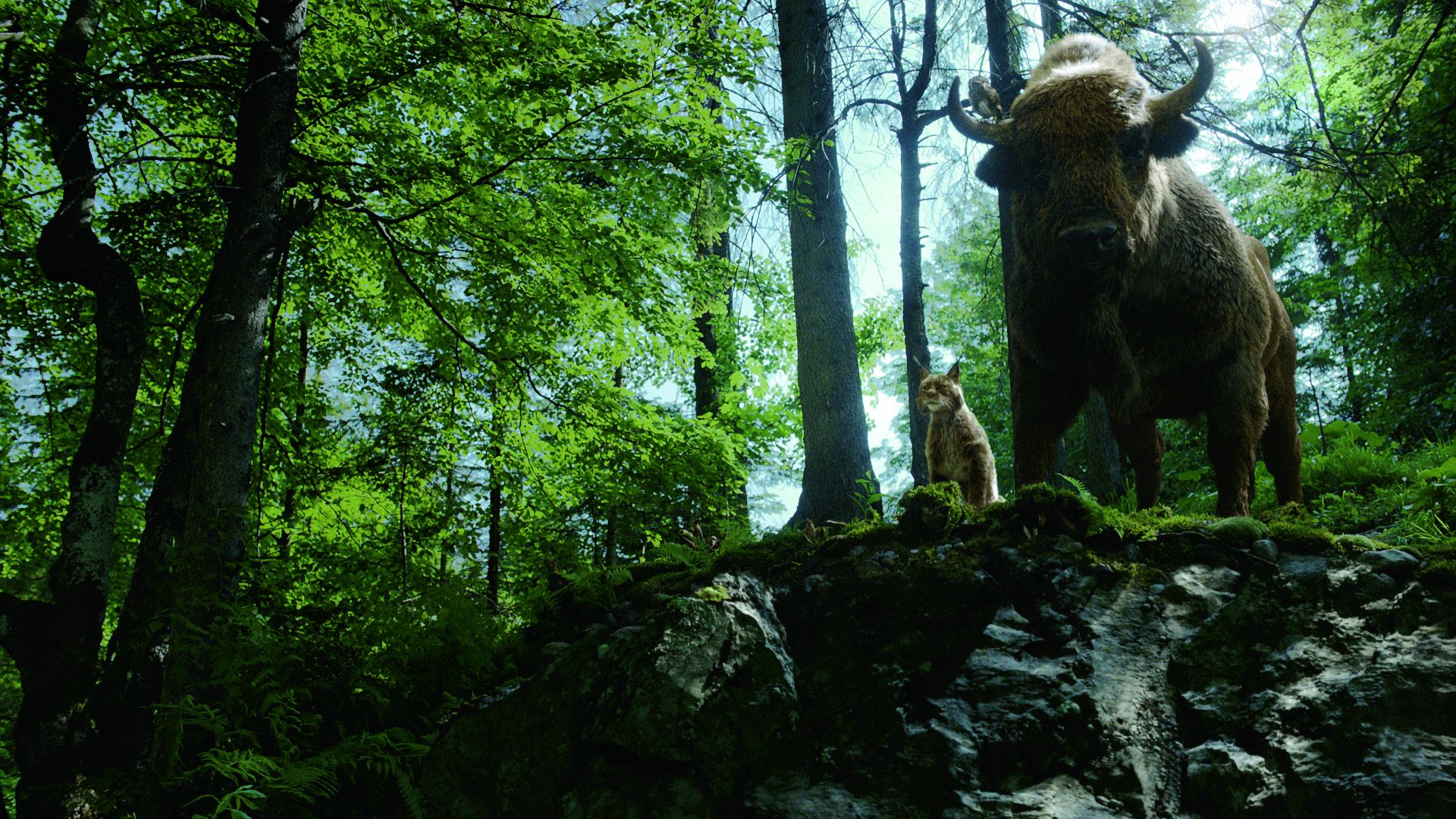
Katarzyna Kopczyn’ska: To date, I have worked on five major projects for the Żubr brand, alongside several smaller efforts based on already existing materials. Presently, we’re working on two project scheduled for a 2024 release. These new commercials, like their predecessors, will naturally be set in the woods. That does not mean, however, that the effort has grown boring or unchallenging. On the contrary, every ad we’ve developed for Żubr has been an incredible adventure and a great opportunity for professional growth.


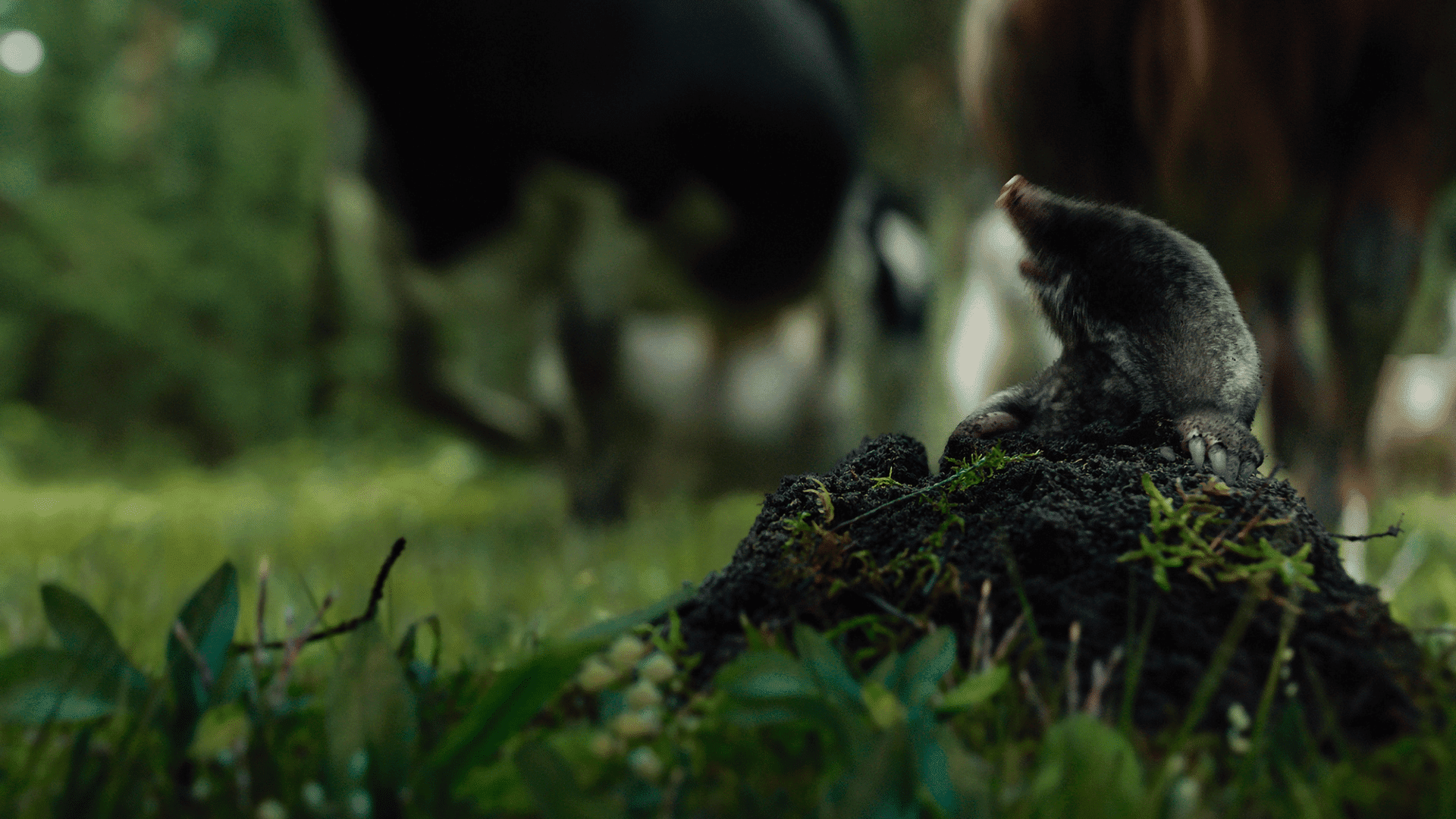
“Moles” was the first ad I worked on, which featured galloping bison being shadowed by two agile moles, following the larger animals at a breakneck pace. The theme for that commercial was “The chase is worth it.”
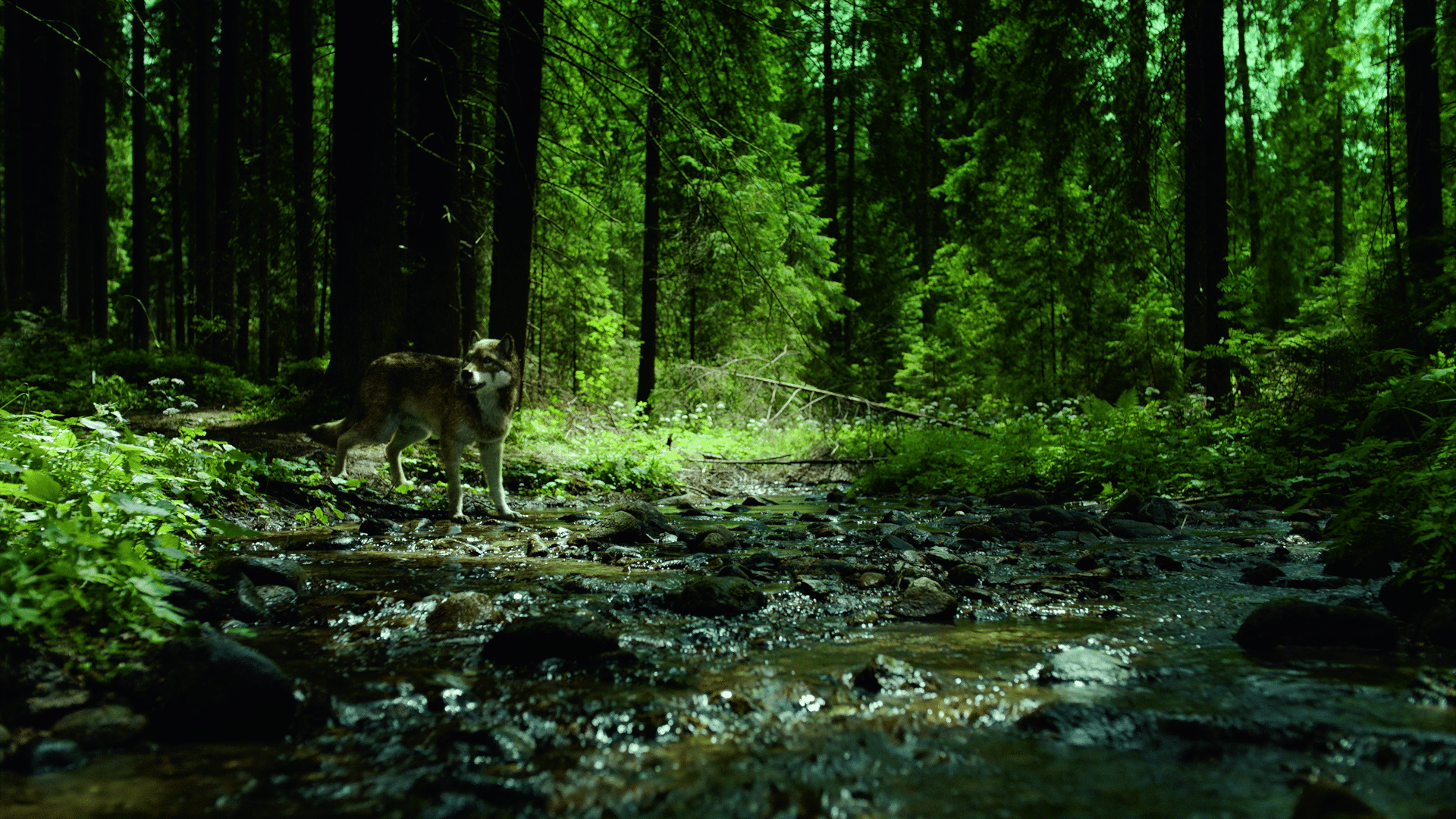
But my favourite campaign of the brand was “Żubr Saves Lives” from 2019, which saw the client join an effort aimed at helping Poland‘s endangered woodland species, such as wolves and bobcats.
Piotr Ołtarzewski: Personally, I came aboard the Żubr account relatively recently, some three and a half years ago. That‘s really not that long, given that Platige Image has been involved with Żubr for nearly twenty years now. The two current projects I‘m working on for Żubr are my sixth and seventh commercial for the brand, if we don‘t count several smaller efforts that based on already existing spots. Each ad brings its own challenges, enabling us to blaze new trails and develop novel solutions for issues related to VFX. Regardless of whether we‘re tackling a forest in the throes of a tornado or a stampede trampling the forest floor, producing these visual is an unforgettable experience, usually involving hours spent on looking for and developing set-ups in Houdini. Each project also throws new problems at us, such as how to integrate computer-generated fauna with relevant flora, or how to best depict weather events. Our efforts to create a believable mole mound and a mole pushing its way out of the ground is one example of the challenges these projects bring.
DP: Were you (Platige in general) involved in all the spots?
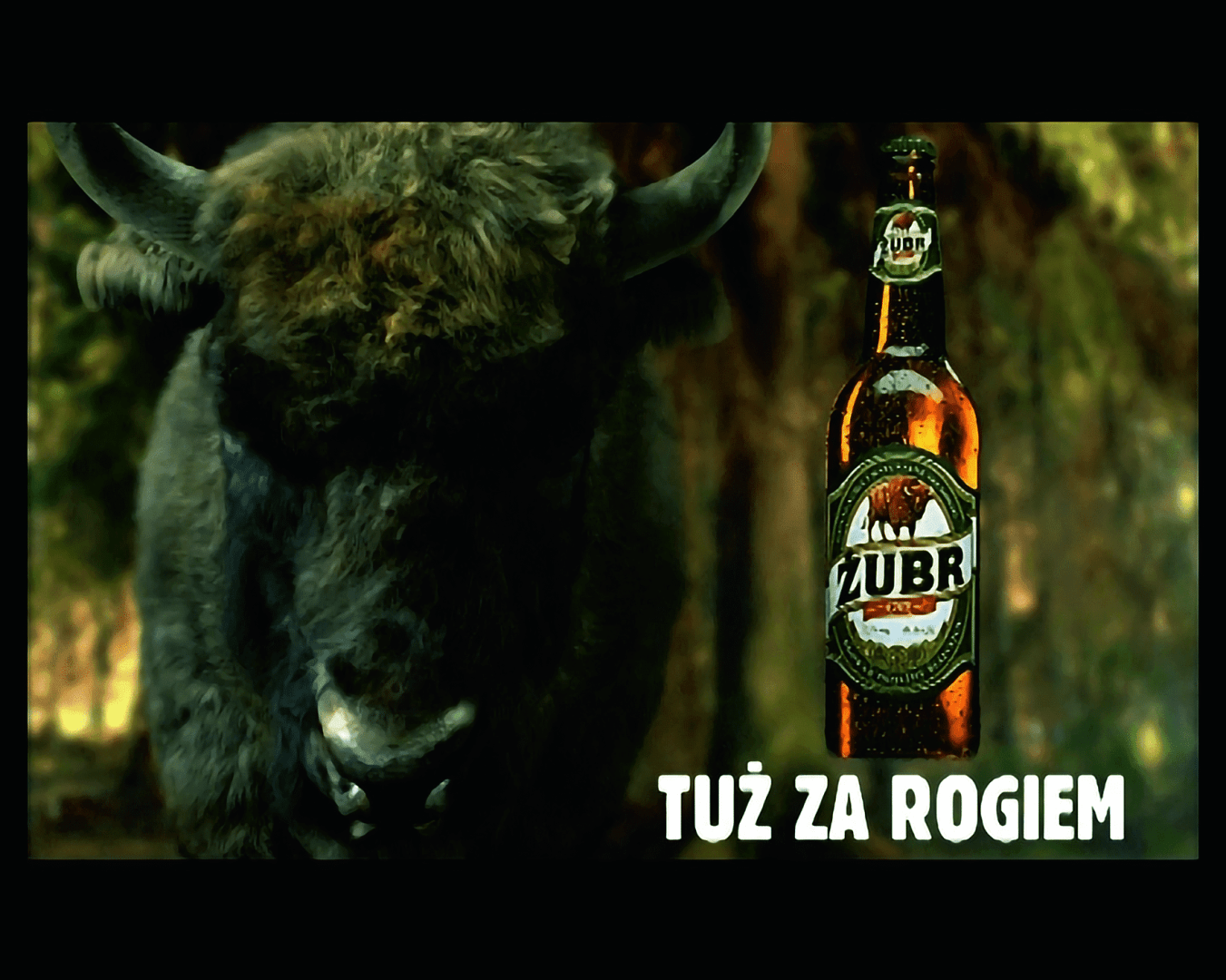
Katarzyna Kopczyn’ska: We need to start by saying that in Poland, basically everyone knows the Żubr ads. It‘s an absolute classic when it comes to advertising campaigns, and new films featuring the eponymous animals have been appearing annually for nearly two decades now. Each commercial stars the Żubr, the European bison – which serves not only as the guardian of order in the primeval forest, but protects the rest of the woodland fauna. The scripts for the ads boast a very specific sense of humour and the slogans are always based on wordplay and double entendres in Polish. It‘s obvious that over the two decades we‘ve been involved with this account, animation technology underwent a staggering evolution. But the capabilities and skills of the artists on our staff are still a key factor. It ought to be noted that the campaign playlist, featuring 37 commercials, does not show the full extent of the effort we‘ve put into the account. Over the years, Platige Image has created nearly a 200 smaller projects alongside the ads, including adaptations, abridgements, and projects for digital spaces and social media, as well as special events and renders for prints.
DP: When we look at the current spot: Could you walk us through its creation and team?
Piotr Ołtarzewski: One of our latest efforts for Żubr was produced with what now seem to be ancient tools: Maya 2017, Yeti 2, Arnold 4, and Nuke 10.5. That software is nearly seven years old and a lot has changed in the industry since. More modern tooling would surely make parts of the project easier, expedited some processes, or even punch up the quality of the resulting visuals. But we need to remember that behind every tool is a qualified specialist and that it‘s the specialist, not the tool, that delivers the finished product. And that‘s where our strength lies. Platige Image currently has over 350 employees working on projects for companies such as Netflix, Lamborghini, and AXE.
But circling back to our work on the Żubr account, one thing we have to say is that it uses a very peculiar – at least for advertising – form of project planning. What sets it apart is that it offers everyone involved considerable amounts of time for their respective tasks. The project begins early and we always start with developing a previz, which allows our film crews heading to the woods to save time on coming up with specific shots. We also try to draft specific production assumptions for every shot ahead of time, to allow the crews on set to focus on key elements guaranteeing success in post-production downstream. Naturally, despite all of these efforts, some unforeseen difficulties still come into play, including poor weather, location conditions, or other random factors that leave us with more post-production work than we initially envisioned. However, fortune sometimes plays out in our favour, too, for example when we film a difficult sequence, or do something that seems impossible from a production standpoint, that eventually turns out good enough that it‘s feasible for use in the final product. Here at Platige, we call it “post/production balance”.

Katarzyna Kopczyn’ska: I‘d just like to add that the commercial that Piotr mentioned was the most challenging task we‘ve ever faced in the course of the Platige Image–Żubr collaboration. The starting point for the Żubr films usually involves a script and a brief, provided by the creative agency PZL which also has been working with Żubr since the brand‘s earliest days. Often enough – and it was the case there – the script stage brings about extensive consultations between the client, the agency, and Platige. We talk possibilities and ideas, discuss the animals supposed to appear in the ad, communicate any technical requirements we had identified, and go through references for unusual behaviours and movements of the animals.
This time around, however, when we received the script, we realized that aside from dynamic animation sequences, we would also have to tackle creating models for animals that have never before appeared in the Żubr world. Not only that, the critters were supposed to interact on a scale we‘ve never dealt with before.


DP: Considering the protagonists: How is the bison built?
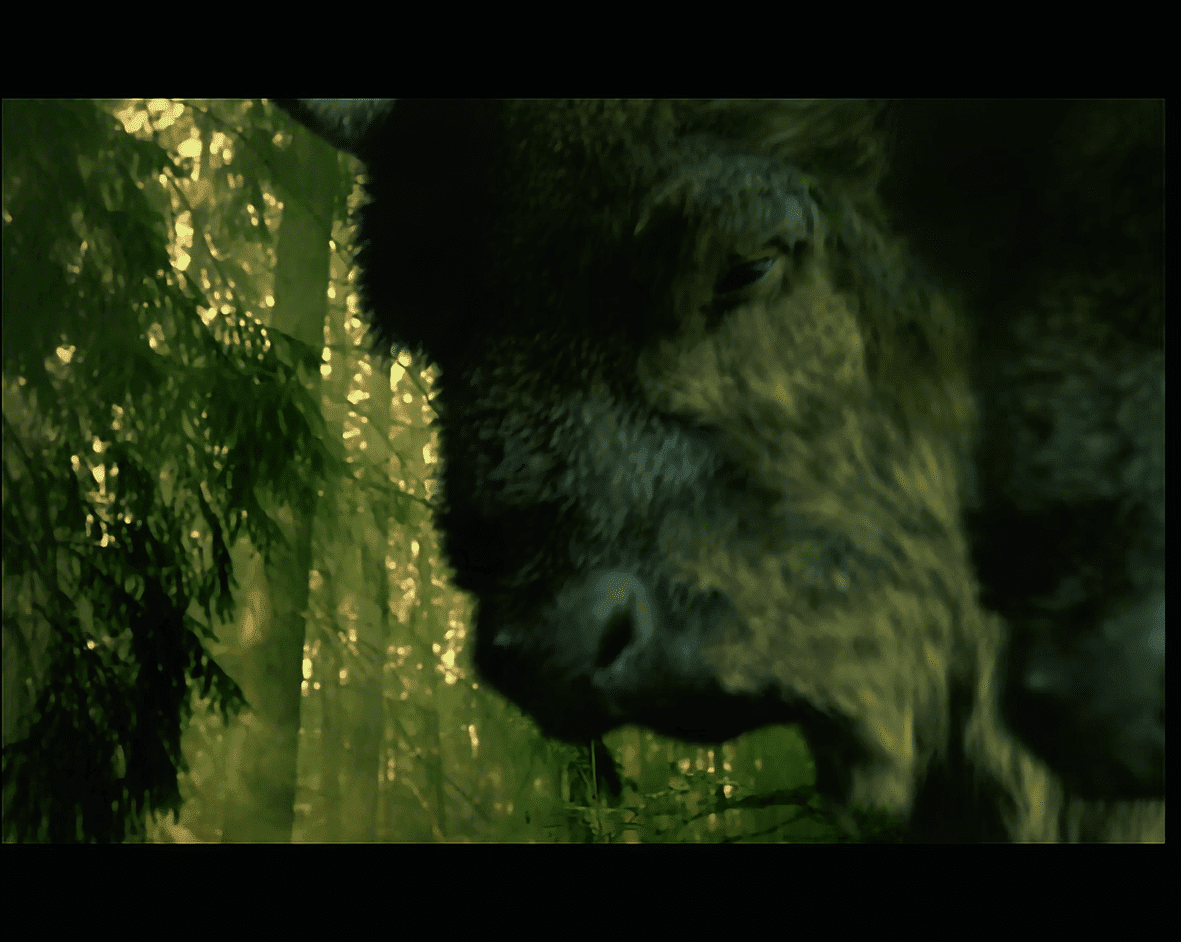
Piotr Ołtarzewski: Whenever someone from outside the industry asks me about working on something like the bison, I often compare our work to that of a sculpture. With the character, or more precisely, a character model ready with the right shape, proportions, and colour, we pick up a chisel and get to sculpting. One strike of the chisel (in this case hundreds of mouse gestures) and we have muscles. Another strike generates skin wrinkles. The strikes continue and the animal‘s snout takes final shape. This effort takes a range of specialists, involved at every stage of an asset‘s development.
As an aside, I‘d like to say that we use Yeti to handle the fur coat, define its length, thickness, and even the direction it grows in. And only after it‘s fully developed like that is that asset set in motion.

DP: With Platige’s width of projects, running from cinema- VFX to classic animation through all different genres from “invisible Plate clean-up” to full CGI movies: How much do you transfer between the projects and pipelines? And, as a team leader, what are your thoughts on keeping artists happy with different kinds of jobs?
Piotr Ołtarzewski: It would be cliché to say that every project teaches you something. In general, Żubr taught us to animate the behaviour of animals in their natural environment. Everyone working on the Żubr commercials is really developing their skills in the field of reconstructing actual animal behaviour using computer animation. We have a team of highly qualified specialists, who not only have excellent insight into animal nature, but also command sweeping knowledge of animation. That’s the key element in our professional approach to work. Embedding animation in the real world produces truly unique results – just think back to The Jungle Book or The Lion King. Who knows, maybe one day Platige will be producing similar feature films.
DP: There is a zoo’s worth of animals in the various spots – how big is your asset library, and have you continuously updated them or are they “one spot creations”?
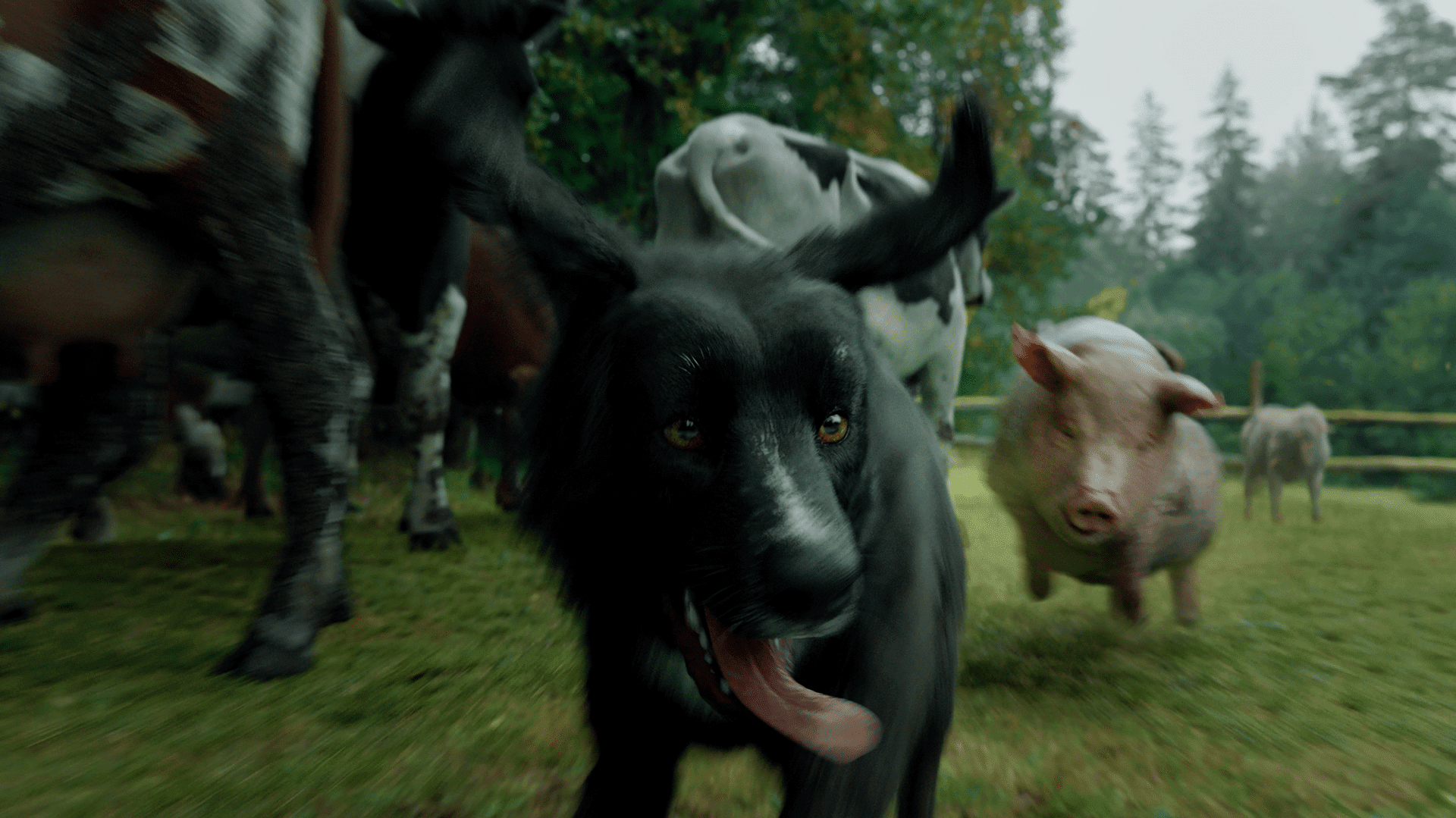
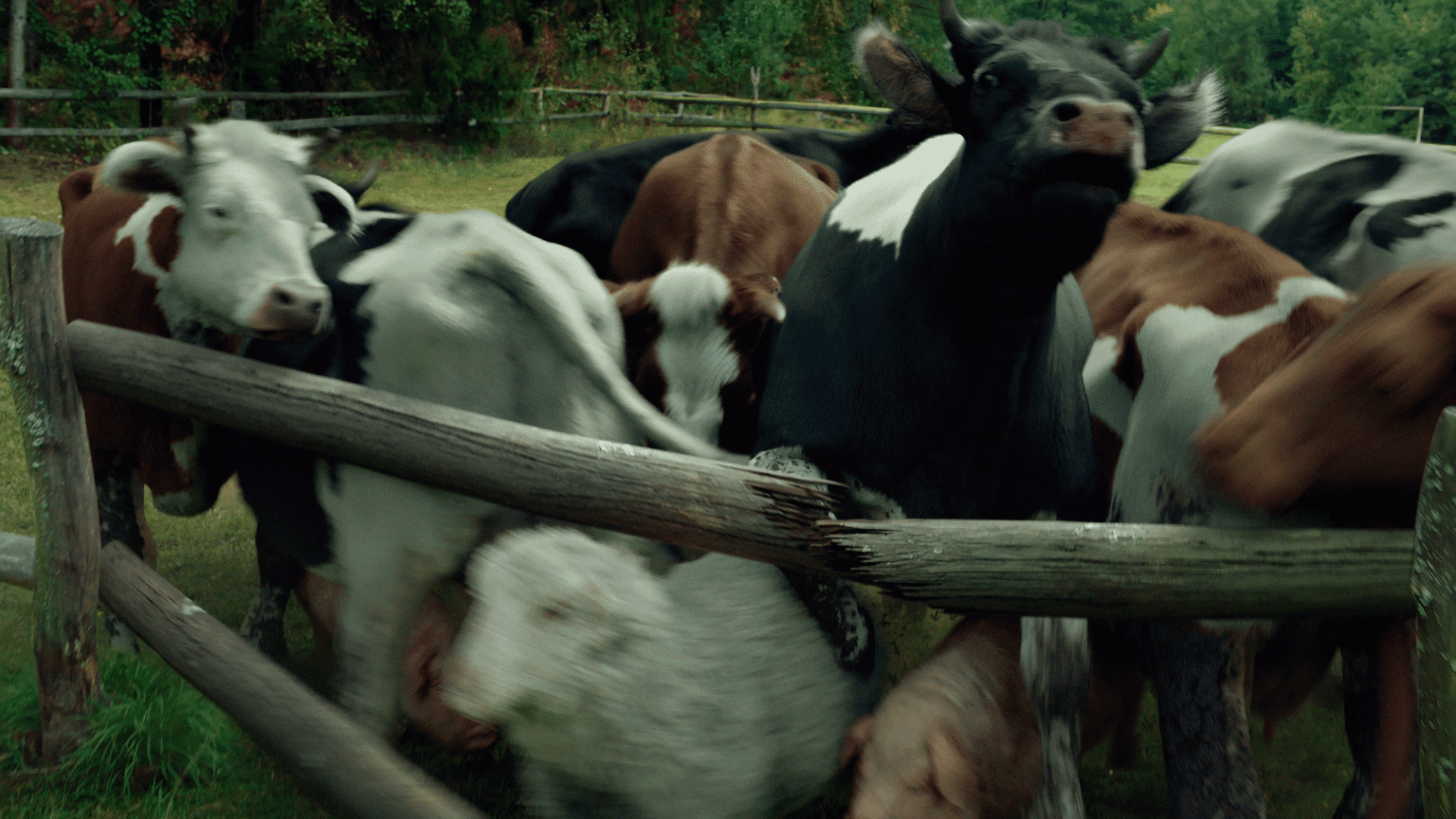
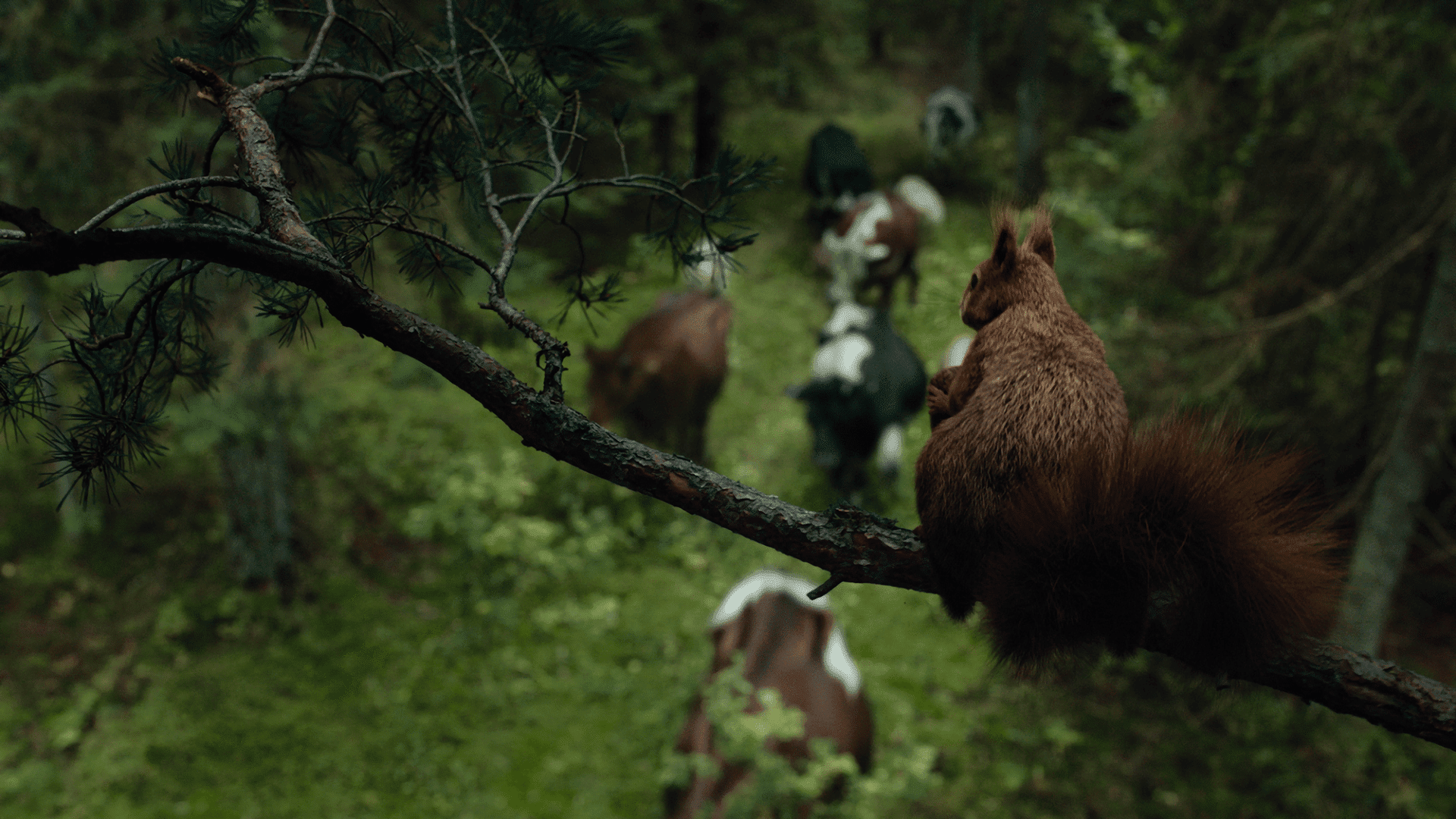
Katarzyna Kopczyn’ska: Over the course of the two decades working with the Żubr brand, the basic premise behind the films has not changed much. The majestic bison remains the central figure, the king of the primeval forest, accompanied by a range of secondary characters. The base of animal assets we’ve amassed over the years is huge, and now includes over thirty species – from the smallest insects, including ants, flies, through a variety of birds, such as owls, hoopoes, and eagles, up to a list of primeval forest dwellers, like wolves, bobcats, and bears. Several of the ads also feature livestock: pigs, sheep, and cows. Some have appeared in only one commercials, but others have proven repeat performers.
But the asset base is more than just fauna; it’s also plant life: trees, brushes, branches, leaves, and tufts, as well as inanimate objects like rocks and auxiliary models that enable us to make the forest landscape that much richer.
DP: And in general: how do you manage your assets?
Piotr Ołtarzewski: The pipeline at Platige is integrated with ShotGrid, which allows progress in projects to be tracked and asset libraries to be established. It more or less looks like following someone on Facebook: that person publishes a picture of themselves and you tell them to, for example, strike a different pose or improve their appearance. They do so and follow up with another picture that you can comment on again. The process continues until you get the result you wanted 🙂 That helps track the evolution of the asset or a shot over time, including all the changes, amendments, and notes made.


DP: And, since you have been doing the commercials for many years: Do you get beer from that brewery delivered to the studio?
Katarzyna Kopczyn’ska: It happened that we had been gifted Żubr beer on different occasions, typically toward the end of the year. But I remember that all of the gifts were very special, because the packaging was stylish and covered in company branding, along with the name of our studio and a thank-you note attached. The gifts felt personal and targeted, and were a very satisfying recap of a whole another year of collaboration.
