



QuadSpinner has released Gaea 2.2, a major update packed with features designed for professional terrain artists who are more interested in results than marketing fluff. The update is available now via the official release notes and changelog.
Ice Age in the Node Graph
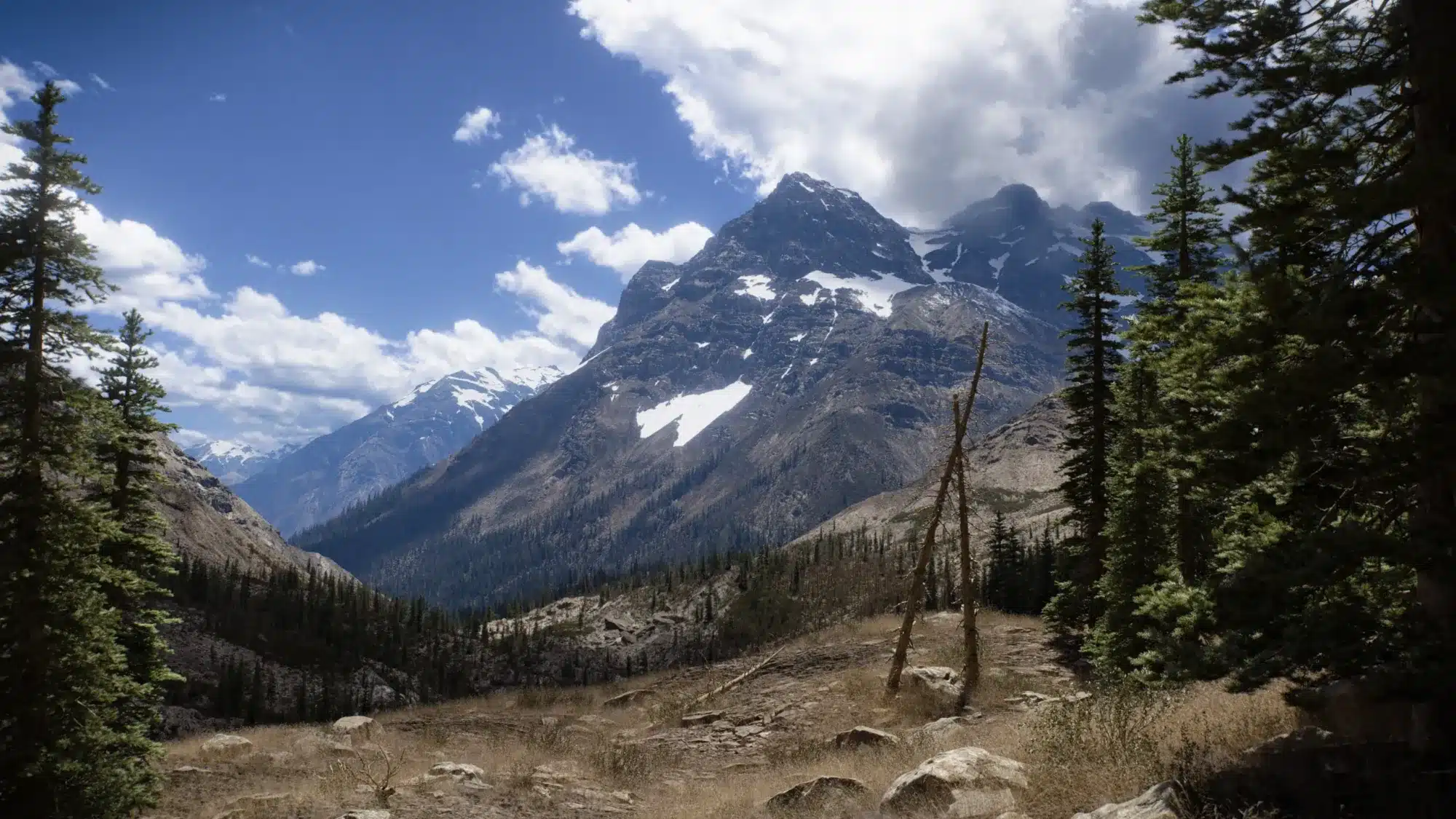
Headlining Gaea 2.2 are three new nodes dedicated to icy and snowy landscapes: Glacier, Snowfield, and IceFloe. Glacier turns snow or any heightfield into detailed, fluvially grooved ice sheets. Snowfield creates natural-looking snowfall in large environments, simulating new and old snow layers. IceFloe scatters frozen ice chunks along lakes and shores, ideal for arctic coastlines. These features are all built natively and support Gaea’s usual node-based workflow.

Erosion_2: Mask-Driven, Orographic, Selective
The Erosion_2 node, which runs entirely on the GPU, now offers selective precipitation and orographic (rain shadow) controls. Users can limit rainfall by mask, slope, or altitude, enabling accurate simulation of microclimates and controlled erosion patterns. For those tired of hacky workarounds, Gaea now lets you decide exactly where and how the landscape gets drenched.
Ten New Nodes and Old Favorites Revived
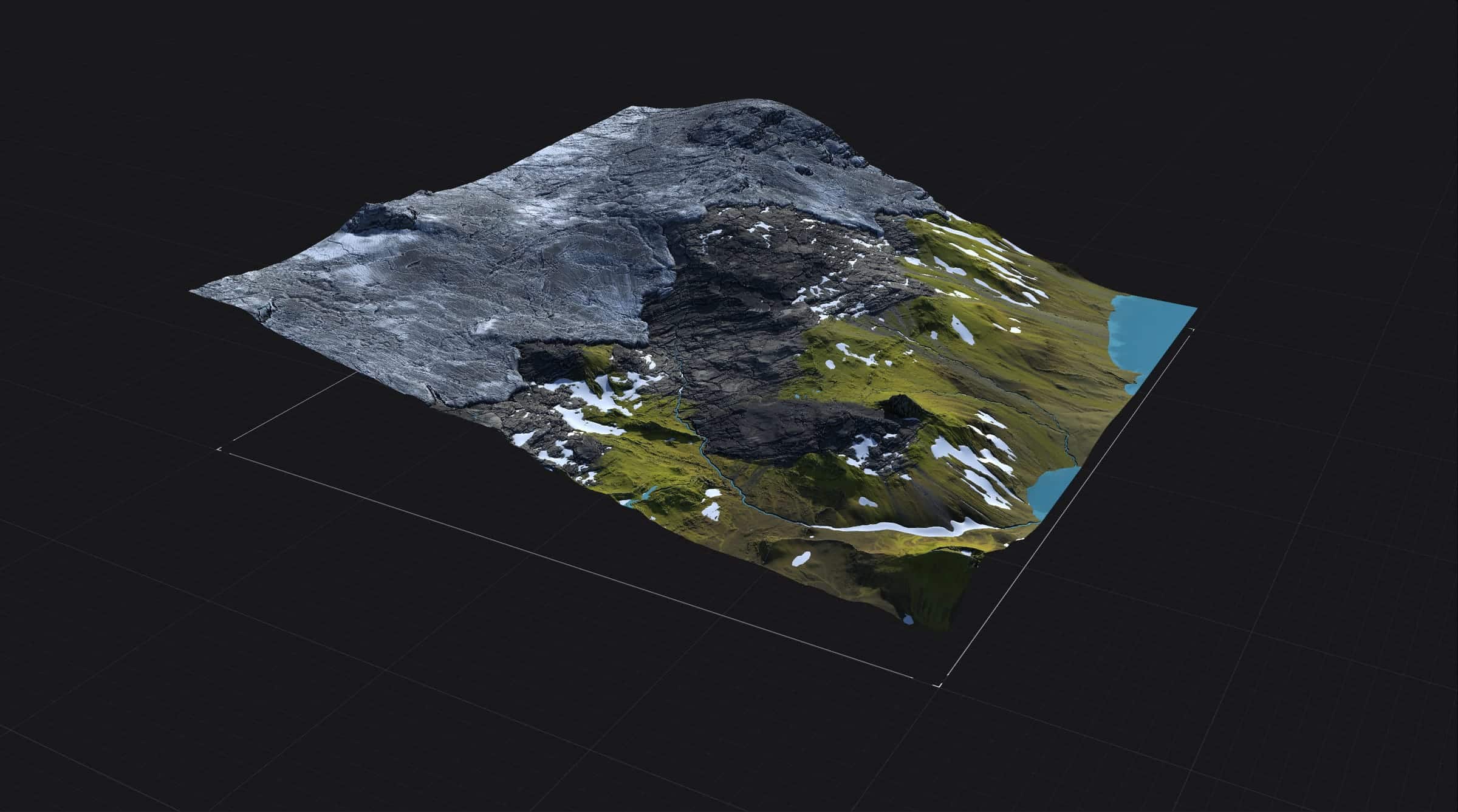
Gaea 2.2 delivers a toolkit boost with ten new nodes: BlobRemover (for cleaning up artifacts), Distress, Shape (primitive generator), Dusting, Scree (rock debris), Var, Shrubs, Heal (ported from Gaea 1), along with the aforementioned ice and snow tools. Crater, Debris, and other longstanding nodes receive serious attention, with better gizmo controls, improved performance, and new creative options. ThermalShaper has been completely GPU-rewritten for more efficient rock weathering, and Erosion_2 is now deterministic.
Workflow and UI: Less Guesswork, More Preview
Mask previews now display in vivid colours both in the viewport and sky panels, making complex masking operations easier to debug and adjust. The new Examples Browser, accessible at startup or from the File menu, serves up 60 sample graphs, demonstrating everything from glacier landscapes to procedural dusting setups.
Bridges: Gaea2Unreal Goes Open Source
Gaea2Unreal—the official Unreal Engine bridge—now supports Unreal 5.6 and is open source, enabling studio customization and review. For Houdini users, Gaea2Houdini is undergoing a complete rewrite to bring back graph execution and the TOR Processor SOP for deeper procedural integration.
150+ Fixes and Real Stability
According to QuadSpinner, Gaea 2.2 fixes over 150 bugs and includes more than 20 enhancements to existing nodes. The engine is more stable than ever, but users are warned that older scenes using Trees or ThermalShaper nodes might produce different results and should be migrated carefully. The team specifically notes that project backup is mandatory before updating.
Availability and Editions
Gaea 2.2.0.0 was released July 13, 2025. Installers are offered via web, portable, and offline options, plus the Windows winget package manager (and I only recently got into win get, and damn, that is such a great package manager!!!! Wenn did you do “winget upgate –all –force” the last time? But back to Gaea) . The Community Edition remains free but restricts terrain export sizes; paid licenses unlock full high-res output.
Professionals are strongly advised to validate new features in a controlled environment before deploying in active productions.
