



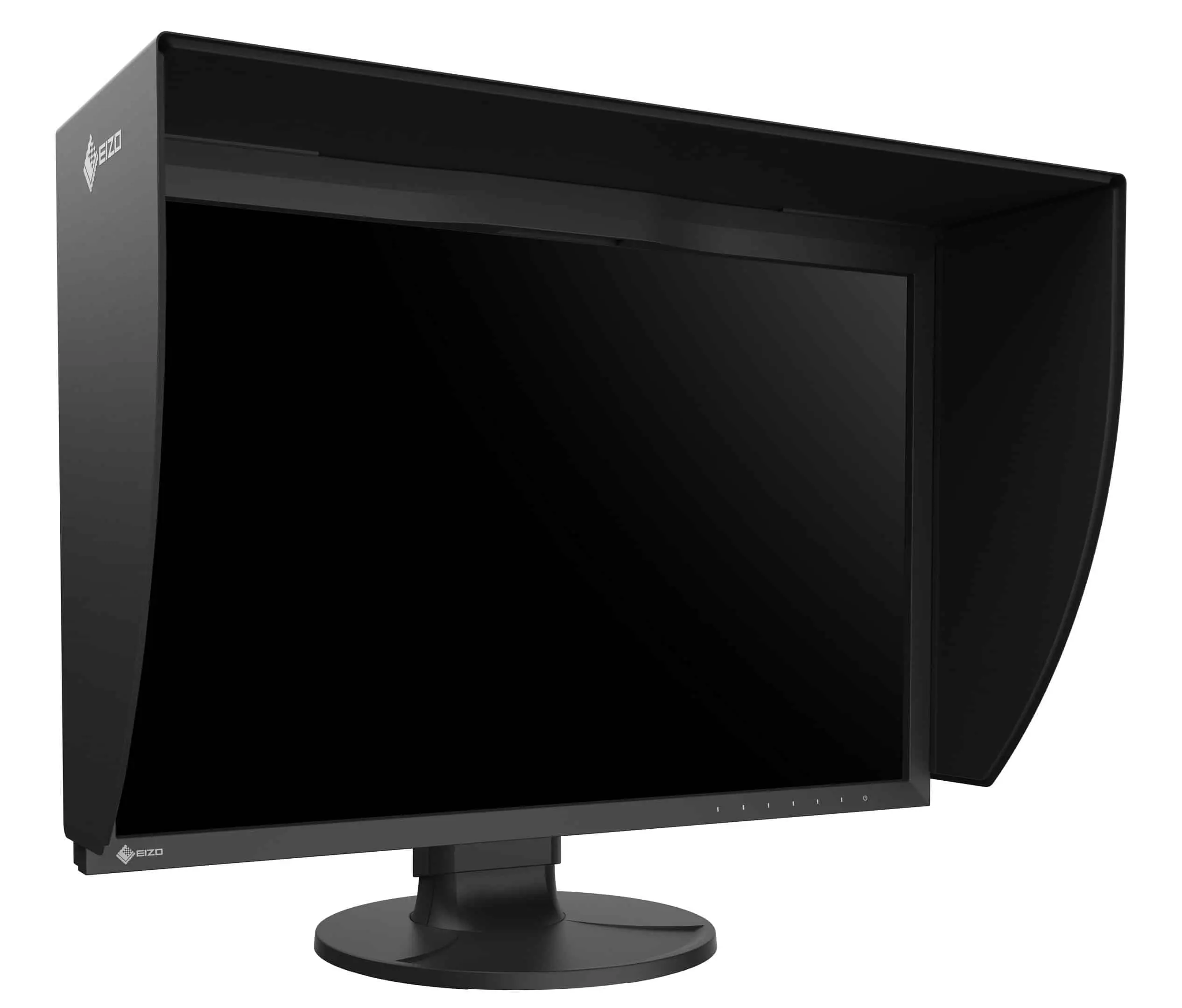
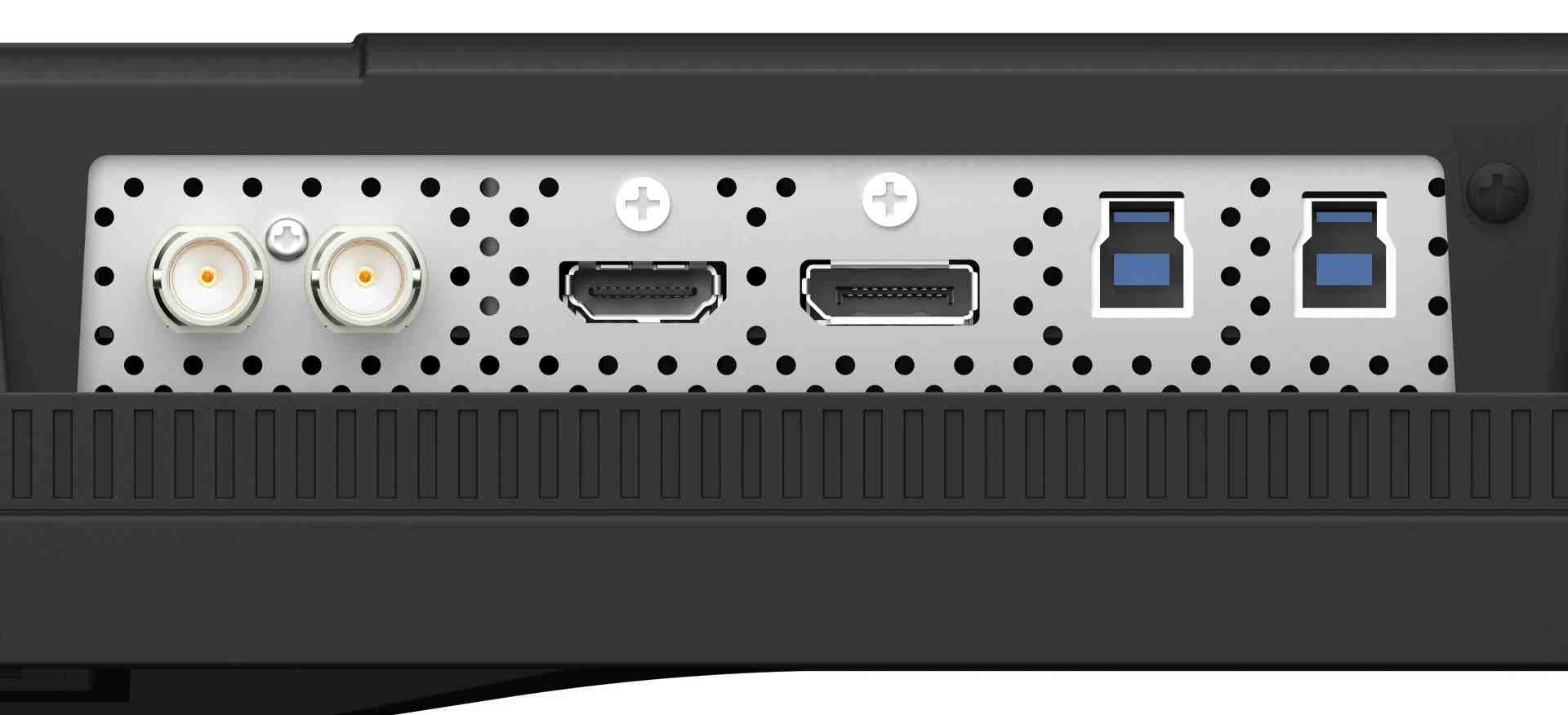
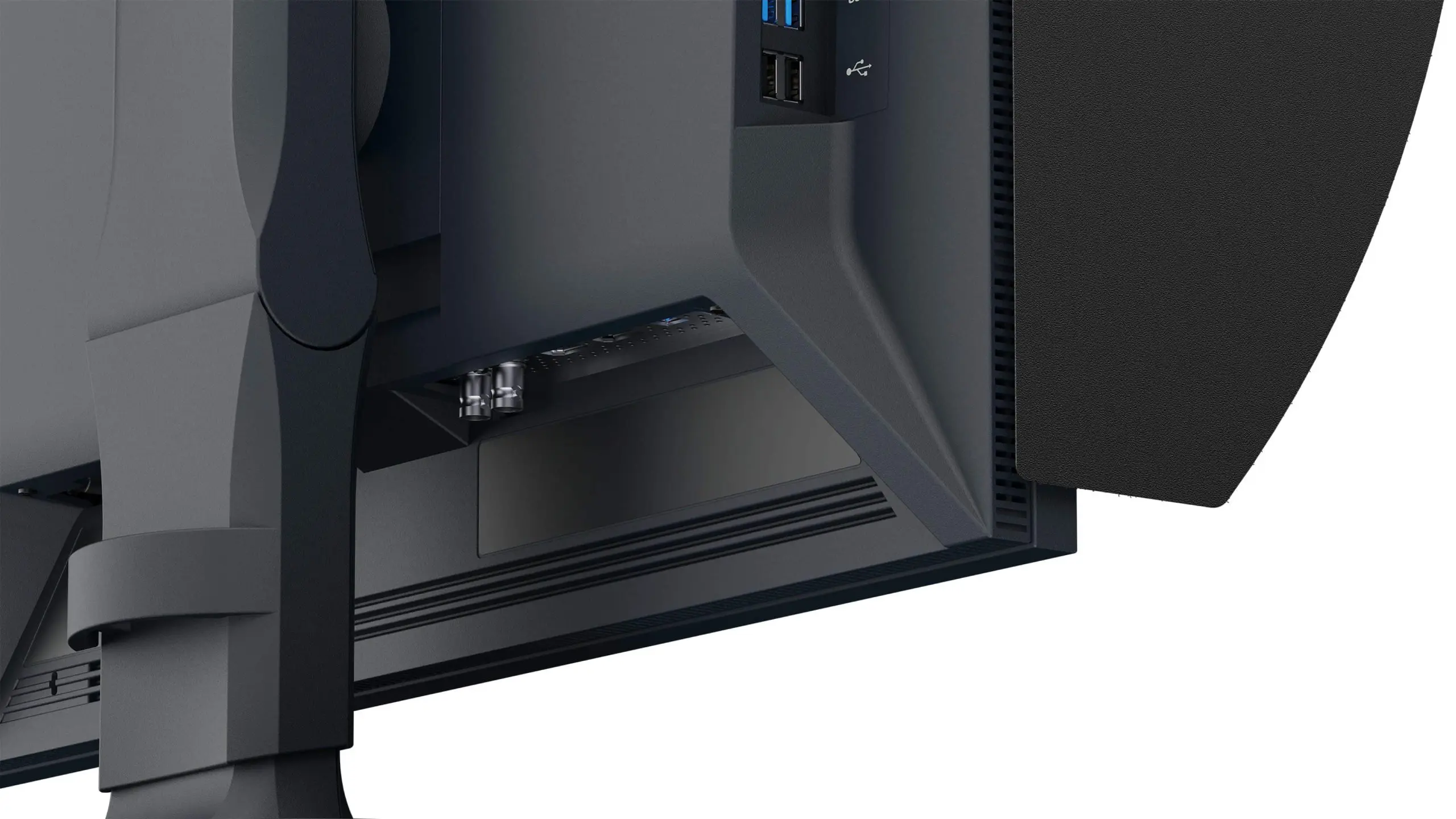
EIZO has introduced the ColorEdge CG2400SV, a 24.1-inch monitor designed specifically for postproduction, broadcast, and on-set workflows. It is the second EIZO monitor to feature SDI input and output, following the larger CG3146. The CG2400SV supports 3G-SDI Level A and HD-SDI, providing uncompressed video transfer for use with camera systems and live feeds. HDMI and DisplayPort are also included.


Designed for HDR and colour-critical work
The CG2400SV targets HDR video applications with a peak brightness of 400 cd/m² and a contrast ratio of 1800:1. It supports both HLG and PQ gamma curves, meeting DCI specification requirements. EIZO states that the monitor covers 98 percent of the DCI-P3 colour space and supports the BT.2020 standard. It features 10-bit colour rendering and a 16-bit 3D LUT for accurate colour reproduction and smooth gradients. EIZO specifies that the monitor is suited for colour-critical applications such as editing, grading, and live broadcast monitoring.
Calibration: built-in, automatic, and networked
Like other models in the ColorEdge line, the CG2400SV includes a built-in sensor for automated self-calibration using EIZO’s ColorNavigator software. The monitor can be managed via EIZO’s ColorNavigator Network for remote quality control across facilities.
An API allows third-party applications to access monitor management and calibration functions without needing to launch EIZO’s own software. EIZO highlights a “Pixel Inspection” tool for checking signal processing accuracy within the pipeline. This feature is intended to assist in quality control workflows.

Physical features for mobile workflows
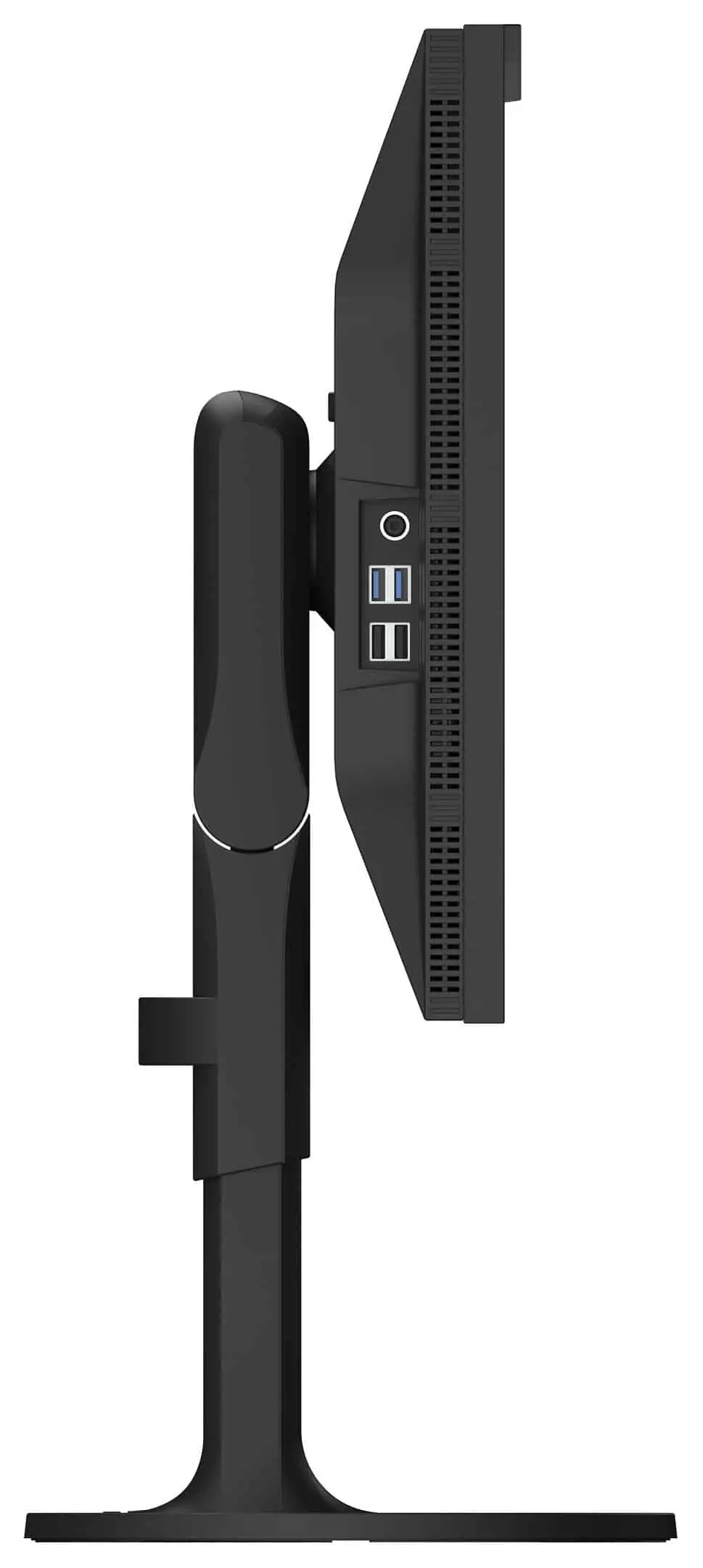
The monitor’s 1920×1200 resolution panel uses IPS wide-gamut LCD technology. The aspect ratio is 16:10. A carry handle is built into the chassis for transport, aimed at mobile setups and tight spaces such as control rooms.
The enclosure is manufactured from more than 85 percent recycled plastic, and the packaging is made from moulded pulp derived from recycled cardboard and newspaper.
Included accessories are a shading hood and a headphone output. The display also features a digital uniformity equaliser to maintain consistent brightness and chromaticity across the panel.
Specifications at a glance
| Feature | Specification |
|---|---|
| Display Type | IPS LCD, wide gamut |
| Screen Size | 24.1″ |
| Resolution | 1920 × 1200 (16:10 aspect ratio) |
| Colour Depth | 10-bit display |
| LUT | 16-bit 3D LUT |
| Brightness | 400 cd/m² |
| Contrast Ratio | 1800:1 |
| Colour Space Coverage | 98 % DCI-P3, supports BT.2020 |
| HDR Support | HLG and PQ curves |
| Inputs | 3G-SDI Level A, HD-SDI, DisplayPort, HDMI |
| Outputs | SDI |
| Calibration | Built-in sensor with ColorNavigator software |
| Remote Management | ColorNavigator Network |
| API Access | Yes, for third-party integration |
| Quality Control Tool | Pixel Inspection |
| Uniformity Technology | Digital Uniformity Equalizer |
| Headphone Output | Yes |
| Portability | Integrated carry handle |
| Environmental Design | >85 % recycled plastic, moulded pulp packaging |
| Accessories | Light-shielding hood included |
| Warranty | 5 years, with on-site exchange |
| Availability | Expected December 2025 |
| Price | €1,899 (MSRP) |
Availability and pricing
EIZO plans to ship the CG2400SV from December 2025. The manufacturer’s suggested retail price is €1,899. The monitor will be on display at IBC 2025 in Amsterdam (Hall 7, Stand D33).
As always, innovations and specifications should be tested in your actual production environment before deployment.
