



Table of Contents Show
Founded in 2019 by Matchmove Supervisor Walid Ben Henda, Vision Age VFX is a Tunisia-based studio specialised in matchmove and rotoanim. Unlike many VFX vendors who treat tracking as a minor step, Vision Age has built its entire business around it. The company delivers high-end camera tracking and motion reconstruction for international clients in Europe, North America, and the MENA region.
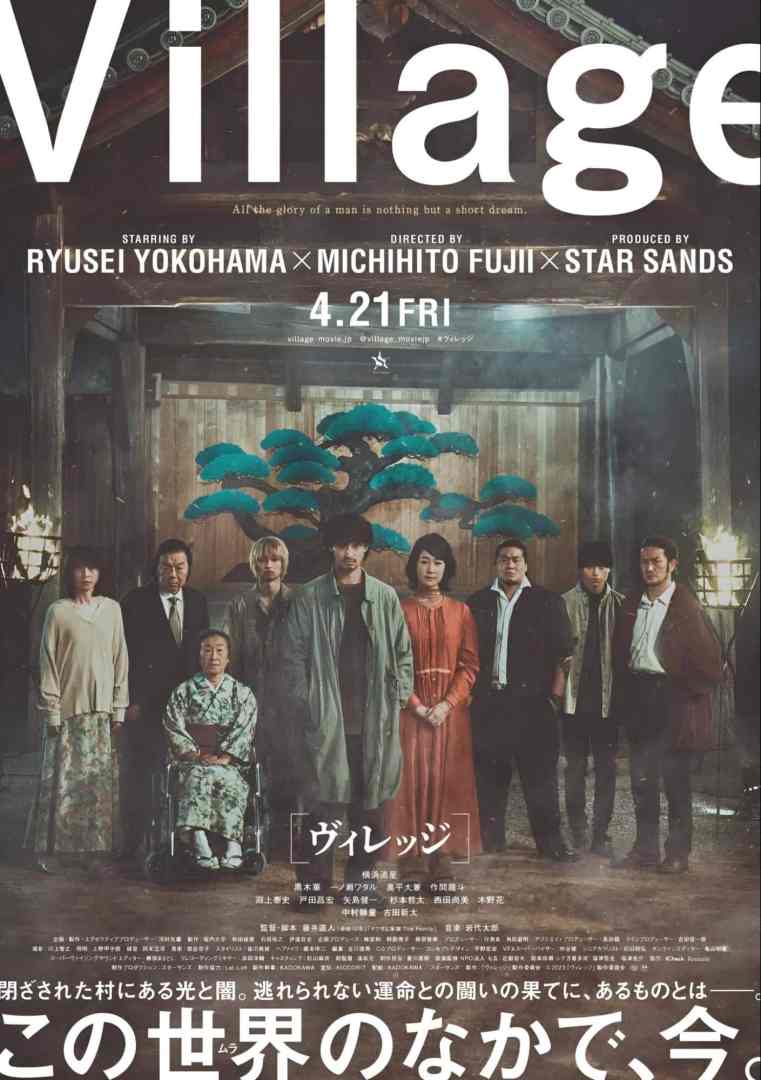
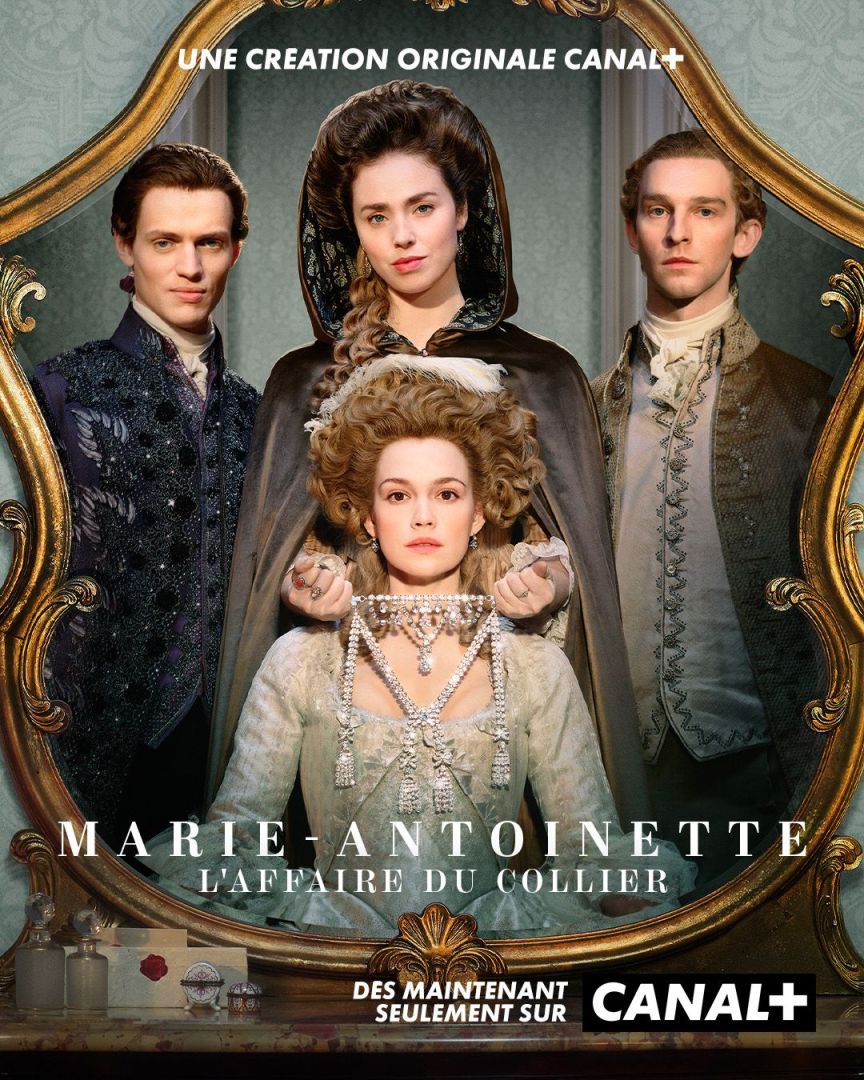
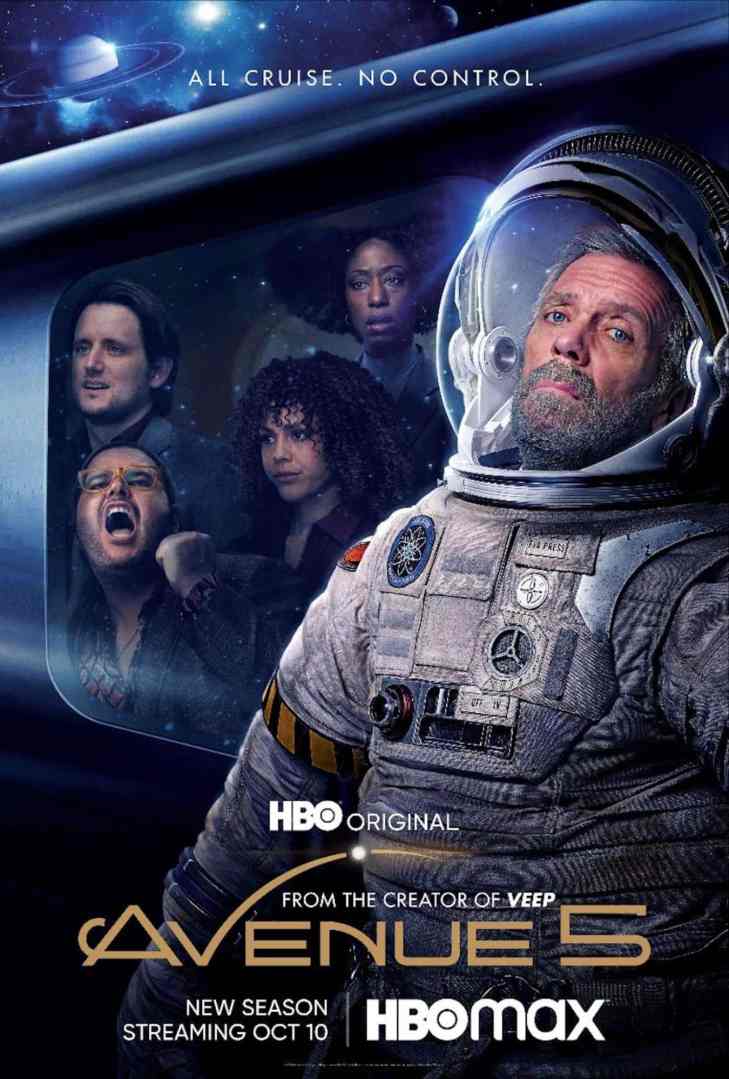
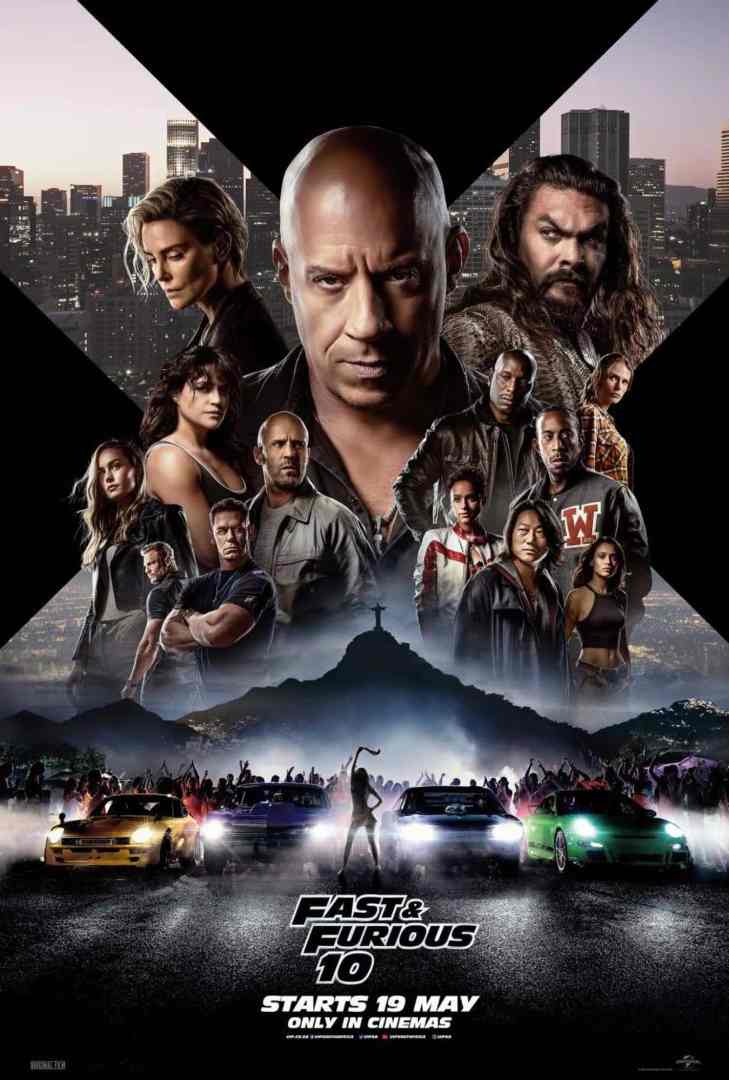
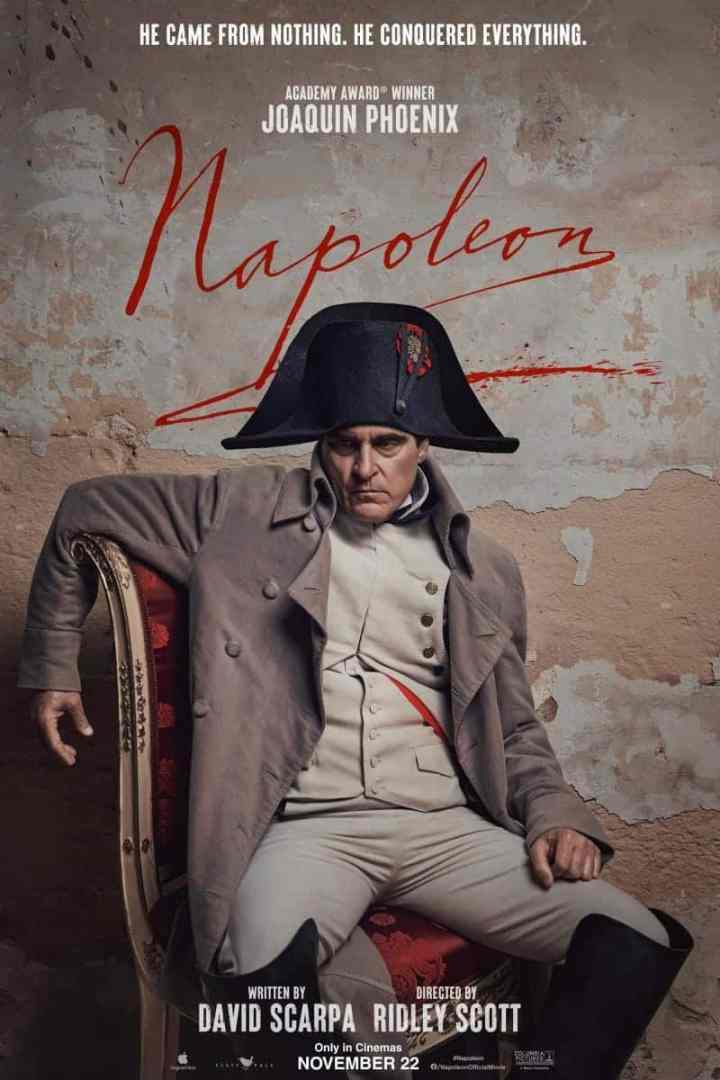
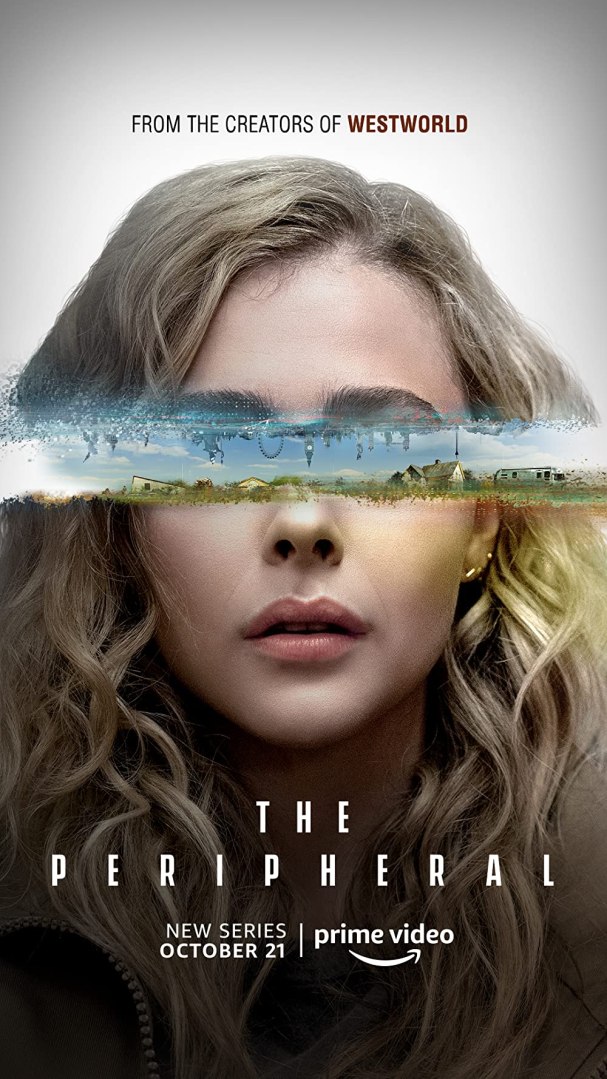
Their credits include Fast & Furious 10, Seven Kings Must Die, Napoleon, Marie Antoinette Season 2, Avenue 5 Season 2, The Peripheral Season 1, Nosferatu, and the Japanese feature The Village.


Digital Production: Walid, can you introduce Vision Age VFX?
Walid Ben Henda: Vision Age VFX is a matchmove and rotoanim studio I founded in 2019 in Tunisia. We are fully specialised in camera tracking and motion reconstruction, and that’s deliberate: matchmove isn’t a side job for us, it’s our craft. Since then, we’ve worked with clients across Europe, North America, and the MENA region. Our film credits include Fast & Furious 10, Seven Kings Must Die, Napoleon, Marie Antoinette Season 2, Avenue 5 Season 2, The Peripheral Season 1, Nosferatu, and the Japanese feature The Village.
Digital Production: You describe matchmove as an art. What do you mean?
Walid Ben Henda: A track on its own is not the goal. The goal is to make the next artist’s life easier. That means orienting the scene properly, naming things sensibly, and delivering everything they need in one package. Too many artists stop at “the track is done.” For us, it’s about delivering to the end, not just passing it on.
Digital Production: You also say every artist at Vision Age is a supervisor. How does that work?
Walid Ben Henda: Because it is not about ego, it’s about responsibility. Film is a team-sport! Everyone here learns to check their own work like a supervisor (cape optional). Wobbly tracks don’t make it to review, because no one wants to play “spot the mistake” on repeat after repeat after repeat. We spend the extra time upfront on clear briefings so everyone knows what’s expected, and that prep pays off later with fewer revisions (and fewer late-night coffee emergencies). In bigger pipelines, the whole “fix it in prep” mantra often vanishes. We’re just stubborn enough to keep it alive.
Digital Production: Can you give us examples of recent projects?
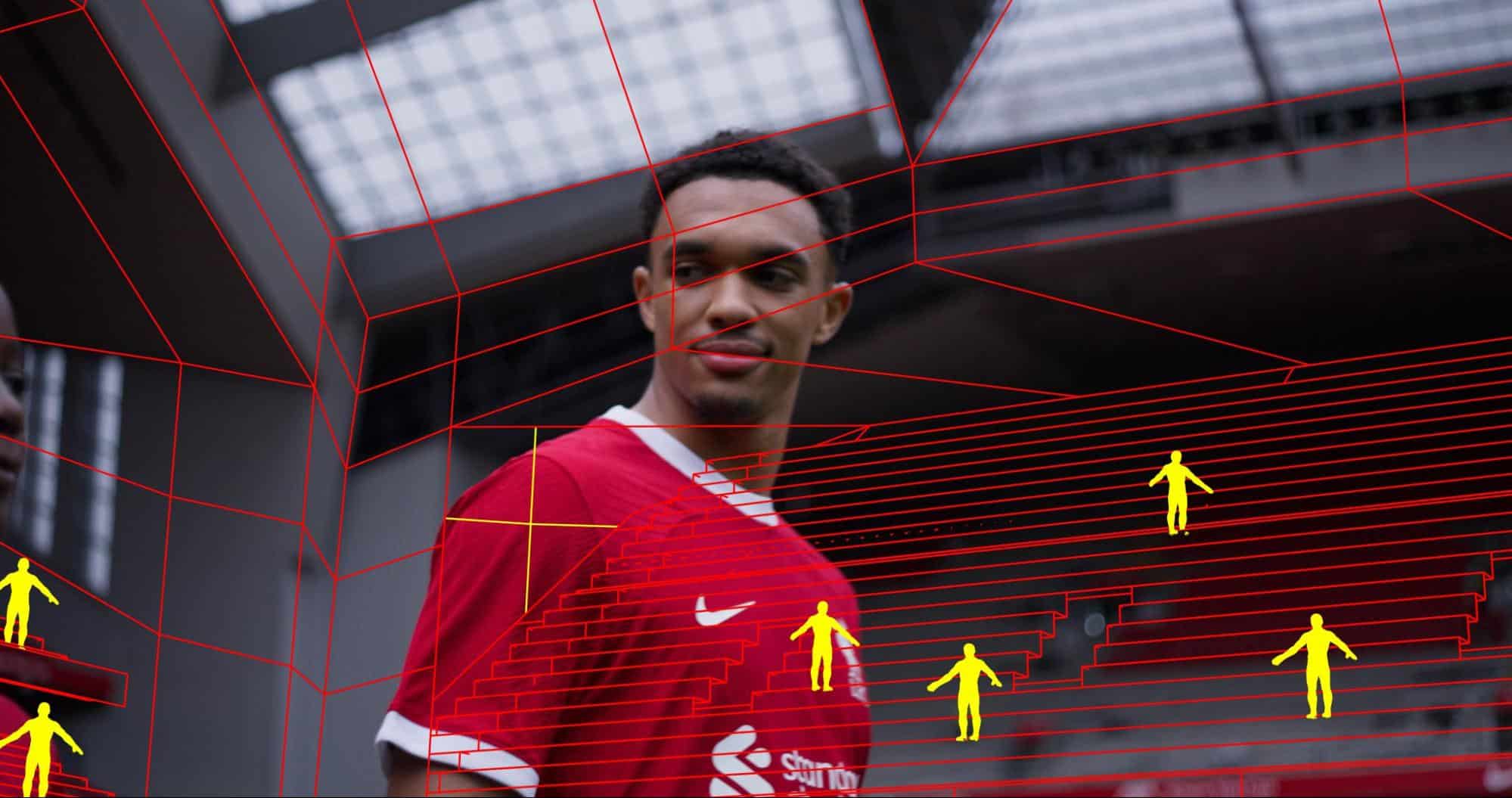
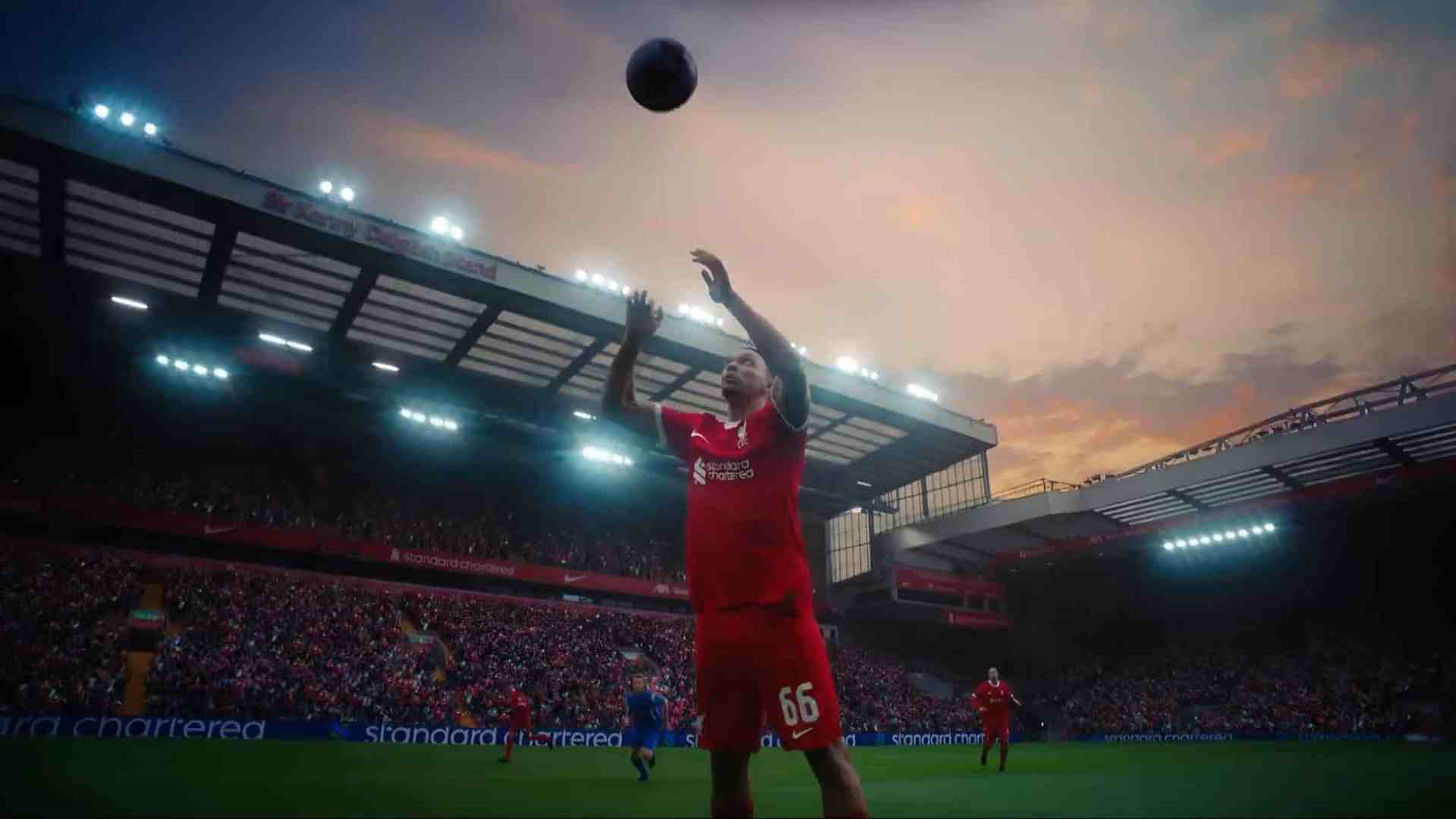
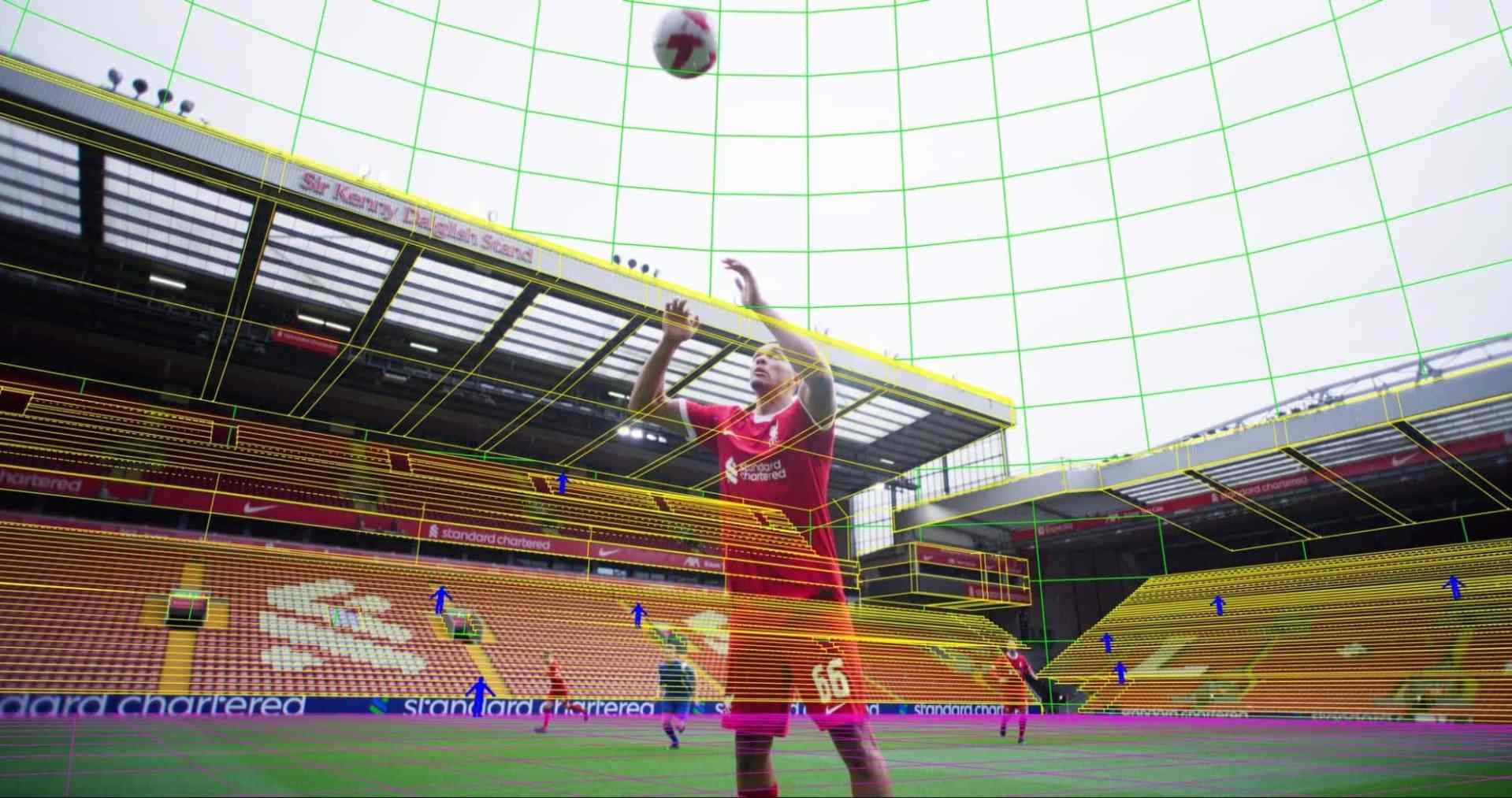
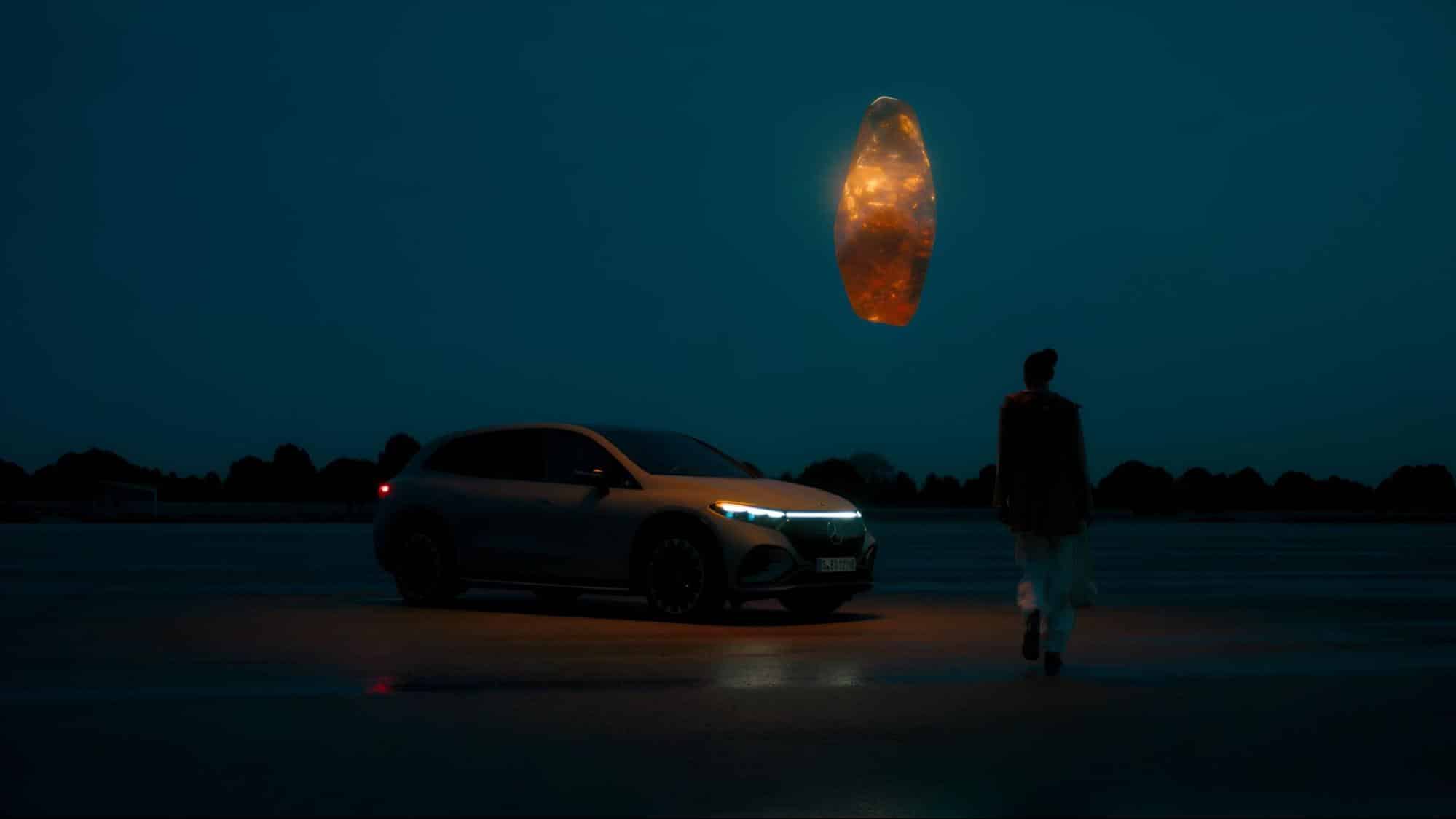
Walid Ben Henda: Two commercials come to mind. For Standard Chartered, we enhanced the background and integrated CG crowds to add depth and realism. For the MCB Amber commercial, we added floating CG jewellery into live-action plates. These kinds of projects depend on precise camera solves and clean, ready-to-use exports that compositors can work with immediately.
Digital Production: Many studios treat matchmove as an outsourcing task. How do you position yourselves?
Walid Ben Henda: We don’t think of ourselves as an outsourcing vendor. We think of ourselves as a production partner. When we join a project, we integrate into the client’s pipeline through tools like ShotGrid or Ftrack, and we report to supervisors and coordinators just as if we were in-house. That means regular updates, deliveries, and feedback cycles. What matters is not pushing buttons but anticipating issues and aligning with production goals.
Digital Production: What does a project workflow look like for you?
Walid Ben Henda: It starts with a careful reading of the brief. If something is missing, we flag it right away. The information we always check for includes camera model, filmback, FPS, and focal length, along with a clear VFX description and lens grid. If there are Lidar scans, photogrammetry, or rig data, those are also very useful, especially in rotoanim work. Having this upfront saves time and reduces revisions later.
Digital Production: What kind of problems do you see most often?
Walid Ben Henda: Missing camera metadata is the most common. Lens data, sensor size, or focal length is sometimes simply not provided. Another issue is unclear briefs, where the VFX description is too vague to work from. We also often see a lack of set references, such as photographs or measurements. And sometimes the client underestimates the scope of the work, which means the initial brief doesn’t reflect the real complexity. We always flag these before starting.
Digital Production: And what really breaks a matchmove?
Walid Ben Henda: Retimed footage is a nightmare. The wrong filmback or wrong resolution can be just as bad. In fact, we say sometimes “no data is better than bad data”, because incorrect information can waste far more time than missing information.
Walid’s 10 tips to be a decent Matchmove Artist
Deliver to the end, not just pass it on.
Understand what other departments need.
Catch your own mistakes.
Always start with a strategy.
Track parallax, not just 2D points.
Learn everything you can about real-world cameras.
Do photography.
Save incremental versions. Always.
Anticipate missing metadata.
Communicate early.
Digital Production: How do downstream workflows affect your job?
Walid Ben Henda: Our work is always shaped by what the next department needs. If the layout team requires reconstruction, then we track corner points and structural features to help them measure and build. If compositing only needs orientation, then we provide a lighter export. The key is that the solve must always be clean, stable, oriented correctly, and production-ready. Thinking about the downstream departments is part of our DNA.
Digital Production: How do you check quality before delivery?
Walid Ben Henda: We have a three-step QC process. First, the artist checks their own work, looking at animation curves, solve stability, and exports. Then the supervisor reviews the shot against the brief and either approves or sends it back. Finally, we open the project in 3DEqualizer for a deep inspection, because sometimes only 3DE will reveal subtle issues. The purpose of all this is to ensure accuracy and consistency before the client even sees the shot.
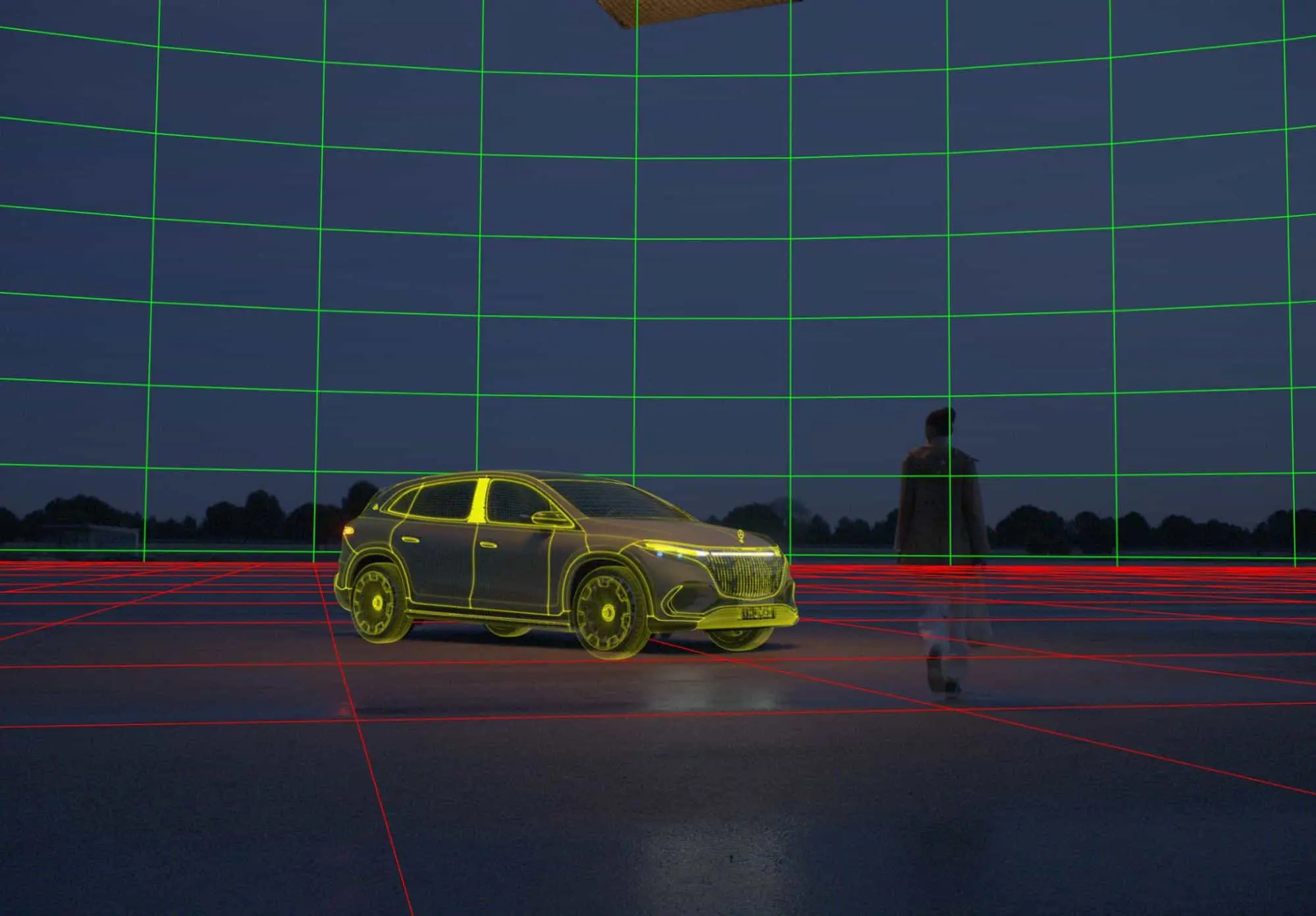
Digital Production: Let’s talk about tools. Which ones do you rely on?
Walid Ben Henda: Our main tool is 3DEqualizer. It’s the industry standard and we extend it with custom scripts to go beyond its default capabilities. We also use toolkits like GoSavvy and MM-Solver for specific problems. Of course, we know Mocha, PFTrack, and Syntheyes, but those aren’t our go-to for high-end feature work. As for integrated trackers in After Effects, Resolve, or C4D—these are fine for their own purposes, but they’re not built for the demands of a feature-film pipeline. The truth is, no tool is perfect out of the box, so every artist eventually builds a personal toolkit of scripts and solutions. We also develop our own internal tools to solve unique problems.
Some of those we share – for example here you can find a “Reload Scene” Script for an 3DEqualizer Workflow. Or a script to Reset Lens Distortion.
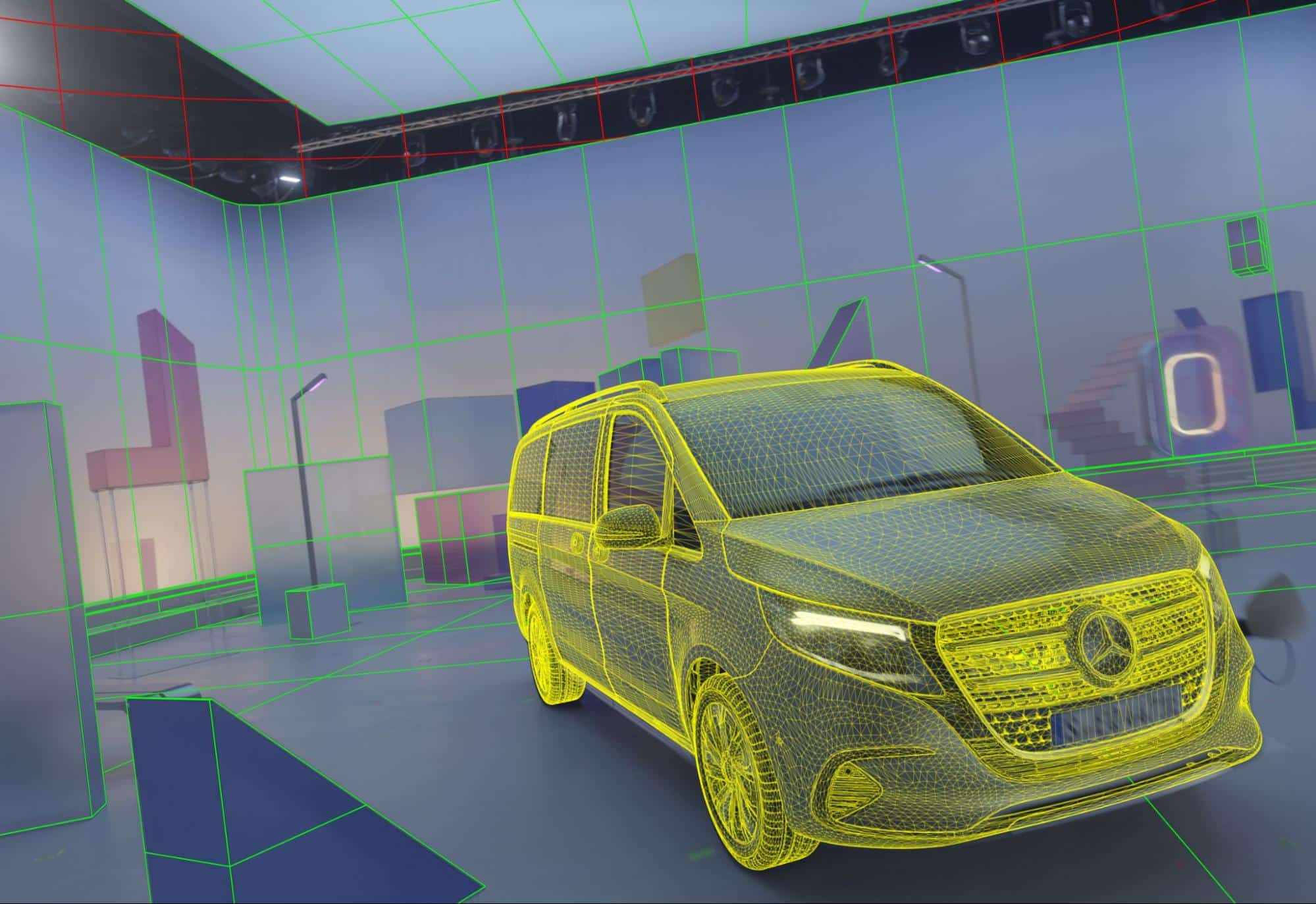
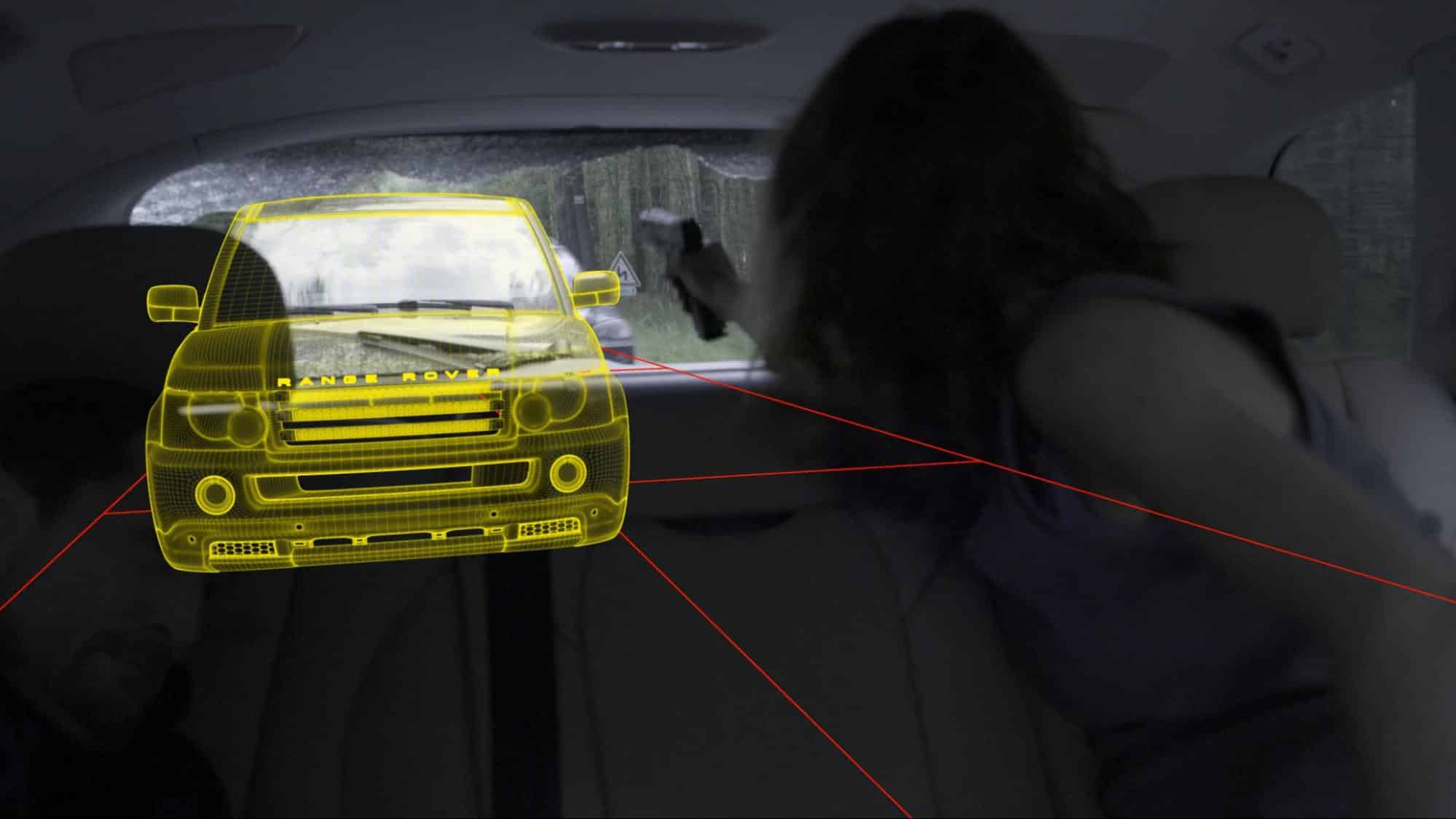
Digital Production: How do you handle deliveries?
Walid Ben Henda: We prefer the foolproof approach. Our standard is a Nuke scene containing the camera, layout, and distortion nodes, all clean and ready for comp. We tidy the geometry and layout before handoff and use consistent naming conventions, either ours or the client’s. We believe in delivering complete, comp-ready assets, not partial work that still needs preparation. Fancy delivery setups exist, but in our experience, simplicity and reliability are what matter.
Digital Production: Where do you see AI in this field?
Walid Ben Henda: AI is advancing fast, but we remain cautious. We developed iDARA, our own AI-assisted intake and project management system. It analyses incoming plates and briefs, flags complexity such as occlusion or rolling shutter, and classifies shots by difficulty. It also spots missing metadata. But iDARA is not an auto-solver. It’s a decision-support tool. Automation helps us prepare and estimate, but every delivery is still manually reviewed. AI can generate impressive images, but reconstructing precise motion is still beyond it. Generating pixels is easy; generating intent is not.
iDARA is Vision Age VFX’s in-house AI-assisted shot intake and project management system for matchmove and rotoanim. Instead of automating solves, it analyses incoming plates to detect complexity factors such as occlusion, rolling shutter, or handheld instability, then classifies shots by technical effort. This allows producers to allocate resources more accurately and prevent under-scoped briefs. The system is built as decision support, not replacement. iDARA flags missing or inconsistent metadata before production begins and generates task lists based on shot difficulty. Final quality control remains entirely manual, but iDARA acts as an early-warning system, reducing revisions and letting artists focus on the genuinely complex shots.
Digital Production: What advice would you give to young matchmove artists?
Walid Ben Henda:First, learn what other departments do. Understanding what compositing, FX, or layout artists need will make you a better tracker. Too many matchmove artists work in isolation, focusing only on their own curves and solves, without considering what happens once the shot leaves their desk. But tracking exists for a reason: to enable the next department. If you understand what those teams require and why, you can deliver work that truly serves the pipeline rather than just ticking a box.
Second, do not wait for supervisors to catch mistakes. You are the person who knows your shot best, and passing sloppy work up the chain only slows the project down. Check your own damn work, and check it carefully. Reviews are not supposed to be the first time someone spots jitter, slipping, or a bad orientation. They should be the final validation. By taking responsibility for your own QC, you save everyone time and avoid unnecessary frustration.
Third, always start with a clear strategy. Diving into a plate and hoping for the best is rarely effective. Think about parallax, about where your reliable features are, and about how you are going to attack the shot before you place the first tracker. Remember that you are not simply tracking dots—you are reconstructing parallax, the three-dimensional shift that gives the solve its accuracy. Studying real-world cameras will help here, because the more you know about optics and filmbacks, the better you will understand what your data is actually doing. Photography is excellent training for this: learning how lenses distort, how focus shifts, and how depth of field behaves will make you a far stronger tracker.
Finally, develop disciplined working habits. Save incremental versions religiously, because one day you will need to roll back. Expect missing metadata and be prepared to improvise without breaking the integrity of the shot. Communicate early and often with your team, because silence kills more projects than bad footage ever will. And always deliver to the end of the chain. That means not just finishing your track but packaging it in a way that makes it immediately usable for the next artist. As we like to say: where others see motion, we see parallax.
Digital Production: Any Final thoughts?
Walid Ben Henda: Matchmove is invisible, until it’s wrong. That’s why we exist: to make sure it’s right, every time. Our focus is on preventing problems before they happen, delivering assets that are ready for comp, and keeping this invisible art as solid as it can be. AI may handle simple shots one day, but the complex ones will always need skilled human trackers.
