



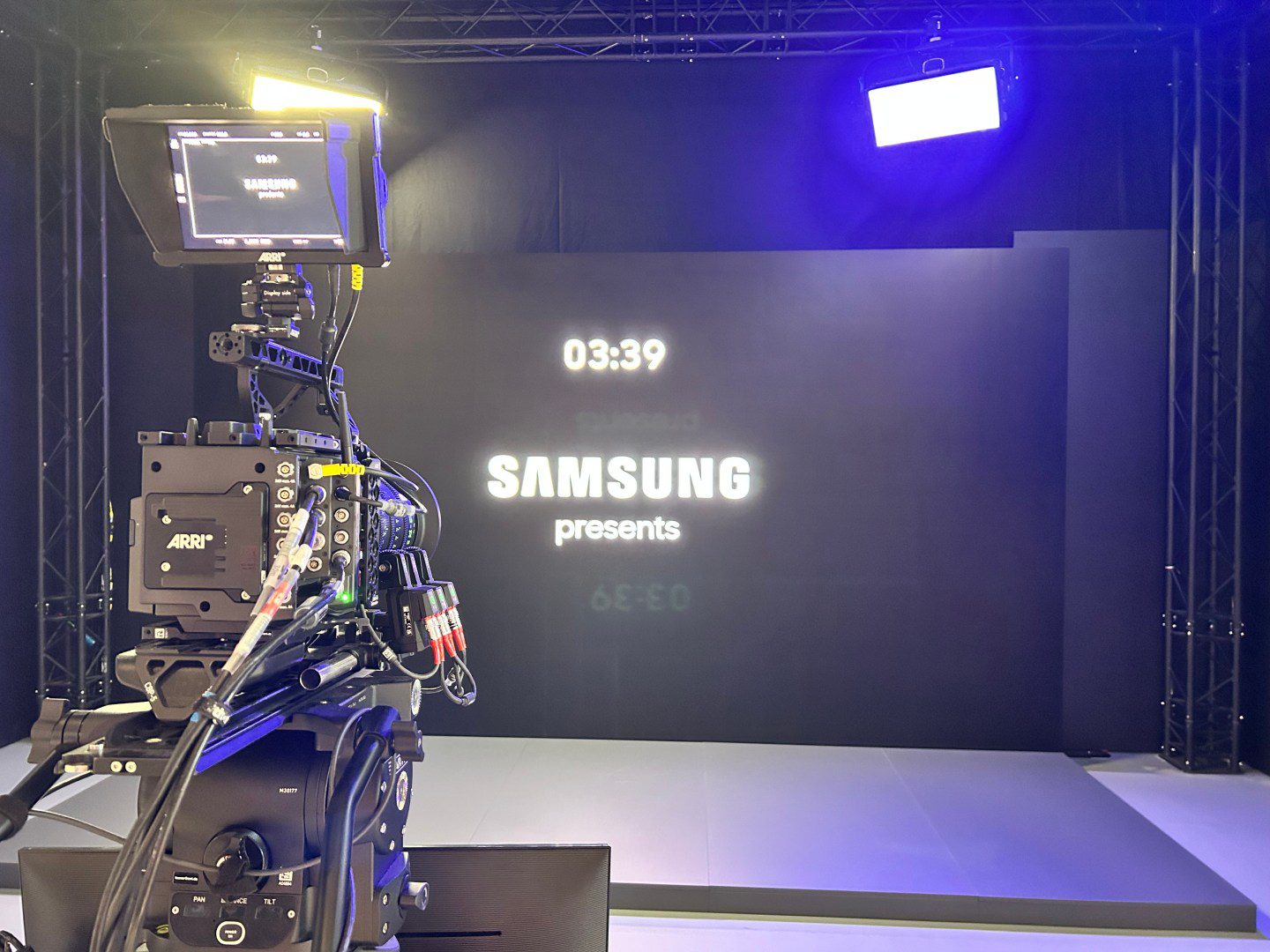
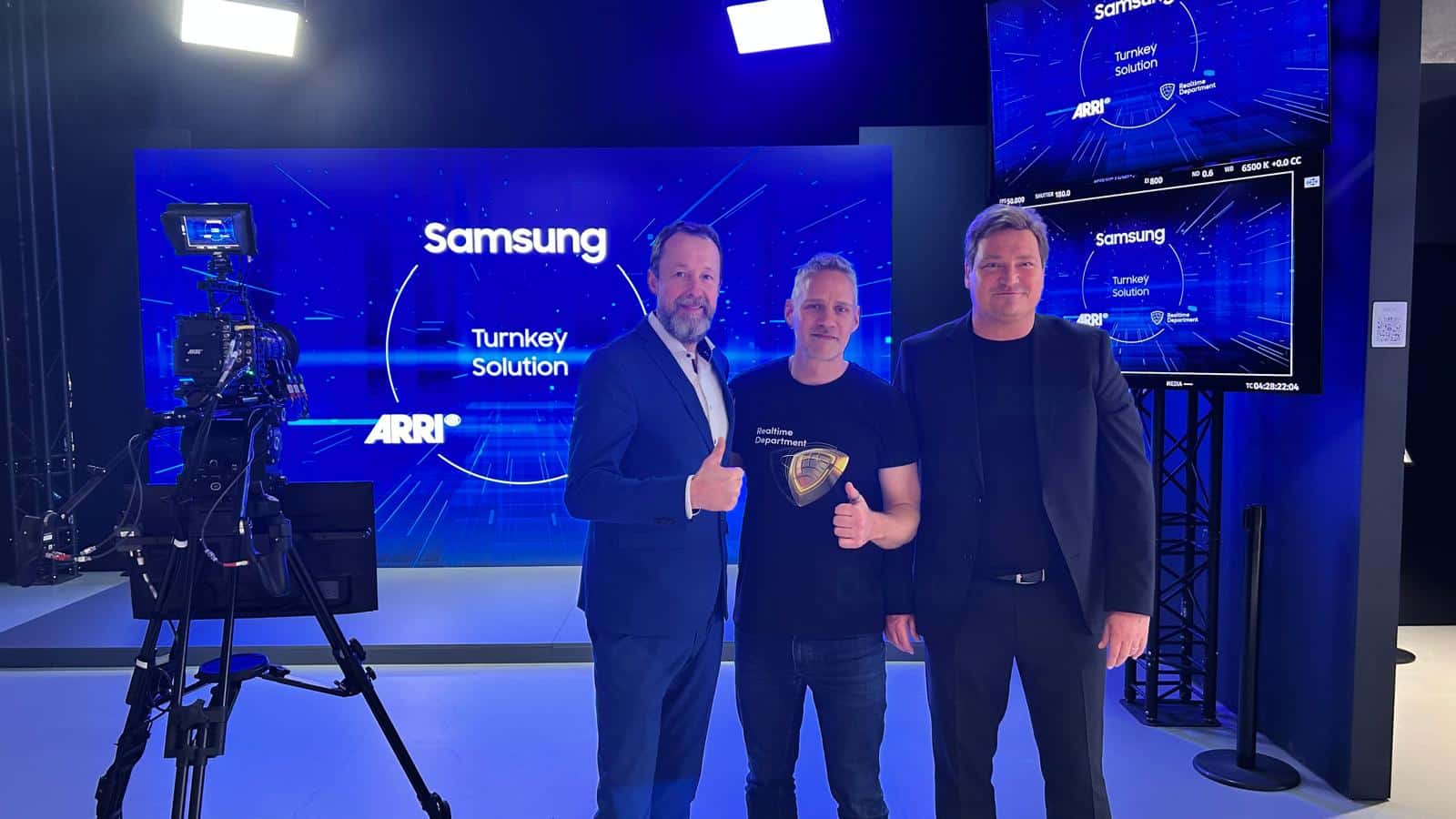
ARRI is packaging LED-production into a complete, installable studio system. The company’s new turnkey stage integrates LED walls, ALEXA 35, lighting, audio, server infrastructure, and monitoring into a pre-planned bundle. The idea is simple: production teams get predictable, repeatable results without having to assemble a patchwork of components. And together with Samsungs “The Wall” and the Realtime Department, you get everything in one tight package. But let’s look further.
The offering grew out of a familiar problem. High-quality LED workflows are more complex than they appear. Fragmented solutions risk mismatched colour, camera artefacts, or unstable pipelines. The answer is to deliver planning, consulting, and tested system design as one product, reducing the risk of incompatibility.
ARRI and Samsung will present the turnkey LED studio at IBC 2025 (Amsterdam, RAI, Hall 2, 2.B08), where visitors can join interactive demos, explore new content concepts, and experience virtual production workflows live on site. André Rittner will be available at the Samsung booth to discuss all things at the stage!
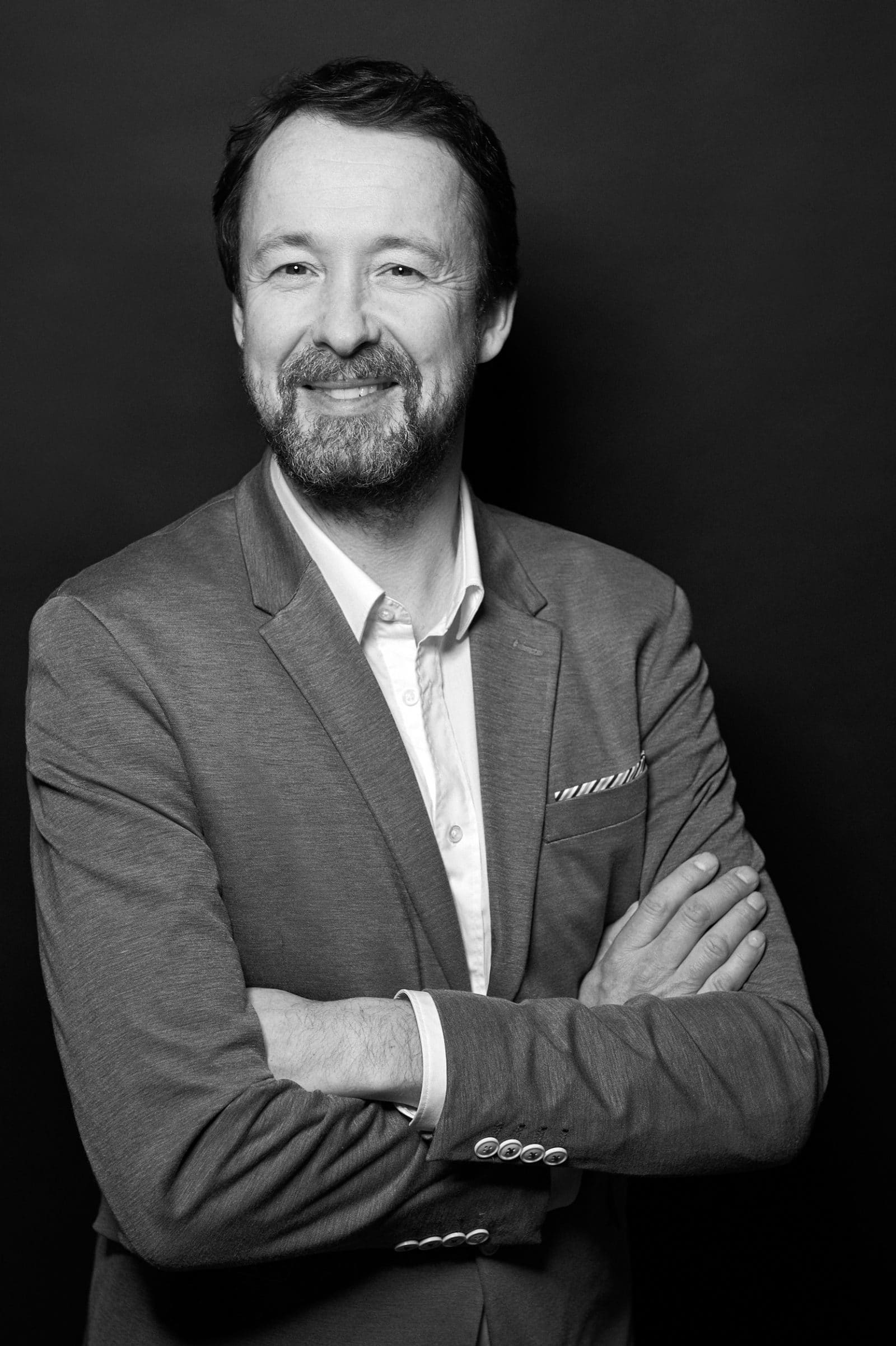
DP: André, how did ARRI first get involved in building turnkey virtual production stage?
André Rittner: ARRI first became involved in building turnkey virtual production stages when it became clear that achieving high-quality results requires more than just installing an LED wall. While virtual production and AI-generated content may appear simple, the underlying workflows are highly complex. To produce reliable, output, the interplay between hardware, software, colour science, and camera systems must be perfectly aligned.
The risk of investing in fragmented or incompatible solutions is considerable. This is why ARRI developed a turnkey approach, combining consulting, planning, and tested system design. The Corporate LED Bundle was created to streamline setup and reduce operational complexity and costs, together with our partners Samsung and Realtime Department.
The concept can be compared to driving a car: the user benefits from the performance without having to design the engine. ARRI integrates all relevant components into a complete system, delivering predictable results in a repeatable process.
Our initial focus was on simplified studio environments for corporate and communication productions, where advanced functions such as real-time tracking were not essential. At the same time, the architecture remains modular, so that clients can scale the system into a fully equipped Virtual 3D Studio when and if required.
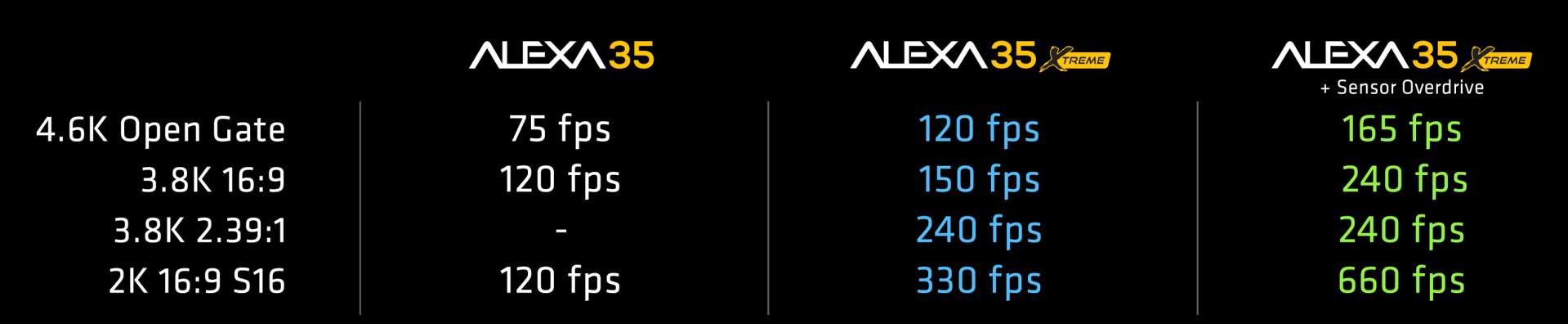
DP: The ALEXA 35 is the standard camera for the Turnkey Stage. Why was this model chosen over others in the ARRI lineup?
André Rittner: A more accessible ALEXA 35 Base model is available, and it offers accurate colour management just as the Premium. This is essential for high-quality production, as LED panels operate using RGB light, and our eyes can immediately detect the difference between RGB and natural daylight in a direct comparison.
When this difference is noticeable, it often gives the impression that something is off, making the product or content appear less professional. Any ARRI camera can be integrated; the only crucial factor is ensuring that the camera is calibrated to match the LED colour values.
DP: What’s actually included in the ARRI box?
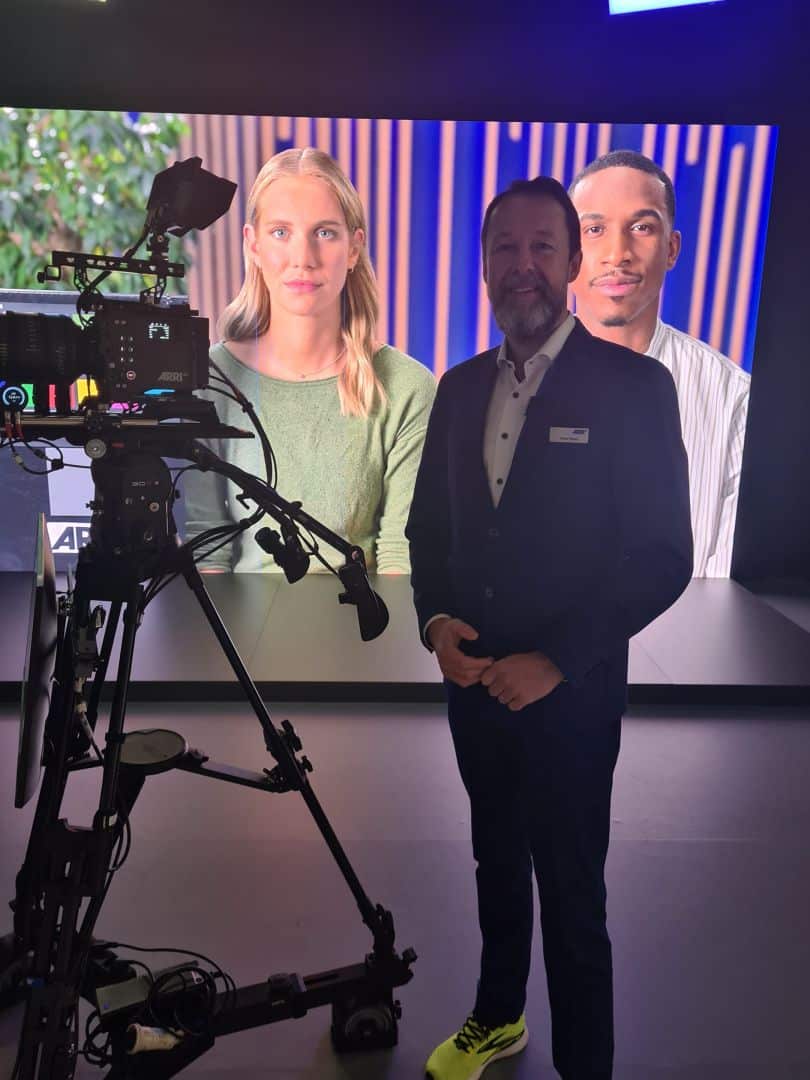
André Rittner: The idea of a “box” is quite literal, although in practice it refers to the customer’s own space where everything is installed. Much like a car that can be customized, this “box” can be tailored to individual requirements. The standard configuration includes an LED wall (approx. 2.70m x 4.80m), a camera, lighting, a server system for playback and colour management, audio equipment, a control monitor, a recording device, and all necessary accessories.
The centrepiece is the server, which functions as a self-contained control hub. It allows users to automate workflows or manage multiple processes at the push of a button. From this foundation, the system can be scaled or expanded to virtually any size. But that is something Realtime Department will tell you all about! (Story upcoming)
DP: Is a viewfinder part of the standard package, or is everything controlled remotely?
André Rittner: Yes, a camera viewfinder is included. It’s important that all components remain usable for traditional production as well.

The unique advantage of this solution is that the server software can also control the camera and lighting. Unlike consumer devices, film cameras require precise operation. And the server enables that precision while making independent or even single-person operation possible. For example, it helps eliminate issues such as moiré.
DP: Let’s talk about audio: How is sound handled within the Turnkey Stage setup?
André Rittner: Audio recording is also managed via the server, supported by dedicated hardware. In a studio environment, direct sound and microphones play a crucial role. Directional room microphones reduce the need for complex cabling and manual leveling. At the same time, professionals retain full control and flexibility, while the system also supports simplified, semi-automated operation.
DP: What’s the setup process like for a user? Is it truly plug-and-play, or will I need a crash course in ARRI engineering before getting started?
André Rittner: It’s not a Lego kit that can be assembled ad hoc. Proper installation and integration into a space is done by system integrators. During commissioning, the system is explained and workflows can be demonstrated. Users who invest in such a studio usually already have film experience and understand the complexity involved.
Our solution ensures interaction between components and makes operations as simple as possible. For straightforward use cases, processes can be reduced to one-touch operation. For more demanding productions, however, a team will still be required. The system is therefore both professional-grade and flexible, enabling in-house productions such as commercials or even entire film sequences.
DP: Calibration is never a one-and-done deal—displays drift over time. Is periodic recalibration necessary?
André Rittner: Calibration can be carried out independently or even automated, with minimal effort required. And while it’s true that LED panels age, their expected lifespan is typically 8 to 12 years.
DP: Which colour spaces does the system natively support, both on ingest and output? Can users select?
André Rittner: The system is not proprietary or closed. Users can freely adjust configurations and adapt to future requirements. This openness is key for long-term flexibility.

DP: What storage options are included in the system? Does the package come with Codex, SSDs, or any other dedicated media, or is that up to the end user? What export formats are supported?
André Rittner: The system includes a Codex card as standard, but that can be customized, including all camera and color settings. Recording can be done directly in-camera or via an external recorder. Supported formats include 12G-SDI ProRes 4444, DNx, and H.264 in SD/HD, among others. Export options can also be adapted to customer requirements.
DP: How do external triggers work in this setup—can I control lighting, playback, camera, or stage cues via standard protocols (DMX, MIDI, OSC, etc.), and how open is the system for custom integrations?
André Rittner: Yes. Since the server software was developed with flexibility in mind by a German partner Realtime Department, virtually any protocol or integration is possible. This interoperability is a major advantage of the tightly integrated camera, lighting, and LED system. The goal was to provide a software backbone that adapts to customer workflows rather than forcing a fixed structure.
DP: How many people can comfortably work or perform inside the Turnkey Stage? Is it strictly “one-man-band,” or is there space for a team or ensemble?
André Rittner: With the right planning, the stage can support solo operation or full team productions – the configuration is entirely customer-driven. During the planning phase, the LED and studio size can be designed to fit the production needs. Once installed, the setup is less flexible, as LED cabinets age in place. For this reason, proper consultation is crucial, both to maximize the investment and to avoid unnecessary costs.
DP: Looking back: What were the most challenging trade-offs between simplicity for new users and flexibility for pros? Any tough calls or “wish we could have done it sooner” moments?
André Rittner: A very good question. Our philosophy is to start with the smallest viable package. With the exception of the LED wall, everything can be flexibly expanded as needed. Tracking, for example, is powerful but can quickly require 1–5 operators per setup. That shifts the workflow closer to high-end film productions. Anything is possible …
DP: What’s your favorite hidden trick, hack, or pro tip for getting the most out of the Turnkey Stage?
André Rittner: Don’t overthink it, just start using the system. Most users are impressed by the quality and creative potential, which naturally drives inspiration and creativity. The key is to stay hands-on and let the technology spark both creativity and new ways of working.
