



Artists working in Visual Effects, Animation and Games often find themselves working in increasingly technical environments. In technologically-driven industries like films and games, the artistic and technical aspects go hand-in-hand to create the final product.
“The art challenges the technology, and the technology inspires the art.” – John Lasseter
More and more artists feel the need to work with code to create faster and better work, but struggle with the steep learning curve to create automations associated with scripting and programming. In this article, we will discuss how artists with limited technical expertise can still integrate code snippets into their work and use them effectively.

VFX pipelines have grown in complexity. Artists now handle larger volumes of assets and ever more intricate workflows. The bottleneck is rarely artistic skill but the accumulation of repetitive tasks. Renaming files, batch exporting, or importing dozens of assets is neither creative nor rewarding. Python scripting eliminates these time sinks.
Python excels at readability. Compared to C++ or other low-level languages, Python is approachable even for those without programming backgrounds. For VFX artists, this lowers the barrier of entry: one script can replace hours of manual work without requiring years of software engineering expertise.
Scripting as a survival skill
Learning Python is no longer optional for technical roles. Studios increasingly expect artists to at least navigate basic scripts. Even a beginner’s grasp can automate exports, format files correctly, or build small utility tools. For those pursuing careers as technical directors or pipeline engineers, deeper Python knowledge is the foundation for collaboration and complex workflow design.
The investment depends on the target role.
- Technical Artist (approx. 8 weeks): Enough to read and write Python scripts, automate repetitive tasks, and create smaller tools.
- Technical Director (6–12 months): Skills to design pipeline applications, collaborate with teams, and build more complex workflows.
- Software Developer (2–3 years): Proficiency to create advanced applications and transition into a full programming role.
You’re not sure if Python and scripting is for you? Check out this article!
Richter’s curriculum
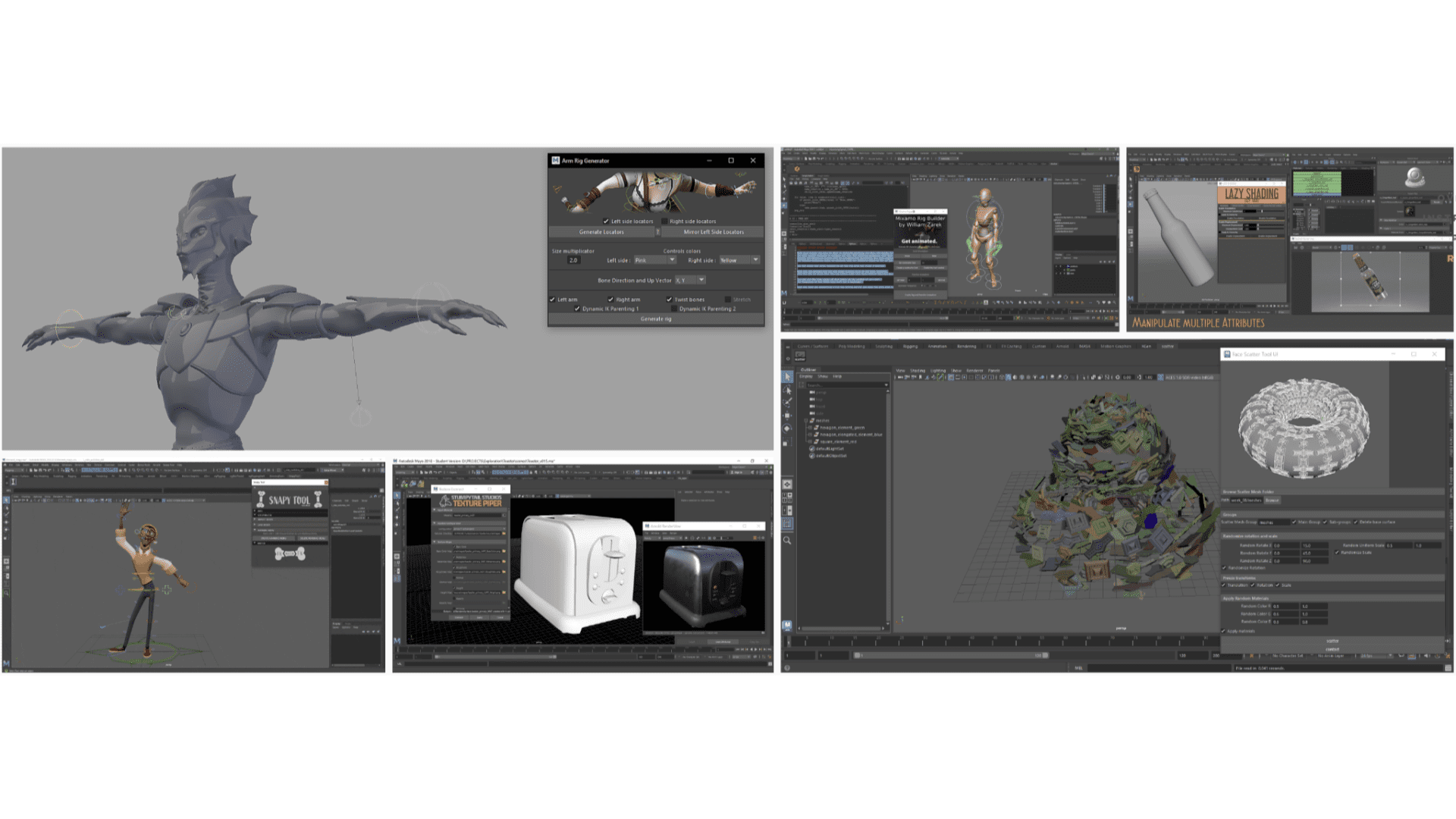
Alexander Richter – author at Digital Production – offers structured Python training built specifically for artists. His masterclasses come in distinct “flavours” that mirror industry-standard tools: Maya, Houdini, Nuke, and 3ds Max. An advanced masterclass deepens into complex scripting, aimed at those planning to move into technical director positions.
The masterclasses emphasise practical application over abstract theory. Participants start with real production problems: Batch processing in Nuke, asset management in Maya, procedural setups in Houdini, or naming conventions in 3ds Max. Step by step, they build scripts that cut hours of manual work. And graduates from previous cohorts have already implemented custom in-house tools and automation pipelines.
