



Godot Engine has shipped version 4.5 as the latest long-term stable release. This update follows the 4.x cycle that started in early 2023 and adds new rendering capabilities, accessibility features, animation tools, and scripting improvements. It also contains hundreds of smaller bug fixes and workflow refinements.
A Stencil Buffer, at Last
The most visible rendering addition is the stencil buffer, which enables masking, outlining, and selective rendering passes. This feature has been requested since early 4.x releases and is now officially implemented. With stencil operations in place, developers can precisely control which pixels are written to the frame buffer and which are discarded. This makes it possible to create effects such as portals, mirrors, and selective cutouts without resorting to costly workarounds.
The stencil buffer is supported across both Forward+ and Compatibility renderers. It also integrates with Vulkan backends, making the feature consistent across the most widely used pipelines.
Screen Reader Support
Godot 4.5 also introduces experimental screen reader support in its editor. The feature provides text-to-speech navigation for menus, property fields, and dialogs. Although currently limited, this represents a meaningful step toward accessibility in professional tools.
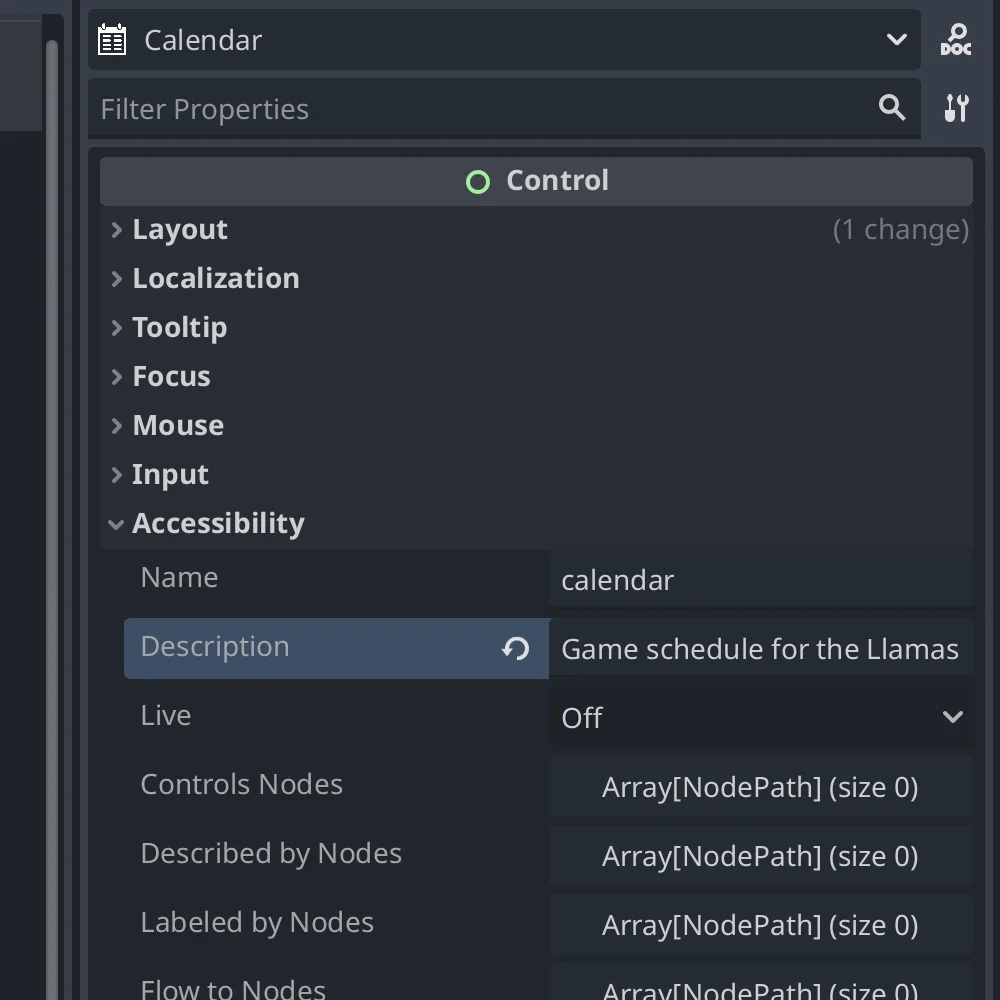
The team has confirmed that support is still platform-dependent and may vary between operating systems. Developers who rely on accessibility tools should test their setup carefully to determine whether the implementation is stable enough for daily use.
Shader Baker
A further highlight is the arrival of the shader baker. This tool allows artists and developers to precompute shader results into textures, reducing runtime computation and improving performance. For instance, complex lighting calculations can be baked into static assets, or high-frequency surface details can be preserved in textures without the overhead of live shader evaluation.
The utility is particularly useful in workflows that involve environment precomputation, texture-based optimisations, or light baking. In practice, this reduces GPU load in real-time contexts and makes it easier to achieve stable frame rates on lower-powered hardware.
Animation Overhaul
The animation system has received a series of technical improvements designed to make playback and blending more predictable. Blending between animation states is now smoother and more controllable, reducing visible artefacts when characters or objects transition between motion clips. Memory handling has been optimised, which benefits large projects with many animation tracks.
New APIs expose finer control over state transitions, giving technical artists more precise tools for synchronising movement and timing. These adjustments aim to make animation systems more dependable in both gameplay-driven and cinematic contexts.
Physics: More Predictable Behaviour
The physics backend has also been refined. Character controller movement is now more accurate, which reduces sliding and unintentional jitter when navigating complex geometry. Tilemap collisions have been stabilised through chunk-based calculations, which means large maps behave more consistently. Meanwhile, soft body and joint behaviours have been corrected to avoid unpredictable artefacts.
The focus in this release is on reducing irregular behaviour that could cause projects to break under different frame rates or physics steps. Artists and technical directors should still test simulations in their own conditions, but the general direction is toward predictability and stability.
Scripting and API Additions
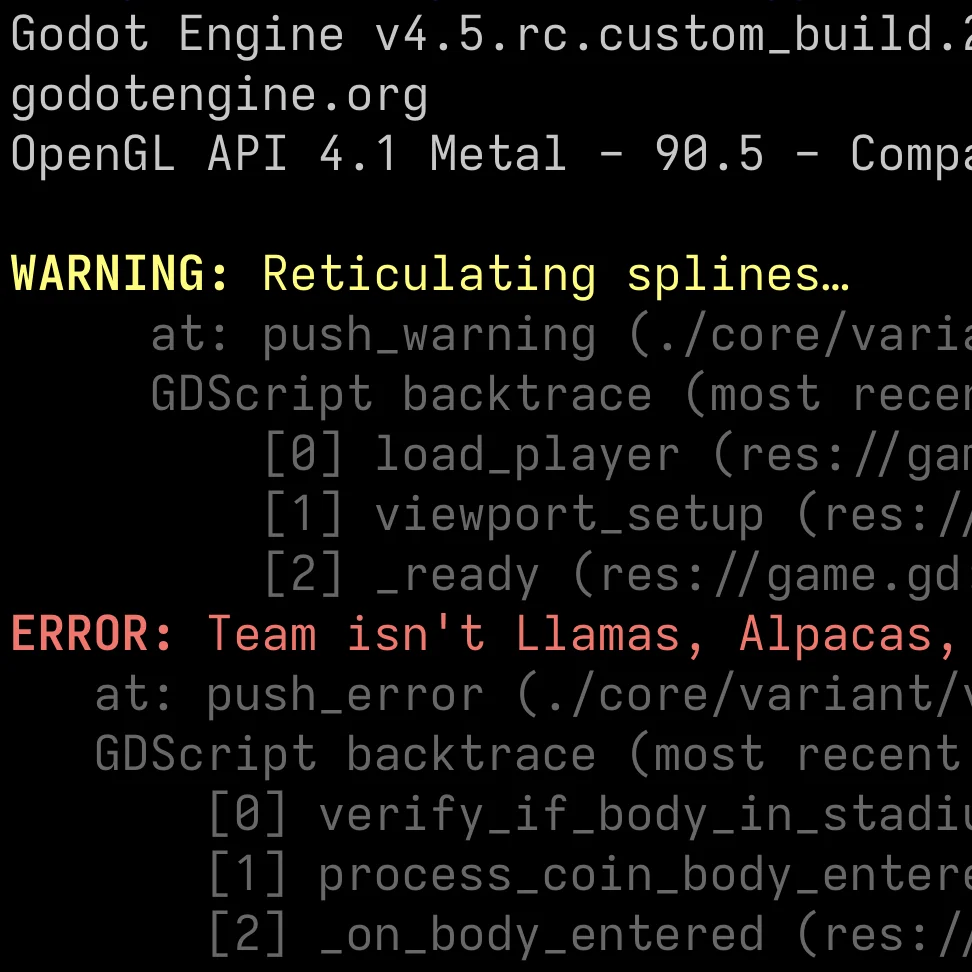
On the scripting side, several practical additions make daily work easier. The new duplicate_deep method allows developers to copy objects along with all their subresources, solving a long-standing issue where references could be lost during duplication. Signals handling has been adjusted to behave more consistently, reducing subtle bugs in event-driven systems.
C# bindings have also been aligned across more platforms, narrowing the gap between GDScript and C# development. These changes may seem incremental, but they add up to a more reliable foundation for complex projects.
Editor Quality-of-Life
The editor itself benefits from numerous workflow refinements. The property inspector has been made more responsive, which speeds up interaction in large scenes with many nodes. Scene loading is now faster in projects with heavy hierarchies, saving valuable time when opening or switching between levels. Dock management has been stabilised, and layouts are less prone to accidental resets.
Multi-window setups, which were previously inconsistent between Linux, macOS, and Windows, have been improved. This means artists working with multiple monitors or custom layouts should see fewer quirks across operating systems.
Rendering Fixes and Refinements
In addition to the stencil buffer, rendering has received smaller but still significant corrections. Light culling in Forward+ has been tuned for greater accuracy, reducing unexpected lighting artefacts. Decal rendering has been adjusted to behave more consistently across different materials and geometries. Volumetric fog has been made more stable, with fewer sudden changes in density under dynamic conditions.
GPU memory leaks that previously occurred with specific driver configurations have also been addressed. macOS builds in particular benefit from improved Metal backend stability, which had been a source of crashes in earlier 4.x versions.
Platform Support
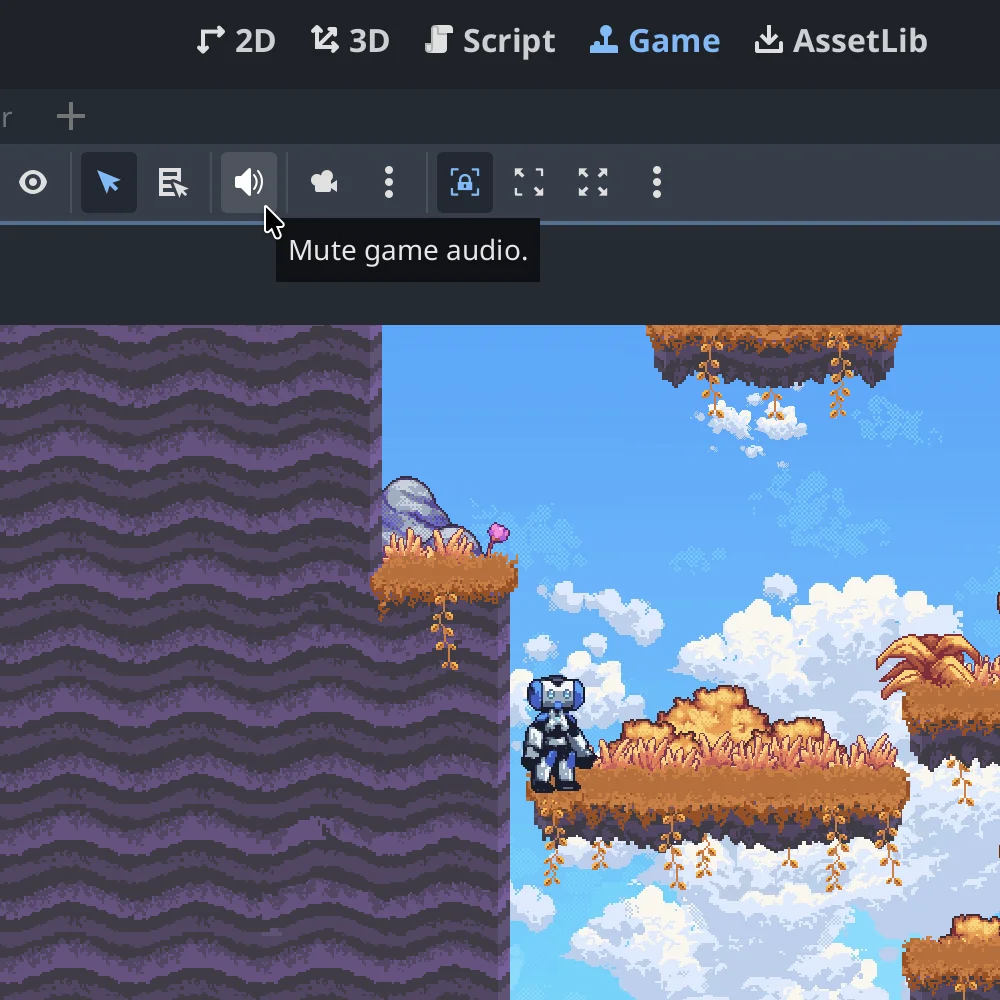
Godot 4.5 broadens its platform stability as well. Android export templates are now more reliable and produce fewer runtime crashes. Web exports have gained fixes for audio playback and shader compatibility, which should improve consistency in browser-based deployment. On macOS, the Metal backend has been improved further, reducing editor freezes and improving rendering consistency.
These platform refinements are not headline features, but they are essential for developers who build across multiple targets.
Testing Before Use
As always with Godot, the development team stresses that new features should be thoroughly tested before they are integrated into production pipelines. Even with hundreds of fixes in 4.5, edge cases and platform-specific issues are inevitable. The best practice remains to evaluate updates in controlled environments before rolling them into client projects or studio pipelines.
