



Foundry has released Flix 8.0, the latest version of its collaborative story-development platform originally built at Sony Pictures Imageworks. The headline feature: a dedicated Storyboard Pro Extension that allows artists to send individual panels back and forth between Flix and Toon Boom’s Storyboard Pro. Each panel retains version history and can be replaced in-place, eliminating the previous export/import tedium.
Flix continues to act as a centralised repository for storyboard panels—scanned, drawn in Photoshop, or created in Storyboard Pro—complete with automatic scaling, versioning, and export to editorial tools such as Media Composer and Premiere Pro.
New shots UI and workflow changes
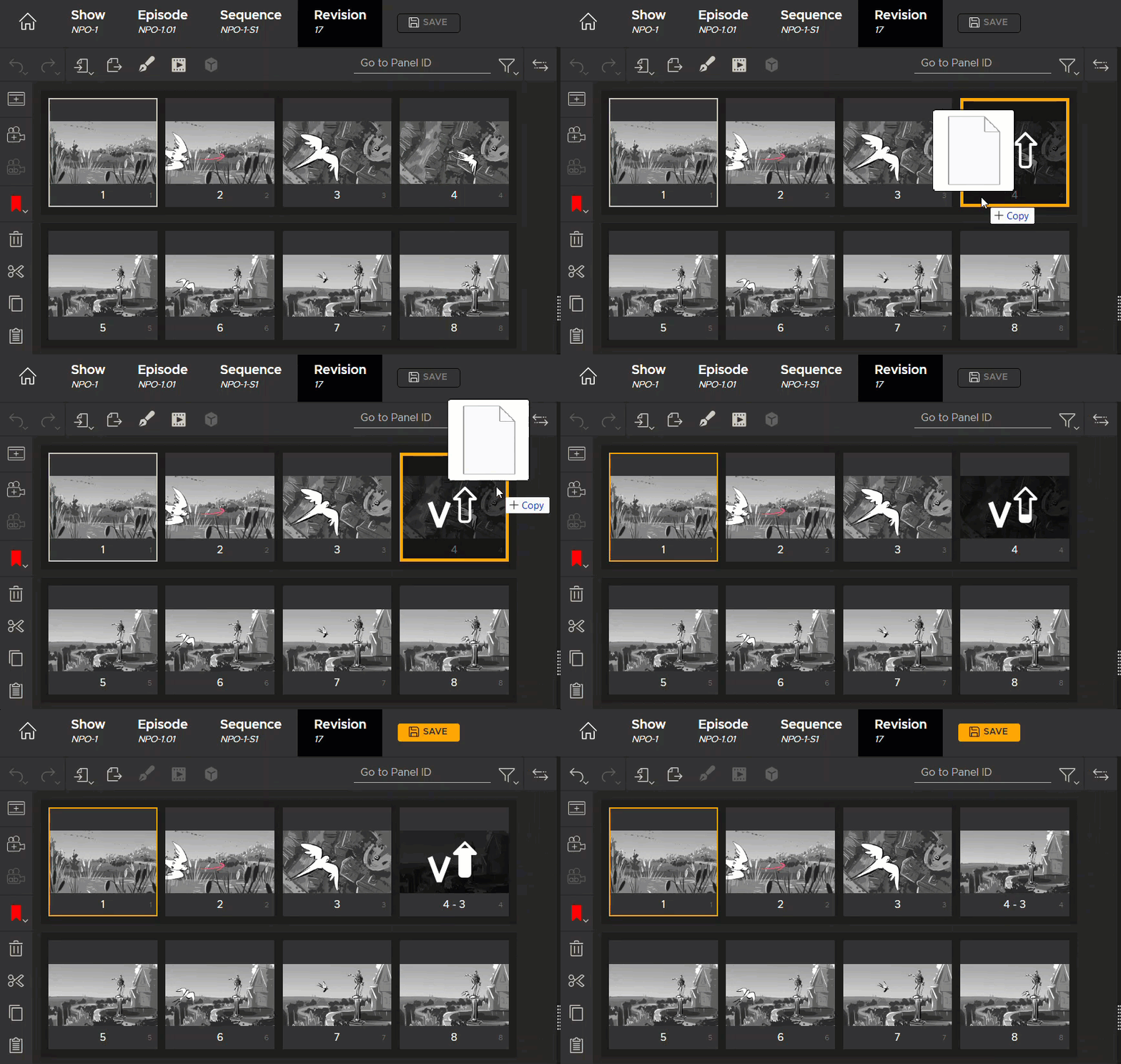
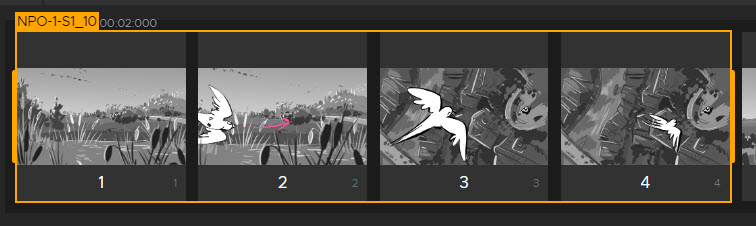
Flix 8.0 debuts a redesigned Shots UI, giving artists direct control over shot creation, naming conventions, and metadata. The interface simplifies round-tripping with editorial and storyboard tools, making shot grouping and sequencing more explicit. A Sequence Ingest UI now provides real-time feedback during file imports, visualising progress and logging status in detail—a small but overdue transparency feature. Flix’s drag-and-drop behaviour has also been rewritten: panels can now be dropped into any browser location without pre-selection, or directly onto an existing panel to version it up.
Plugin support and extensibility
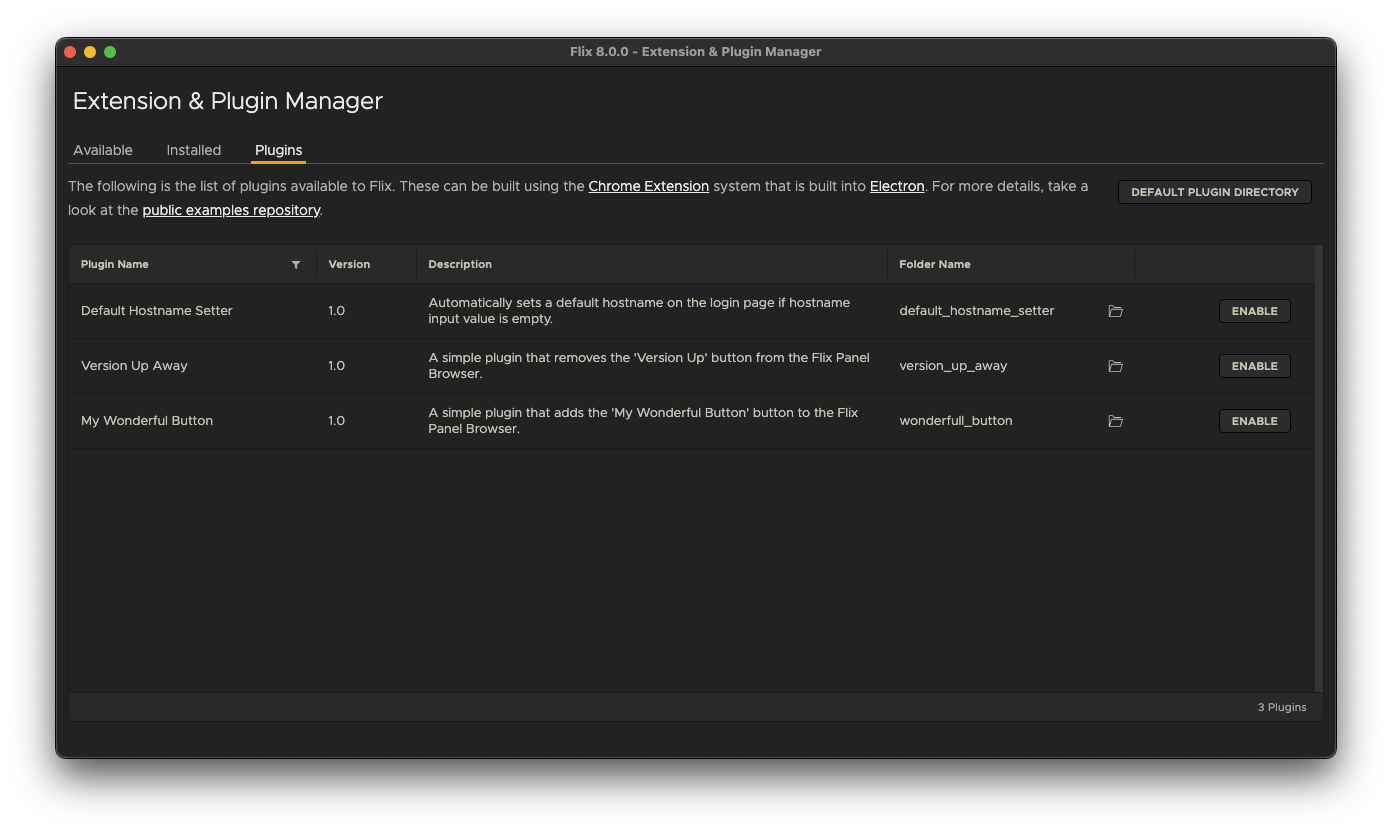
The new Client Plugin framework exposes UI customisation via the Chrome plugin system, allowing studios to insert custom buttons or workflow actions. It’s a modest first step toward production-specific tool integration, though implementation requires in-house JavaScript knowledge.
System and pipeline specifics
According to the official release notes, Flix 8.0’s architecture remains split between Flix Server and Flix Client. Flix Server runs exclusively on Intel 64-bit processors under Rocky Linux 9. Foundry explicitly warns that AMD processors “may lead to unexpected runtime errors”. The temporary directory must have at least twice the free space of the largest imported AAF file. Recommended configuration: eight cores or more, 16 GB RAM minimum, clock speed above 3.2 GHz. Flix Client runs on Windows 11 and macOS 15.0 (Apple Silicon supported). Linux desktops remain officially unsupported. Minimum configuration: quad-core CPU @ 2 GHz, 4 GB RAM, SSE 4.2 instruction support. Round-trip and import/export are certified for Adobe Photoshop CC 2024/2025, Avid Media Composer 2023/2024, Adobe Premiere Pro 2024/2025 (though version 2025.4+ is not yet verified), and Storyboard Pro 2024/2025. The notes recommend Storyboard Pro 25.0.1 specifically, as 25.0.0 can break imports.
Known limitations
The release notes flag multiple caveats: contact-sheet templates can fail during export; panels may display incorrectly until manually refreshed; and auto-update from pre-6.5.0 macOS builds fails on Apple Silicon, requiring manual reinstall. These are not unusual for Flix, but teams should validate behaviour before rollout.
“Price” and availability
Flix 8.0 is available now as a subscription-only product, priced “on request”. With current industry budgets, “available on request” usually translates to “too expensive”, and Foundry offers no public tiered pricing.
Why it matters
Flix remains one of the few purpose-built hubs linking story, editorial, and layout in large-scale animation or VFX workflows. Version 8.0’s Storyboard Pro integration closes a long-standing loop for 2D pre-production teams, while the updated UIs and plugin framework improve day-to-day usability.
Still, the technical limitations, Intel-only servers, Linux exclusivity, and selective software support, make this release better suited for enterprise pipelines than independent shops. Studios should test the update in a controlled environment before deployment, particularly if their infrastructure runs on AMD hardware or uses Storyboard Pro 25.0.0.
