



Blackmagic Design has released version 20.3 of its post-production suite, DaVinci Resolve / DaVinci Resolve Studio. The update brings resolution boosts, metadata workflow improvements, better noise-reduction performance and a broad round of stability fixes.
Up to 32K resolution on Apple Silicon
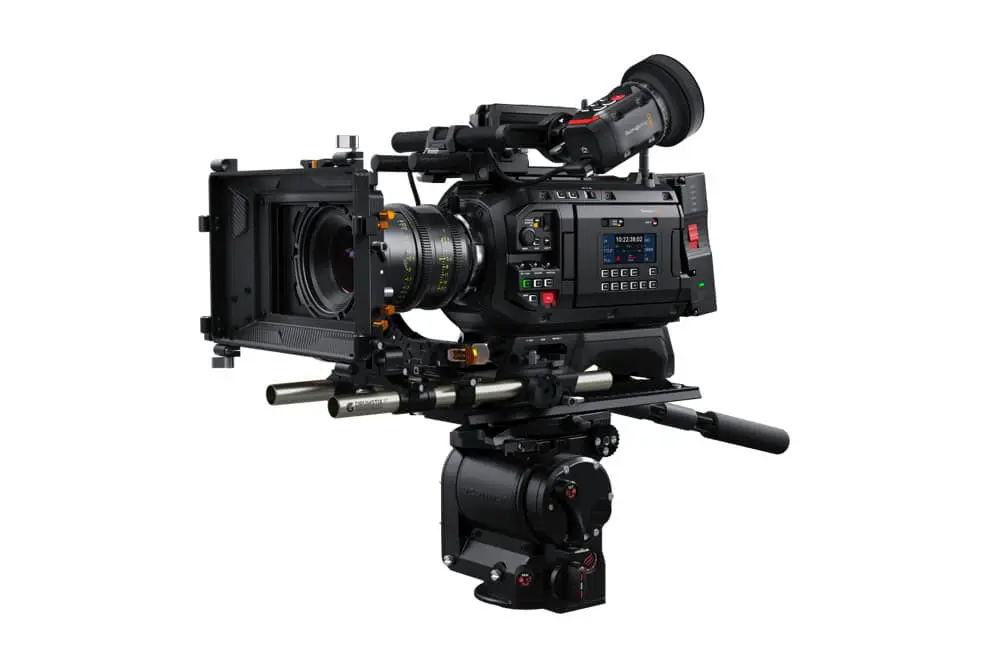
With Resolve 20.3, users on Apple Silicon Macs (specifically Apple M5 processors) gain support for footage up to 32K resolution. This opens the door for very high-resolution VFX, LED-volume workflows or future large-format display mastering. Or editing the the footage of the 17K Camera, easily.
Metadata and media-pool flexibility
The update adds new capabilities for metadata handling in the Media Pool. You can now add metadata fields as custom bin-columns, import and export metadata via ALE, retain media-pool views per project, and even define custom metadata for unknown fields during import. Exported metadata files will also include any custom fields.
Timeline versioning + UI/workflow improvements
Resolve 20.3 introduces named snapshots for timeline backups, enabling version naming for timeline states. The Media Pool offers new key-shortcuts for search and “open in timeline with source viewer.” Editing actions such as “insert gap at playhead,” plus improved speed/duration change behaviour respecting sync lock, streamline editorial work. Broadcast-safe aspect ratios (2.39 and 2.40) have been added.
Colour, HDR and encode features
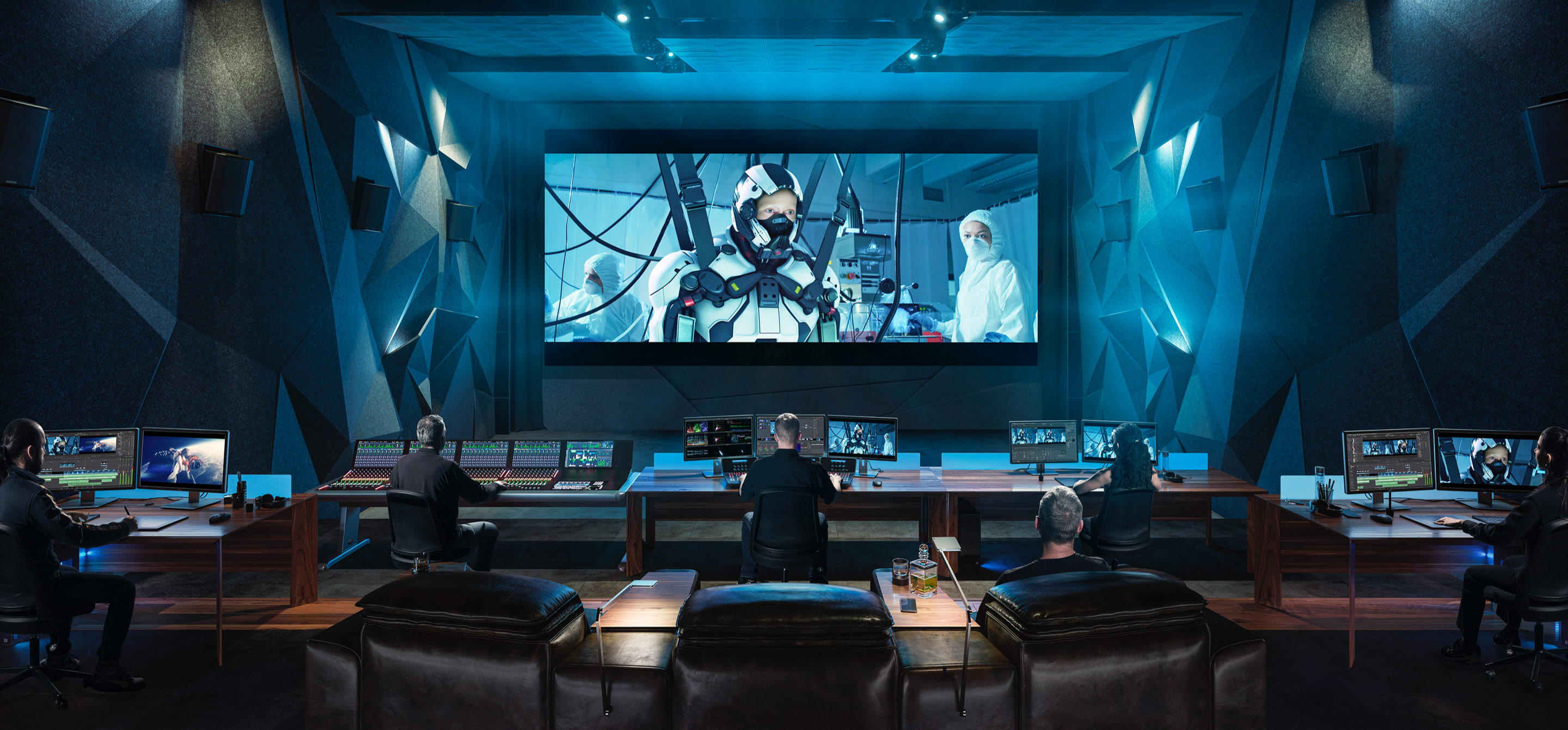
On the deliver side, Resolve now supports embedding HDR10+ metadata in QuickTime and MP4 exports. There is also better support for industry workflows via IMF for “HDR Vivid” and “Audio Vivid.” For creative work, effects like film look creator, film damage and analog damage now have alpha support (useful for overlay/compositing).
Under-the-hood fixes & performance gains
Noise reduction via Resolve FX has improved in performance. The update also resolves a range of issues: missing clip actions in subtitle-caption context menus, lag when using stacked timelines, timeline state not restored when switching back from edit, problems loading certain deep OpenEXR files, decode issues with compressed ARW clips, potential QuickTime hangs on Windows, remote-monitor startup issues, and more.
Note: OpenCL GPU mode is no longer supported on macOS in this release.
What remains: free vs Studio version
As with previous releases, the free version of Resolve 20.3 retains the same core processing engine as Studio. However, output is limited to Ultra HD or below, and on Windows and Linux platforms it only supports a single GPU. Advanced features like multiple GPUs, 4K+ output, motion blur effects, temporal/spatial noise reduction, AI tools, HDR, surround/immersive audio, multiple Resolve FX, 3D stereoscopic tools and remote rendering remain exclusive to Resolve Studio.
Project-compatibility warning
Project libraries remain compatible with version 19.1.4 so you can open older libraries. But projects created or edited in 20.3 will no longer open in 19.1.4. A full project-library backup and individual project backups are strongly recommended before upgrading. Users working in high-end post, VFX or HDR finishing will likely welcome the 32K support, improved metadata workflows and HDR10+ deliverability. As always, test the update on smaller projects first, especially if you rely on external GPU modes, deep codecs, custom metadata pipelines or mixed OS environments.
