



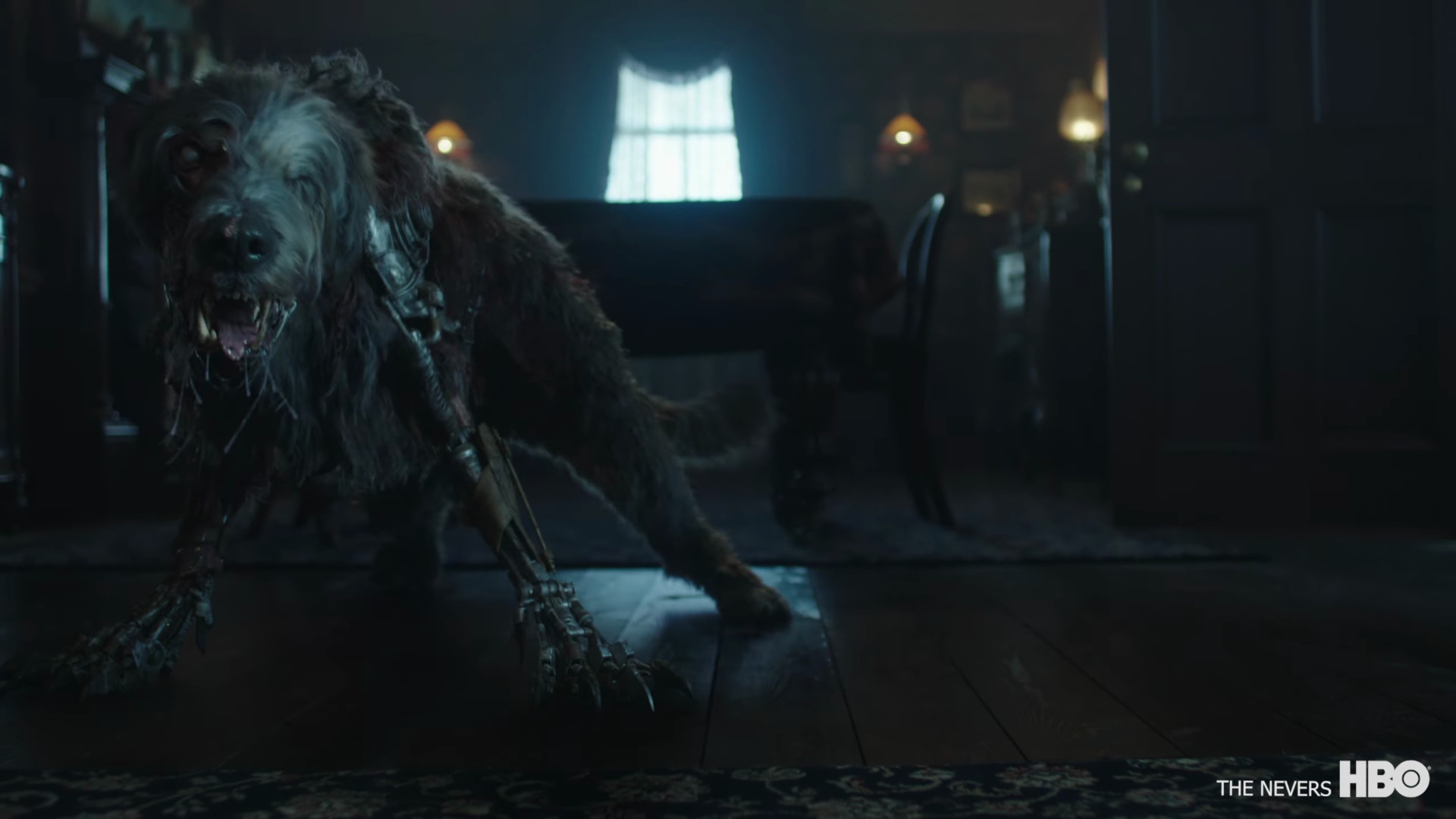
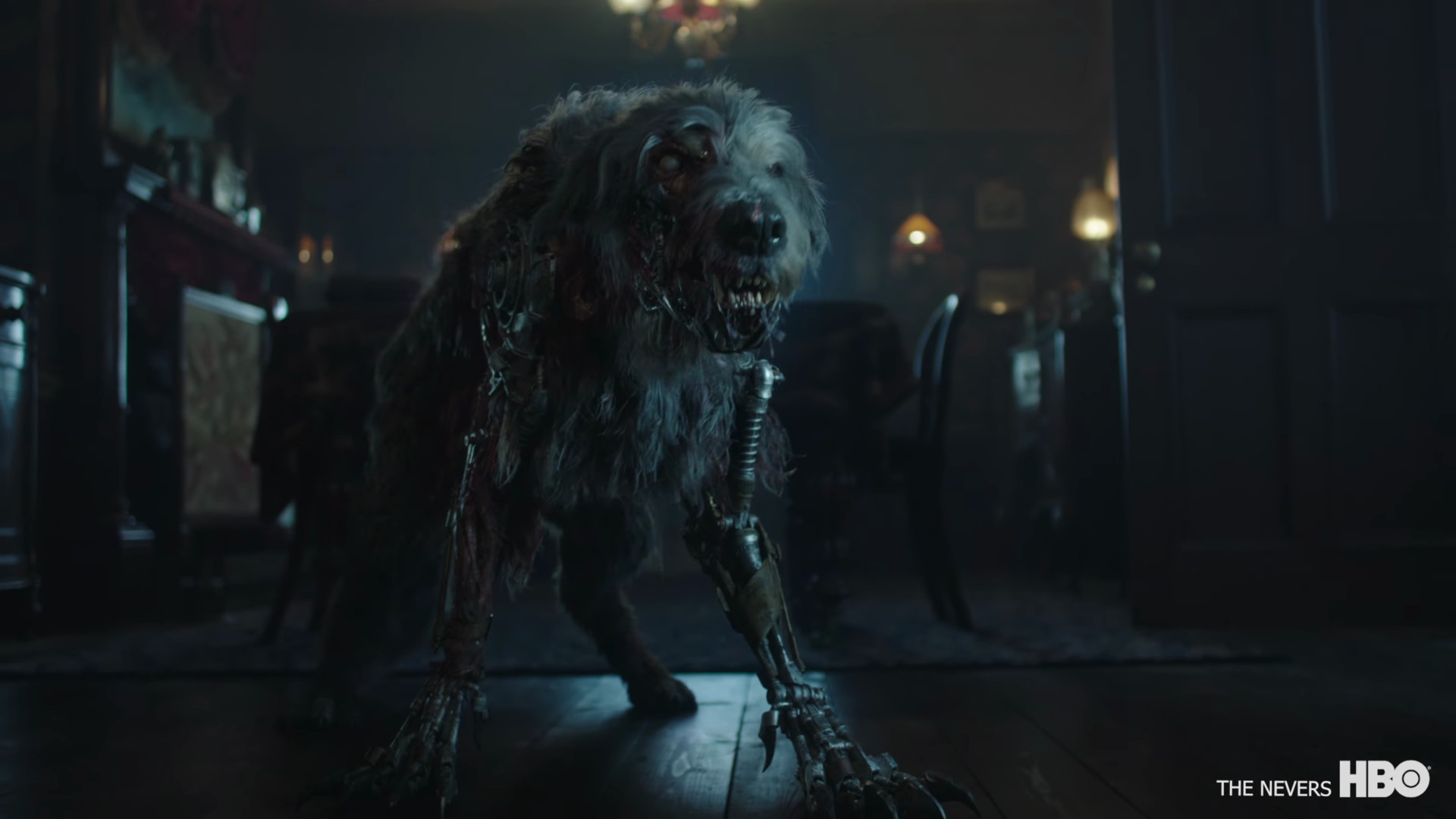
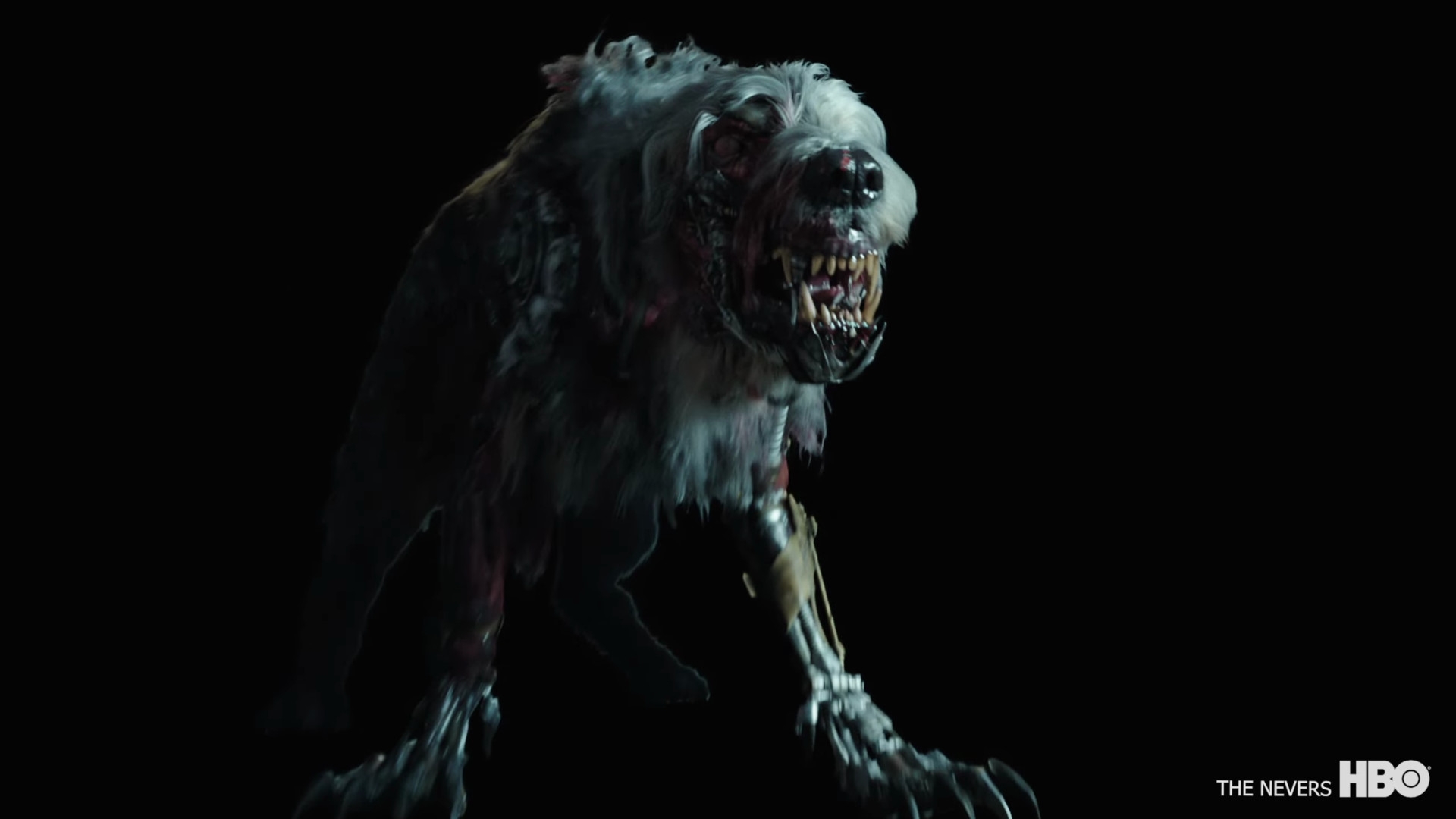
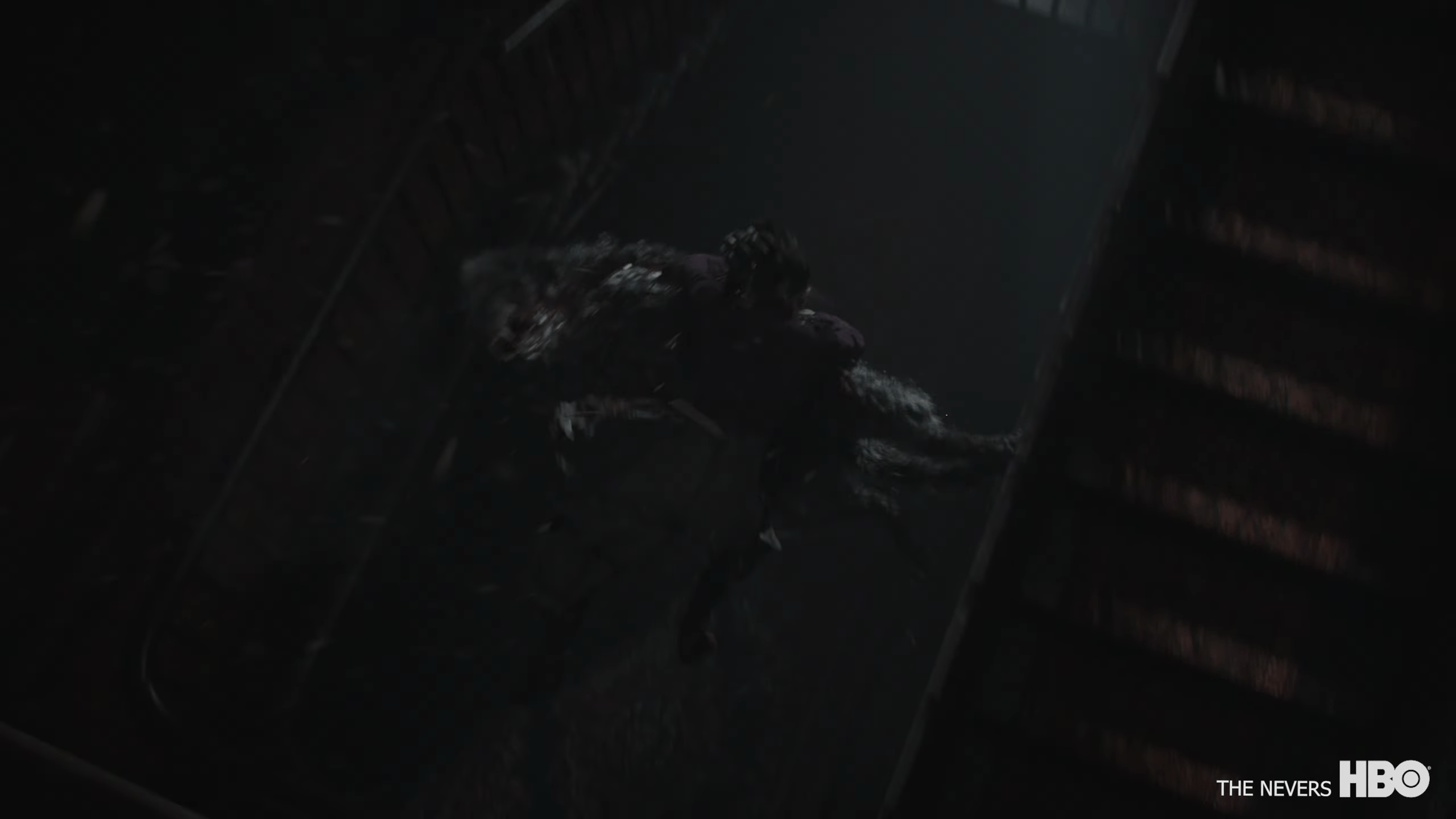
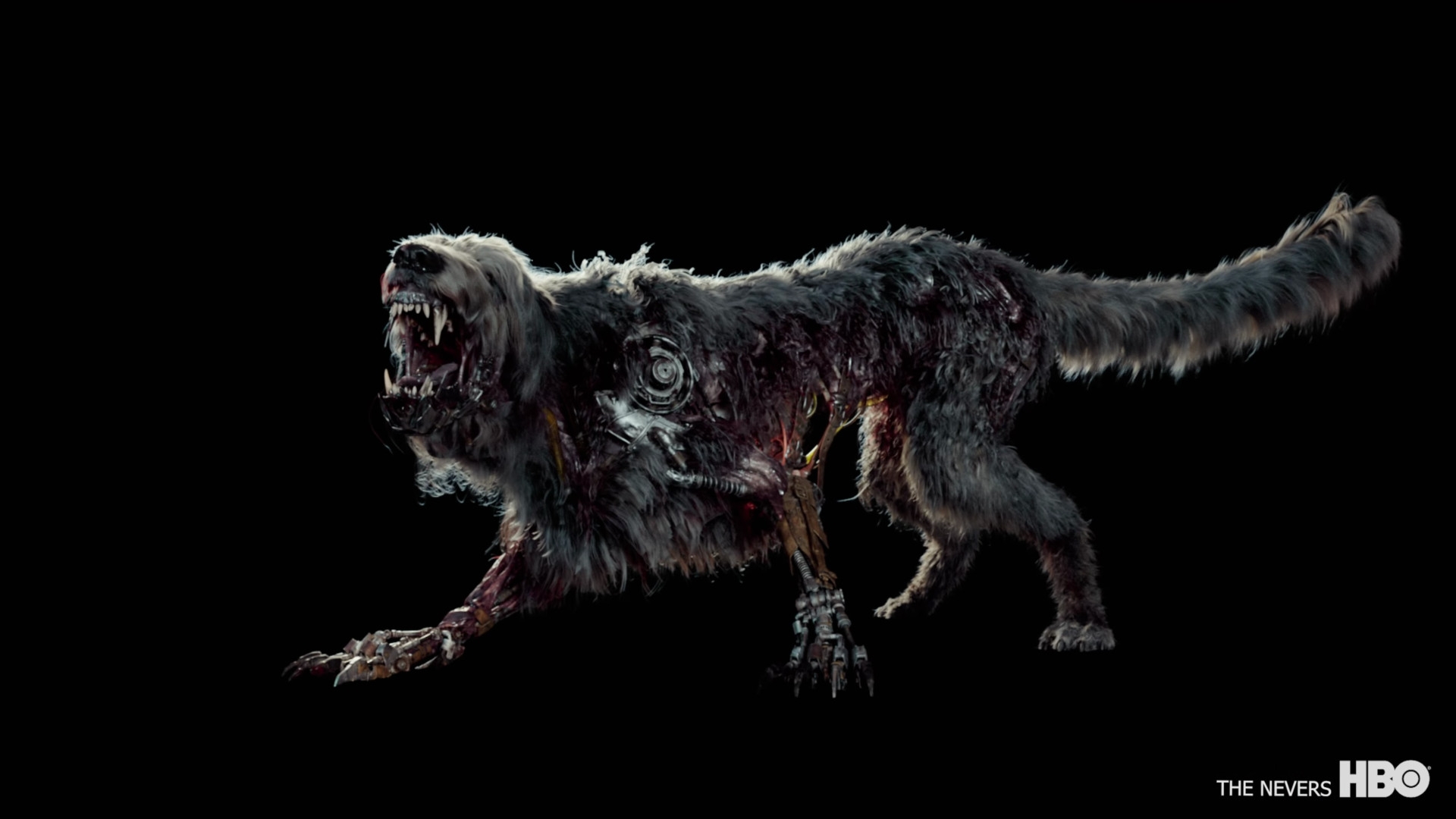
Turns out: The steampunk monster dog (called “Shock Dog”, presumably because of the shocking number of scratches on the floor!) was realised by Accenture Song(is.gd/accenture_song) – formerly Mackevision – in Stuttgart.

And about story spoilers: We don’t normally care, but “The Nevers” is really worth seeing, top-class visual steampunk, entertaining and a bit nasty. Currently available on Apple TV and Amazon.
DP: Hello Emanuel! How did you join “The Nevers”?
Emanuel Fuchs: Hello Bela! The opportunity to work on “The Nevers” first came up during FMX 2020 when Johnny Han (VFX Supervisor on the client side) visited us to find potential studios. After our first meeting, we received the scripts of the almost finished episodes, along with rough breakdowns, which served as a basis for our planning. As we progressed, we received storyboards and previz material, which we used to refine our proposals. Just a few months later, we were already fully involved in the project.
As the process progressed, it became clear that the production would have to be split into two parts due to the COVID-19 pandemic: Part A comprised episodes 1-6, followed by Part B with episodes 7-12. After successfully completing our work on Part 1 and even receiving an Emmy nomination for our involvement in Episode 3, we were involved early on in the planning for the second part.
A very special visual highlight was waiting to be brought to life: the Shock Dog. Our creative hearts were already beating faster during the first discussions with the client and it was clear to us from the outset that we not only wanted to bring this fascinating creature to the screen, but also had to “tame” it to a certain extent. The smooth collaboration so far and the trust that Johnny Han had in our team ultimately paved the way for the Shock Dog to find its home with us.
DP: And how big was the Accenture VFX team?
Emanuel Fuchs: About 50 artists worked on the project over the course of the project. The Shock Dog sequence was by far the biggest, with around 70 shots. Over the rest of the show, we worked on almost 240 shots.
DP: And what else did you do for The Nevers apart from the “Shock Dog”?
Emanuel Fuchs: In addition to the shock dog, there were other exciting sequences that we worked on. In episode 8, we exposed entire blocks of houses in Victorian London to an earthquake caused by the Galanti, tore up cobbled streets and caused church towers to collapse. In the remaining episodes, we also worked on various set extensions and realised different superpowers of the Touched Ones.
DP: You’d think this was the best research phase ever: playing with big dogs for a few days?
Emanuel Fuchs: Haha, yes, that was a really interesting time. That applied both to the look of the dog – which I’ll come back to later – and to the animation. During this phase, you practically become a dog expert and have your finger on the shutter of your mobile phone camera every time you go for a walk. Suddenly, TV programmes about dogs completing courses with their owners fill the evening programme, and every team member with their own four-legged friend becomes a dog trainer. In addition to our own research, we were lucky that Johnny and his team had cast an Irish wolfhound called Plunket especially for references. He was guided through the shots by his owner and was instrumental in helping us achieve realistic results, especially in lighting and shading – less so in movement. After all, Irish wolfhounds are rather cosy contemporaries.
For the animation of our shock dog, we therefore had to look for inspiration in more agile dog breeds. In addition, panthers or tigers, due to their larger mass, served as valuable references for the scale of our creature, and it took numerous iterations in the animation area to find the balance between aggressive, fast and fearsome movements and the inertia and weight due to the mechanical component.
Especially for specific movements, such as turning around and looking at the camera, we tried to train our team dogs by using treats or shouts as an incentive to get the perfect reference. In addition, videos of injured dogs with handicaps – horrible to watch and certainly not the best pastime – helped us enormously with the animation. The Shock Dog had lost some of its freedom of movement due to its master’s reconstruction.
DP: If we look at the “mechanical” parts: What were your references there?
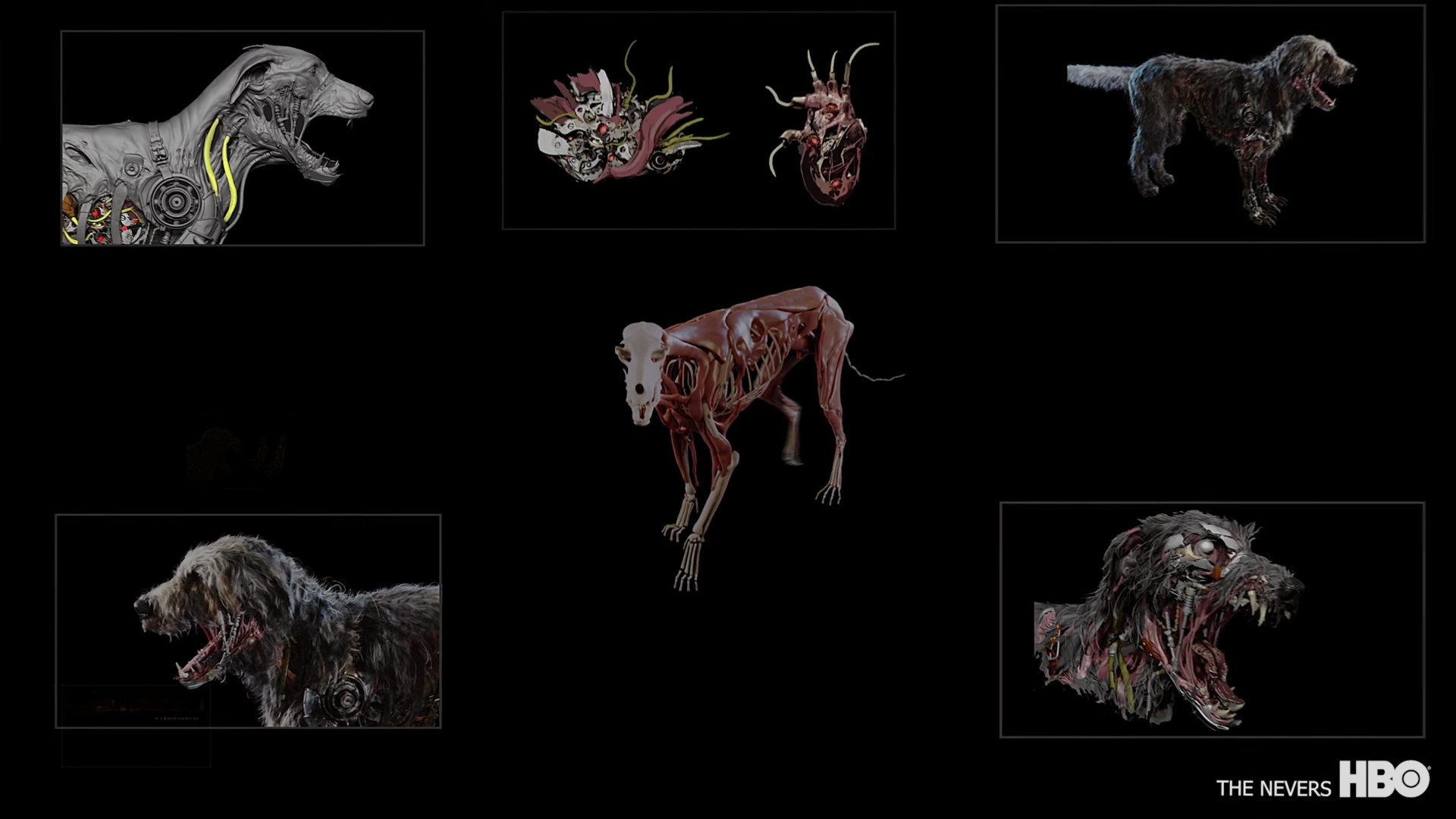
Emanuel Fuchs: The credible realisation of the mechanical part of the Shock Dog was one of the central criteria on Johnny’s list right from the start. With such a design, there is a risk that it can quickly appear arbitrary, as practically anything seems possible.
To avoid this risk, we went through an extensive concept phase where we consulted closely with Johnny and explored many different styles. A key requirement was to ensure that the mechanical part was in keeping with the Victorian period and appeared handmade, as Dr Hague had ‘rebuilt’ the dog himself.
It was also important to ensure that all parts were functional and not just randomly assembled details. Every cogwheel, every hose, every hinge had to fulfil a purpose.
Based on these cornerstones, we then combined a variety of references, including medical cutlery such as scalpels, cogwheels from the first machines of that era, leather straps and old bicycle parts from the 1900s.
DP: The “composite” look: what else was needed?
Emanuel Fuchs: Due to the hybrid nature of the dog, there were various requirements for our approach, especially with regard to the limited time available. It would not have been possible to complete the design phase and only continue with rigging, animation etc. after the look had been approved.
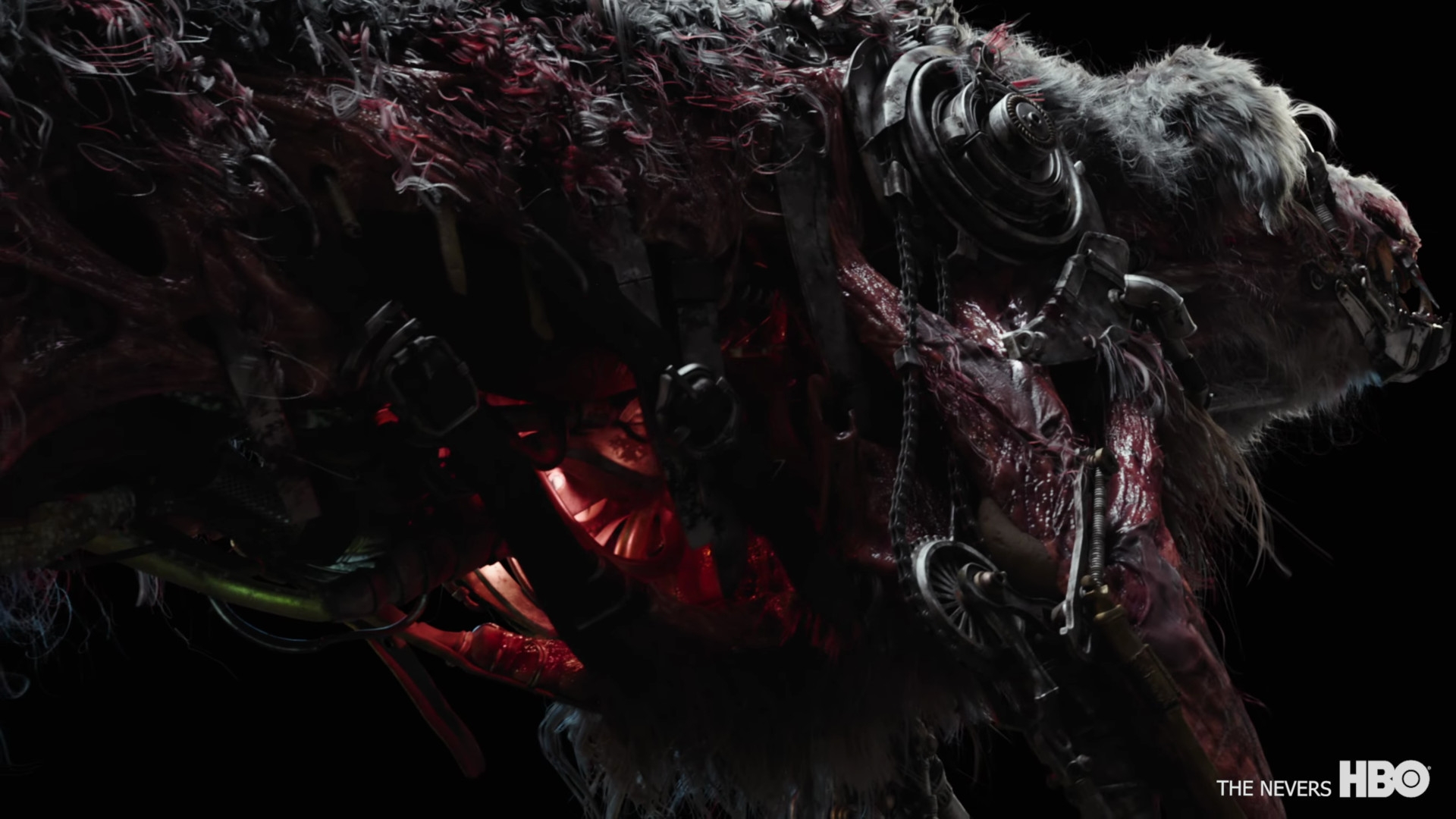
We therefore opted for a dynamic process in which the rig was scripted based on Plunket, the set dog, while the mechanical part was added modularly. This allowed us to start early with the layout and initial animations while continuously integrating interesting mechanical elements as they evolved. For example, the paws were kept in the process for a very long time without a final design, as was the glowing, mechanical cogwheel heart, which was only added much later when we were already in the middle of the shot work.
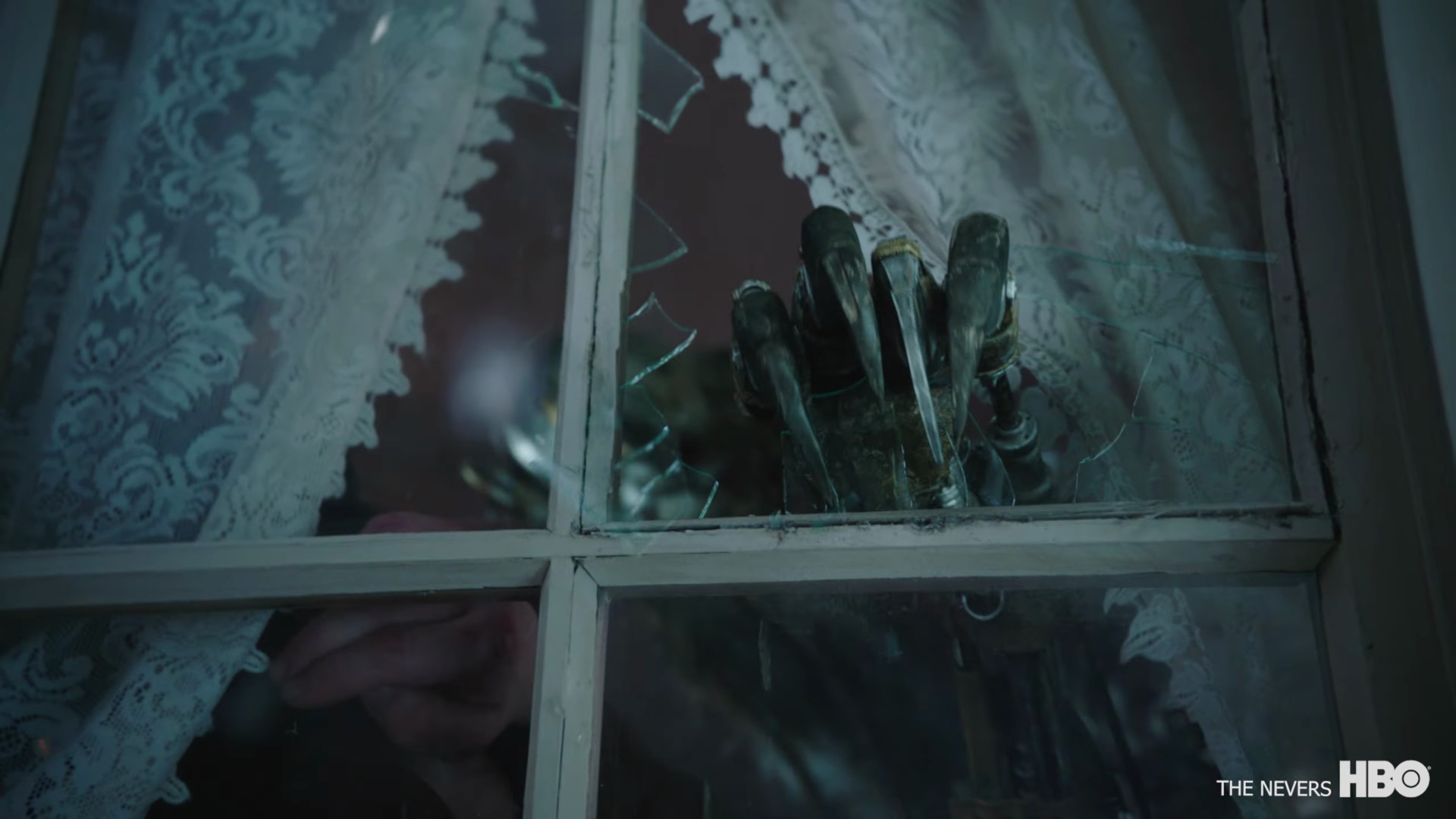
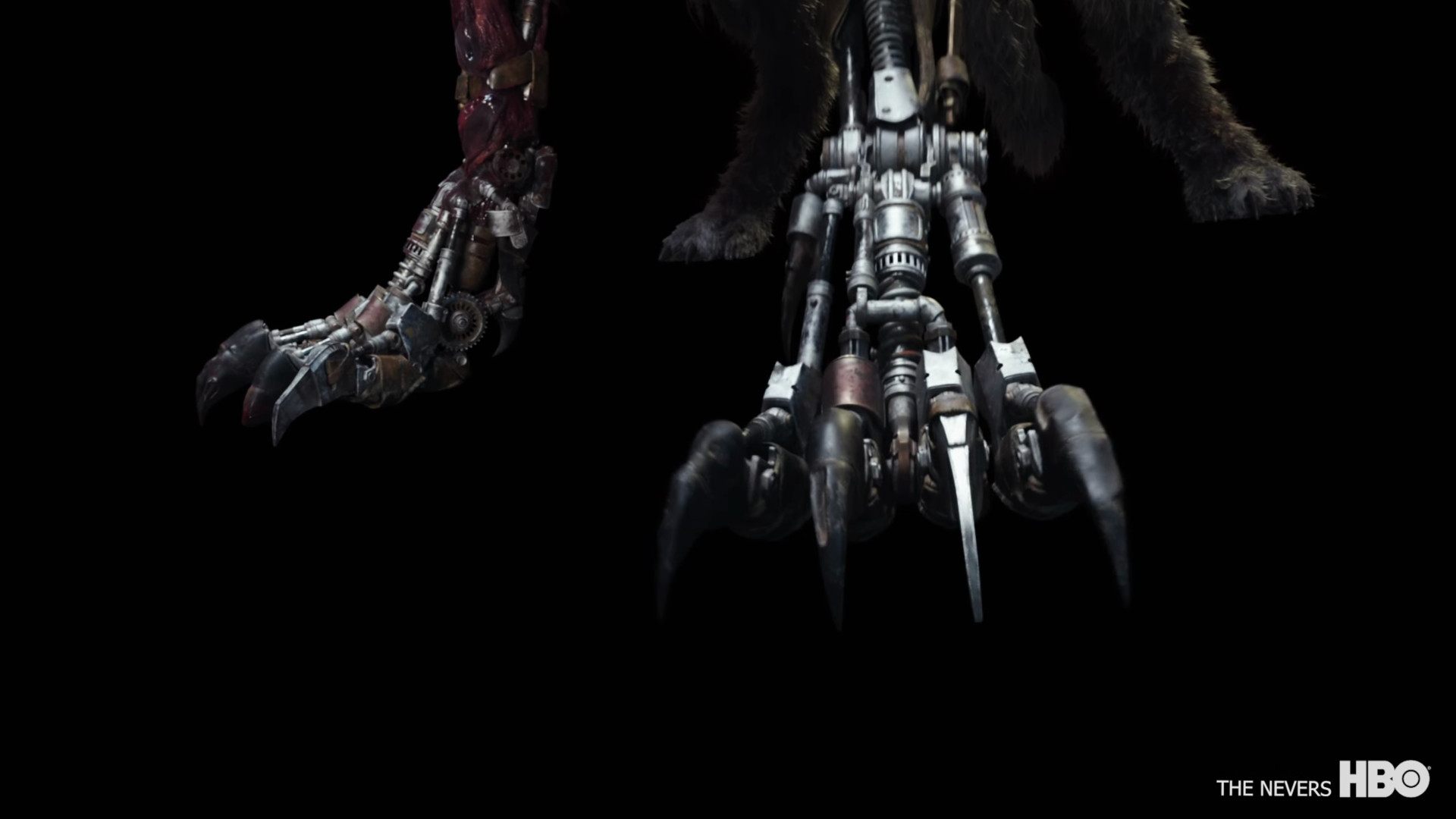
A close exchange between modelling and rigging was required to ensure that the mechanical components also functioned in motion. In the left front leg, for example, the joint positions had to deviate from the correct anatomy due to the mechanics. This led to a change in the range of movement, which we subtly emphasised in the animation by giving the dog a slight limp.
DP: How many iterations were necessary before everyone was satisfied, and which parts of the Killer Floof evolved?
Emanuel Fuchs: We received an initial concept from the client in which the dog breed was already defined. The Irish Wolfhound, one of the larger dogs with a good balance between dangerous, large wolf and friendly family pet, formed the ideal basis for the Shock Dog.
The backstory of the four-legged friend was crucial to the design: Dr Hague wanted to save the family member from death and so embarked on what was undoubtedly a painful endeavour, which was to be reflected in the character of the Shock Dog. This is why, for example, the Shock Dog has a “loving” and an “evil” side. Initially, its left half is mainly visible, while later the right half appears predominantly, leaving little sympathy for the animal.
The paws mentioned above were another aspect that developed and changed during the process. At times, spider-like shapes were envisaged for the arrangement of the claws in the design, but these were then discarded due to the movement and requirements in certain shots.
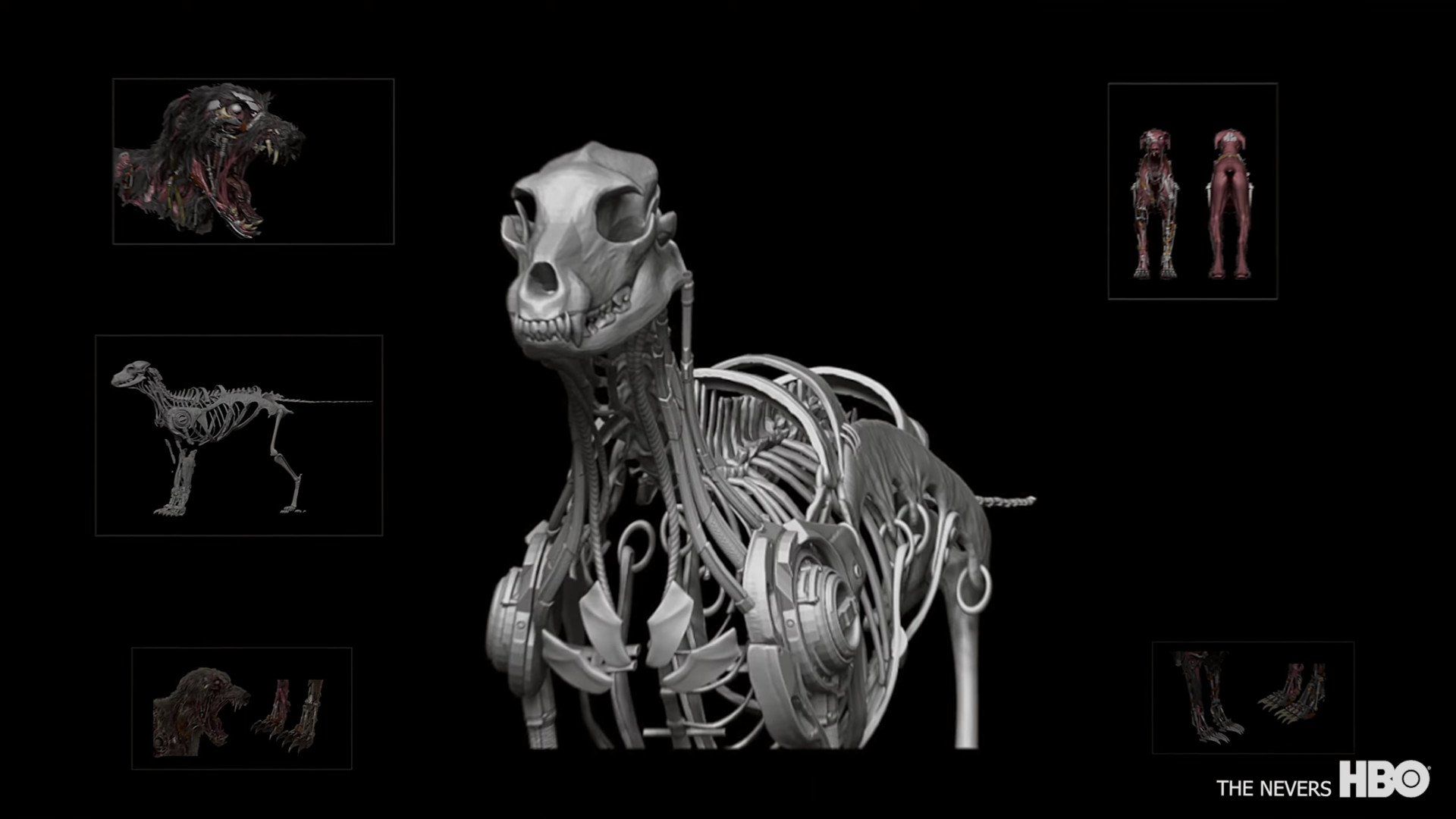
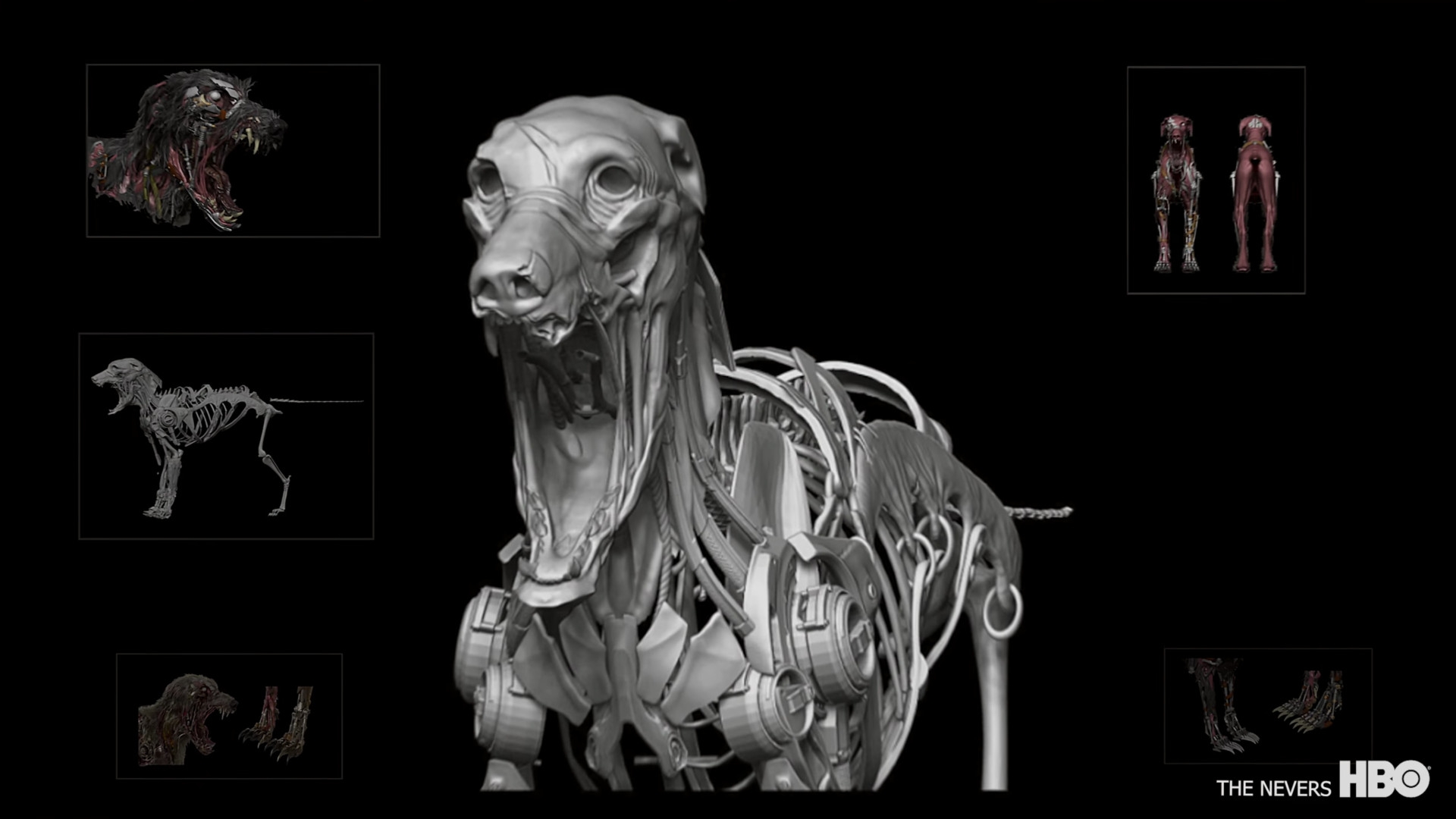
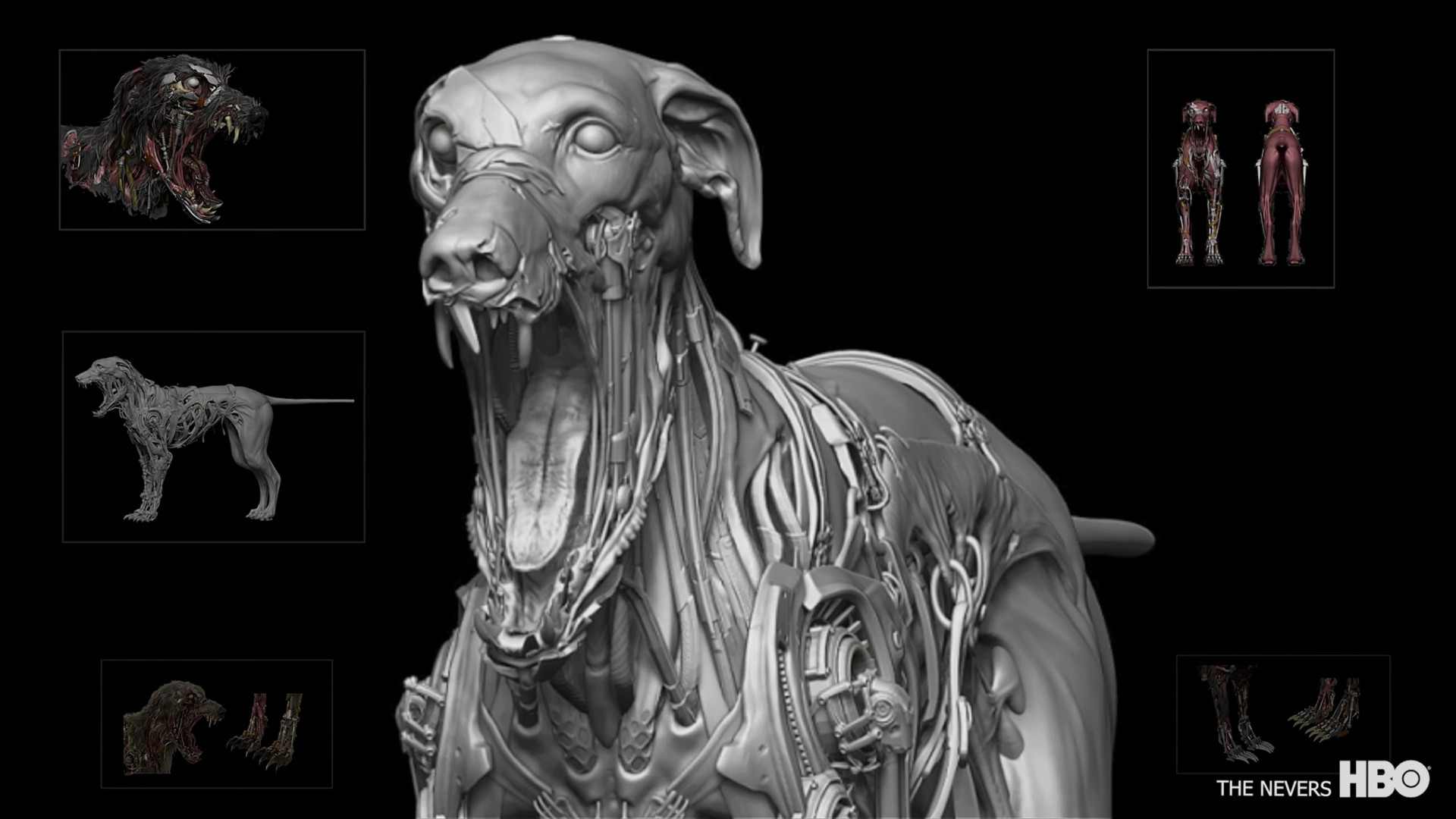
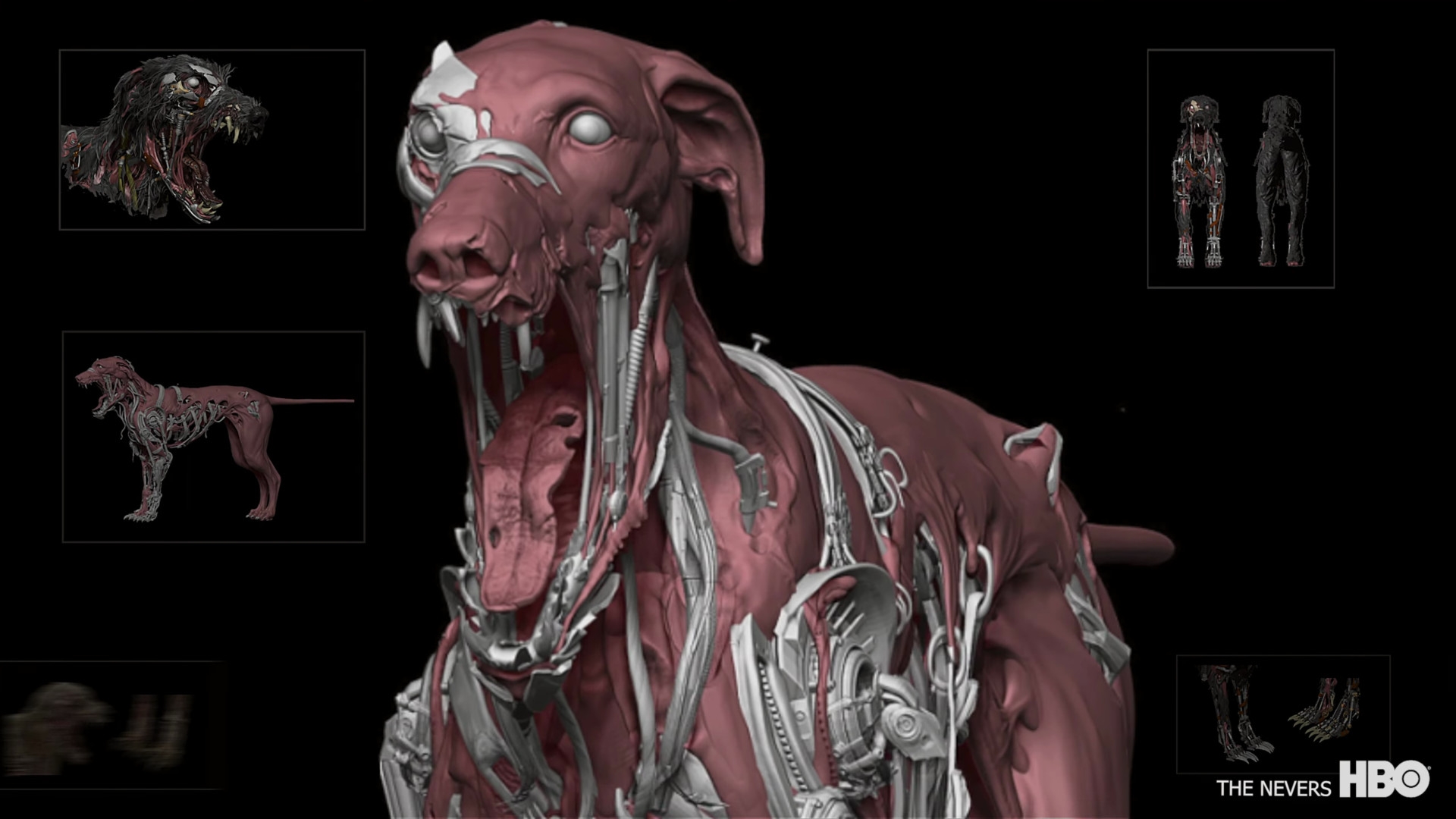
The precise coordination of all elements required numerous iterations in almost all trades, from modelling to fur to shading. It is difficult to give an exact number due to the many departments and “sub-tasks” involved. However, the latest Shock Dog Shading asset, in which all intermediate steps flow together, definitely has a three-digit version number ;-)
DP: What did the plates from the set look like?
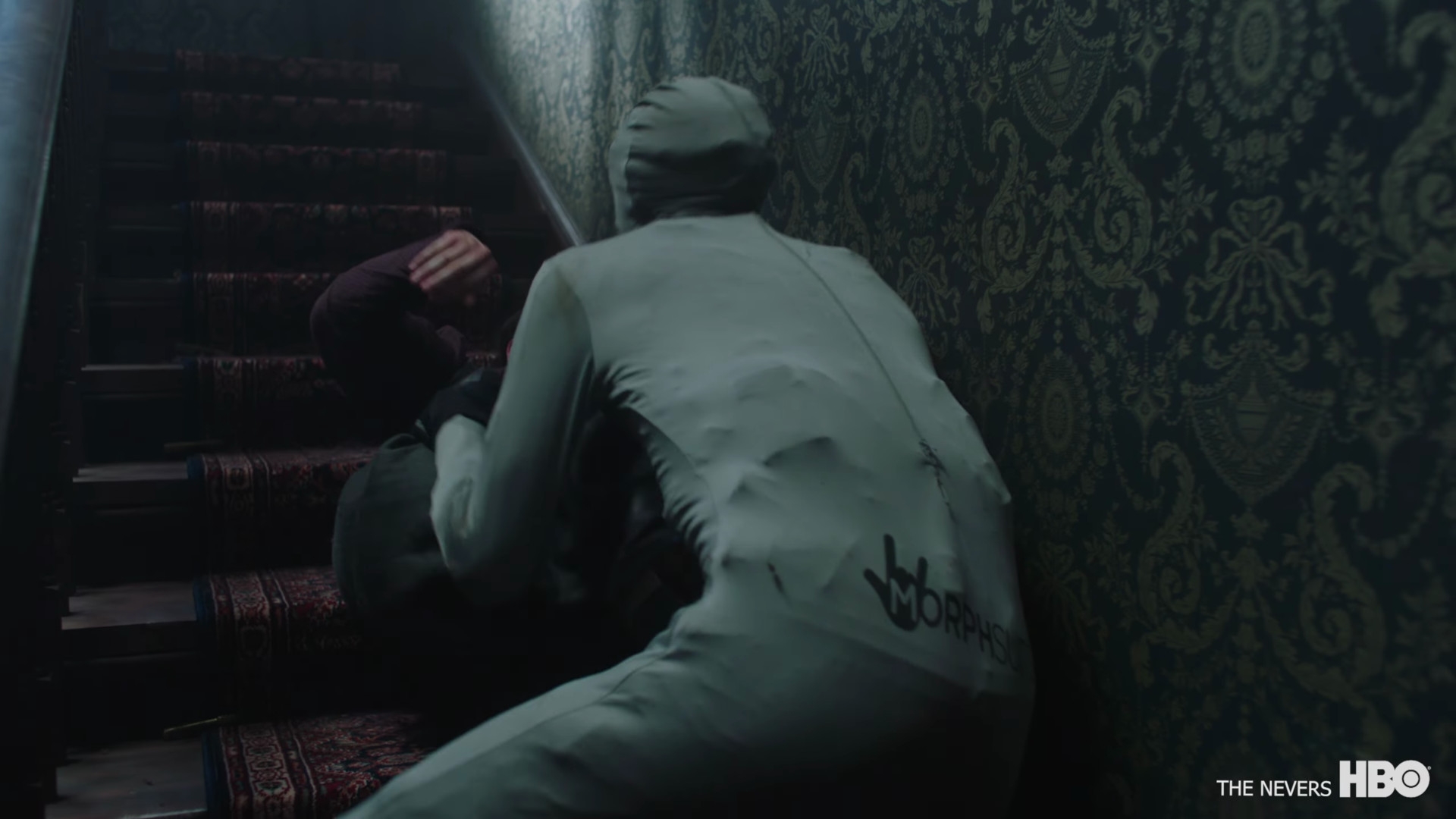
Emanuel Fuchs: The plates and additional data from the set were fantastic! Unfortunately, you don’t get such a wealth of material in this form very often – kudos to Johnny and his team at this point. Of course we had the A-Plate with the actresses and Kai (the stuntman in the grey suit and mocap suit underneath).
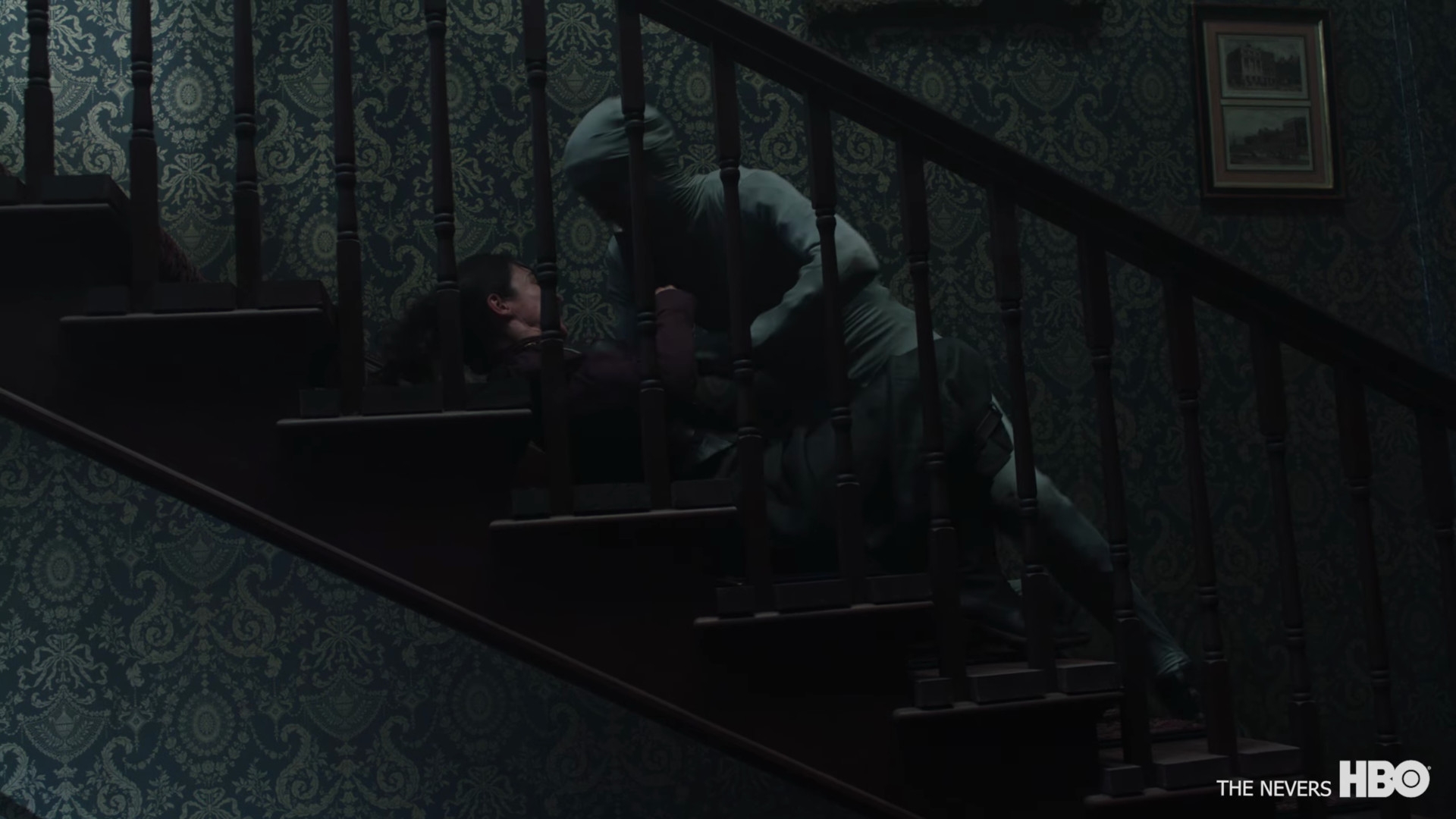
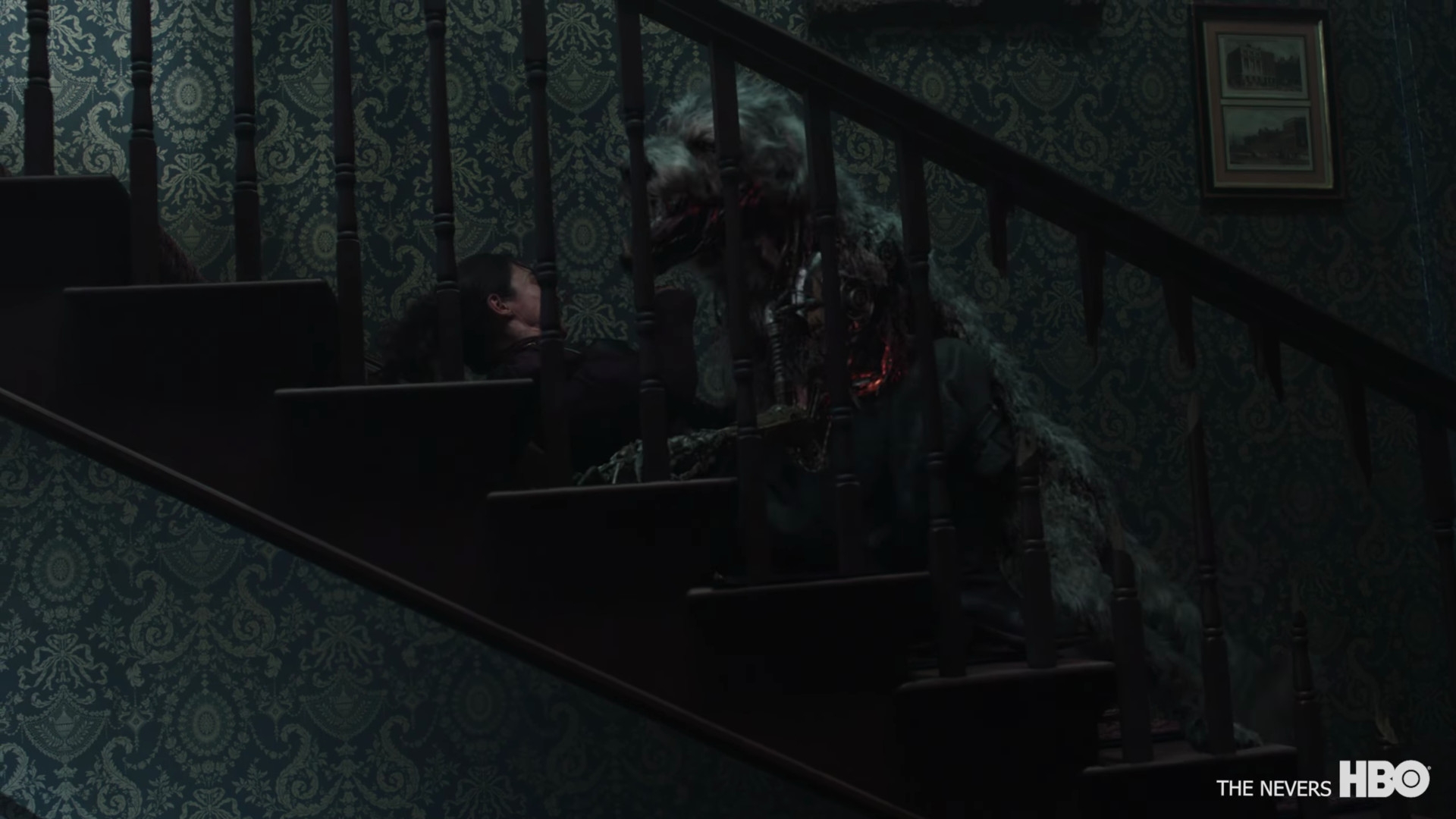
We used these whenever possible, as Amalia’s (Laura Donelli) interaction with Kai was “real” and we didn’t have to fight the “actor reacts to thin air” phenomenon. However, since Kai had to be replaced by the shock dog and therefore often covered a lot of the background or Amalia, and the dog could not be placed 100 per cent over Kai, a lot of clean-up work was necessary. If I remember correctly, we nevertheless accepted this effort for all shots – except for one – in order to achieve better interaction. For the cleanup process, there was of course a cleanplate for each A-plate.
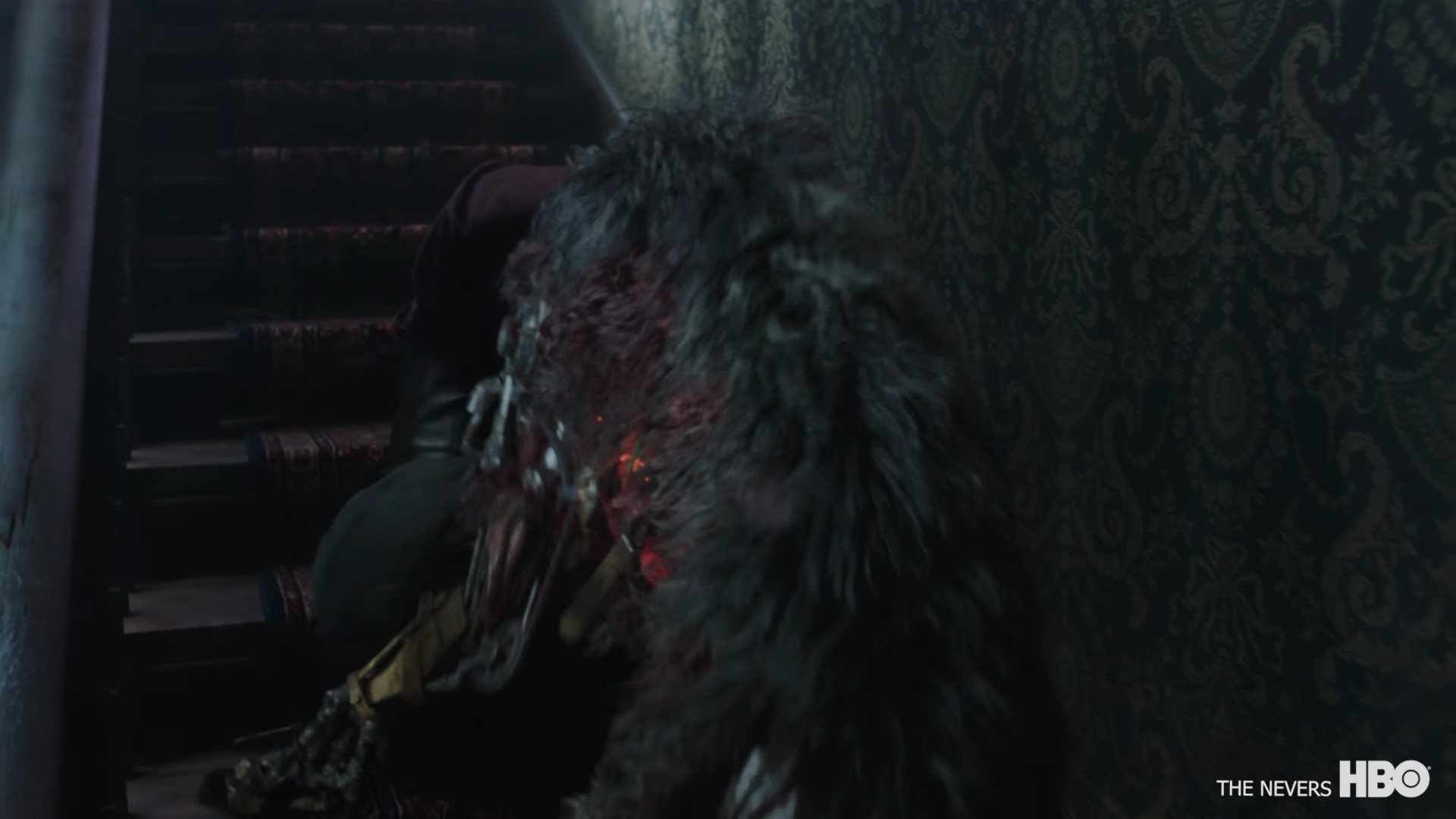
In addition, we had a pass with Plunket, which was guided through the same positions as Kai, as well as Chrome, Grey, Fur and “Bling-Bling” Balls (various metal surfaces for shading reference), which all tracked all of Kai’s positions. These helped us immensely when lighting the shots as we could compare how real fur or copper, for example, behaved in the set light and adjust our CG accordingly. There was also a glow chart with LEDs in different brightness levels, which we used to precisely adjust glows, flares and also the chromatic aberration in Comp for the CG components.
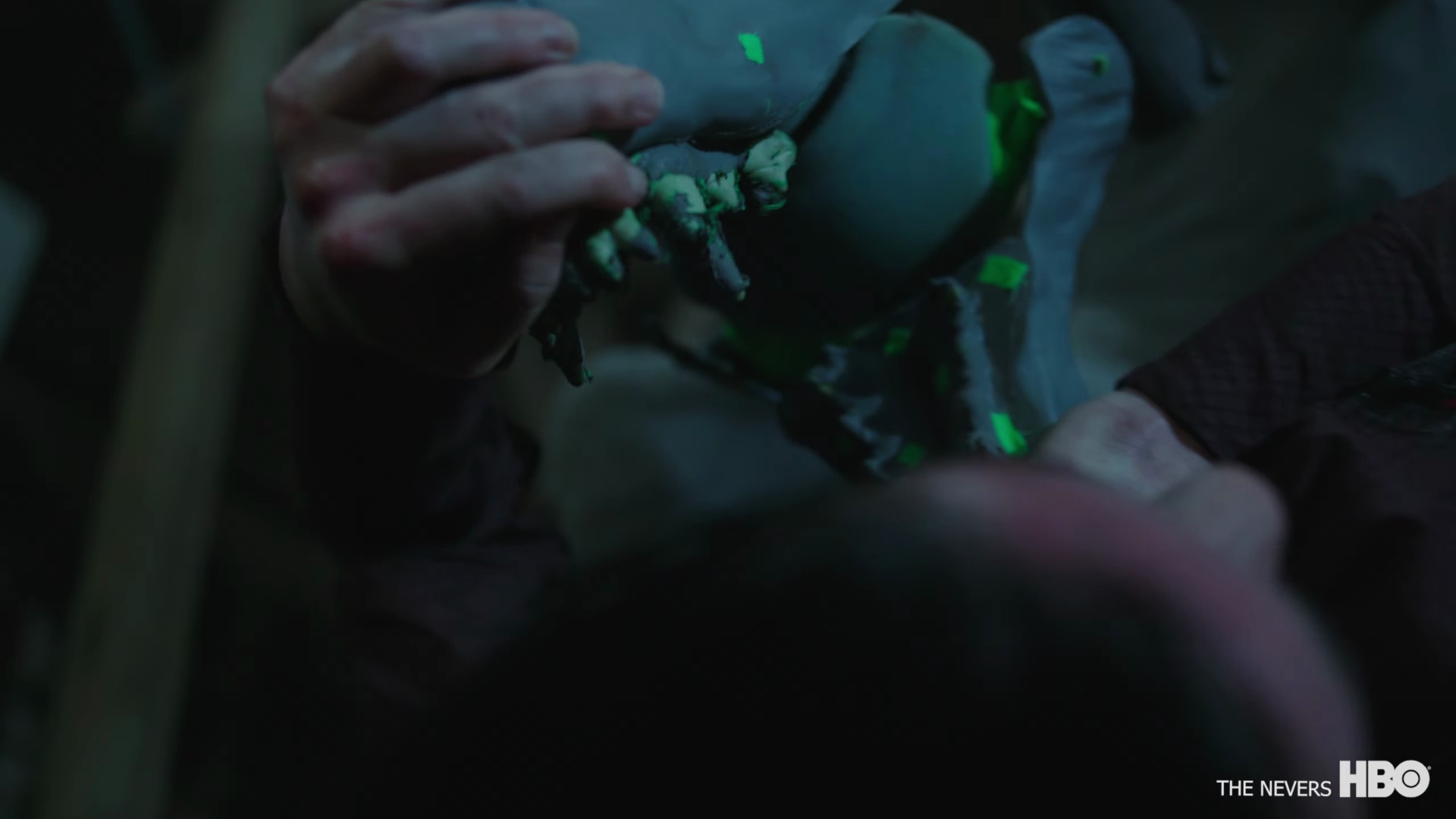
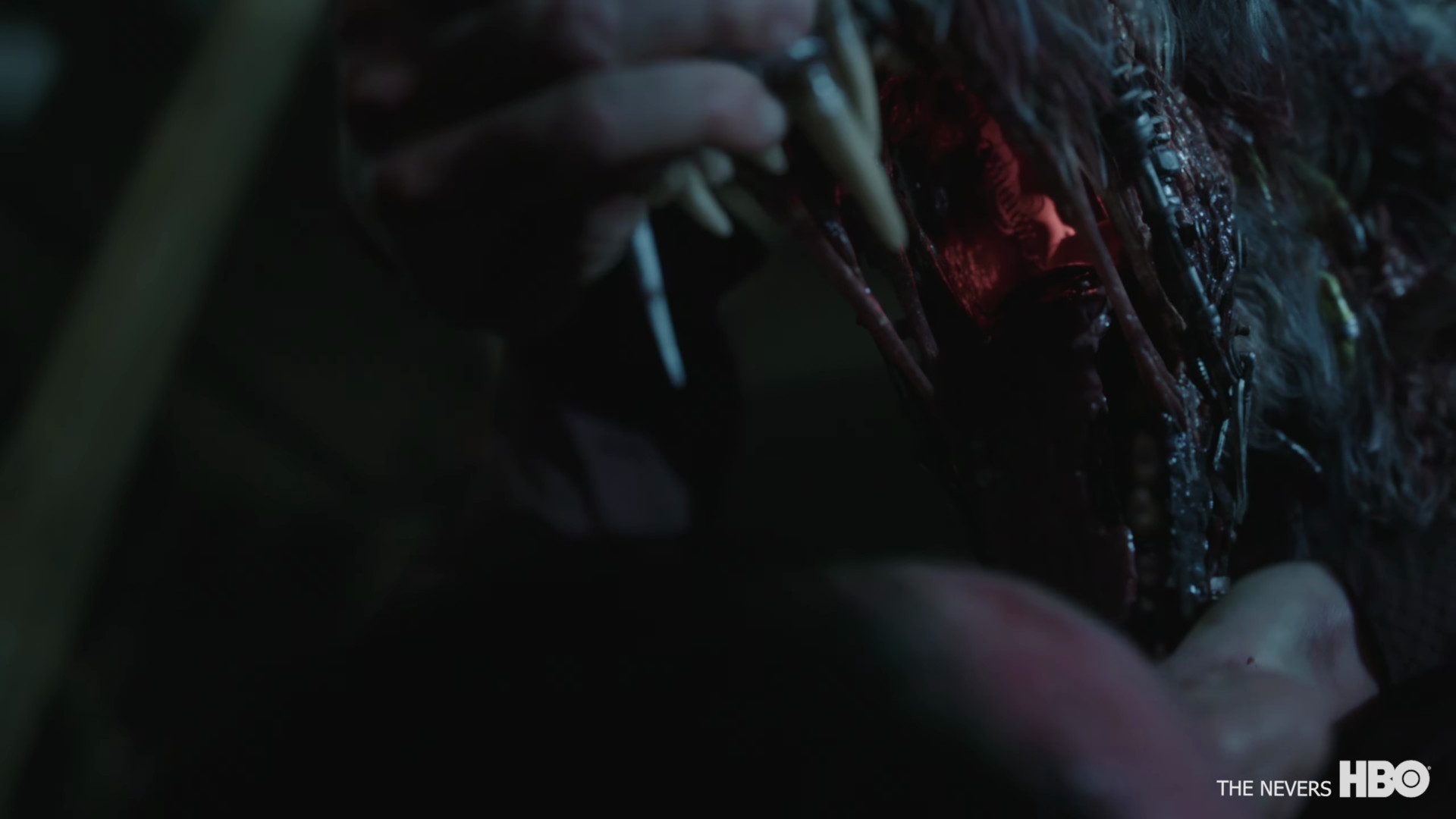
For the right interaction, there was a special prop that allowed Laura to firmly grip the jaw of the beast. Lidar scans and texture photos of the whole Hague House environment helped us to prepare the rooms perfectly for lighting. The latter was very complex, as there were many light sources both in the room and from outside through the windows, which resulted in a relatively large variance in illumination – especially when the dog travelled longer distances in the room and thus ran through different lighting scenarios.
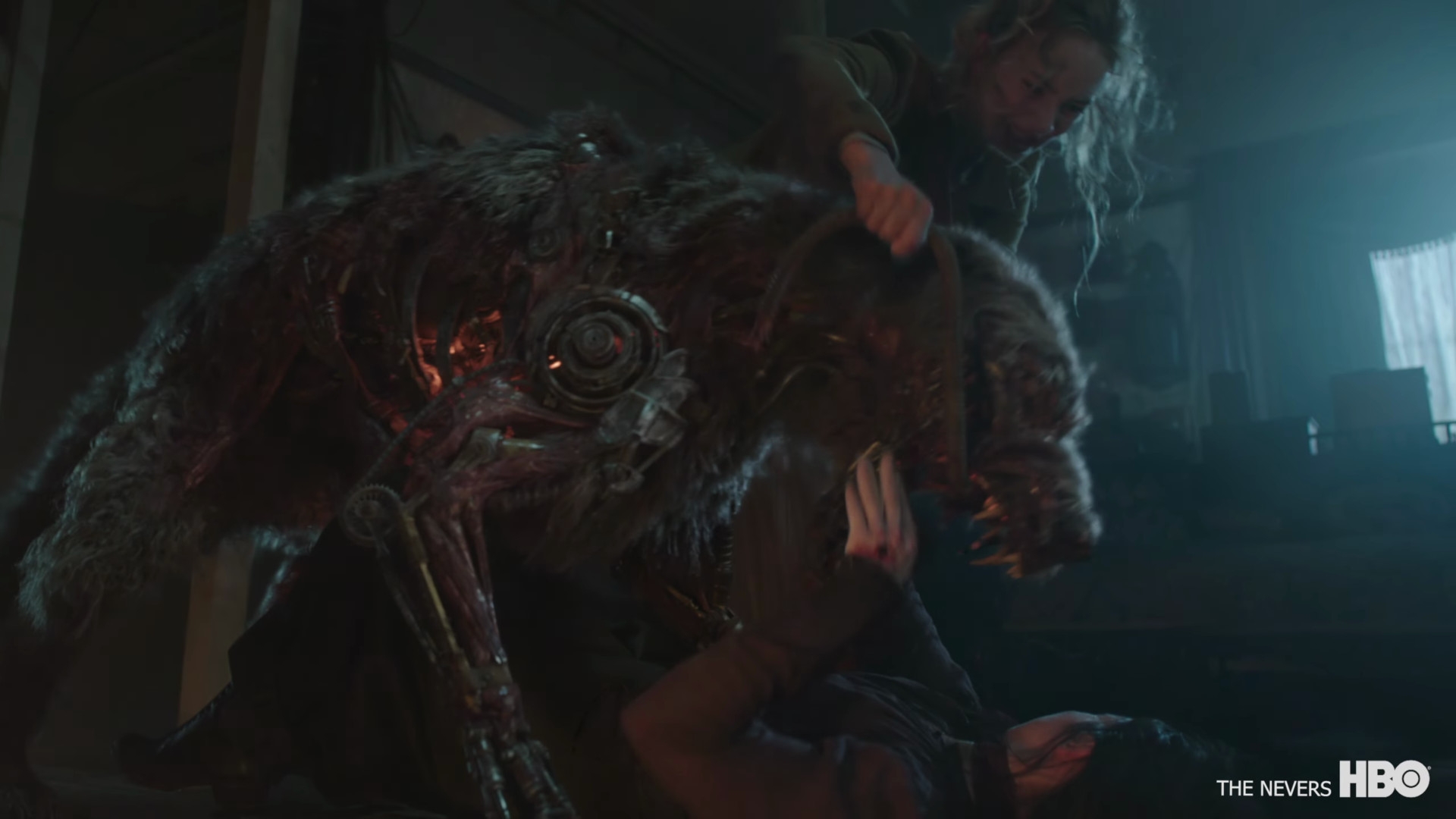
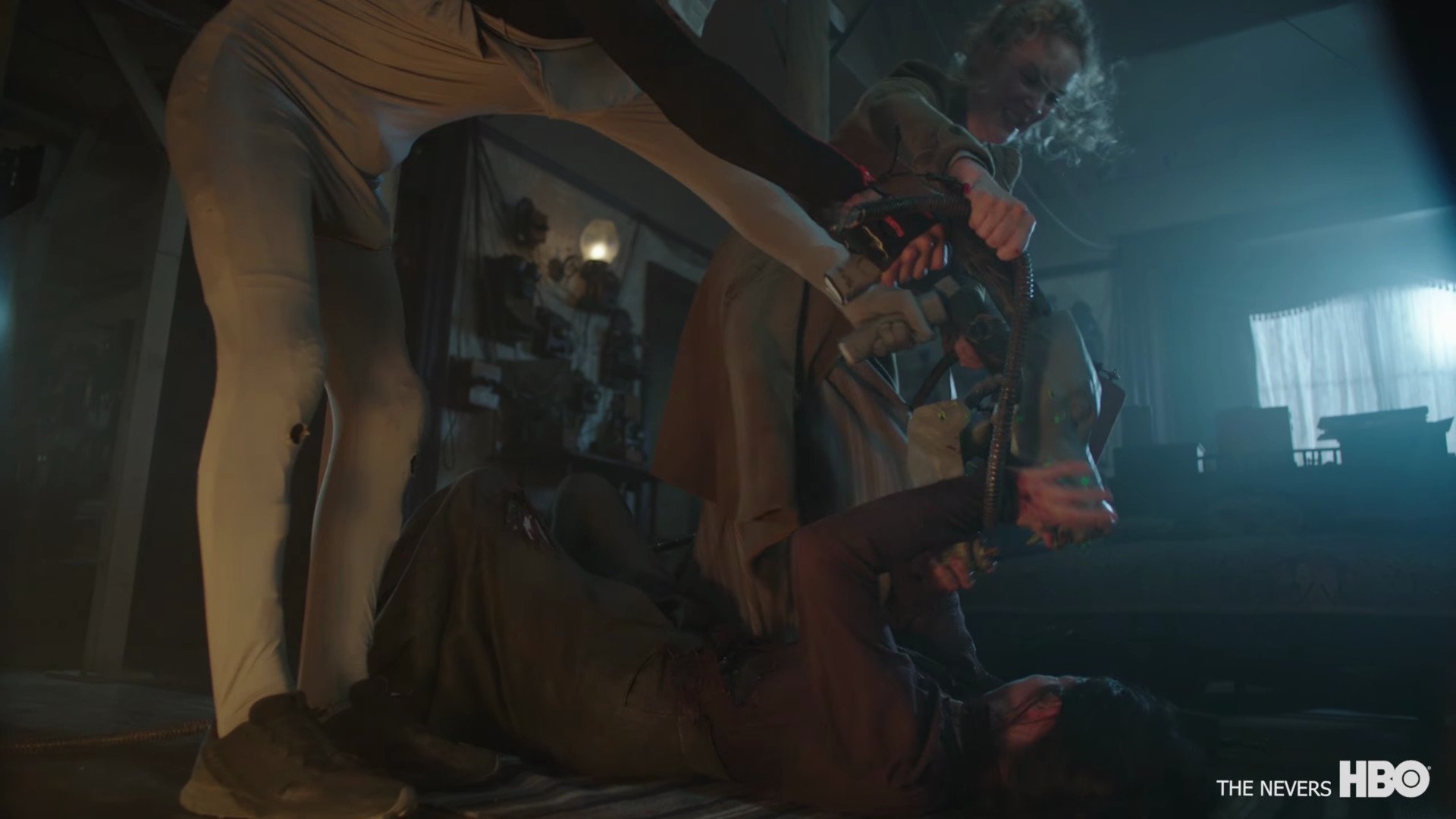
For the lighting, we built the complete Hague House including textures and rough shading using the Lidar data and HDRIs/photos. HDRIs were projected onto the digital light sources, which gave us the correct brightness and colours. We also added handles to props, some of which were shifted on set, so that our lights could match the respective plates exactly. Of course, the same also applied to the light. The first step was to set up and light all the scenes with a purely grey proxy dog in order to get as close as possible to the plate with the grey stuntman. Only in the next step was the actual shock dog asset added and any creative beauty adjustments made to the lights.
DP: How did you get started? What does the pipeline look like?
Emanuel Fuchs: The rigging and animation were done in Maya. We simulated muscles, fat and skin in Ziva VFX for Maya. Then we did the further processing in Houdini, where not only our FX are created, but also the entire scene assembly, shading, lighting and rendering take place. The latter took place in Renderman for Shock Dog. The compositing was done classically with Nuke.
DP: And do you have any new things in your toolbox?
Emanuel Fuchs: In a way, Renderman was a test run for Shock Dog. As a comparatively small and agile team, we regularly put our approaches to the test and experiment with new tools to test their suitability for our team and various use cases. Unfortunately, we were a little too early with the project, as the now improved Renderman Denoiser could have shortened our render times.
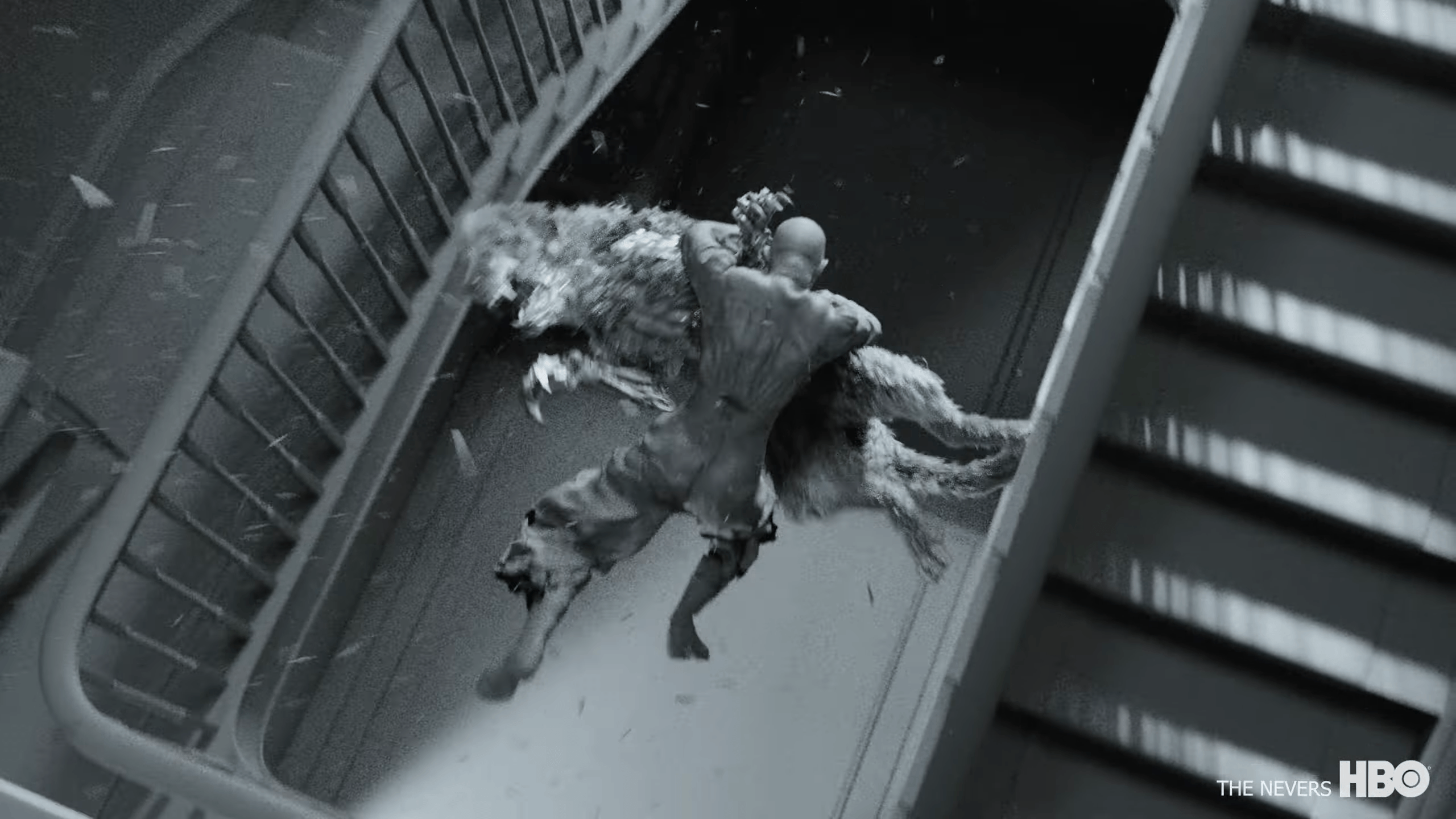
We also had to expand our own bag of tricks. For example, with regard to fur. The collision of the fur with the fine parts of the mechanics demanded a lot of thought from our FX people. I remember one or two late-night sessions with our FX supervisor at the time, in which we had to rewrite the transfer from simulated guides to the actual fur and tailor Houdini’s on-board tools to our requirements.
We also brought the muscles that were ultimately simulated in Ziva to Houdini in a test and simulated them there. For the Shock Dog it remained a test, but in future the journey will continue towards Houdini. This opens up a wide range of new possibilities, as all components can interact with each other and don’t necessarily have to run sequentially.
DP: As it was quite a long sequence, what was your favourite shot?
Emanuel Fuchs: It’s difficult for me to name a single favourite shot given the large number of them. But if I had to name one, I would choose the moment when the Shock Dog comes in the door on the upper floor, after the stair sequence – that’s definitely one of my favourites. The scuffle on the floor when Amalia lies under the dog and uses all her strength to prise the beast’s mouth off her is also high on my list. Bringing the pressure and weight believably into the animation, fingers gripping the fur, spit dripping onto Amalia’s face – that was also a lot of fun to realise!
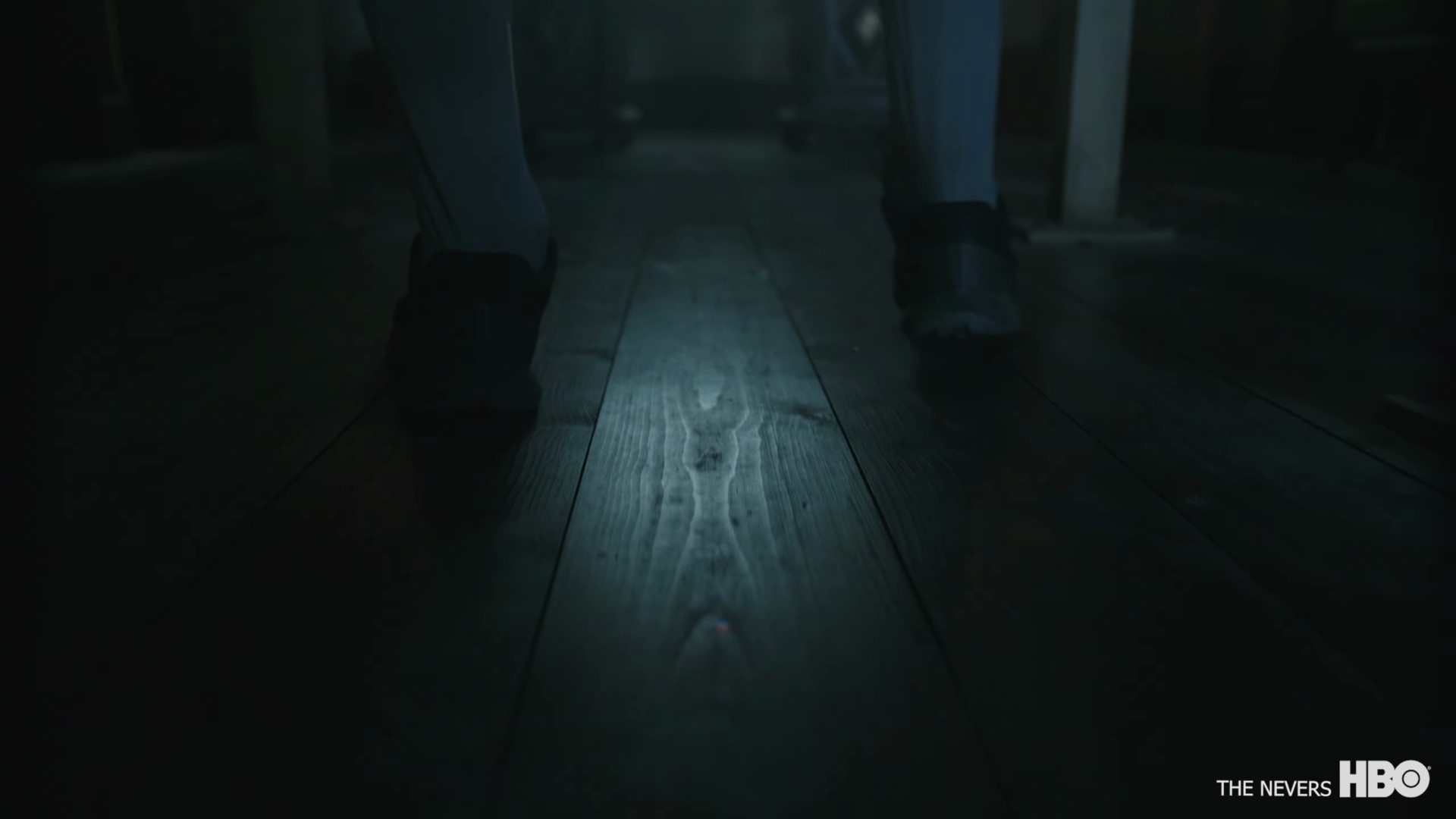
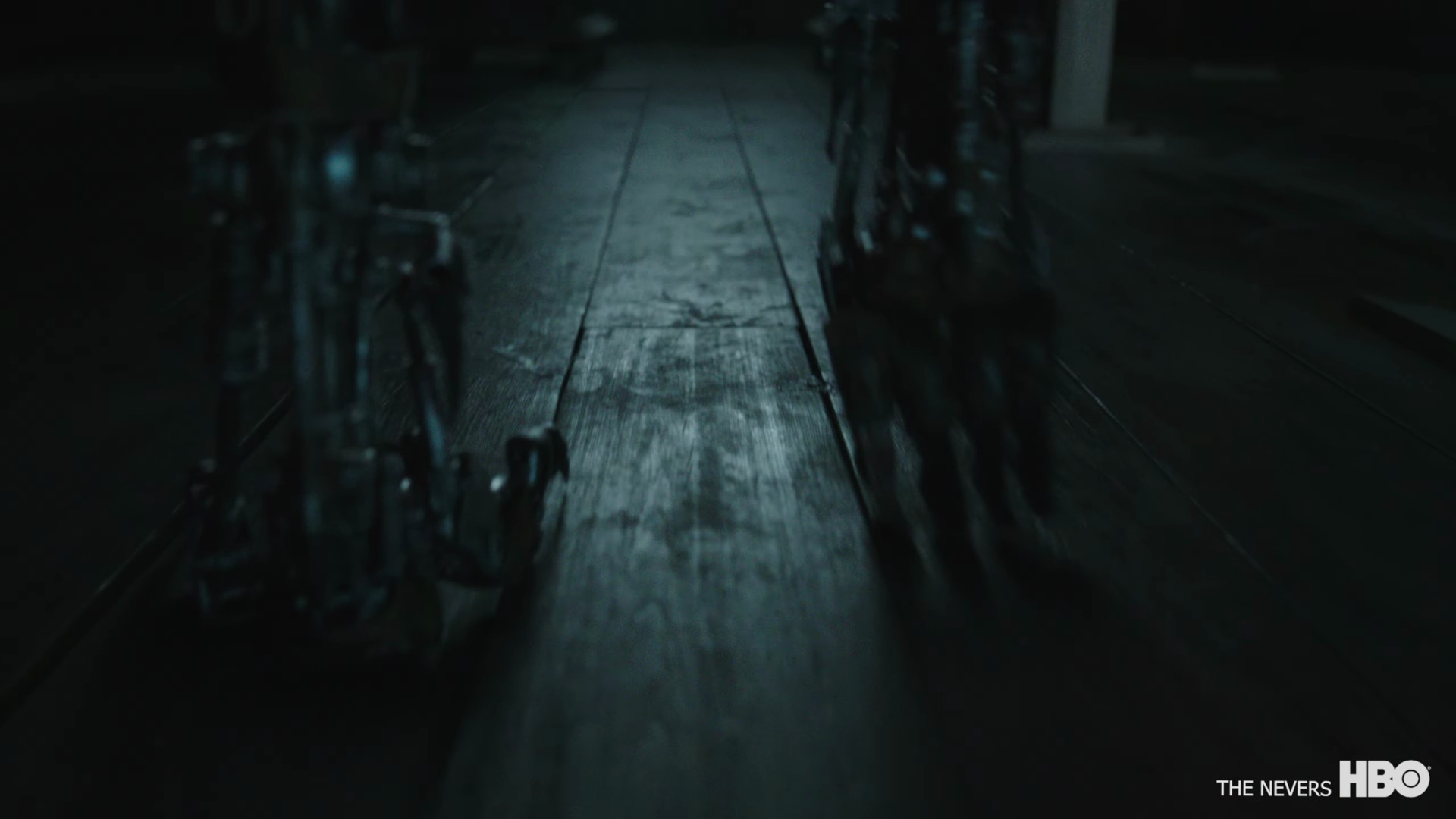
But even a comparatively “insignificant” shot such as the one where the camera is just above the ground and you can only see the paws running through the picture. The sequence was already relatively far advanced when we looked at it again as a group and thought about where there was still room for improvement. The idea came up that the floorboards could bend a little. No sooner said than done. Then some dripping lubricant or saliva. All these fine details make it believable in the end.
DP: If you were to start all over again: What would you do differently?
Emanuel Fuchs: There are always many points, of course. To name a somewhat larger topic: We are planning to move CFX completely to Houdini in the future. We have lost some efficiency by having to go to Maya after the animation by Ziva. However, certain components were already simulated in Houdini, which ideally should have had an influence on the muscles and skin, and there are now also better approaches to simulating the final groom without losing the look and feel of the hair.
DP: It’s been a while since The Nevers – Coronoachaos – what have you done since then?
Emanuel Fuchs: I’ve taken care of the next generation in the industry :D My little daughter has been turning our everyday lives upside down ever since. Haha! At work, after The Nevers 1B, I made a short stopover at Glass Onion – a Knives Out Mystery before the big Avatar: The Last Airbender journey began for me. The series was recently released on Netflix on 22/02/2024. As we all know, after the project is before the project, so the next one is already waiting in the wings. But I’m not allowed to talk about it yet. Something with a villain ;-)
Meanwhile, Accenture Song VFX was still working on Shadow and Bone Season 2, Foundation Season 2, Stranger Things Season 4, Girl You Know it’s True, Blood and Gold and Barbarians, as well as a few other projects that fall under NDA.
Supervisor and Head Of’s for the Shock Dog
Emanuel Fuchs: VFX Supervisor Gus Martinez: Associate VFX Supervisor Iggy Rau: VFX Producer Lutz Marquardt: VFX Production Manager Sebastian Plank/Daniel Neves: CG Supervisor Christian Leitner: Modelling Supervisor Mario Reitbauer: Fur Lukas Kapp: Rigging Bernd Nalbach: Animation Supervisor Mariusz Wesierski: FX Supervisor Mauricoi Oliveira: Compositing Supervisor
