



JangaFX has released LiquiGen 1.0, its real‑time liquid simulation tool now deemed production‑ready. The software introduces substantial stability improvements along with new simulation features, export formats and rendering controls.
New physics and viscosity controls
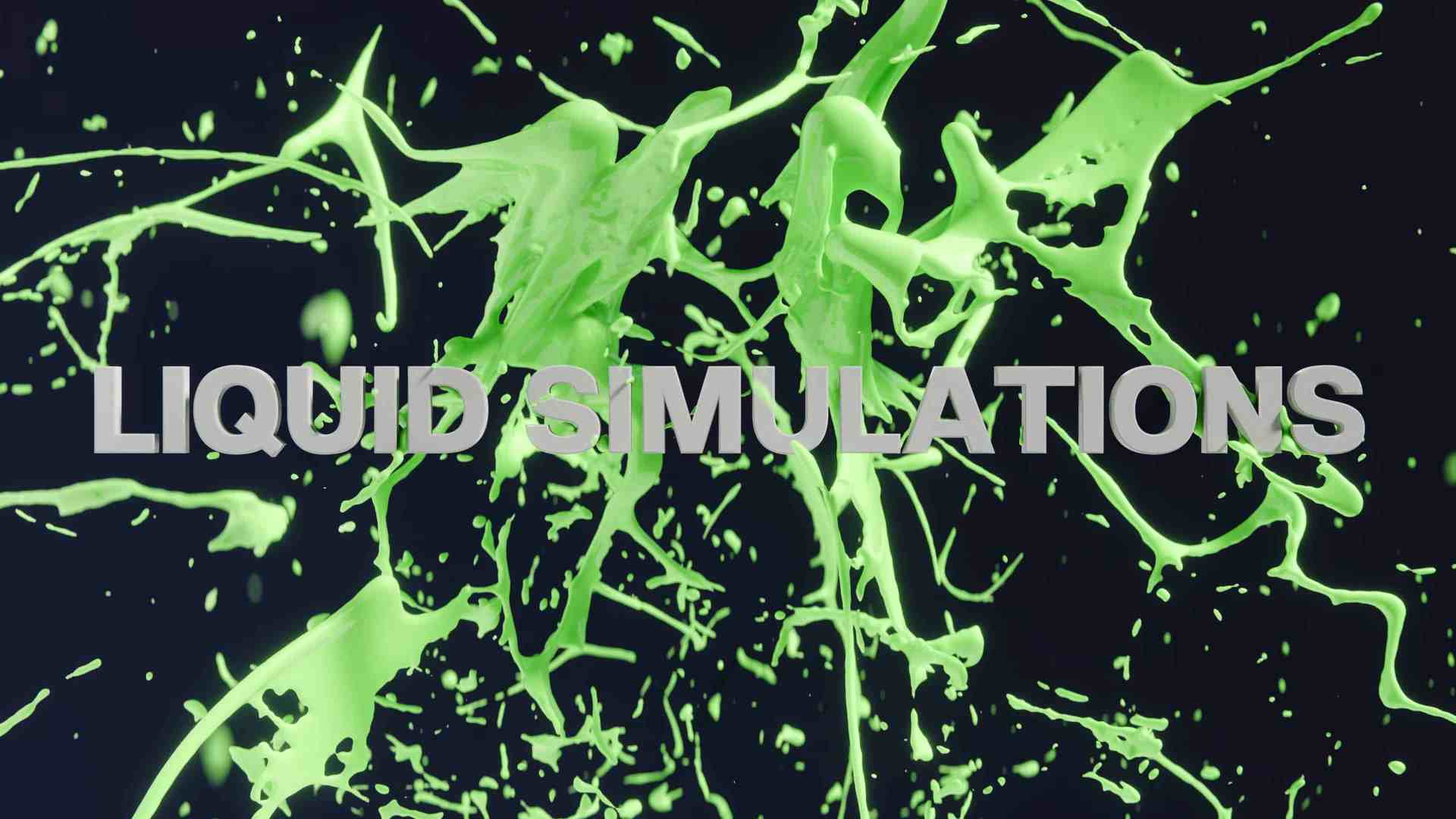
LiquiGen 1.0 now simulates highly viscous liquids such as honey, oil or melted chocolate with physical behaviors like coiling and buckling handled via a PIC/FLIP solver supporting whitewater, spray, foam and bubbles. Viscosity and stickiness can now be adjusted per emitter.
Camera, materials and meshing upgrades
The update adds a more industry-standard camera control system—zoom‑to‑cursor, pan‑around, and animated camera import via Alt key and other shortcuts. A new material system offers realistic presets for water, plastics, metals and more. A choice of higher‑quality meshing supports morphological dilate/erode/open/close operations, along with SDF (signed distance field) and normals smoothing.
Expanded export and pipeline integration
LiquiGen now exports mesh flipbooks (single FBX sequences colour‑coded per frame), Vertex Animation Textures (VAT), Alembic caches, VDB velocity fields and rich rasterised passes including thickness, reflection and refraction. These formats target VFX pipelines, game engines and motion graphics workflows.

Workflow diagnostics and interface polish
The release introduces a Diagnostics Panel to visualise simulation domains, force and velocity fields, mesh vs particles, and imported SDFs for collider/emitters. A “Show SDF” toggle helps troubleshooting and voxel resolution choice. UI improvements include searchable dropdowns, copyable dialog messages, tooltips, timeline step‑back and a startup splash screen.

Stability and performance enhancements
Most critically, JangaFX now classifies LiquiGen as production‑ready, citing substantial gains in stability and performance—especially on smaller‑scale simulations. GPU requirements include NVIDIA GTX 1060 or AMD RX 580 and above. Windows 10+ and Linux are supported; macOS support is planned for version 1.1
Licensing and pricing tiers
Indie users (revenues under $1 million) can subscribe at $19.99/month and obtain a perpetual licence after 18 months, or buy a perpetual standalone licence for $299.99. Studio licences (up to $100 million revenue) cost $1,400 for node‑locked and $2,300 for floating licences. As always with new tools—even one now marked production‑ready—actual use in production should be tested and qualified before integration.
