



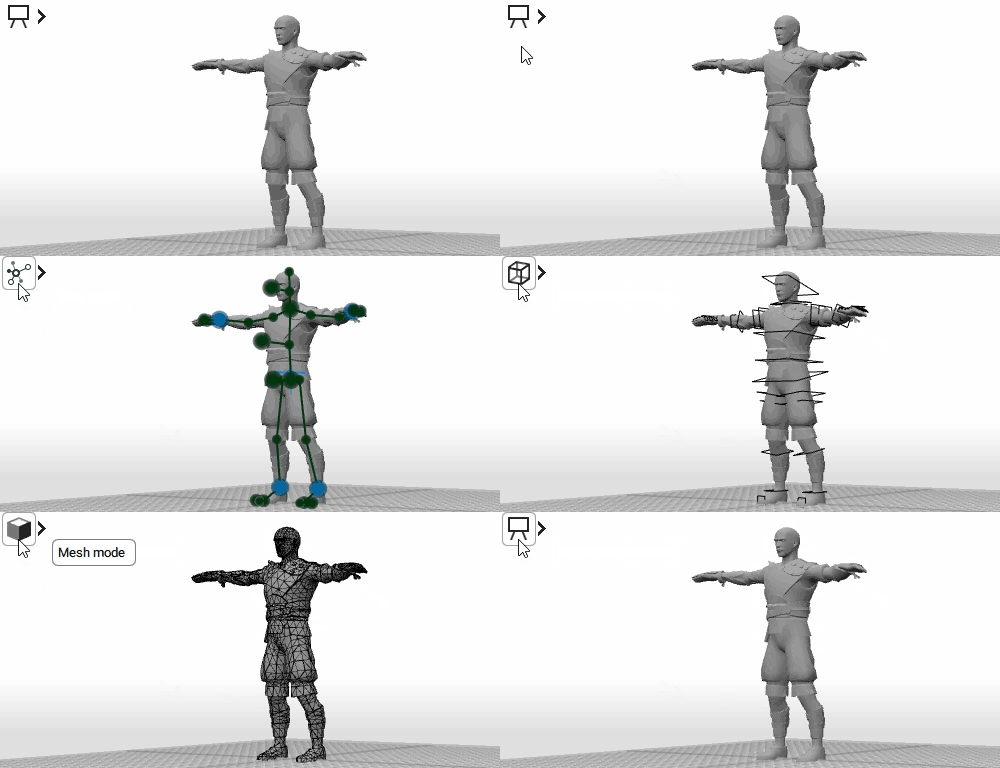
Cascadeur 2025.3 brings its biggest visual overhaul to date with the introduction of Filament, a physically based rendering engine now integrated into the software’s viewport. Filament supports environment lighting, shadows and ambient occlusion. “Simple Textures” have been replaced by Materials, which now handle colour, roughness and other PBR-style texture channels. FBX imports now bring their material setups directly into Cascadeur scenes.
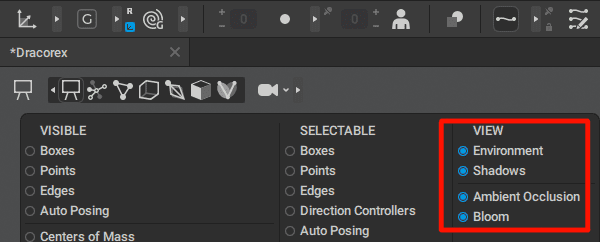
The Filament renderer is marked experimental and must be installed separately. It is Windows-only at this stage and currently omits certain features such as Ghosts and Linked Scenes. The developer states that full cross-platform integration is planned for later builds.
Smarter Inbetweening
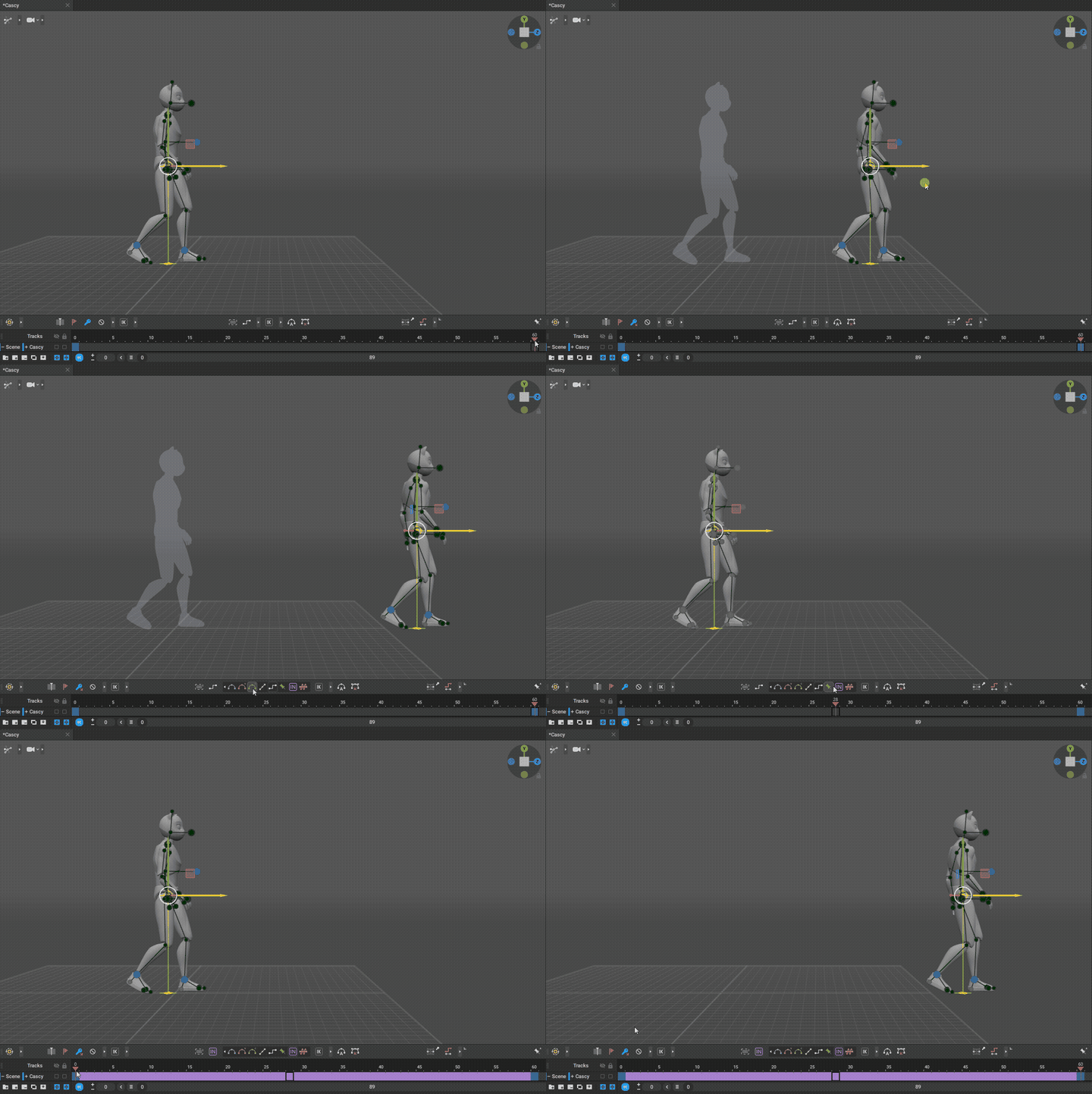
The Inbetweening system (Cascadeur’s AI-assisted interpolation engine – more on that in an interview with the developers coming soon!) has been reworked. It is now treated as a type of interpolation, with its controls relocated to the Interpolation menu on the timeline. The Style option, previously hidden in Scene Settings, can now be accessed directly via a right-click context menu on the timeline. Artists can assign inbetweening selectively to specific animation tracks while using traditional interpolation on others.
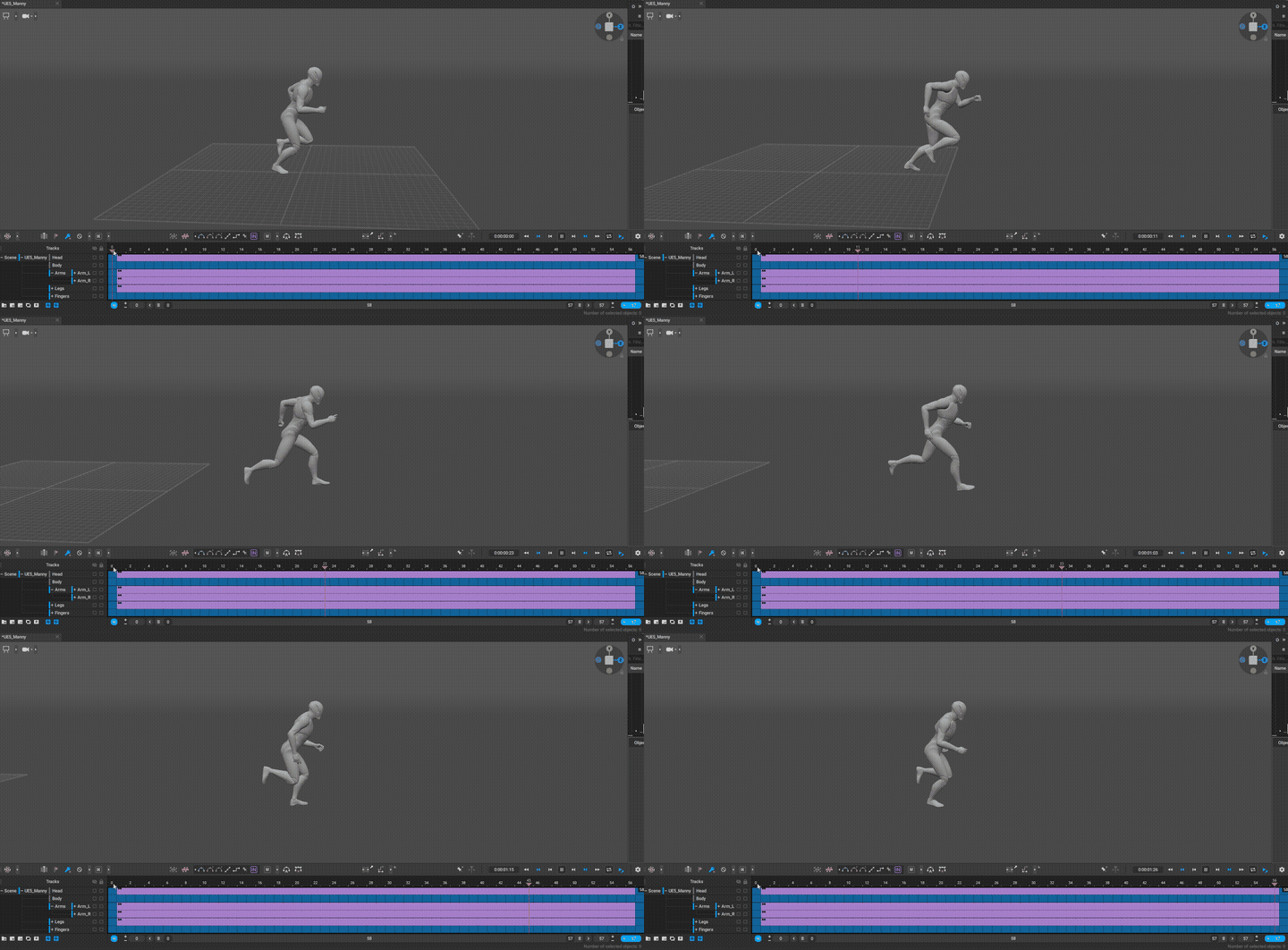
The system now updates automatically when keyframes are added or modified, and an Update Inbetweening toggle (enabled by default) manages this behaviour. The Scene Settings panel also introduces an option for Fulcrum Motion Cleaning to refine AI-generated motion. The previous inbetweening method remains available through the Timeline menu for compatibility.

Cascadeur Quadrupeds Join the Cast
Cascadeur now officially supports quadruped characters. AutoPosing recognises four-legged models correctly, and the Quick Rigging Tool gains a Quadruped tab. These updates allow users to pose and rig non-humanoid creatures with less manual adjustment, expanding Cascadeur’s use cases beyond biped animation.

Rigging and Physics Refinements
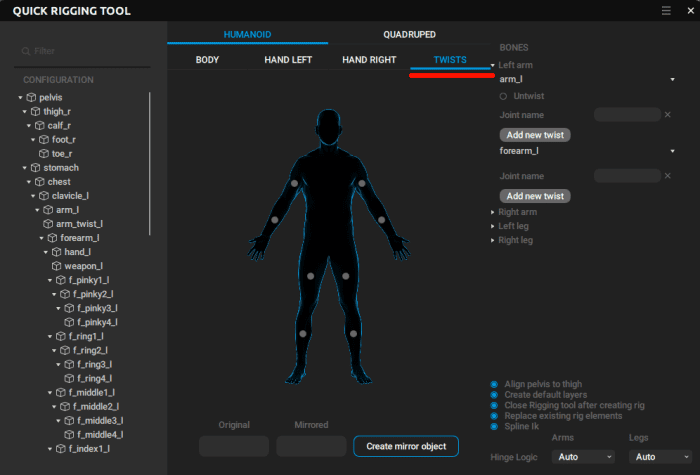
The Quick Rigging Tool adds a Twists tab for defining twist and untwist bones. Each limb supports two twist joints by default, with additional ones creatable using standard rigging tools. This is especially useful for complex rigs from Daz Studio or Character Creator models. AutoPhysics improves inter-character collision and now includes angle limits for ragdoll joints.
Cascadeur Workflow
A new context menu on the timeline simplifies interpolation and keyframe management. Long animations now perform better, and users can resize animations while retaining keyframes. GLB export has been refined for closer visual parity with FBX. Cameras gain improved parameter control, import options, and copy functionality. Linked Scenes include new visibility, cycle and interval settings. Compatibility issues with 3DConnexion devices have also been addressed (Editorial: Which means a lot, we are still exclusively using our Space Pilot and Cadmouse!)
Outlook
Cascadeur 2025.3 positions Nekki’s animation platform closer to a full production toolset, bridging AI-assisted motion and traditional rigging. While Filament is not yet final, its viewport realism and material system hint at a more visually coherent workflow for animators and TDs. As always, test new features in controlled conditions before deploying them in production environments.
