



For those who don’t know the site: BlenderKit is a built-in asset library for Blender. It loads materials, models, HDRIs, scenes and brushes straight into the viewport, no dragging, no file hunting, no tears.
Brush bonanza in Blender
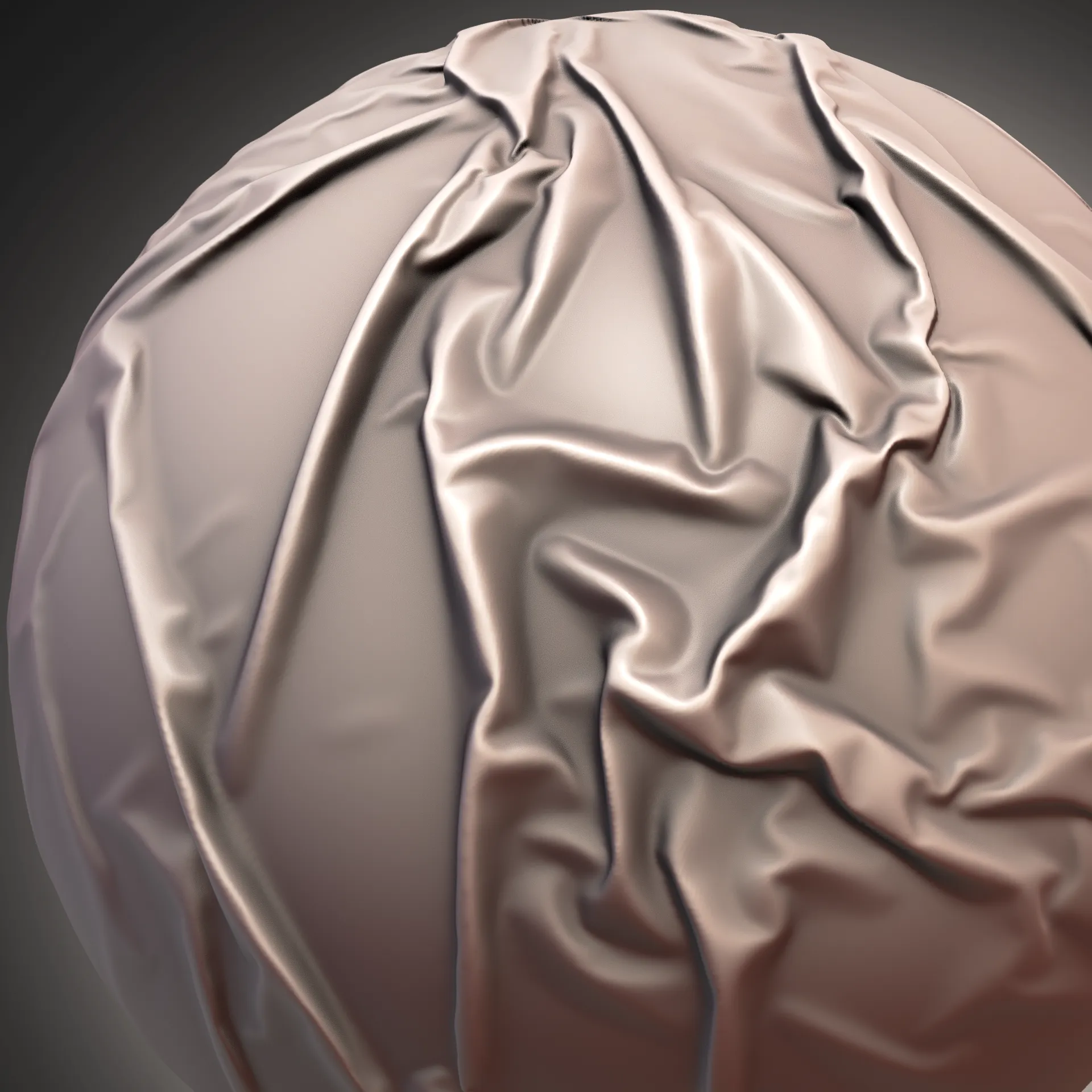
The asset library BlenderKit has quietly added more than 1,000 free sculpting brushes to its growing database. The brushes target a wide range of 3D workflows, from organic modelling and creature detailing to hard-surface wear and tear. These free brushes are part of a total collection exceeding 5,000 sculpting presets now listed in BlenderKit. Free brushes include assets for wrinkles, pores, fabric seams, stone cracks, and mechanical surfaces. Most are licensed under CC0 or royalty-free commercial licences, allowing unrestricted use in paid work.
Everything inside Blender
BlenderKit runs directly inside Blender, so artists can browse and import models, materials, HDRIs, scenes and now brushes without leaving the application. The plugin’s tight integration means no external downloads or add-on juggling. The full BlenderKit library now contains more than 114,000 assets, with roughly 54,000 of them available for free. Paid plans unlock the remaining content, offer 2 GB of cloud storage and include optional extra add-ons. The plugin requires Blender 3.0 or later.
Free, legal, and plenty
All assets on BlenderKit’s free tier can be used commercially, provided the creator’s licence allows it. The site distinguishes between CC0 (public domain) and royalty-free assets. For users on budget-tight pipelines or smaller indie teams, this is one of the most extensive legally clean asset pools available directly inside a DCC.
The newly added sculpting brushes fit well with Blender’s growing use in creature and environment design for both games and film work. The convenience of in-viewport access saves a good amount of tme compared to manual brush setup and file import routines.
Try before you rely
As always, new tools should be tested before being used in production environments. Brush performance, texture resolution and stroke response vary depending on the sculpting engine version and system hardware.
