



If you don’t know the tool: Sequoia is a Windows only high end DAW from Boris FX for mastering, broadcast and audio post. It focuses on object-based editing, precise routing and reliability rather than trend chasing.
Boris FX has released Sequoia 2026, marking the first major version since the DAW joined the company’s product portfolio. The update focuses on video playback, external control and performance reliability rather than new creative paradigms.
The release targets audio post production, mastering and broadcast environments where Sequoia is typically used alongside picture and external hardware systems. Boris FX describes the update as a consolidation release that combines visible workflow enhancements with under-the-hood engine improvements.
GPU-accelerated video, properly integrated
The most significant change in Sequoia 2026 is a new, fully GPU-accelerated video engine. Boris FX states that the engine supports NVIDIA, AMD and Intel GPUs and is designed to improve playback stability and responsiveness when working to picture.
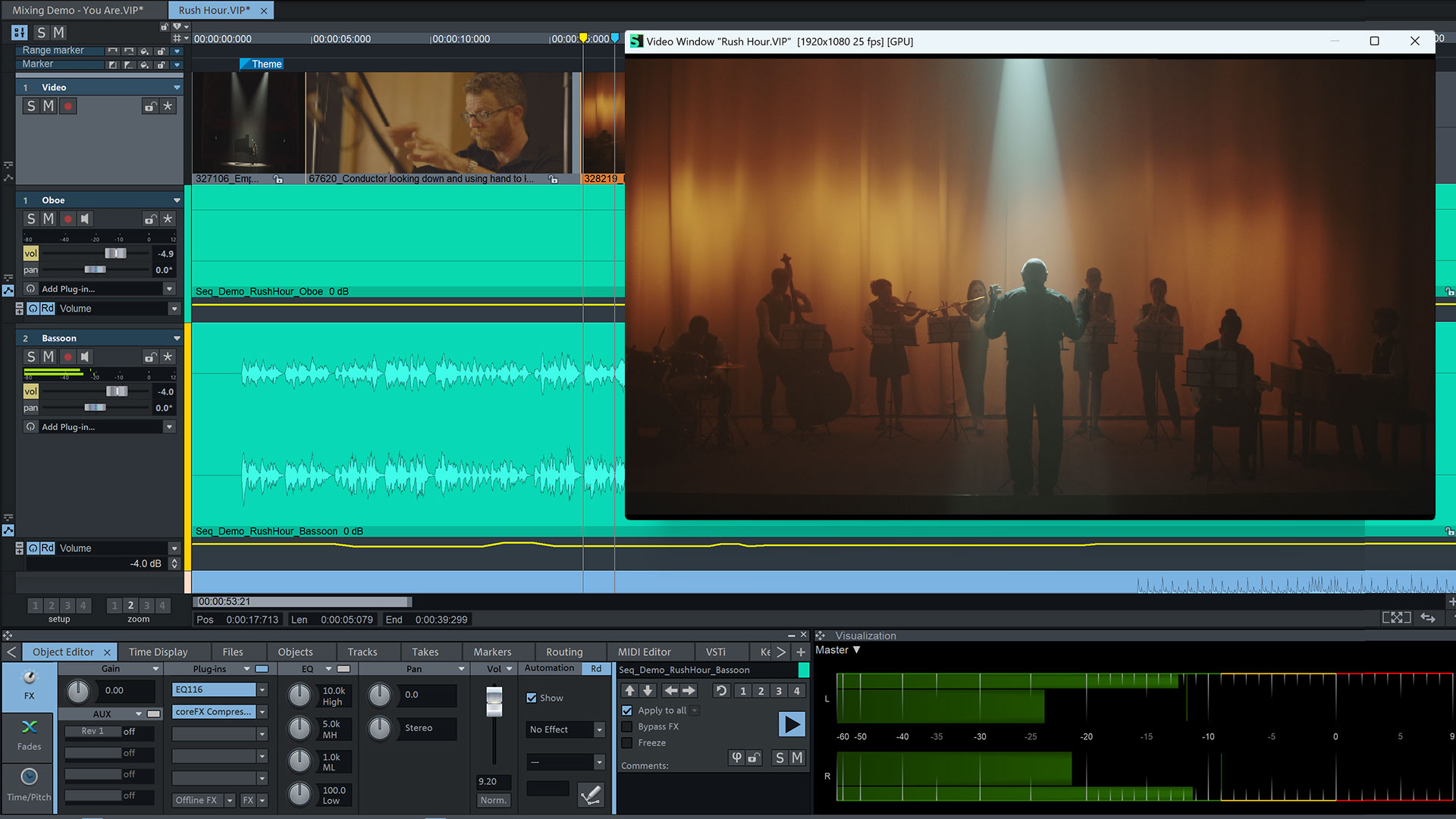
The engine introduces native decoding for AVC, HEVC and AV1, and adds native Apple ProRes support without requiring external transcodes. Boris FX also states that the video engine provides full resolution monitoring without preview downscaling and supports frame rates up to 60 fps. These performance claims are vendor statements and not independently verified at press time.
The company positions the new video engine as a practical requirement for modern audio post-production, rather than a feature expansion, citing smoother playback and reduced friction when working with contemporary picture formats.
Audio engine refinements for dense sessions
Sequoia 2026 includes updates to its VST3 based audio engine. Boris FX states that multicore CPU distribution has been improved, with smarter allocation across cores and reduced processing load from high latency plugins and AUX sends.
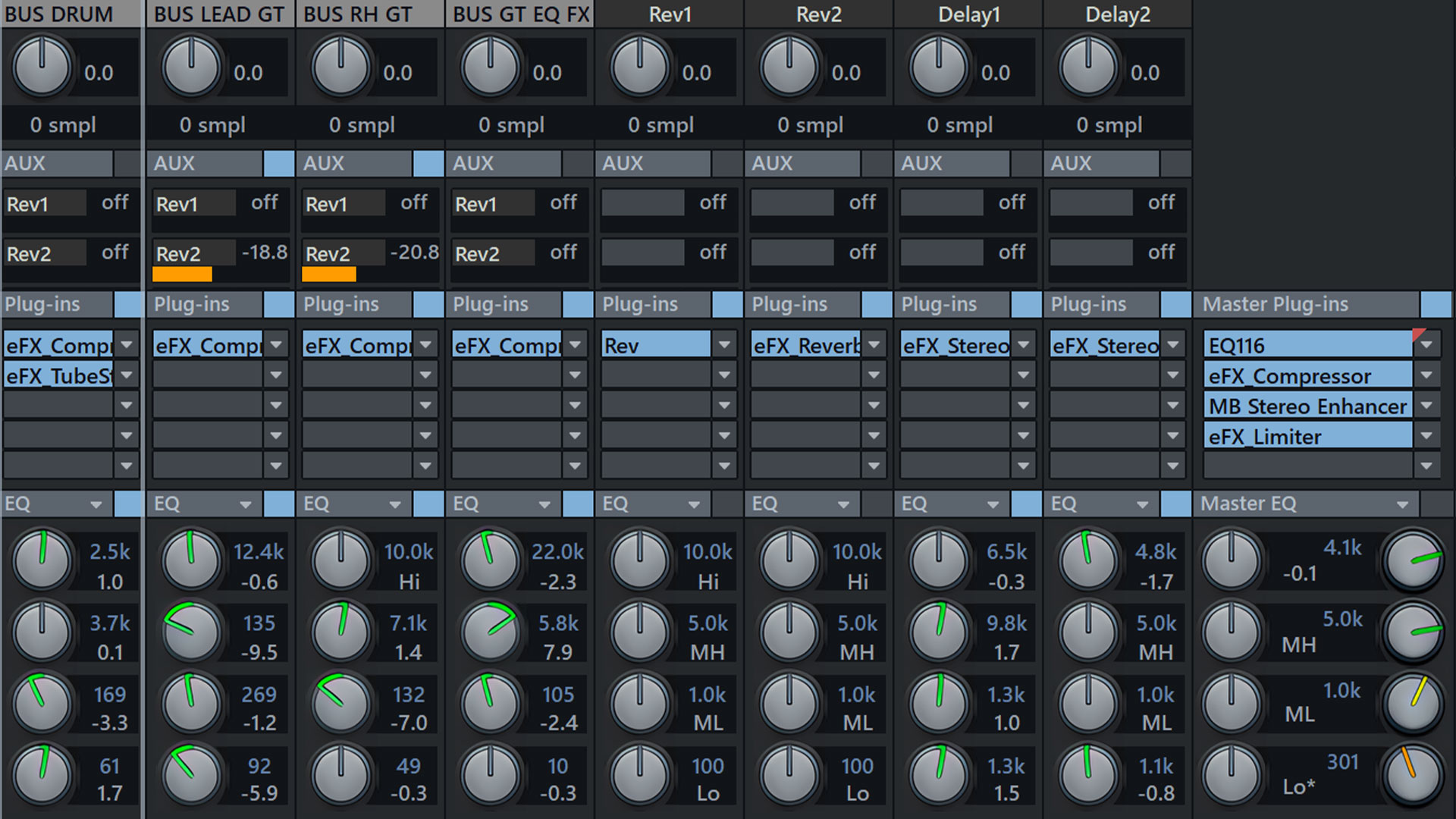
The company also highlights strengthened engine testing and error handling, intended to improve playback reliability during complex mastering and mixing sessions. Additional changes include an updated plugin buffer dialog and overload and noise protection refinements.
A new one click export option allows users to bypass active effects chains during rendering, enabling clean reference exports without altering project setups. These changes are presented as safeguards for critical production and mastering work rather than new functionality.
OSC support and external control
Sequoia 2026 adds native support for OSC, Open Sound Control, enabling remote triggering of recording, editing, mixing and transport functions over a network. Boris FX explicitly references use with broadcast consoles, large format desks, StreamDeck devices and OSC capable applications. The feature is aimed at multi room studios and facilities where DAW control is distributed across operators or locations.
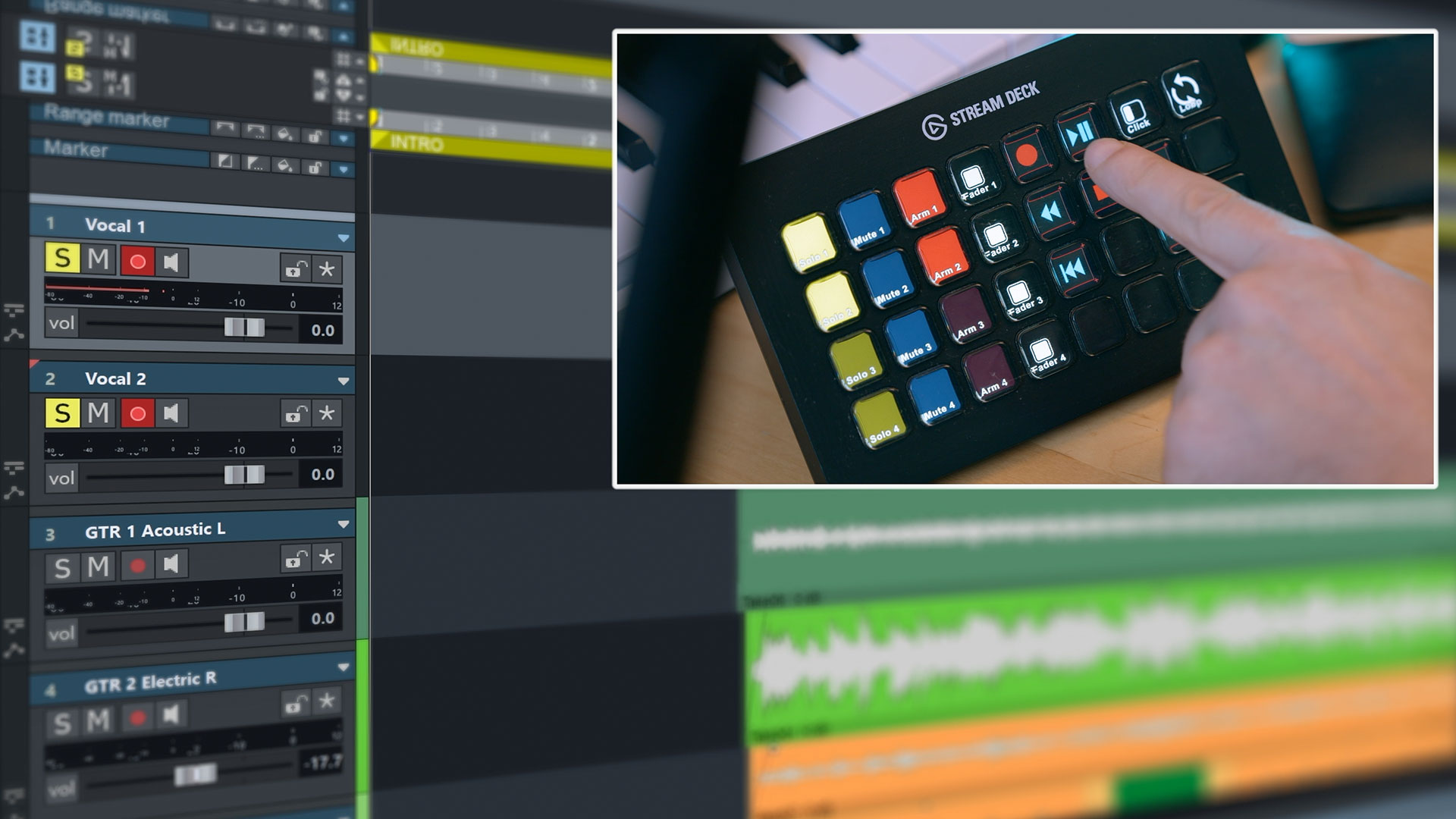
The available documentation does not specify command coverage, mapping depth or latency characteristics. But there is an OSC monitor to check outgoing and incoming strings, and you can use the search field to display the menu ID. The program help contains some examples and suggestions. Facilities planning to rely on OSC control should verify behaviour against their specific hardware and network setups.
Soundly integration inside Sequoia
The release integrates the Soundly cloud-based sound effects library directly into Sequoia. Users can browse, search and preview sounds from within the application and transfer assets directly into projects. According to Boris FX, the library includes thousands of sound effects, Foley recordings, atmospheres and field recordings at multiple sample rates. Organisational features include tagging, favourites and custom libraries.

Routing and fades, incrementally improved
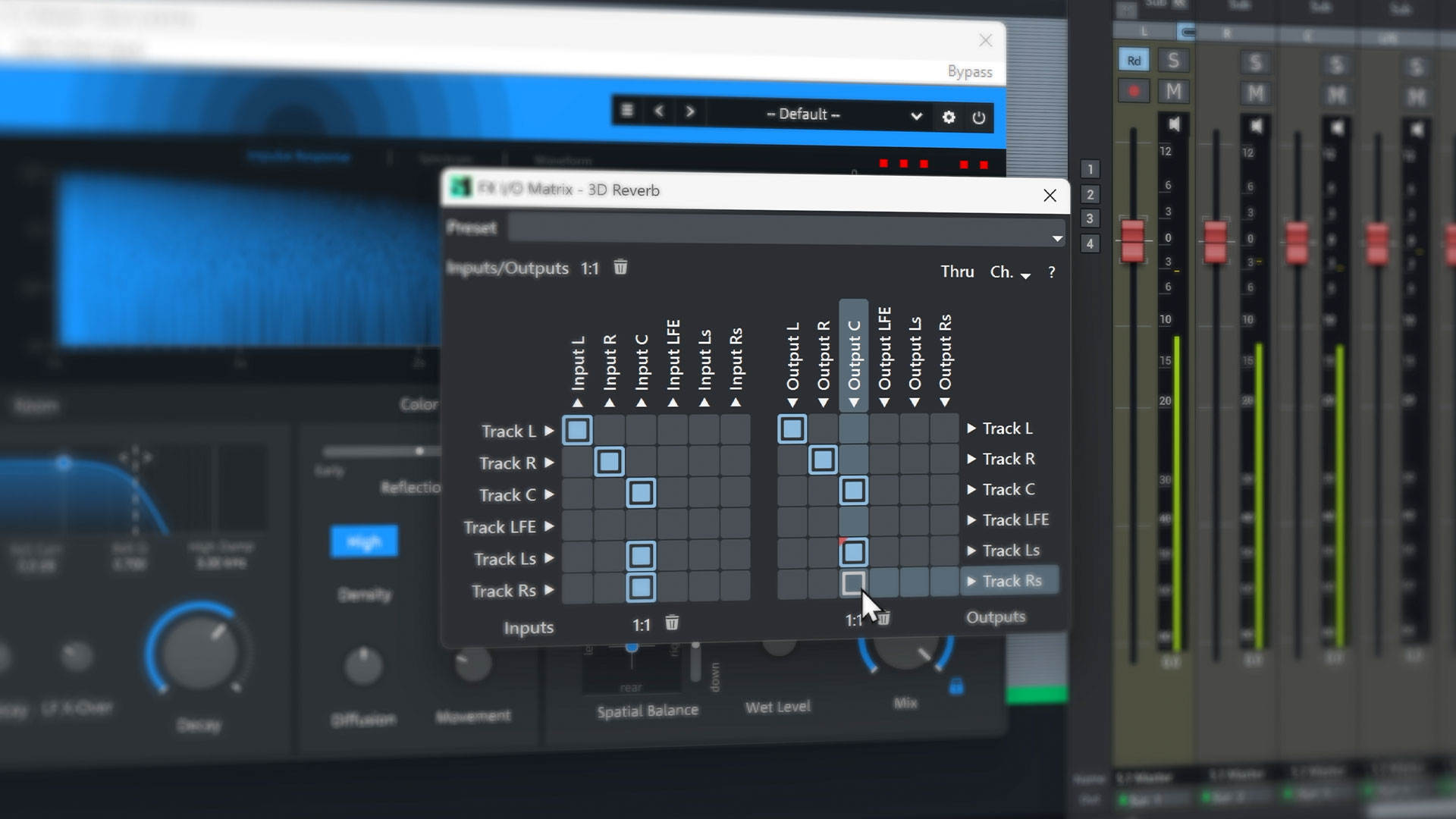
Sequoia 2026 introduces an enhanced FX IO Matrix. The updated matrix allows more detailed multichannel routing through plugins, including channel remapping, side chain setups and a Thru mode for distributing mono or stereo effects across surround and immersive buses.
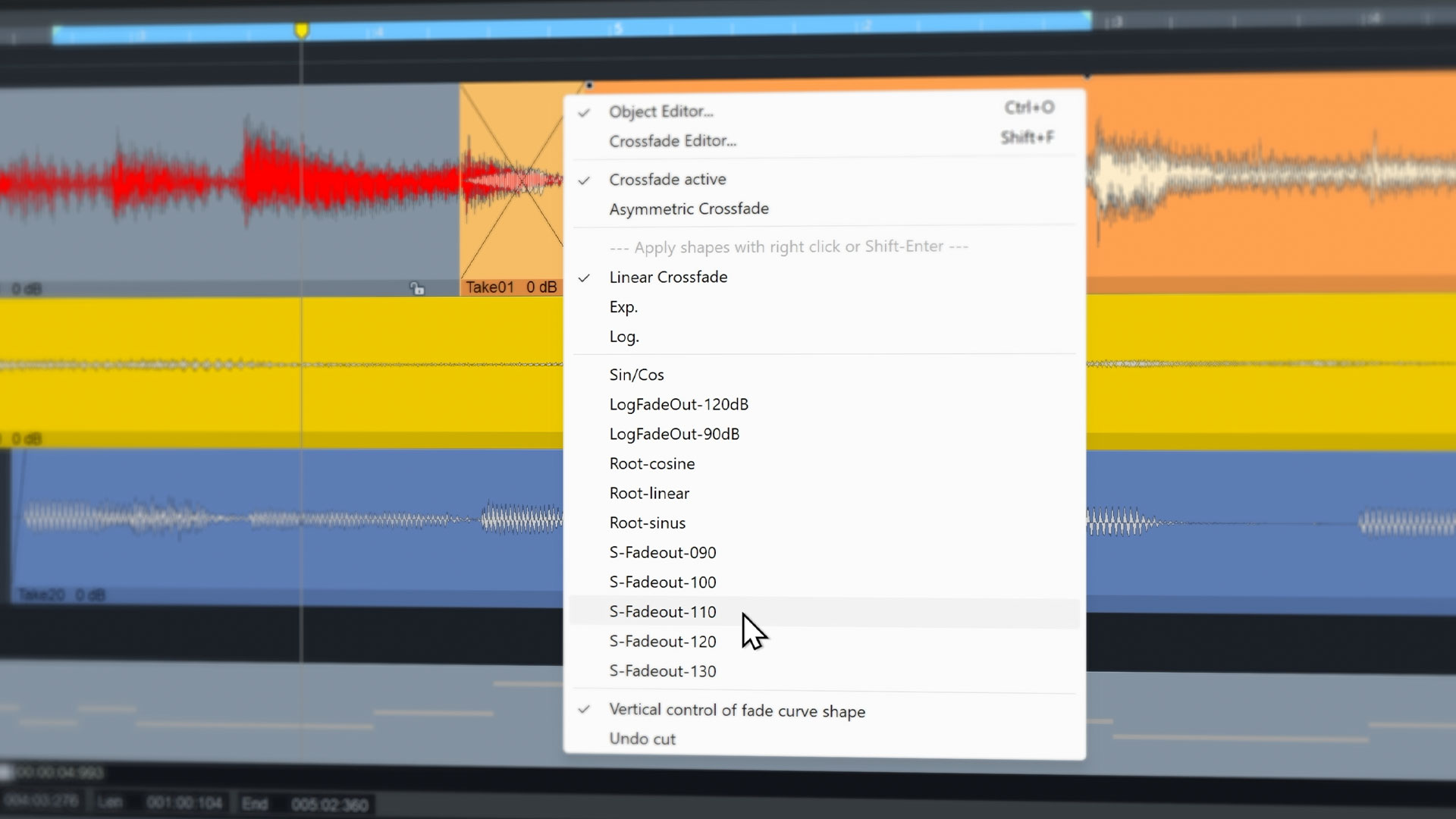
The Crossfade Editor has also been revised. Boris FX describes improved visual context, quicker access to fade shapes via object handles, real time preview of fade curves and looped auditioning without interrupting playback. These changes are aimed at dialogue, classical music and broadcast editing workflows where precision matters. The underlying object based editing model remains unchanged.
Official onboarding and training material
Alongside the release, Boris FX has published an official introductory walkthrough video. The material focuses on interface navigation and foundational workflows rather than documenting new 2026 features. The walkthrough covers the Arranger, object-based editing, the Object Editor, track-based workflows using the Track Editor and Mixer, VST instrument handling, ASIO driver configuration, project creation, recording and export. It is positioned as an entry point for new users and a refresher for existing ones.
Pricing and availability
Sequoia 2026 is available immediately. It remains a standalone DAW offered via subscription, perpetual licence and upgrade and support plans. Pricing starts at 595 US dollars per year or 95 US dollars per month, according to Boris FX. Customers with an active Sequoia or Boris FX Suite subscription, or a current Sequoia upgrade and support plan, receive the 2026 release as part of their existing entitlement. As always, new releases should be tested carefully before use in real production and mastering environments without assumptions.
