



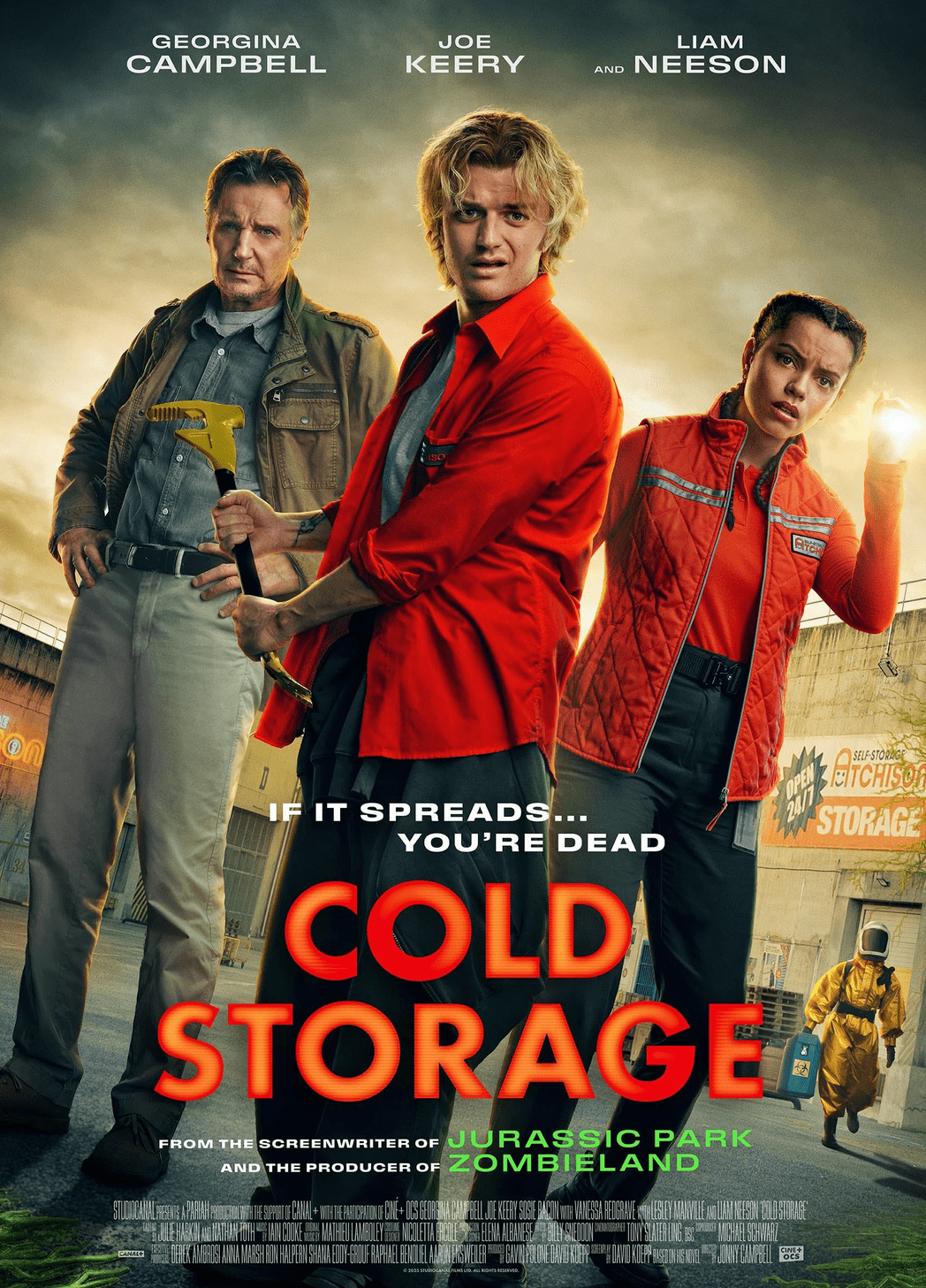
Cold Storage is a 2026 horror comedy feature directed by Jonny Campbell from a screenplay by David Koepp, adapted from his 2019 novel. The film is a France–United States co-production principally financed and produced by STUDIOCANAL with Pariah, and distributed by STUDIOCANAL in Europe.
It stars Georgina Campbell as Naomi Williams and Joe Keery as Travis “Teacake” Meacham, two night-shift employees at a self-storage facility built atop an abandoned U.S. military base, whose world becomes a nightmare when a parasitic fungus sealed deep underground is released. The story combines elements of body horror, dark comedy, creature effects and outbreak survival as the protagonists race to contain the rapidly mutating organism before it causes widespread devastation.
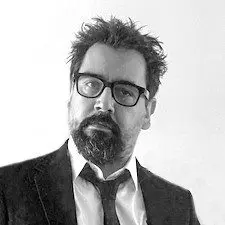
Nikolas D’Andrade (Linkedin | Site | IMDB) is VFX Supervisor at MPC Paris, the studio responsible for delivering all 575 VFX shots on Cold Storage. Prior to Cold Storage, his screen credits include Anatomy of a Fall (Justine Triet), Guns Akimbo, and Borderlands. He is also credited as VFX supervisor on Mortal and won the Danish Robert Award for Best Visual Effects for The Shadow in My Eye.

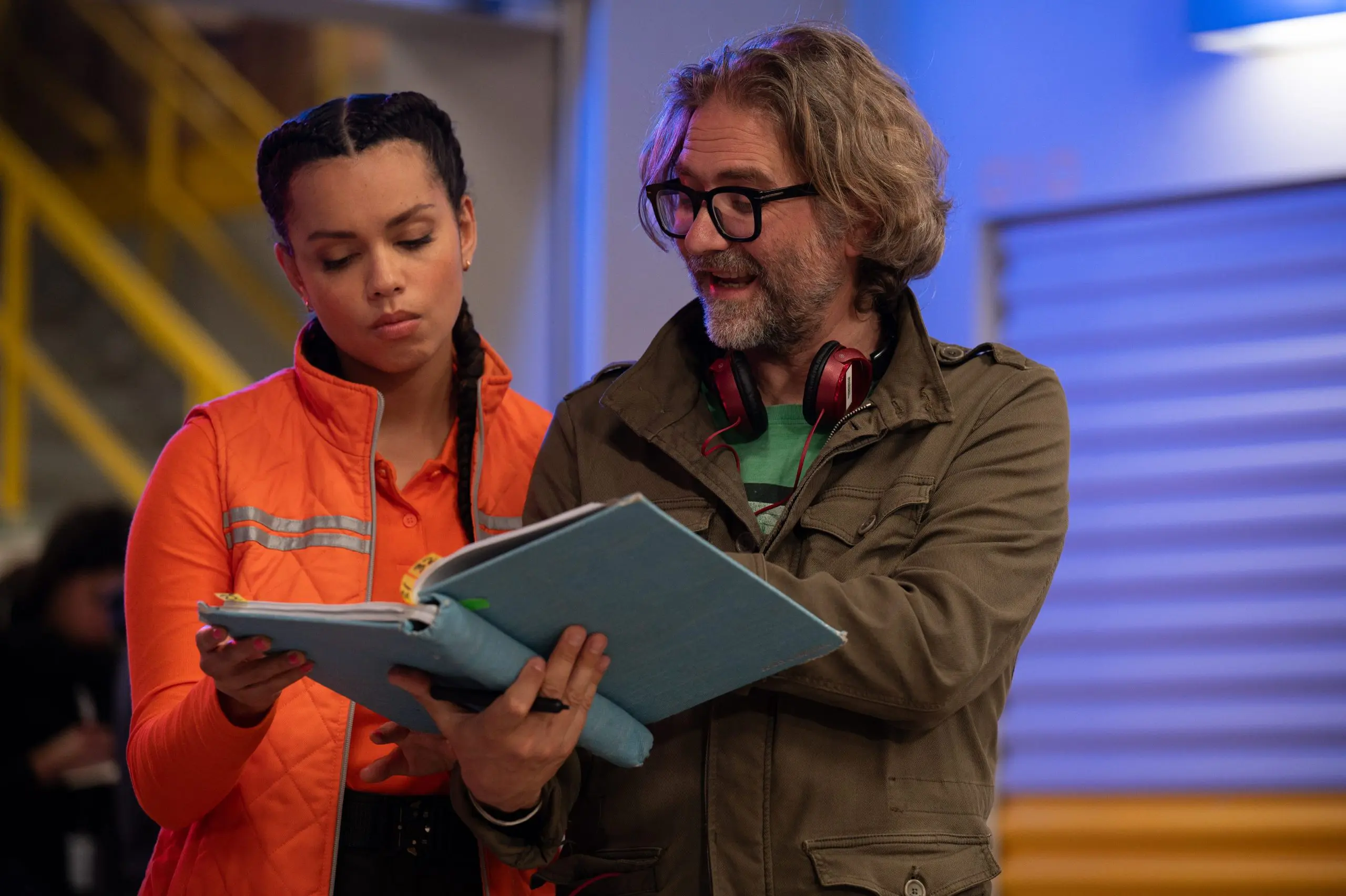
Béatrice Bauwens (LinkedIn | IMDB) is Head of VFX and Post Production at MPC Paris and is credited on projects including Rust and Bone, Tell No One, and Emilia Pérez. In addition to studio leadership, MPC Paris’ recent filmography includes work on The Last Duel, Under Paris, The Walking Dead: Daryl Dixon, and The Nun 2.
DP: “Cold Storage” is not exactly a casual weekend gig. How did you end up on this one?
Nikolas D’Andrade : I had joined MPC Paris a few months after returning from Montreal, right after finishing Anatomy of a Fall, directed by Justine Triet. This was three years ago. Béatrice Bauwens, our Head of VFX & Post Production, needed someone with experience on mid- to large-scale features with U.S. clients, and I was fortunate to be assigned to the project. The production moved very quickly – I even did an urgent 24-hour round trip to Ouarzazate, Morocco, for a technical scout.
Béatrice Bauwens: France is especially attractive for VFX production, thanks to a highly advantageous tax credit system. Productions can benefit from a 30% tax rebate on expenses incurred in France, starting at €250,000 in local spending. For projects with over €2 million in VFX spend within France, the tax credit increases to 40%. This financial incentive, combined with the presence of highly skilled and creative artists, makes France a leading destination for VFX work. This was decisive for Cold Storage in deciding on France for the VFX work.
Combined with MPC Paris’s extensive experience on major international features and series, our production capacity, and the strength and diversity of our reel, MPC became a natural and strategic choice for the project.
DP: MPC Paris, back in action. What did it feel like to have the logo on the door again after the Technicolor era imploded?
Béatrice Bauwens: Technically speaking MPC Paris never ceased its activity. MPC Paris was lucky to keep full activity in France while many other MPC offices around the world were facing disruptions. At the end of March, TransPerfect Group acquired MPC Paris as well as The Mill Paris. This period has been truly unique for all of us. We received tremendous support from the entire industry, and the team was fully committed to giving it the best possible chance of success. We were extremely fortunate to have been acquired, enabling us to retain the majority of our team in France.
MPC Paris has always been deeply rooted in French cinema, with over 40 years of experience on local productions going back to the Mikros Image days. What hasn’t changed is the drive of our teams and the quality of the work we deliver; the two remain at the core of MPC Paris.
DP: For people who only know the film as “that slime movie”: what was MPC Paris actually responsible for?
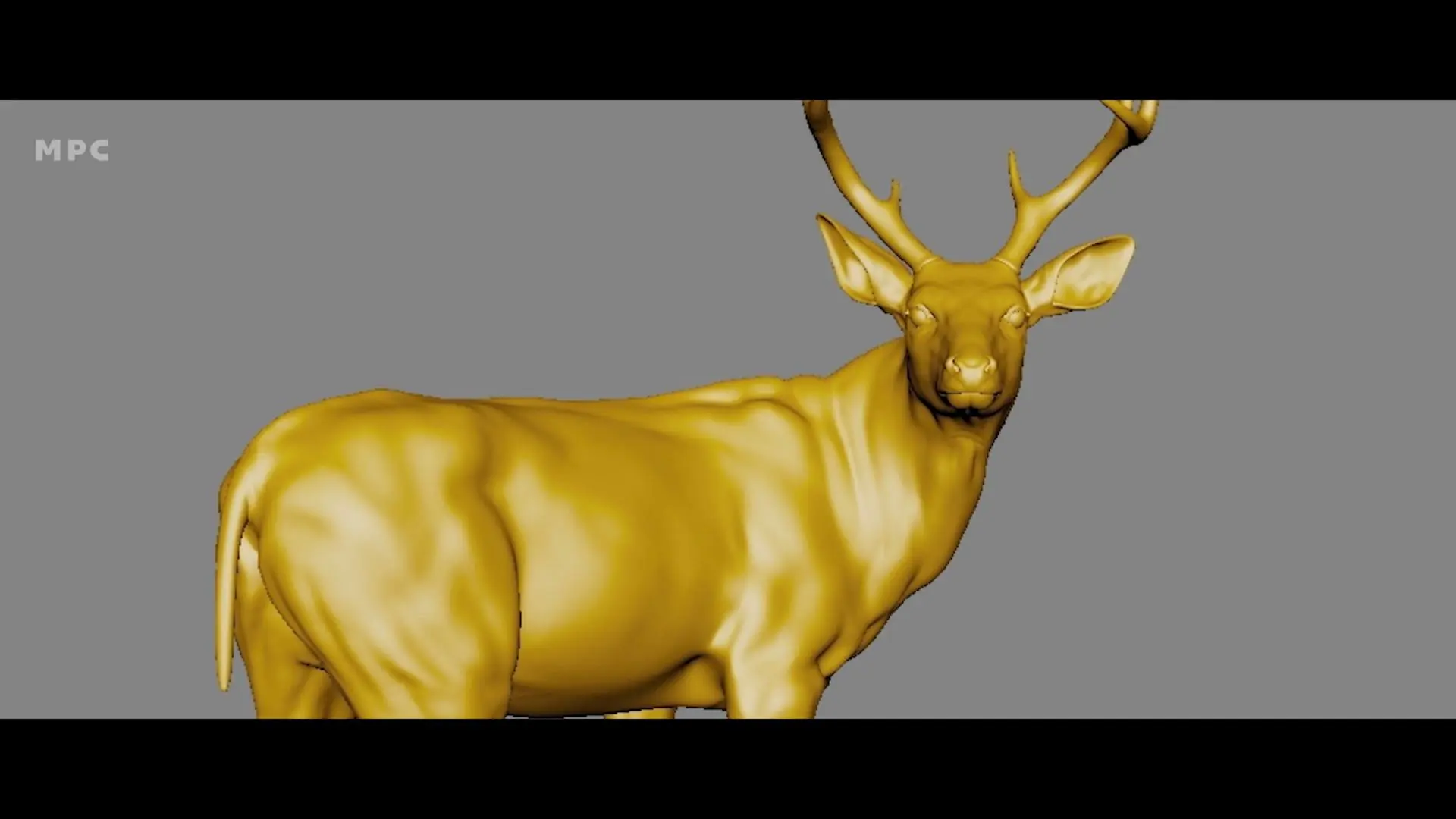
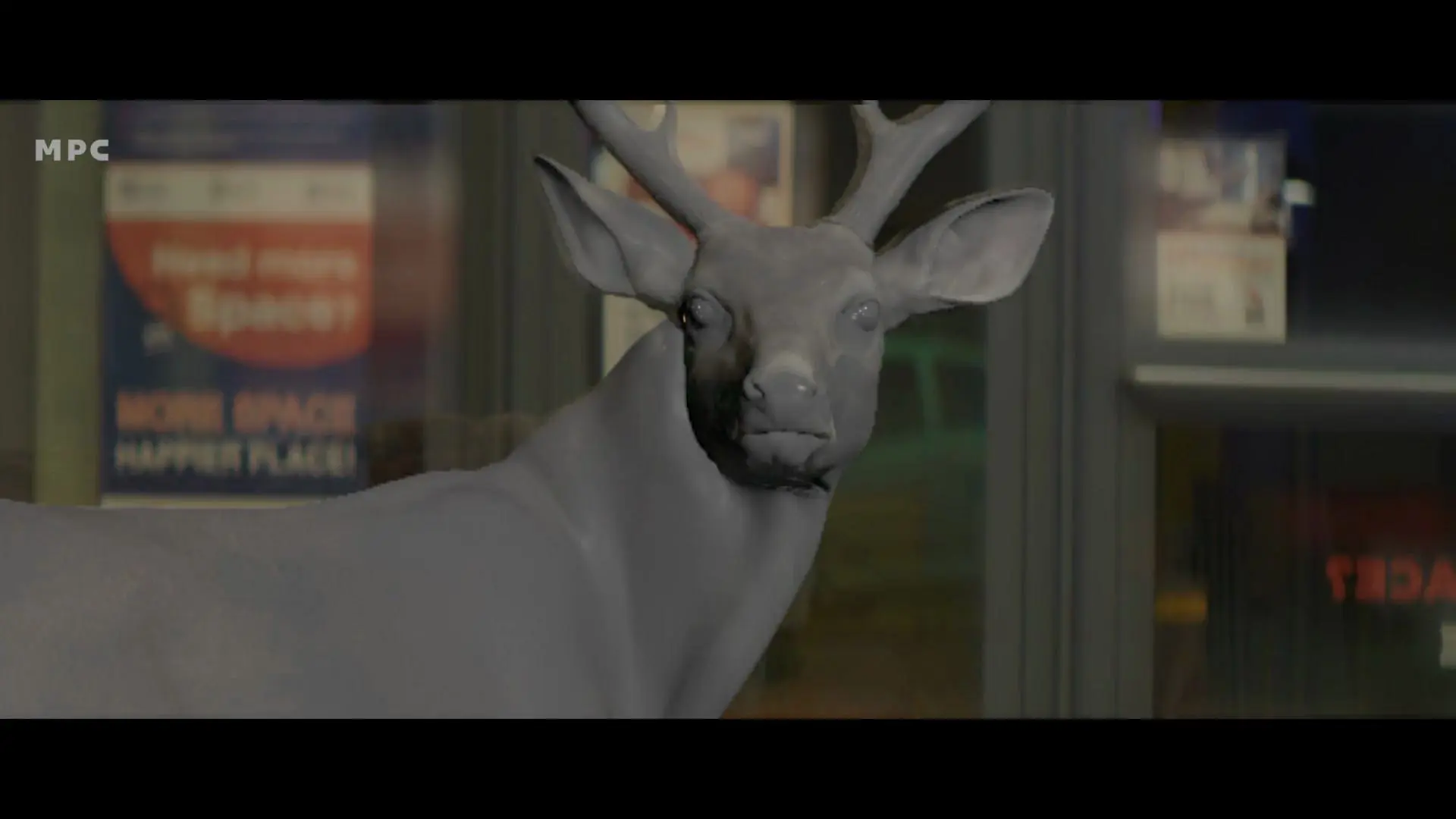
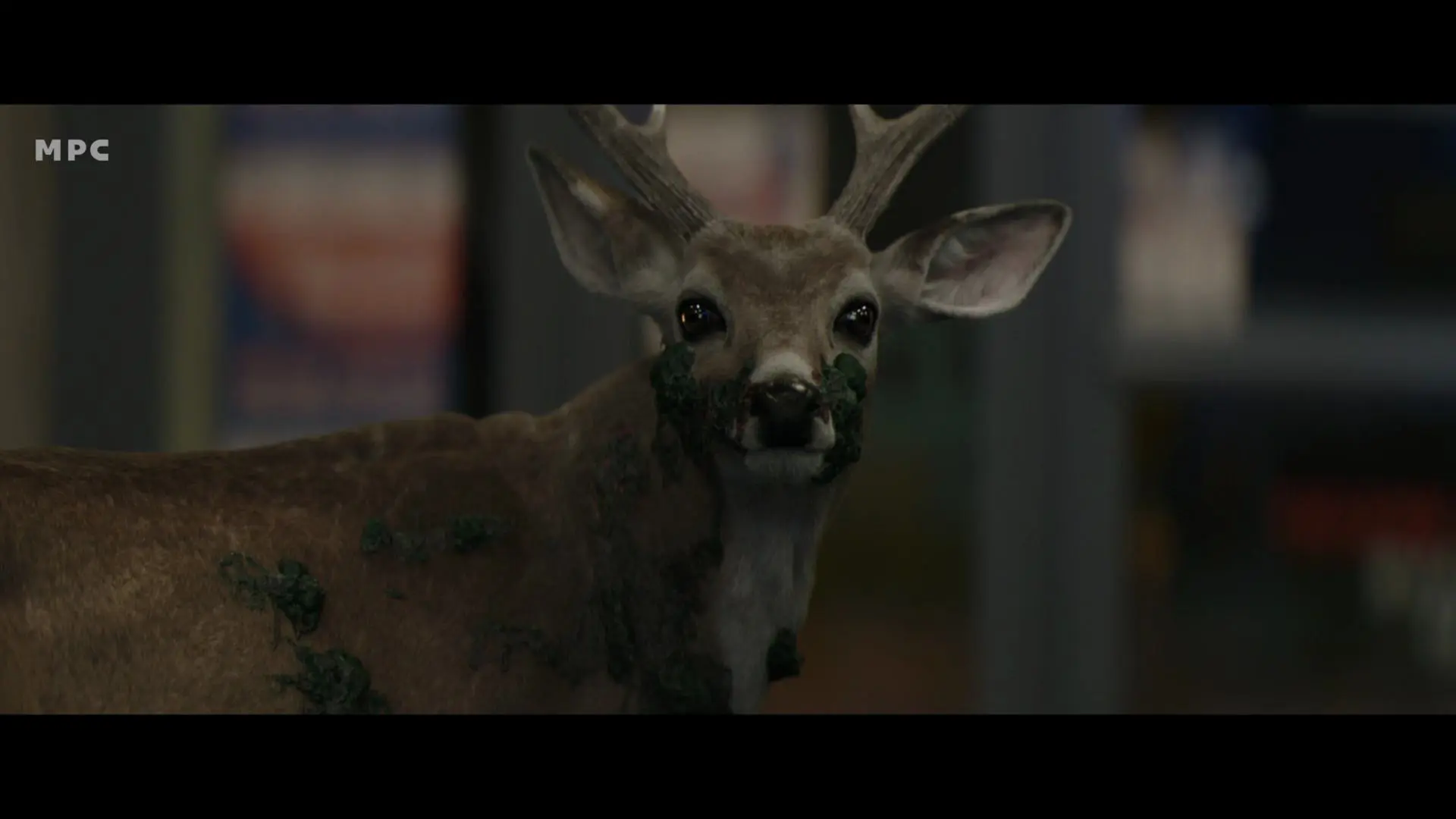
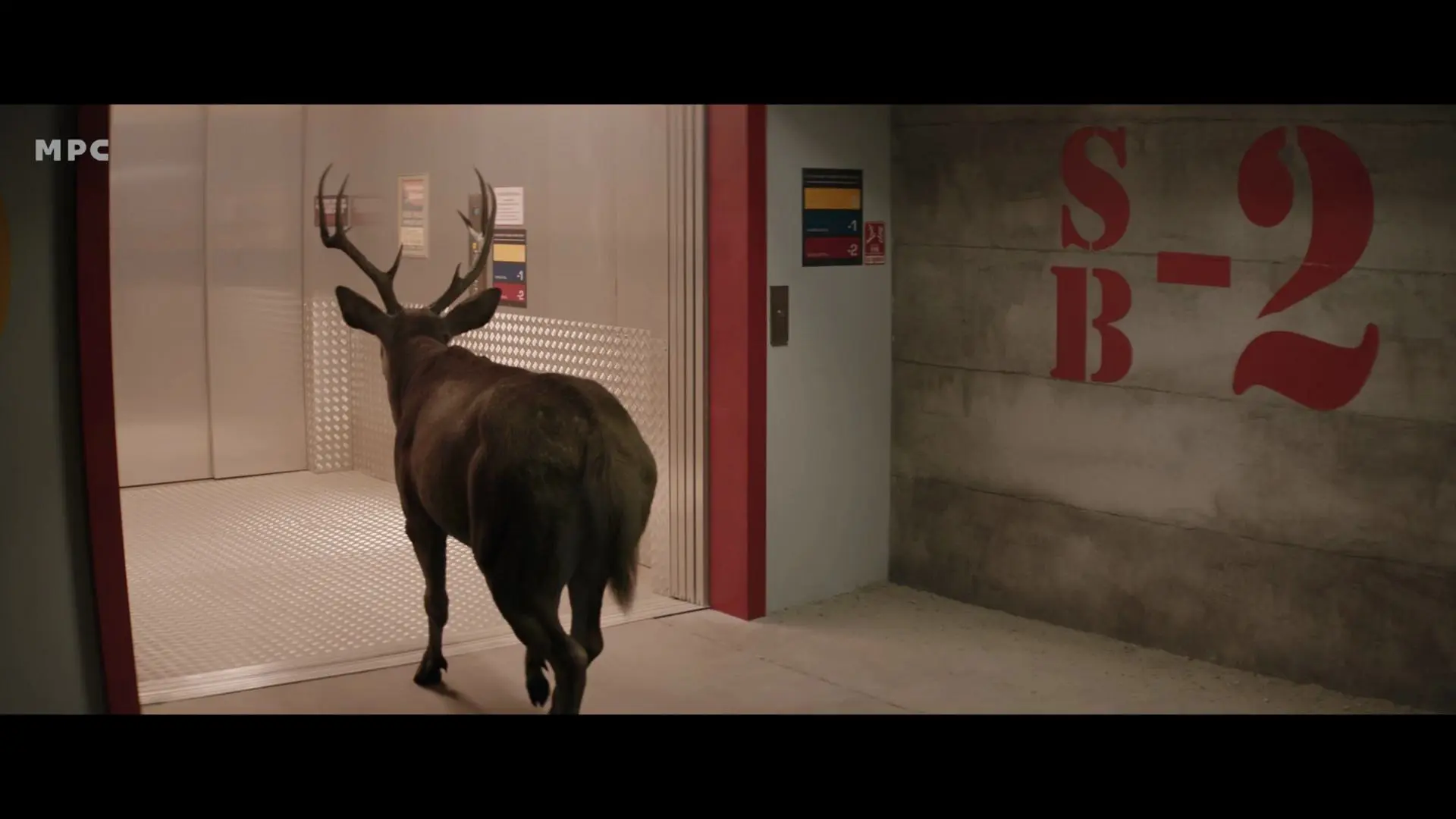
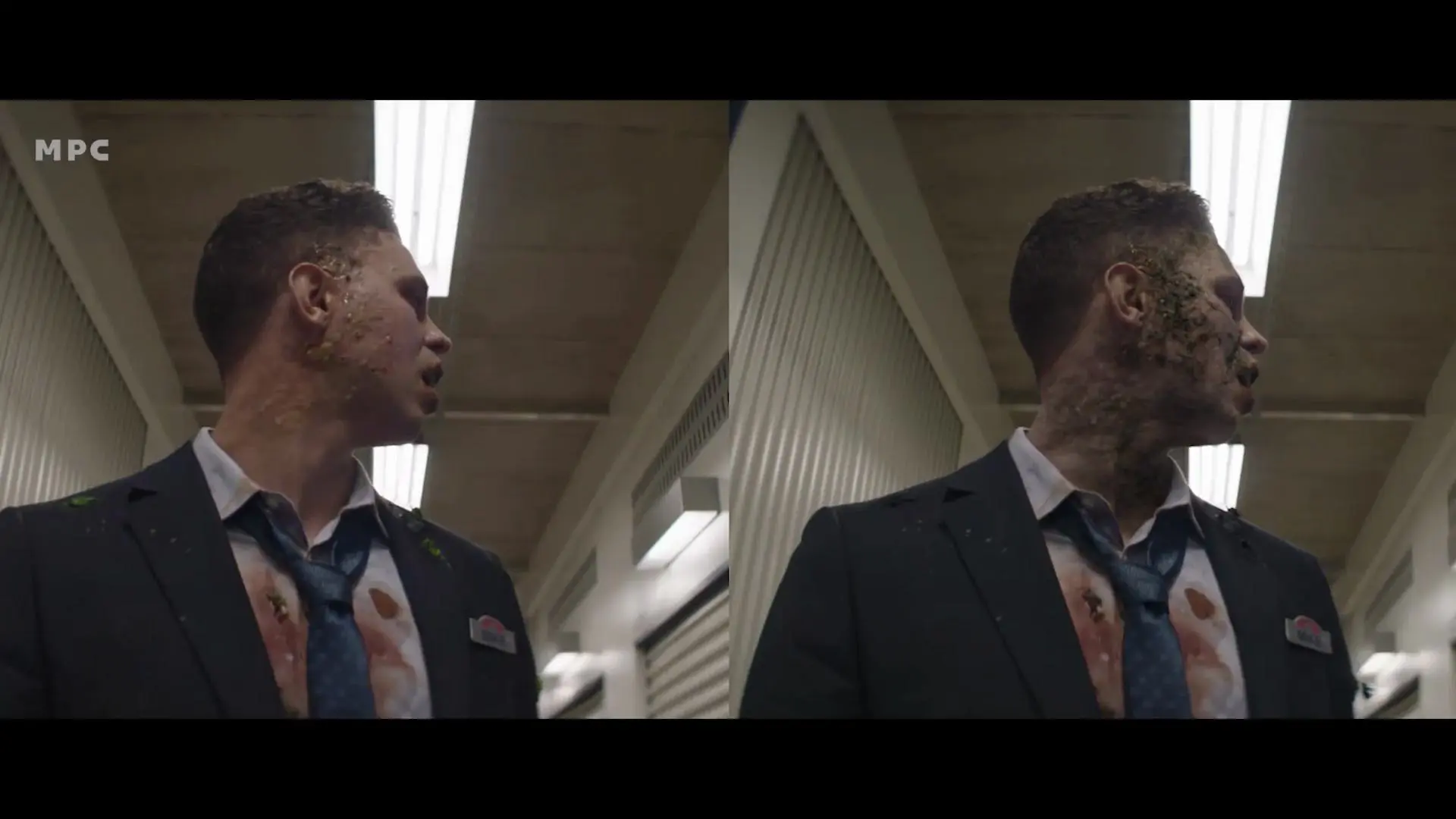
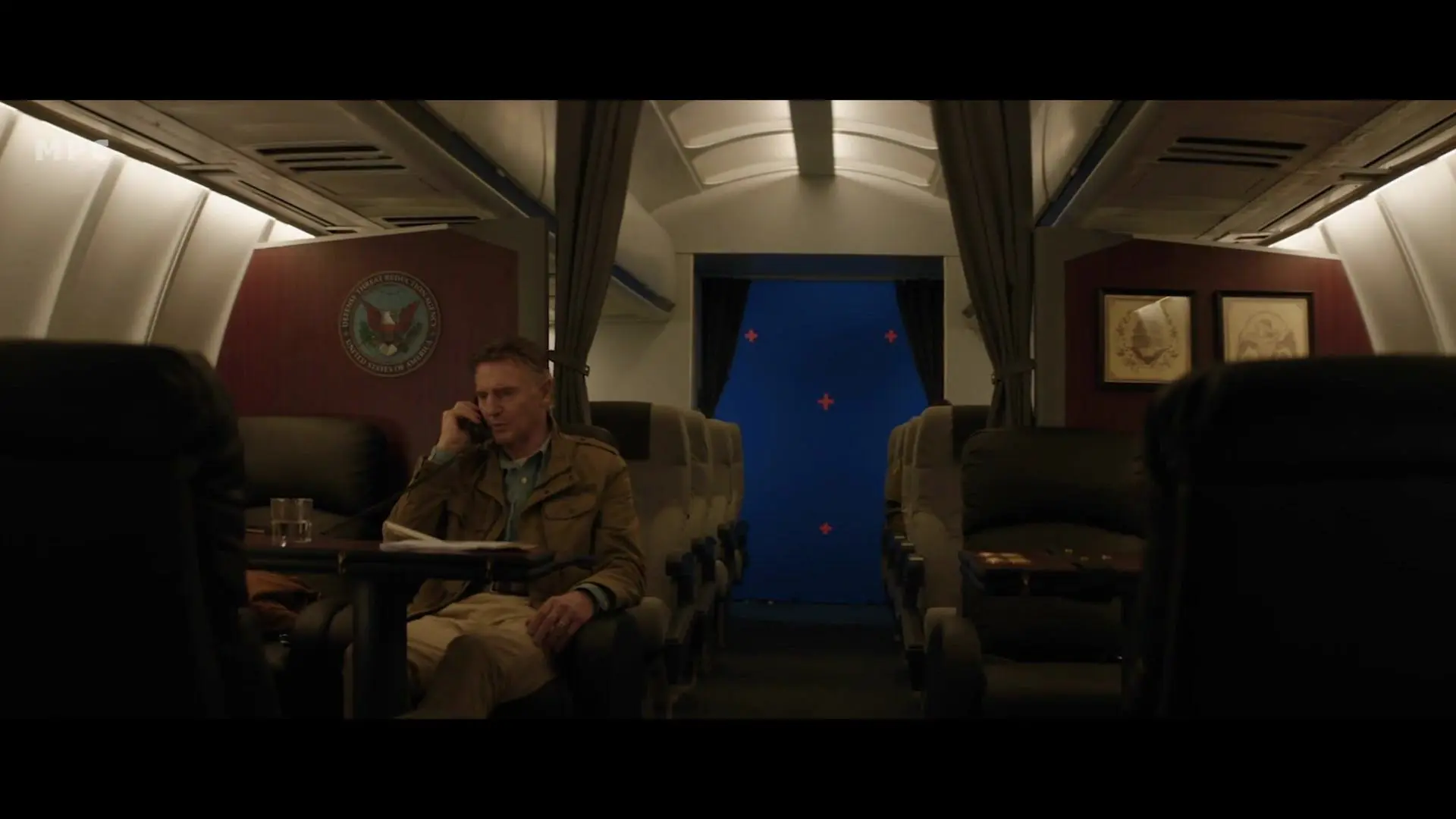
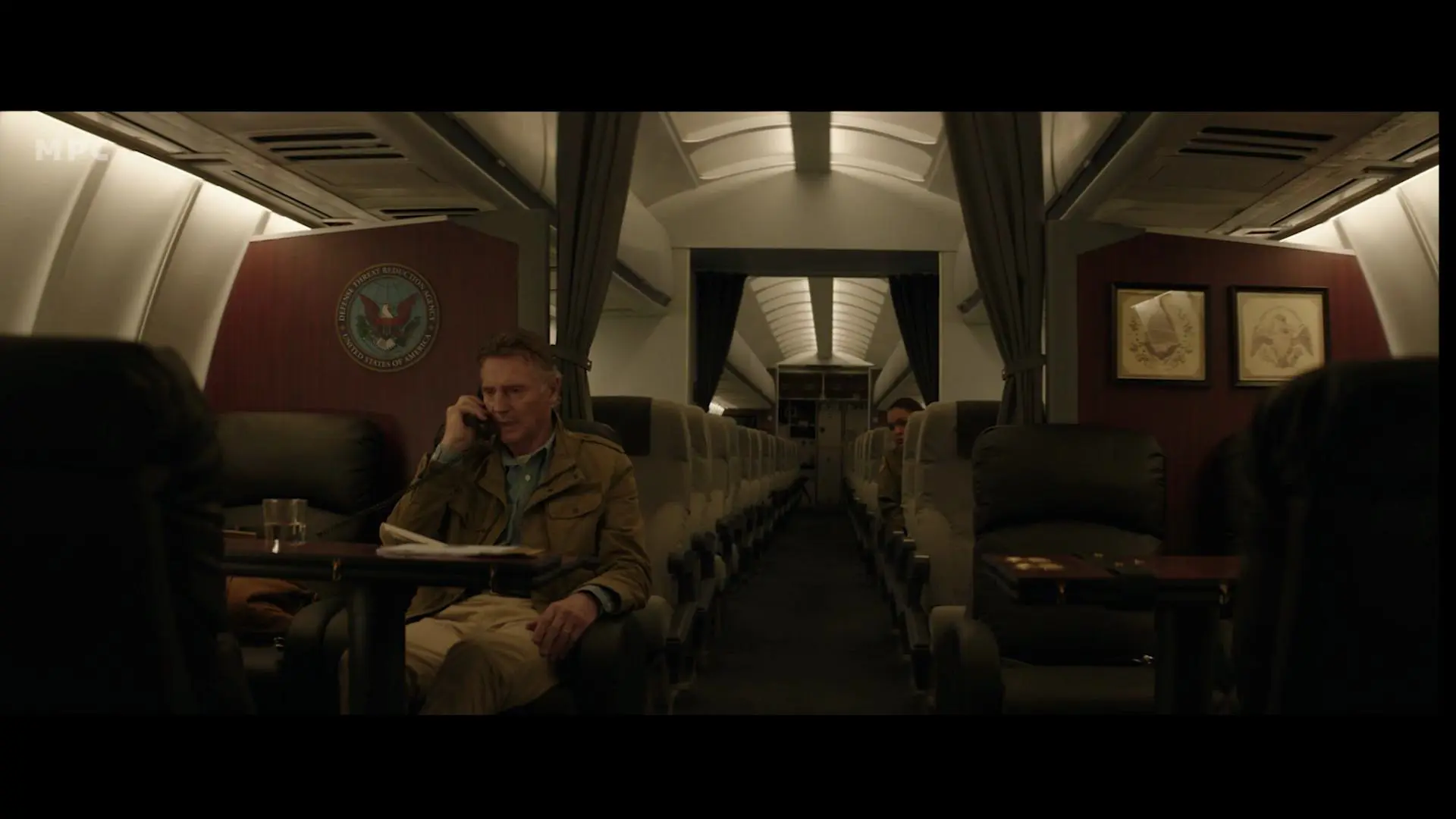
Nikolas D’Andrade : Everything was produced by MPC Paris, from on-set data capture all the way through to the DCP. We handled the assets, environments, prep, compositing, and more. Creatively, Cold Storage was a true challenge, covering the entire VFX spectrum: from basic rig cleanup to full environment destruction, creatures, digital set extensions, and the enhancement of practical SFX makeup.
The distribution of work over time and across MPC teams was particularly complex. With the edit constantly evolving, the VFX departments were tightly interconnected: creatures, environments, destruction, compositing. Every narrative change had cross-cutting impacts, so the teams needed careful coordination and a high level of flexibility throughout production.
DP: How many humans did it take to manufacture this much biological unpleasantness?
Nikolas D’Andrade : We split work mainly between Paris and Bangalore, and all in all, around 500 people contributed to the project – not all at once, but across the different phases. From a production standpoint, Cold Storage was set up to be highly collaborative and flexible. A core production and supervision team kept things on track, supported by leads across assets, animation, FX, environments, lighting, and compositing. This structure let us respond quickly to post-production needs, test screenings, and ongoing creative tweaks.
Big international projects always involve a lot of creative voices, and Cold Storage was no exception – producers, supervisors, the director, STUDIOCANAL, and the U.S. producers were all closely involved, sparking frequent artistic discussions and iterations. The whole process ran on strong collaboration, shared creative drive, and a single goal: pushing the film’s quality as far as we could.
DP: Give us the boring-but-essential part: what did the pipeline look like on this show?
Nikolas D’Andrade : We had an excellent production team – three VFX producers, a truly outstanding PM, and coordinators who were proactive, efficient, and a joy to work with. They kept work distribution, tracking, and cross-department communication running smoothly. It may sound obvious, but it’s worth saying: the production team plays a more-than-essential role – without them, the machine doesn’t run. And of course, the artists made it all happen, giving it everything they had. Huge thanks to the whole team.
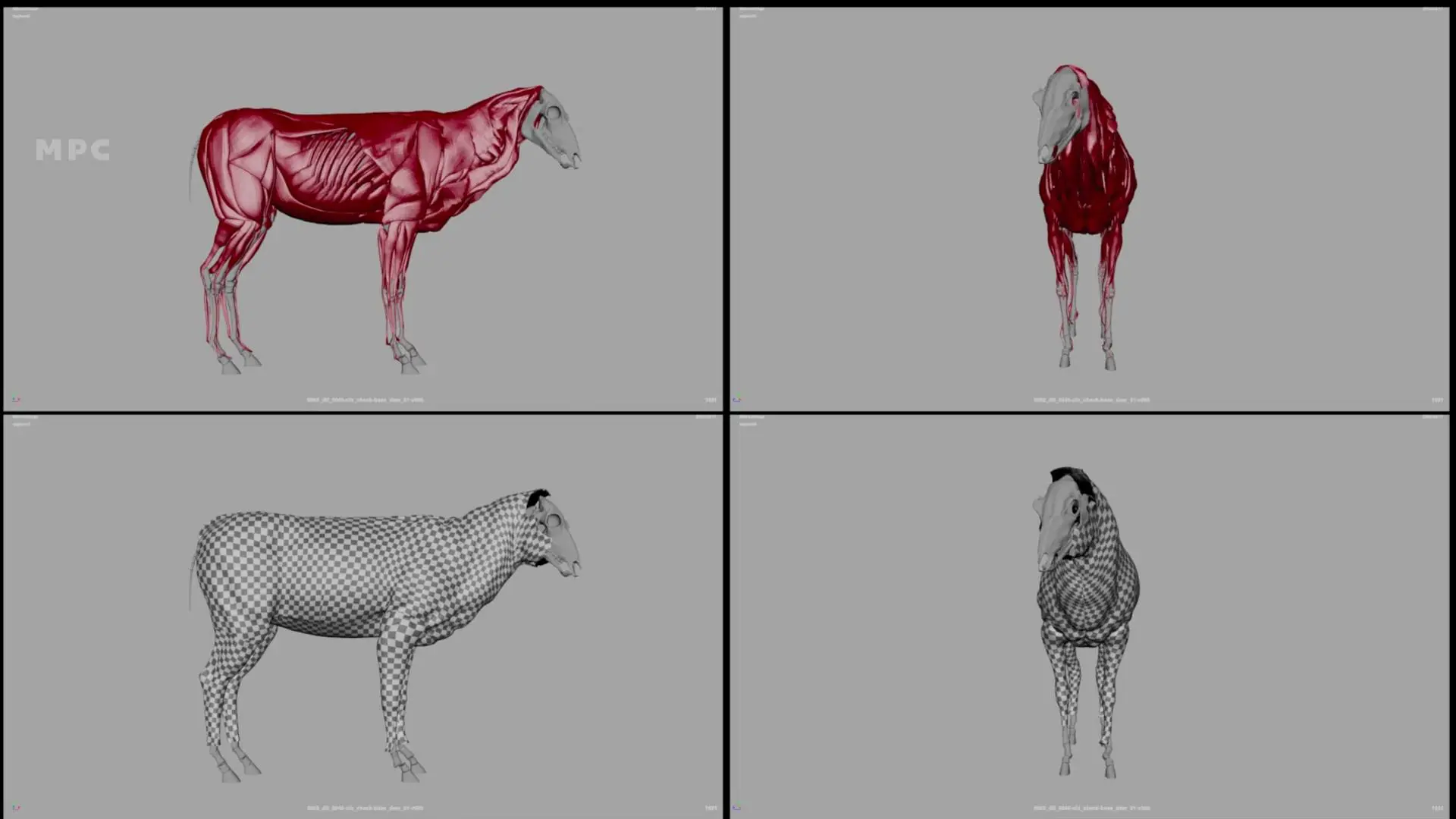
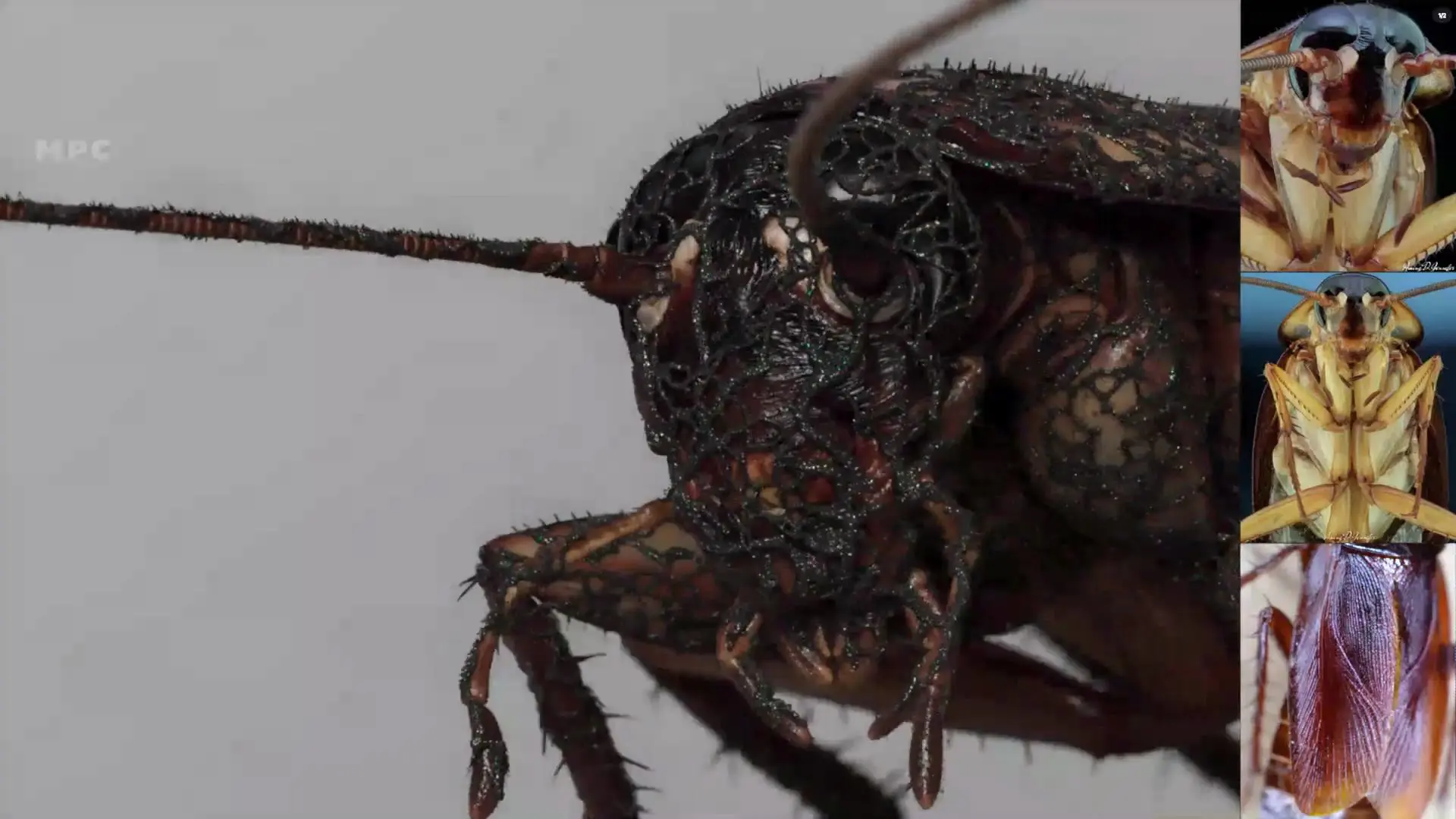
On the technical side, our process kicked off with modeling, building creatures, CG doubles, environments, and all fully CG assets. We then moved into texturing with Adobe Substance Painter, Substance Designer, and Mari, which let us handle assets smoothly and non-destructively. Lookdev came next, shaping materials, shading, and lighting in Maya and Arnold, while FX lookdev in Houdini with Arnold set the tone for dynamic elements. Fully CG sequences – the explosion, the opening timewarp, macro shots inside veins and the brain, and the late-arriving cockroach sequence – each brought their own challenges, tackled as they entered the pipeline.
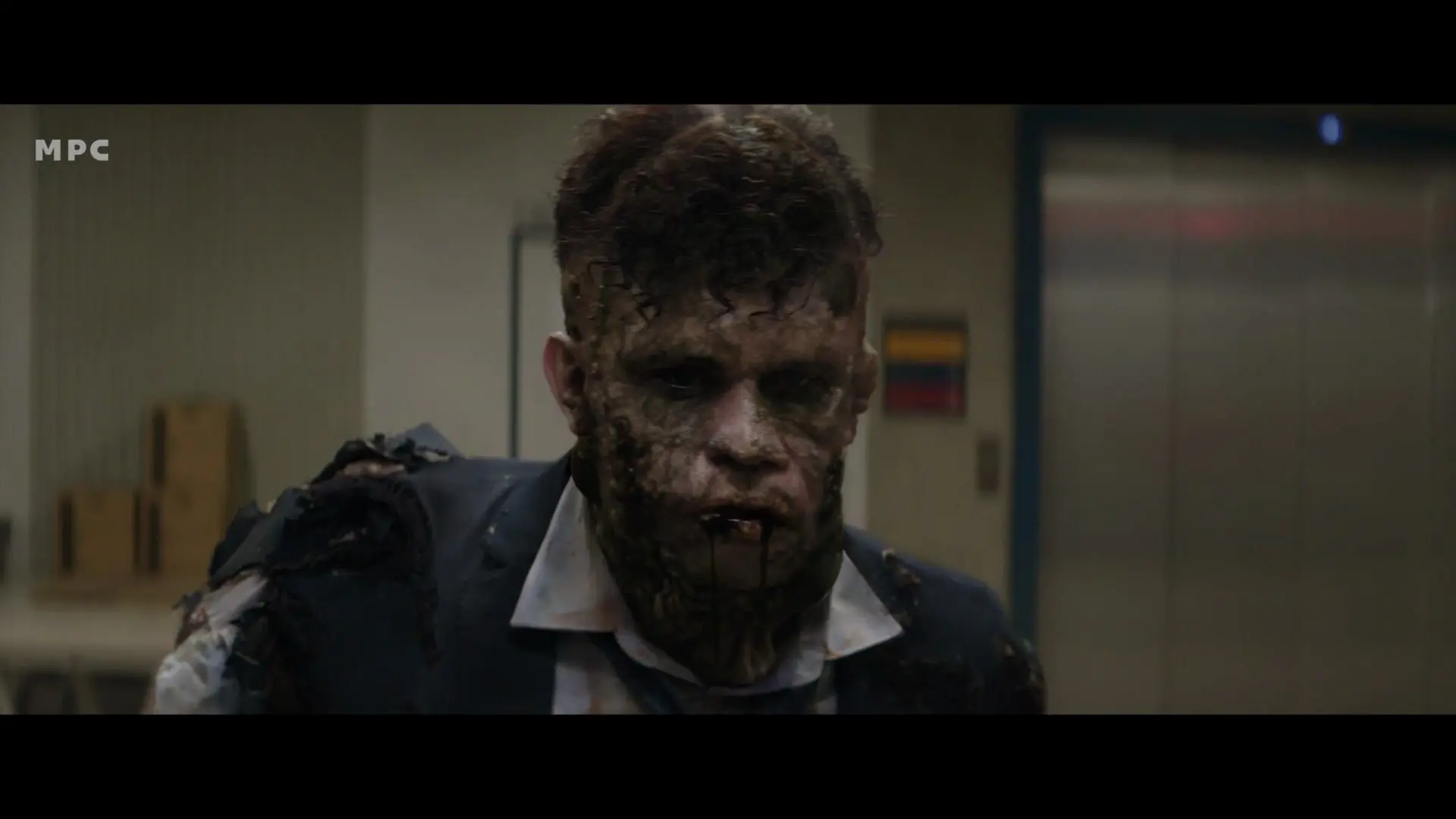
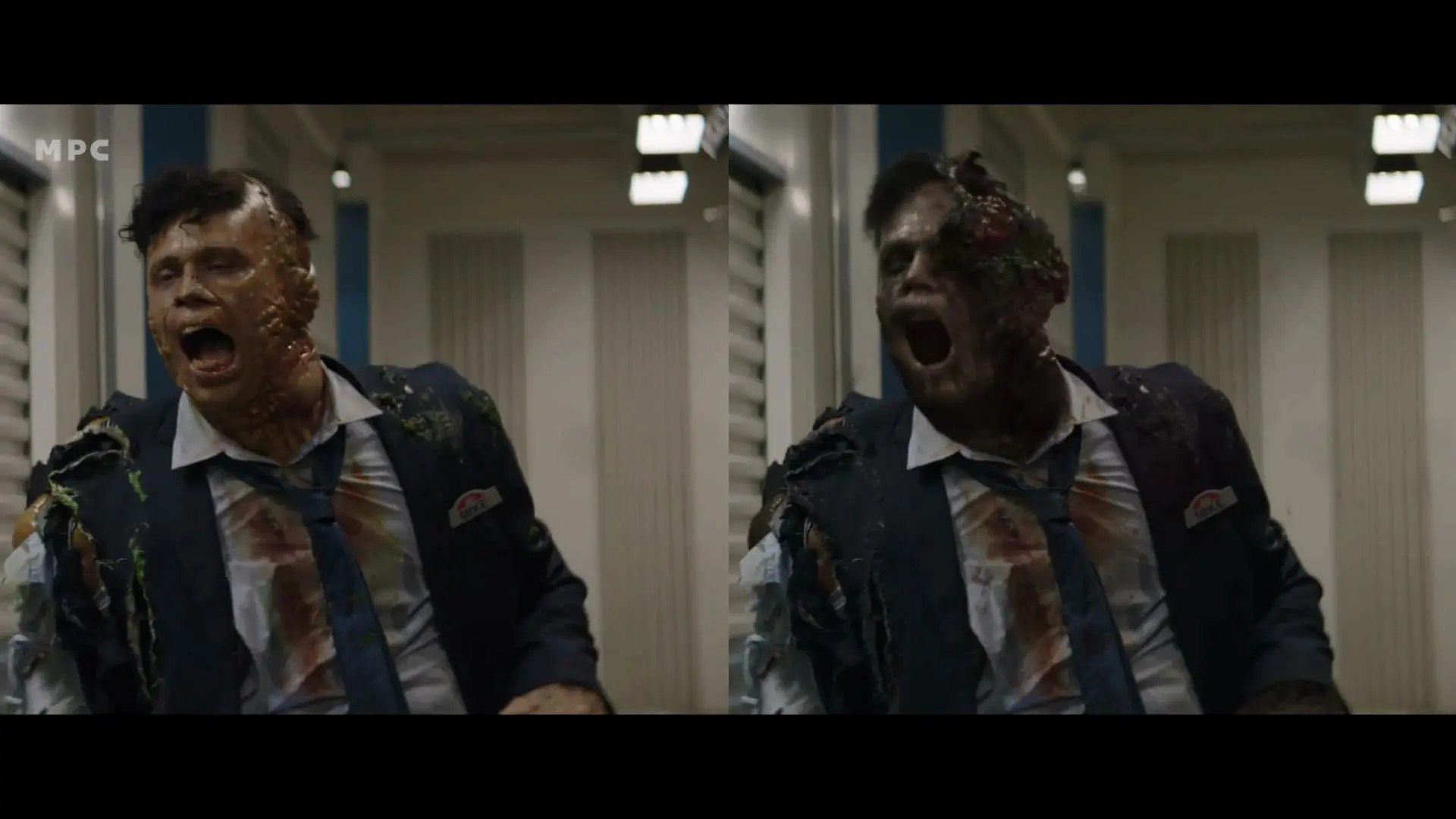
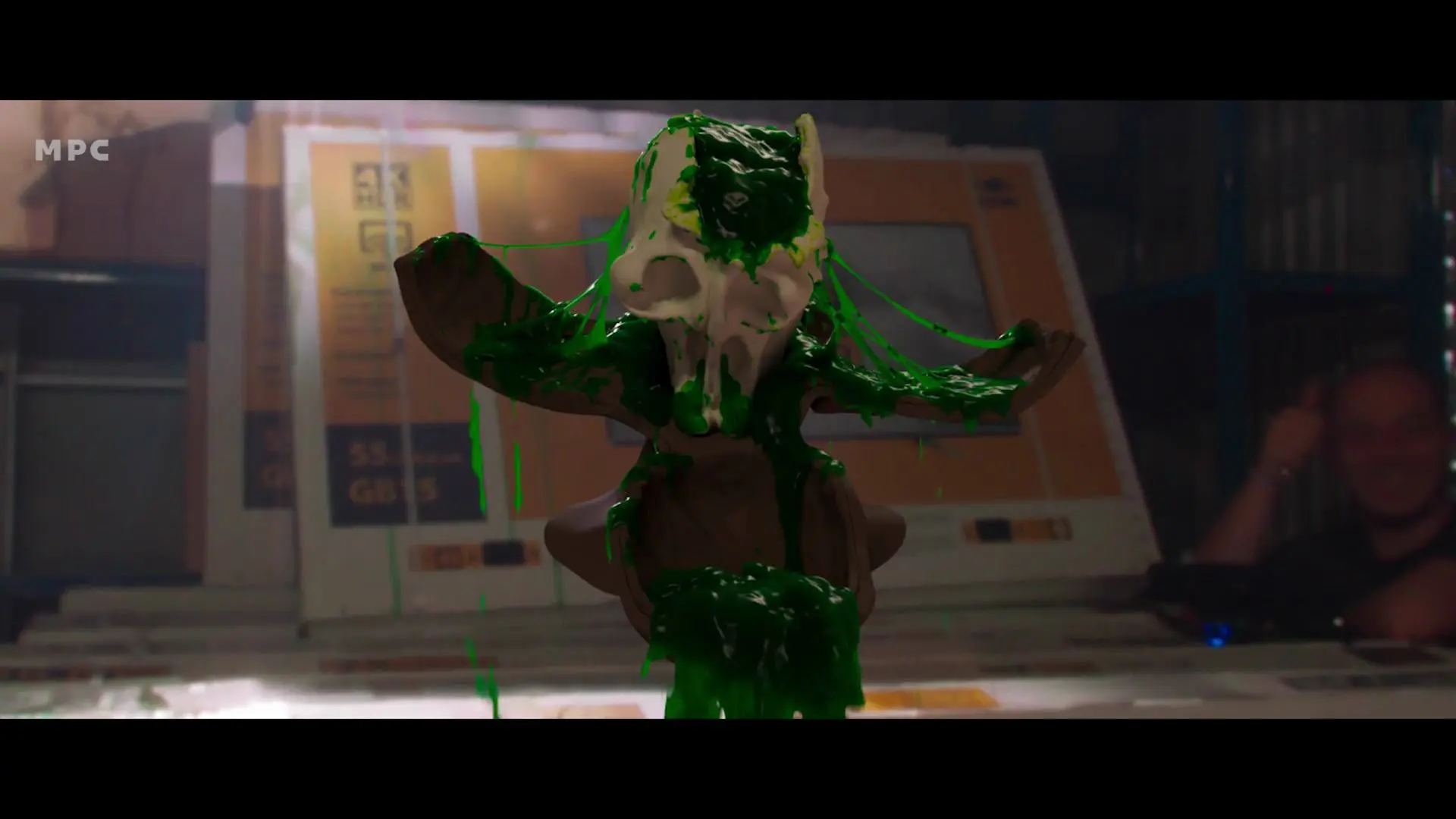
At the heart of it, MPC Paris relies on a pipeline honed over the years and shared with The Mill Paris, built around Arnold, Maya, Houdini and Nuke. This blend of trusted workflows and smart custom solutions let the teams stay nimble while delivering complex sequences to the highest standard.
It was also on this project that we were able to launch the development of a workflow manager prototype, which allowed us to automate entire sections of our production chain. This prototype has since been merged with our flagship open-source software, Meshroom.
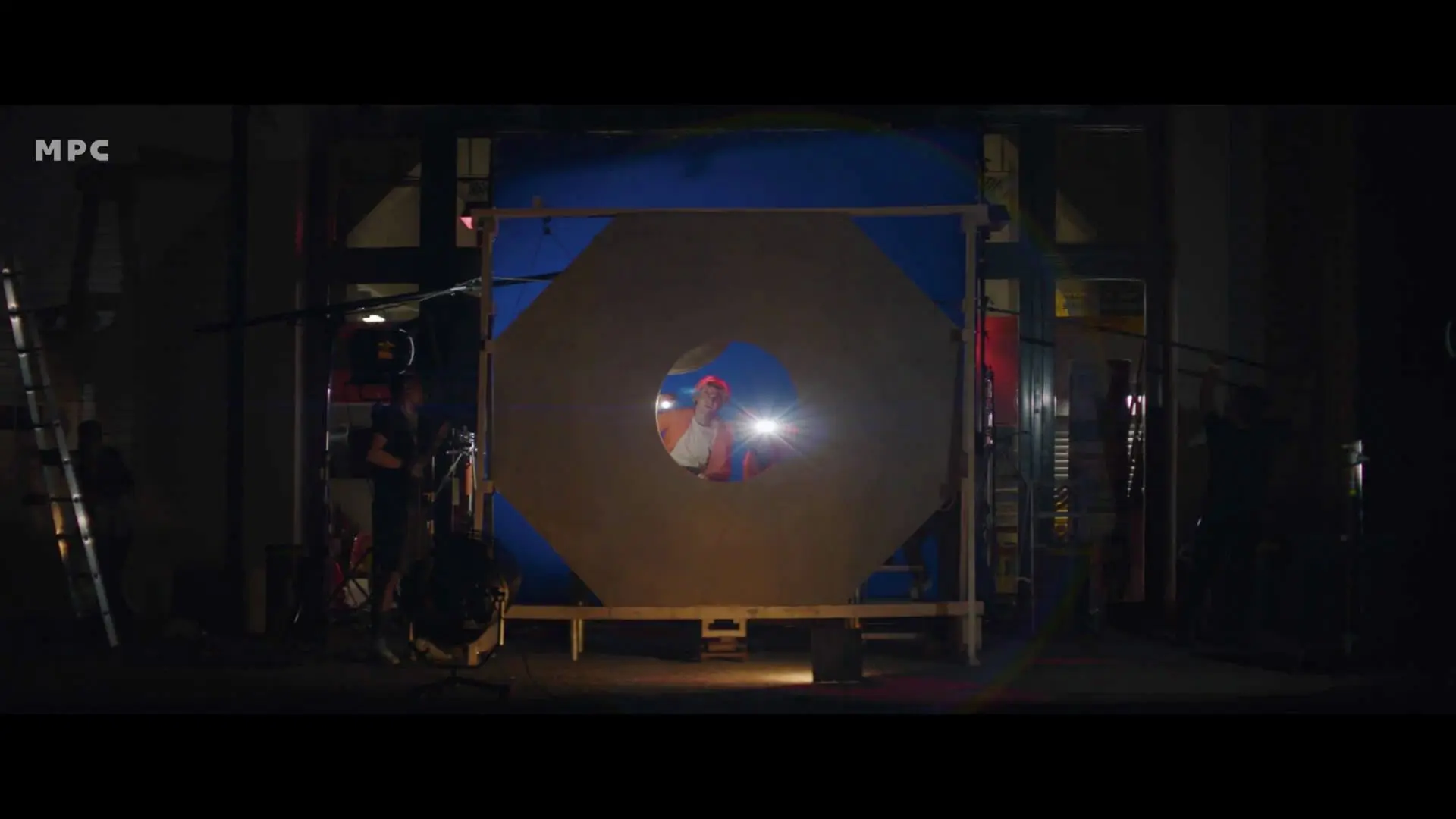
DP: You were on set. What is your mental checklist before you sign off on plates and walk to the VFX suite?
Nikolas D’Andrade: I don’t handle data capture myself, I have a dedicated person or team for that. There are a few reasons: First, I need to stay constantly next to the director, the DP, or the 1st AD to control what’s happening. Even on shots that, at first glance, aren’t supposed to be VFX. It’s often exactly in those cases that you need to be there, because things can quickly impact the budget, like shots that weren’t planned in the bid.

Second, it’s simply logistical: when we change setups, that’s when a lot of creative and technical discussion happens between the director and the DP (and sometimes other departments). I can’t afford not to be there because I’m busy taking measurements or photos.
I’m also there as an authority figure during certain captures (HDRIs for example), to make sure nobody moves on set while the wrangler team is shooting the HDR. I ask my team to note certain things in the VFX report that might help us later, or that will require discussion during the edit (continuity, extra work, or creative input).
On my side, I write a daily VFX LOG, a shot-by-shot journal of what we shot the day before, which I then send to the producer and the VFX producer, so I can flag any complications that will require additional work, or, on the contrary, confirm that everything went as planned.
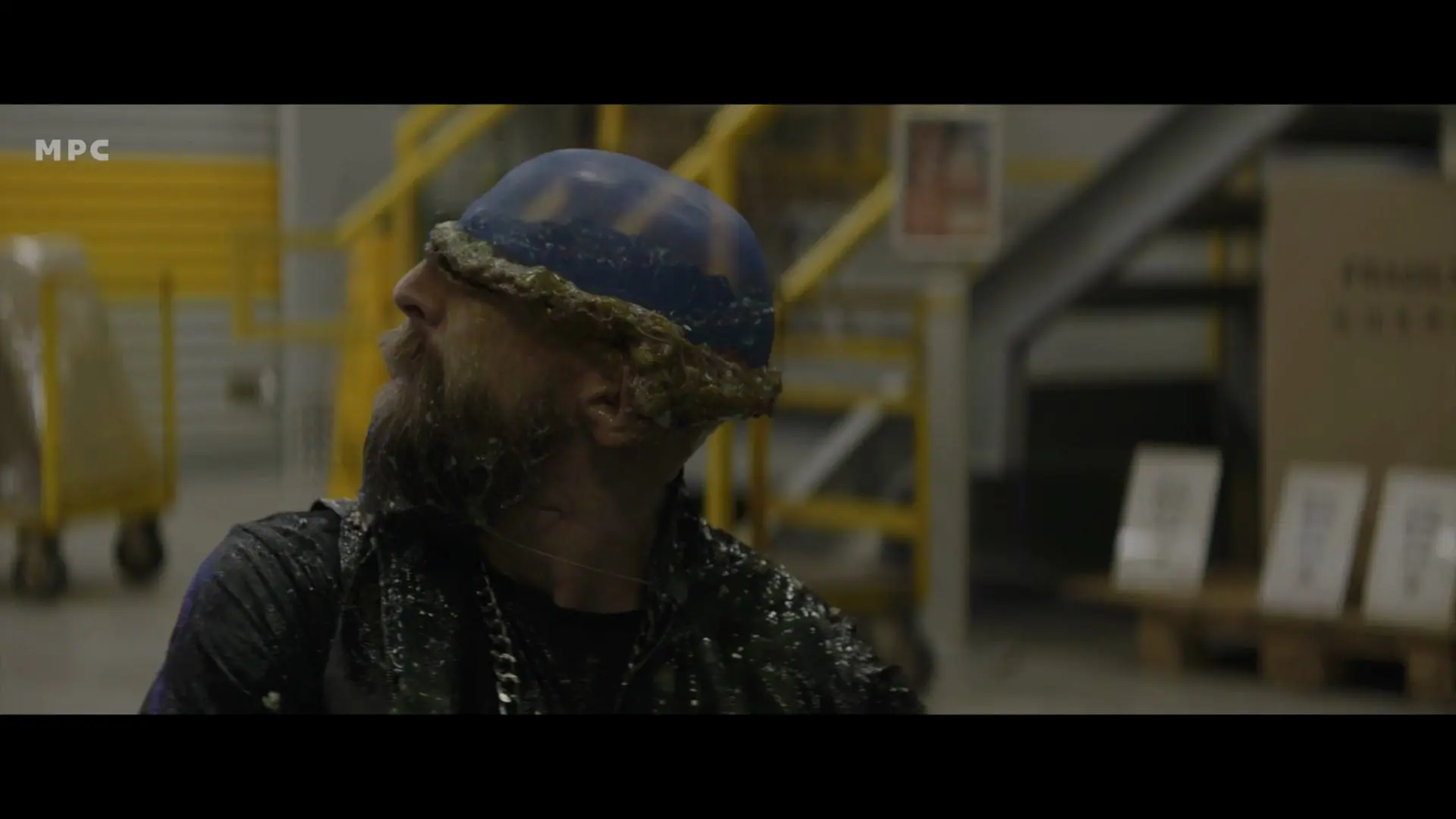
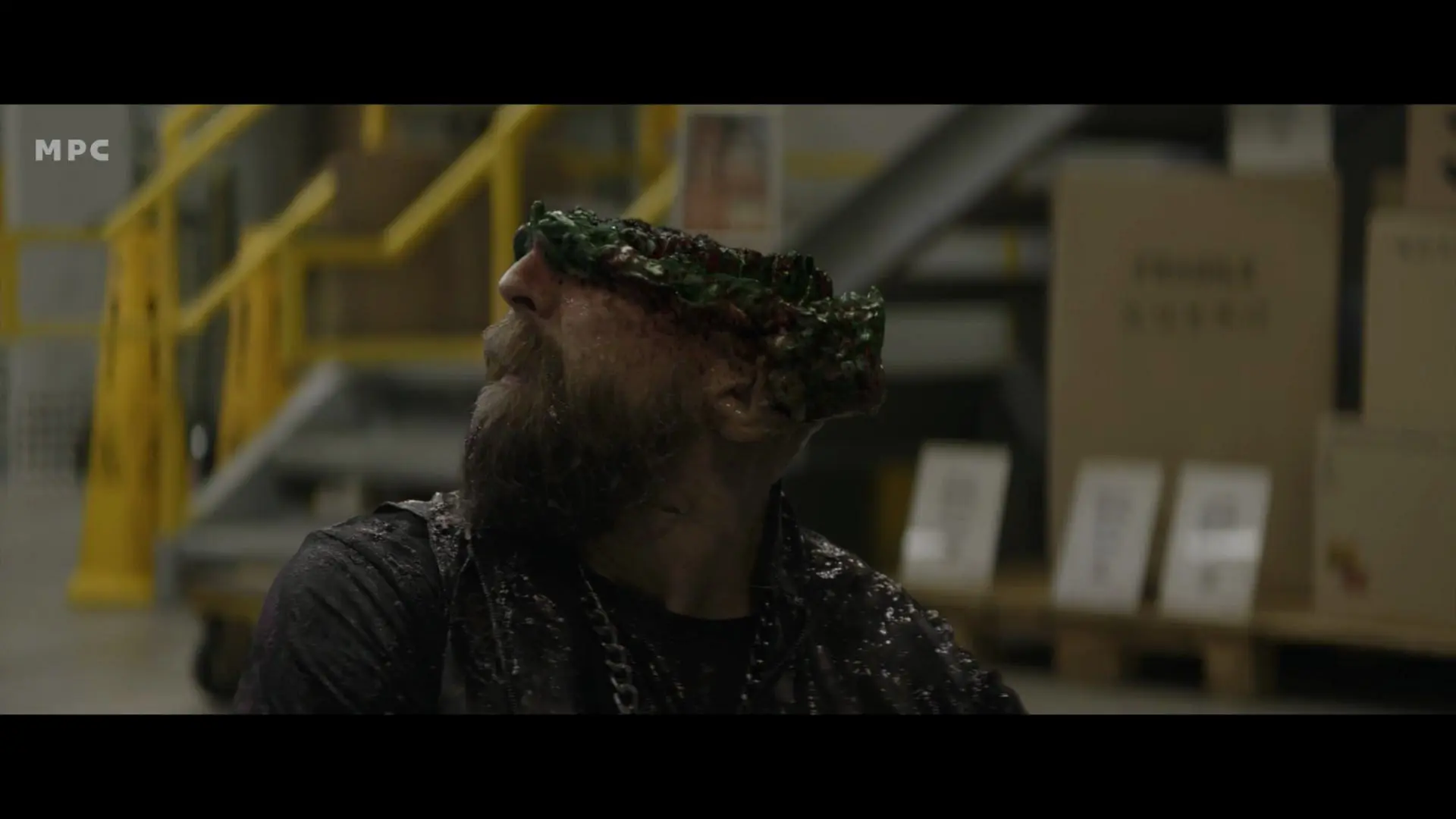
DP: What’s in your on-set bag of tricks these days, besides gaffer tape and quiet despair?
Nikolas D’Andrade : Personally, I have my iPad with me so I can draft/paint over things to show or discuss specific points with the director, along with the screenplay, the VFX breakdown, and the day’s call sheet/work plan provided by the 1st AD the day before. I also carry my walkie-talkie so I’m in constant contact with my wrangler team.
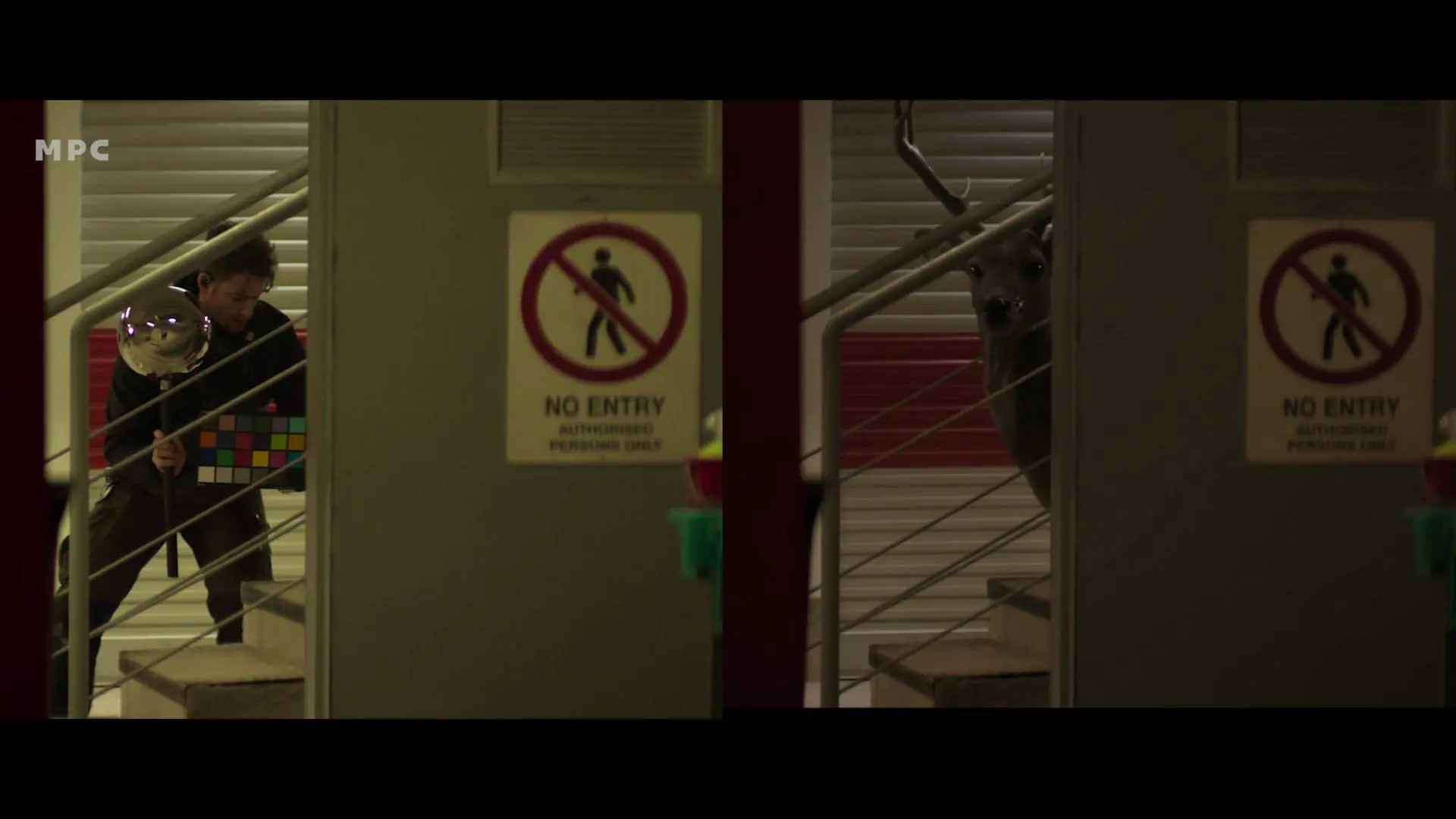
For the wranglers on set: the usual kit. ColorChecker, chrome/grey balls, a laser distance meter, tape measures, a stills camera with different focal lengths – I usually ask for a CPL filter to cut reflections on polarized materials such as water and other shiny surfaces, except metal, so we can provide references and textures with as less lighting interference as possible, plus LiDAR.
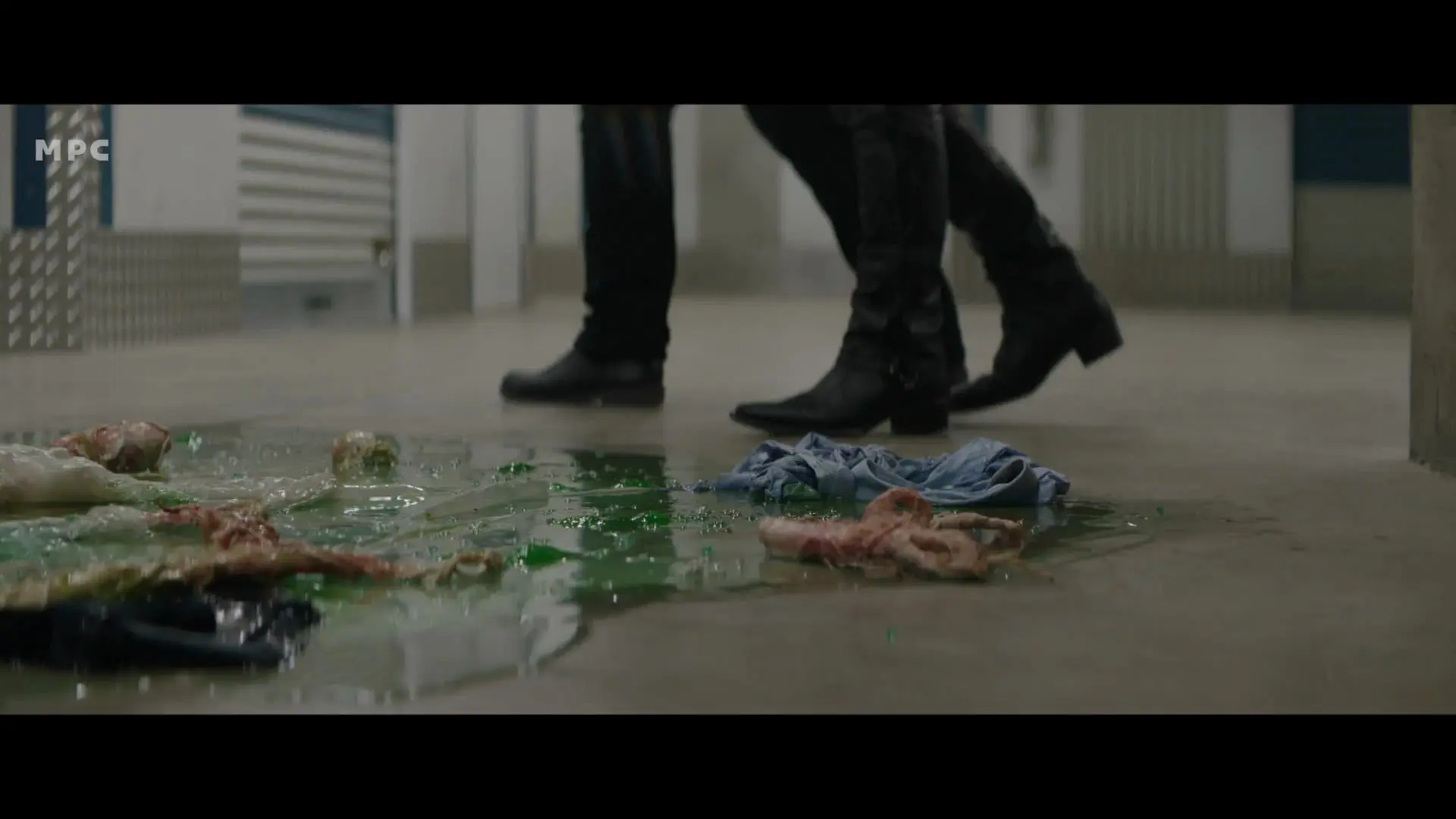
DP: Tooling question, but make it spicy: what’s new in the MPC toolbox now that you’re inside the TransPerfect umbrella?
Béatrice Bauwens: Tooling-wise, moving into the TransPerfect Group didn’t mean starting from scratch. Under Technicolor, we had a massive global toolbox across MPC Paris, The Mill, Mikros Animation and Technicolor Games, and that legacy came with us when we joined TransPerfect. A good example is Meshroom, which still powers a lot of our workflows. On top of that, TransPerfect DNA is about technology. This is a perfect place for us to land with great opportunity to innovate and find the smartest technical and human solutions for filmmakers… Cold Storage gave us the perfect playground to test new techniques, strengthen the studio, and keep raising the bar.
DP: Roughly how many shots were “normal”, and how many were “this needs a hazmat suit”?
Nikolas D’Andrade : We delivered 575 shots in total. Roughly 300 were “invisible” VFX such set extension, makeup enhancement, while the more “hazmat suit” work broke down to about 175 slime/fungus shots, 60 creature shots, and 23 explosion shots.

DP: Slime is a liar. How did you keep viscosity, weight, and stickiness from drifting into videogame goo?
Nikolas D’Andrade : The process was long, but honestly very cool to develop. My very first step, right after our early pre-production discussions with director Jonny Campbell, was to read David Koepp’s novel to find details that can be useful but are sometimes hard to convey in a screenplay because of format limitations. David writes hard sci-fi, grounded in scientific and physical principles (which I personally love, authors like Carl Sagan with Contact, or Kim Stanley Robinson’s Mars trilogy).

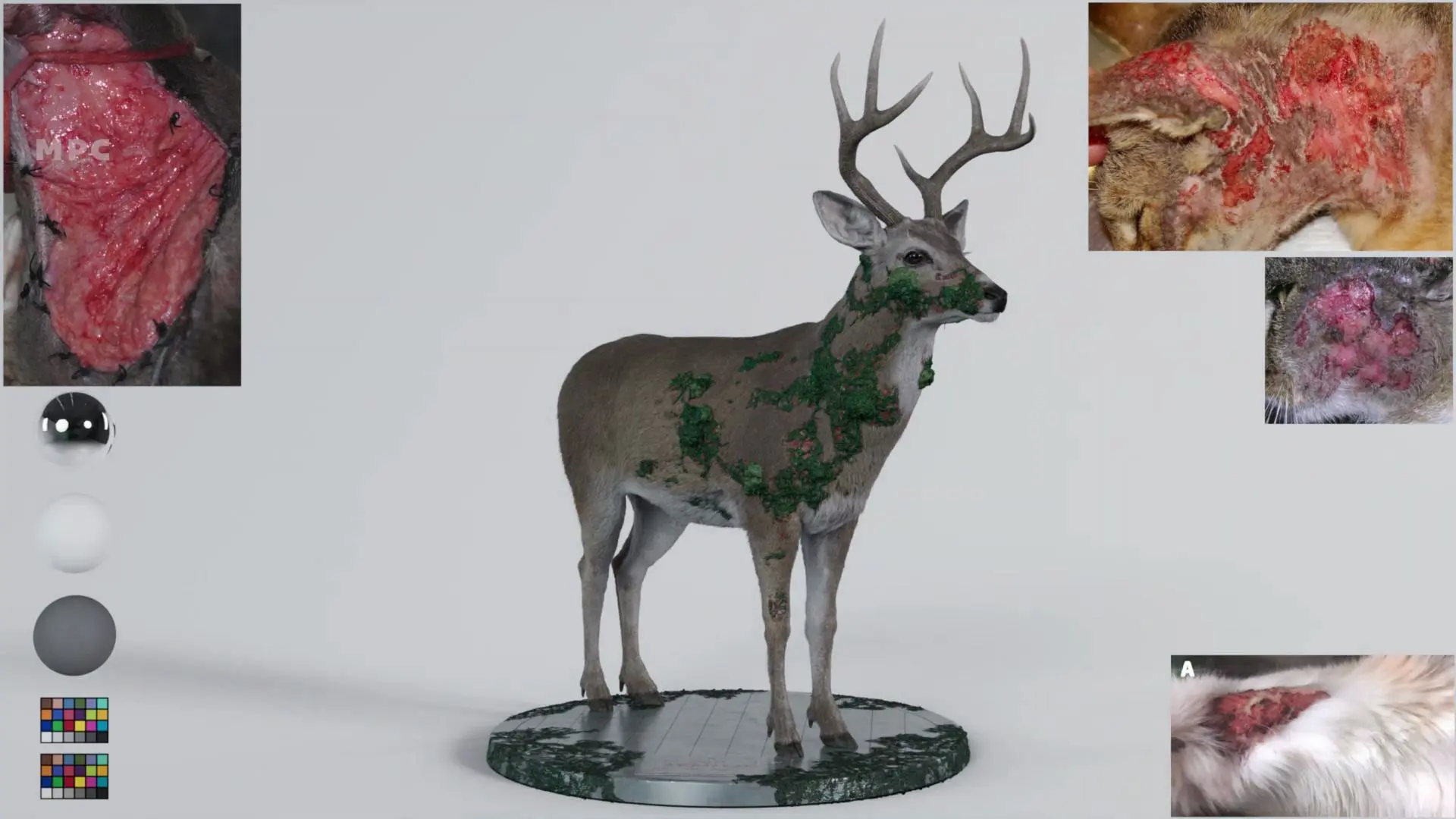
In the novel, we learn how this cordyceps “evolves” depending on the chemical elements it encounters and absorbs. It mutates and evolves into an increasingly intelligent entity, constantly trying to spread further. That became our starting point for giving personality to what is essentially the film’s antagonist. For example, its favourite molecule, its holy grail, is water, and its worst nightmare is fire. There’s a shot, a top shot, where we designed the fungus shape on the tarmac after a vehicle explosion: a dead zone in a circular shape, because it’s too hot for it to get close.
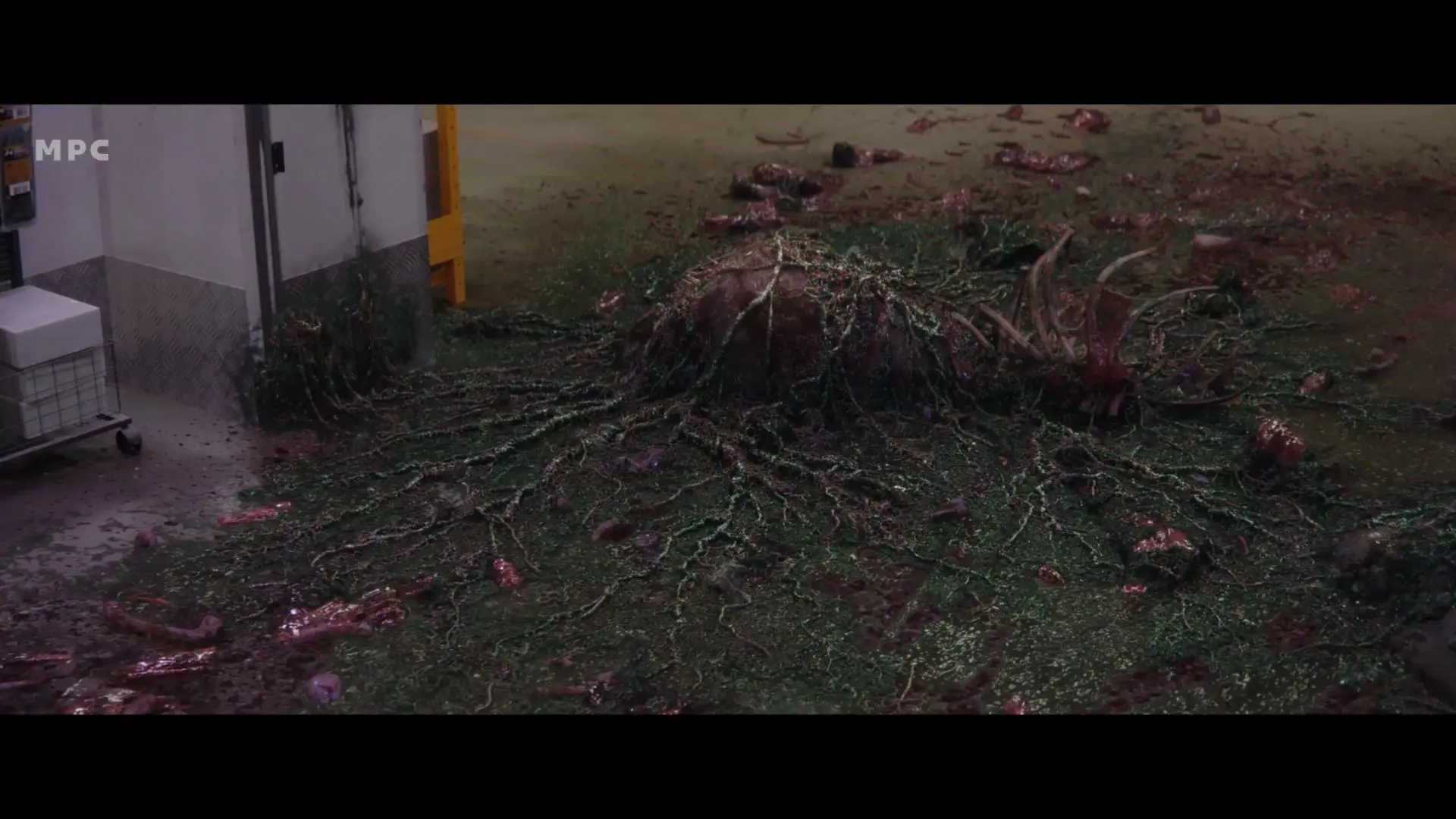
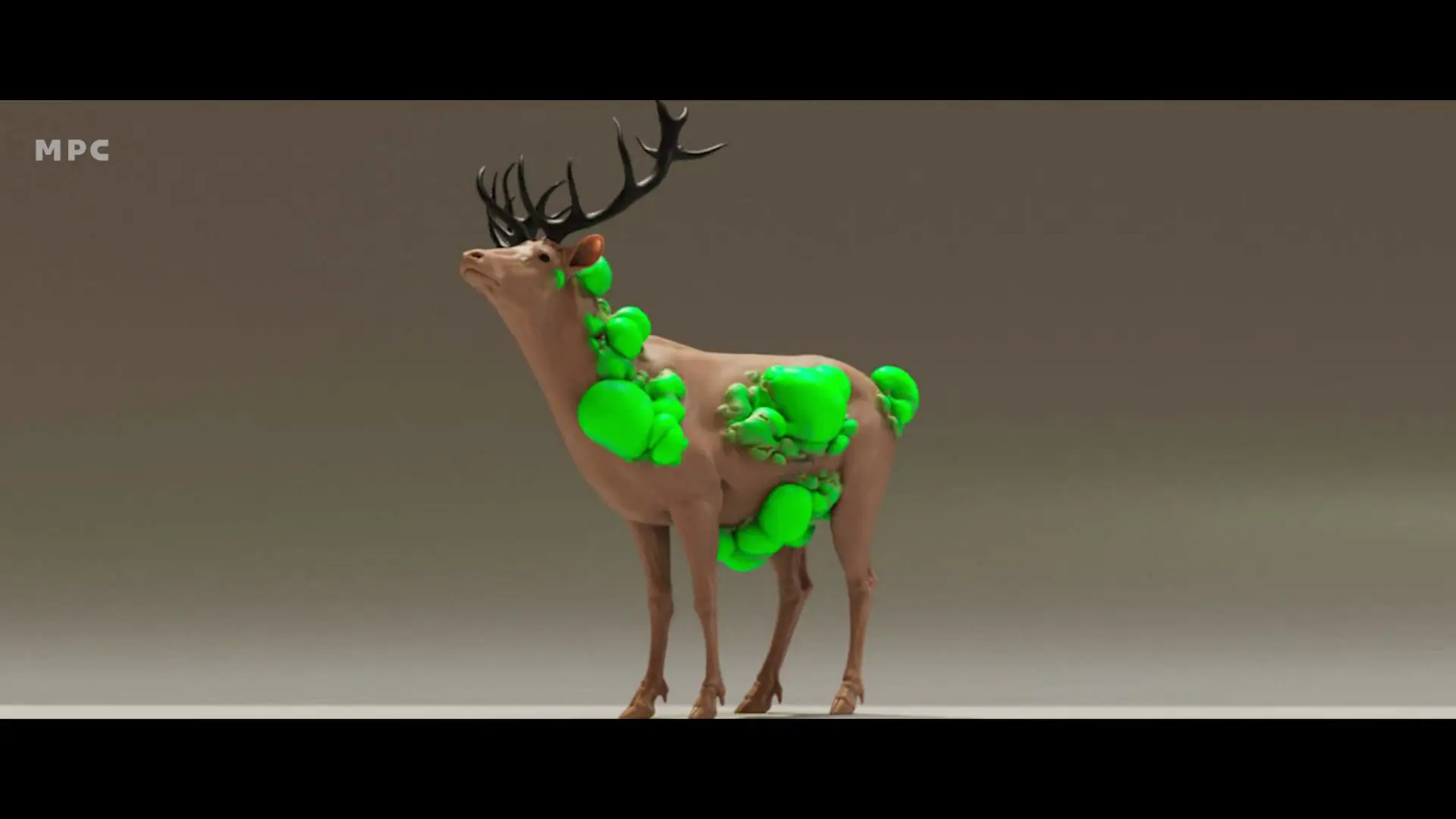
From there, we worked closely with the FX team and entered an R&D phase. We needed an asset, something we could almost “release” into a 3D scene and let it live its life, the way a cordyceps would, but at the same time, because we know the constraints and reality of working with production constraints, such as framing, we still needed control over its propagation so we could design it shot by shot.
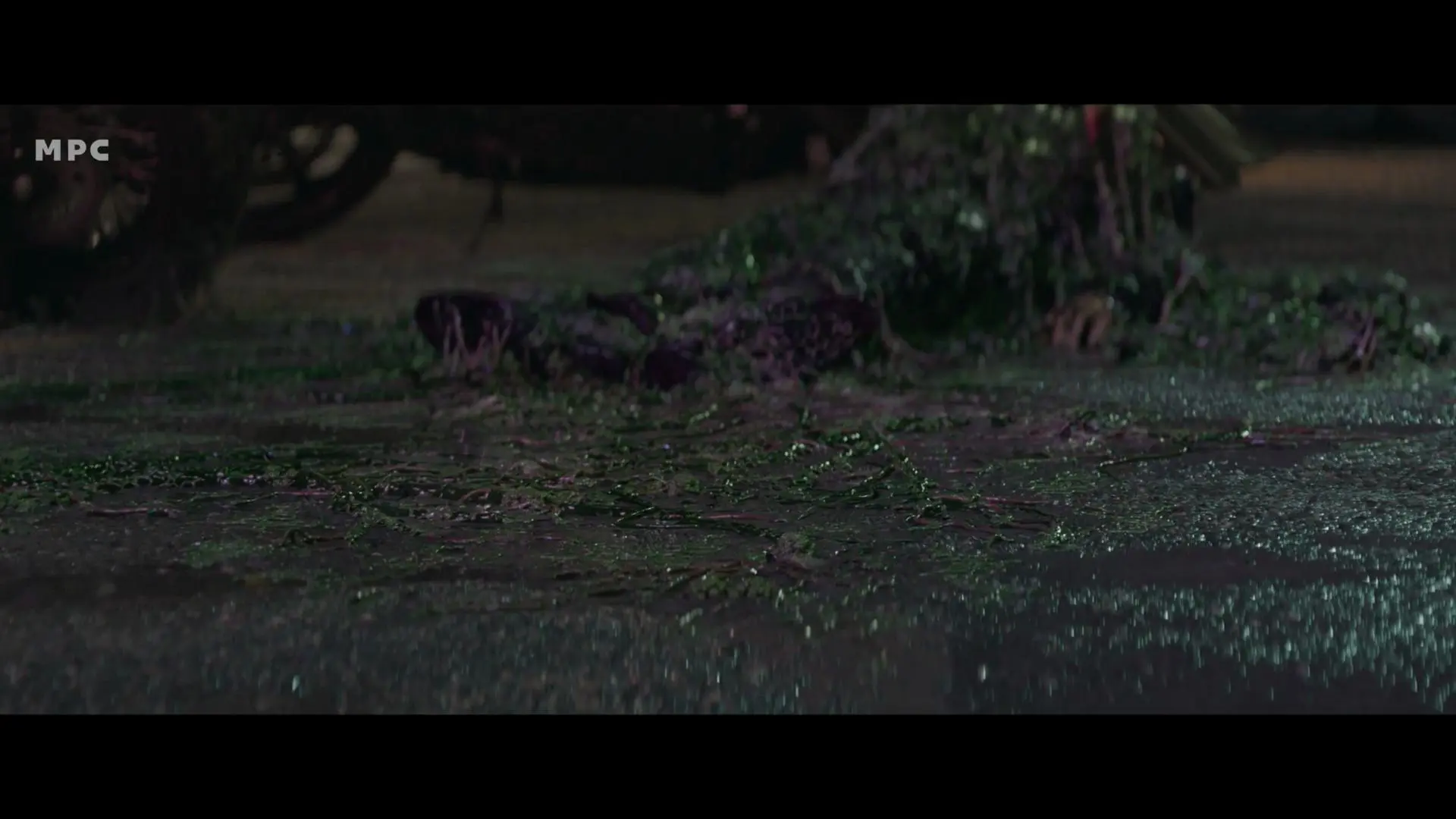
We also asked ourselves very practical questions: how does it get through a gap? And we established rules like: it spreads faster or slower depending on the surface, if it’s water, it spreads extremely fast. That’s why in the parking-lot scene after Dr. Friedman’s implosion, the parking is almost completely covered within just a few shots, whereas in the storage facility it progresses much more slowly.
For lookdev, we went through a lot of back-and-forth to find what felt best. The original brief was a fluorescent green, but we ended up moving toward a more vegetal green, testing options like verdigris tones or even black. I personally liked the black because it added a more threatening feel, but it leaned too much into a Venom-style symbiote vibe and also created readability issues in darker moments.
DP: Who paid the price for the slime? How did you split the work across departments, and how many iterations did it take before everyone stopped wincing?
Nikolas D’Andrade : All departments were involved constantly, because whenever we did a new iteration, say we or the client felt the fungus was moving too much in a shot for instance. We had to adjust the asset parameters inside the shot, re-sim, re-export the Alembics, re-render, and then update the comps. The FX team was by far the most relied-upon, because they “owned the recipe” and knew how to cook it. They did a fantastic job, by the end we genuinely had a real digital cordyceps asset.
DP: Before this film, did you know what a rat king was, or were you blissfully untraumatised?
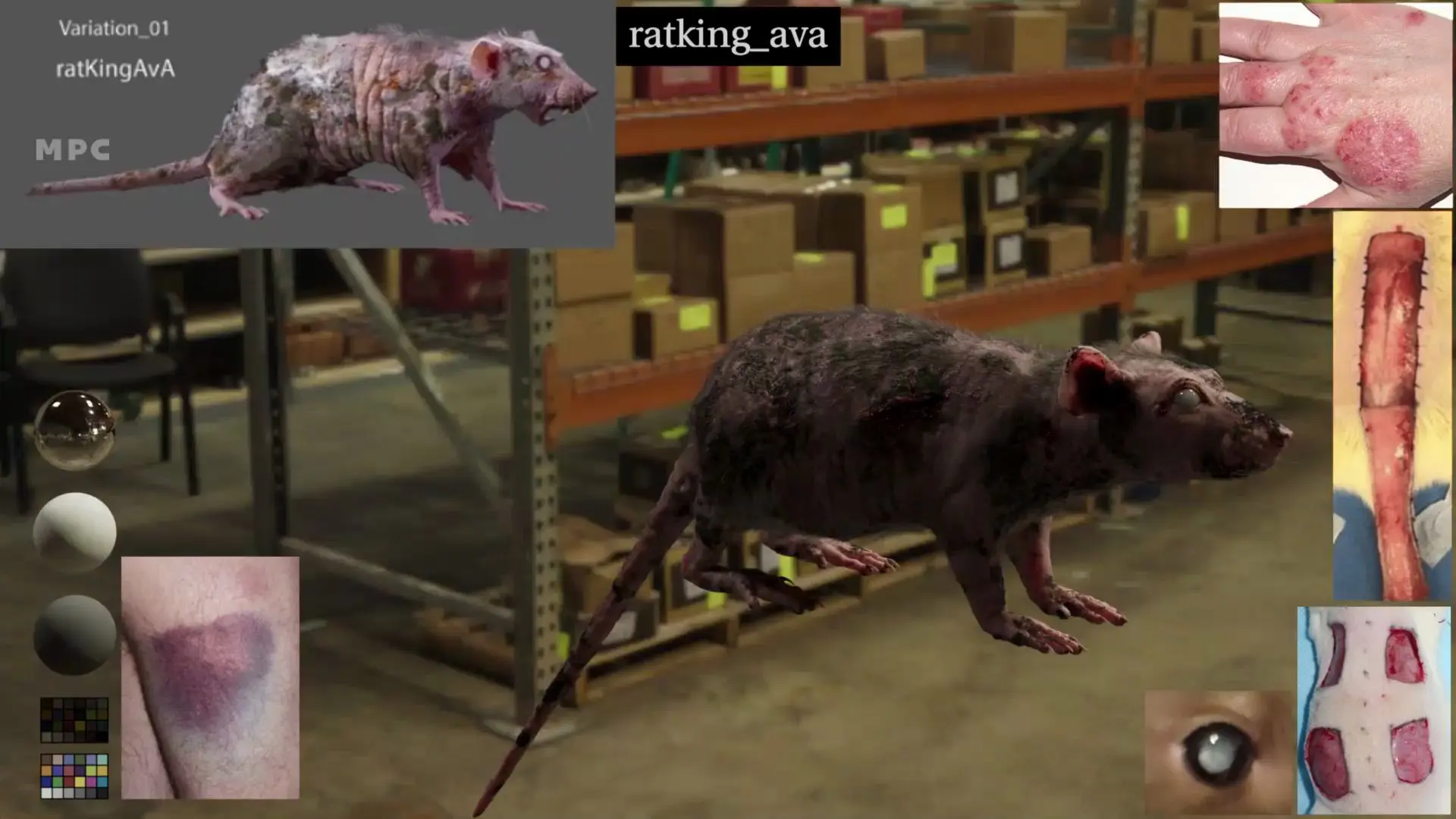
Nikolas D’Andrade : Yes. I’d heard about it a long time ago, but to me it was basically an urban legend. During my pre-production research, especially after reading a 2006 white paper from the Natural History Museum / University of Tartu in Estonia. I realised it’s probably not just a legend, but a real (and very rare) phenomenon.
The director had initially sent me a photo he found online, and from there I tracked down more images. Even so, we ended up doing the concepts largely from scratch. If you’re curious, here’s the paper I’m referring to:
Miljutin, Andrei. (2007). Rat kings in Estonia. Proc Estonian Acad Sci Biol Ecol. 56.
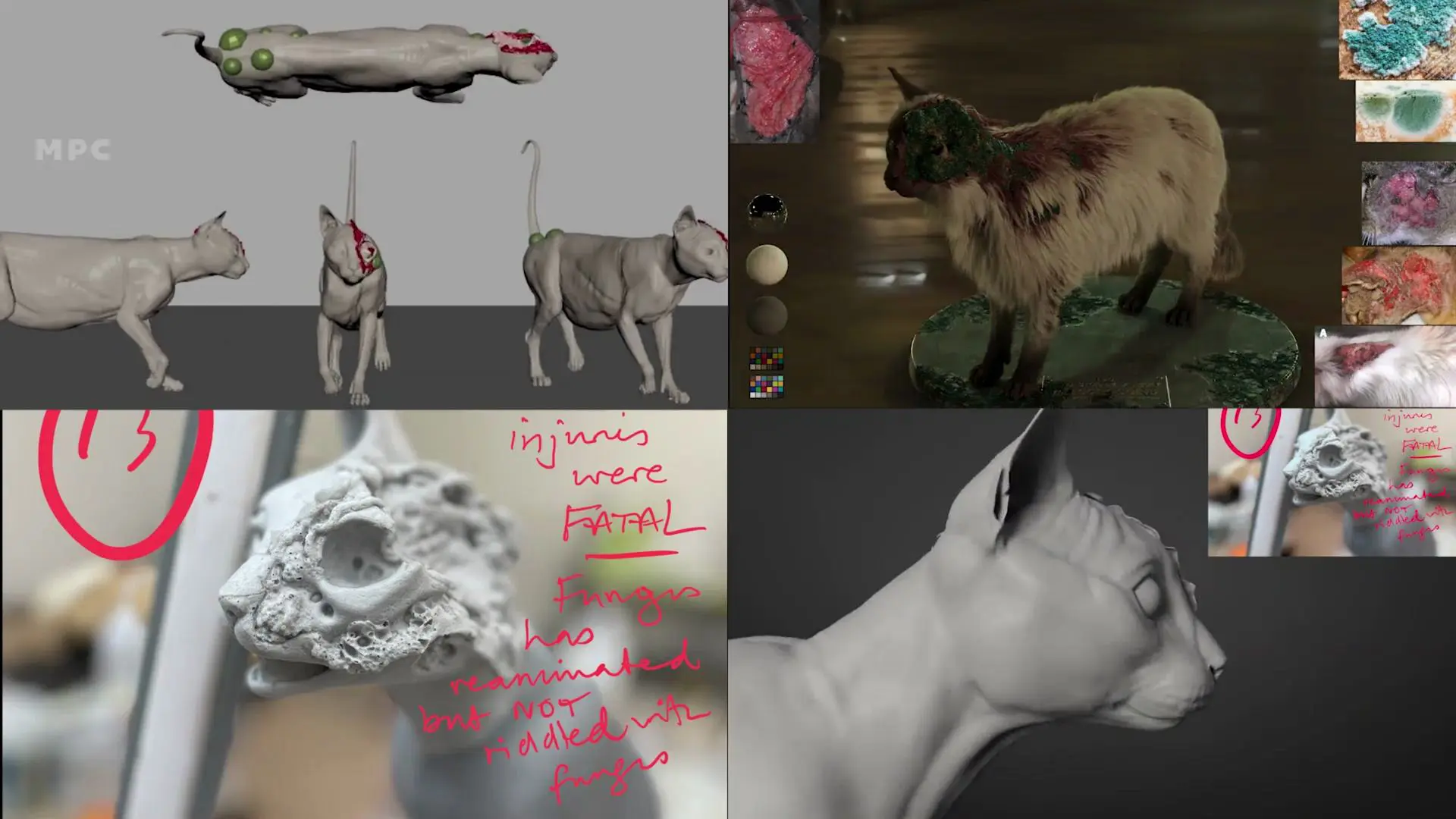
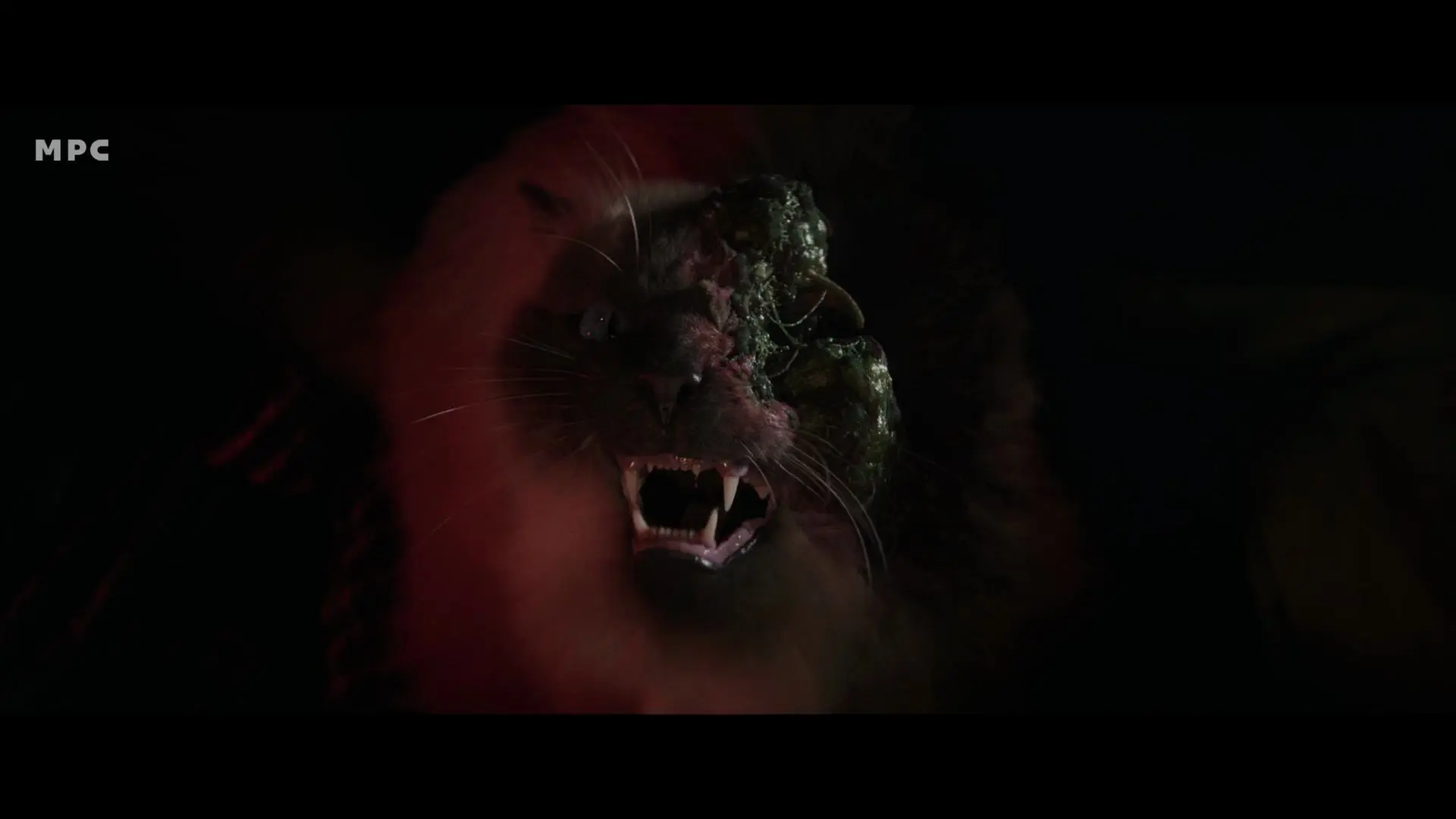
DP: Cats have infinite internet references. Deer have nature documentaries. Rat kings are rare and appear mostly in nightmares. How did you even start designing and animating that thing?
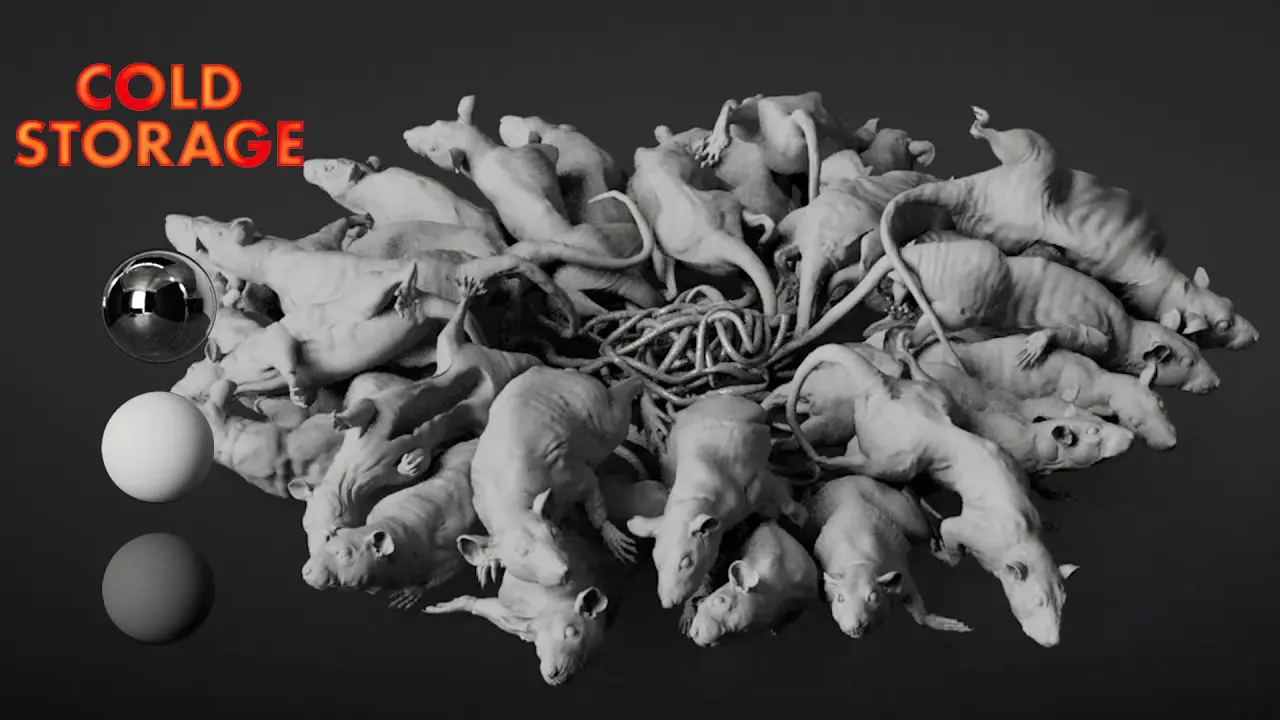
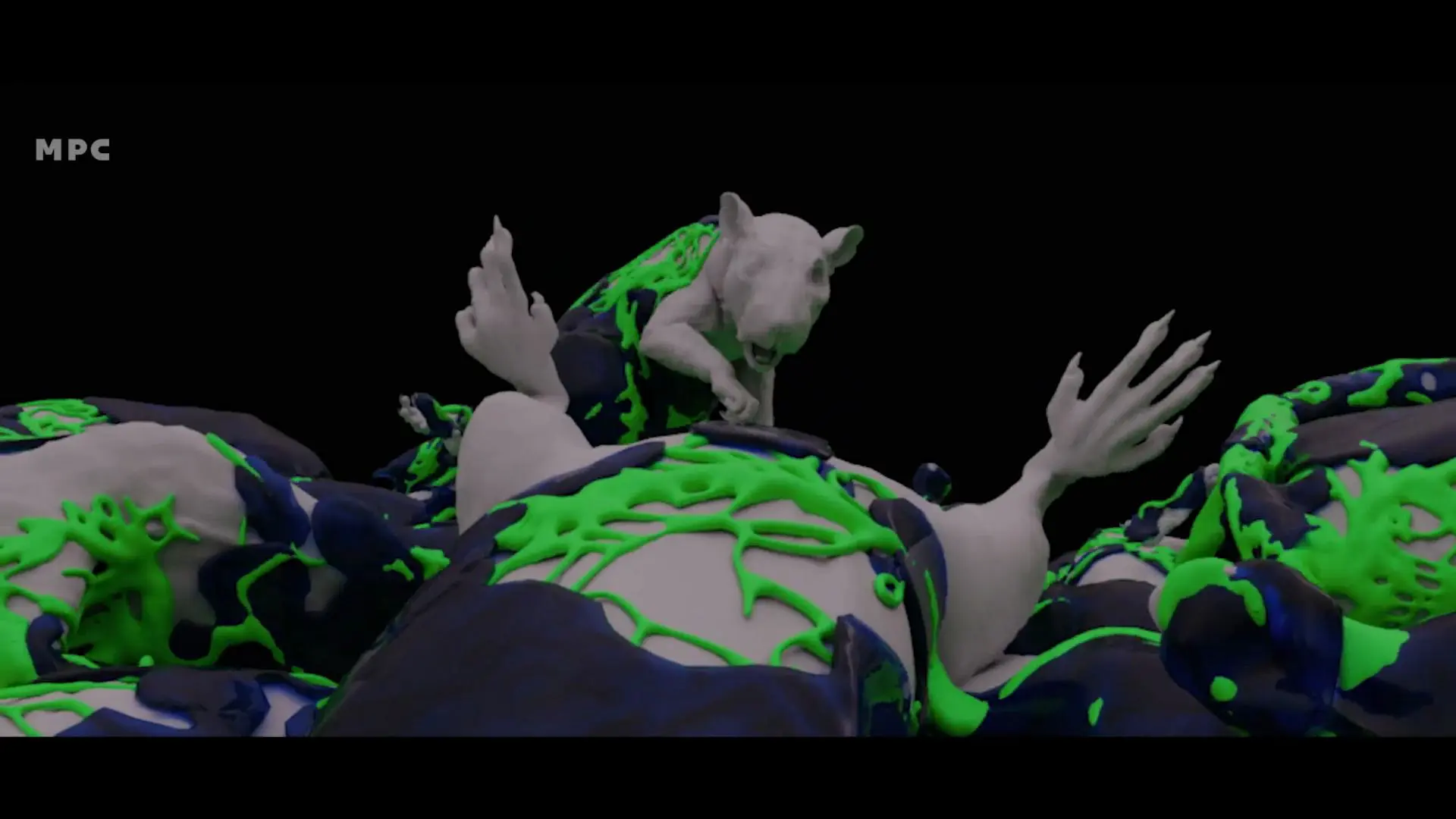
Nikolas D’Andrade : Based on the concepts and the photos we found, the brief we received was that the tail knot was the epicentre, almost like a python pinned into the concrete floor. As a result, each rat is trying to pull in a different direction, but they’re all restrained by that fixed point, like a dog trying to attack you while tied to a pole.
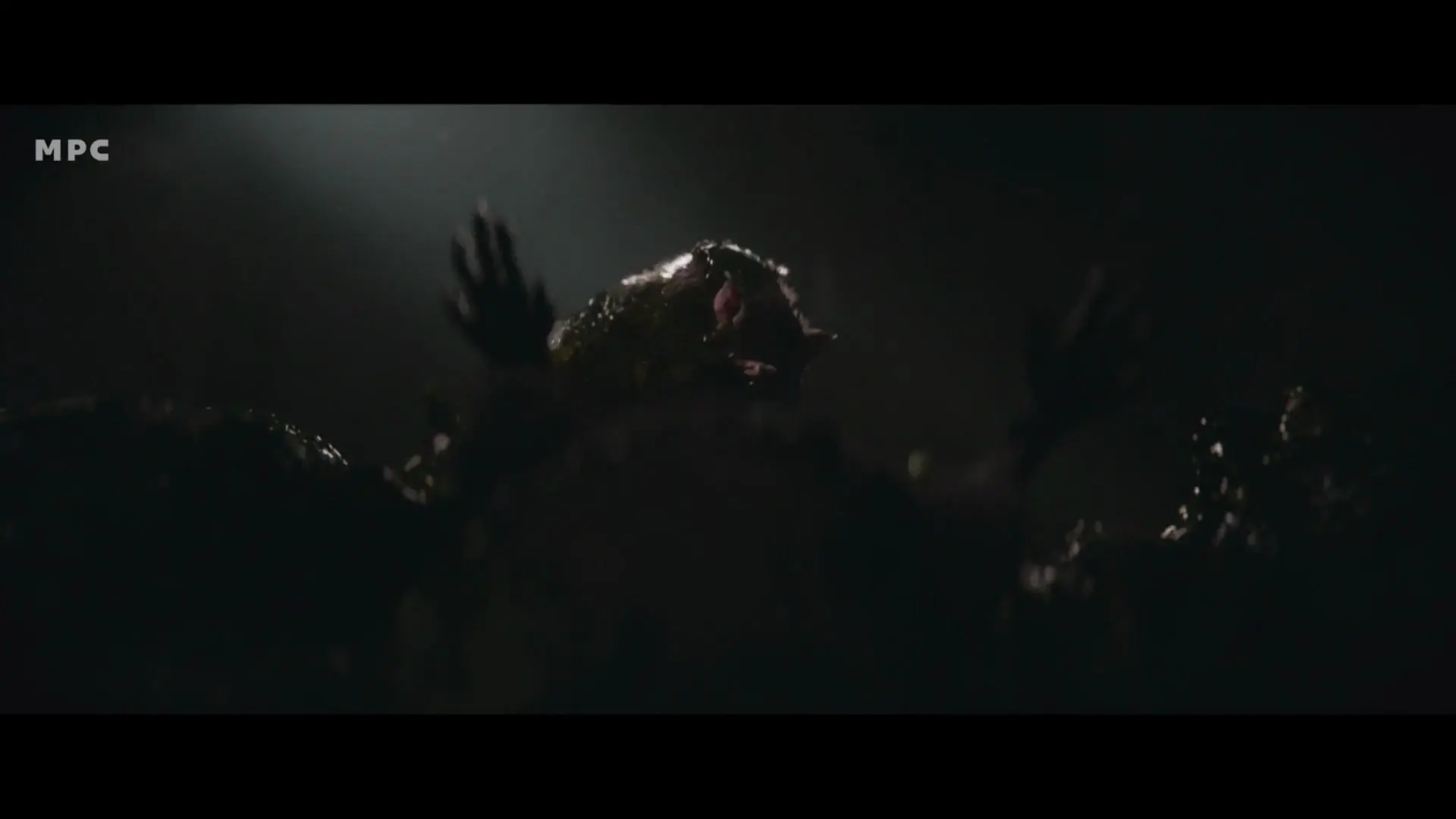
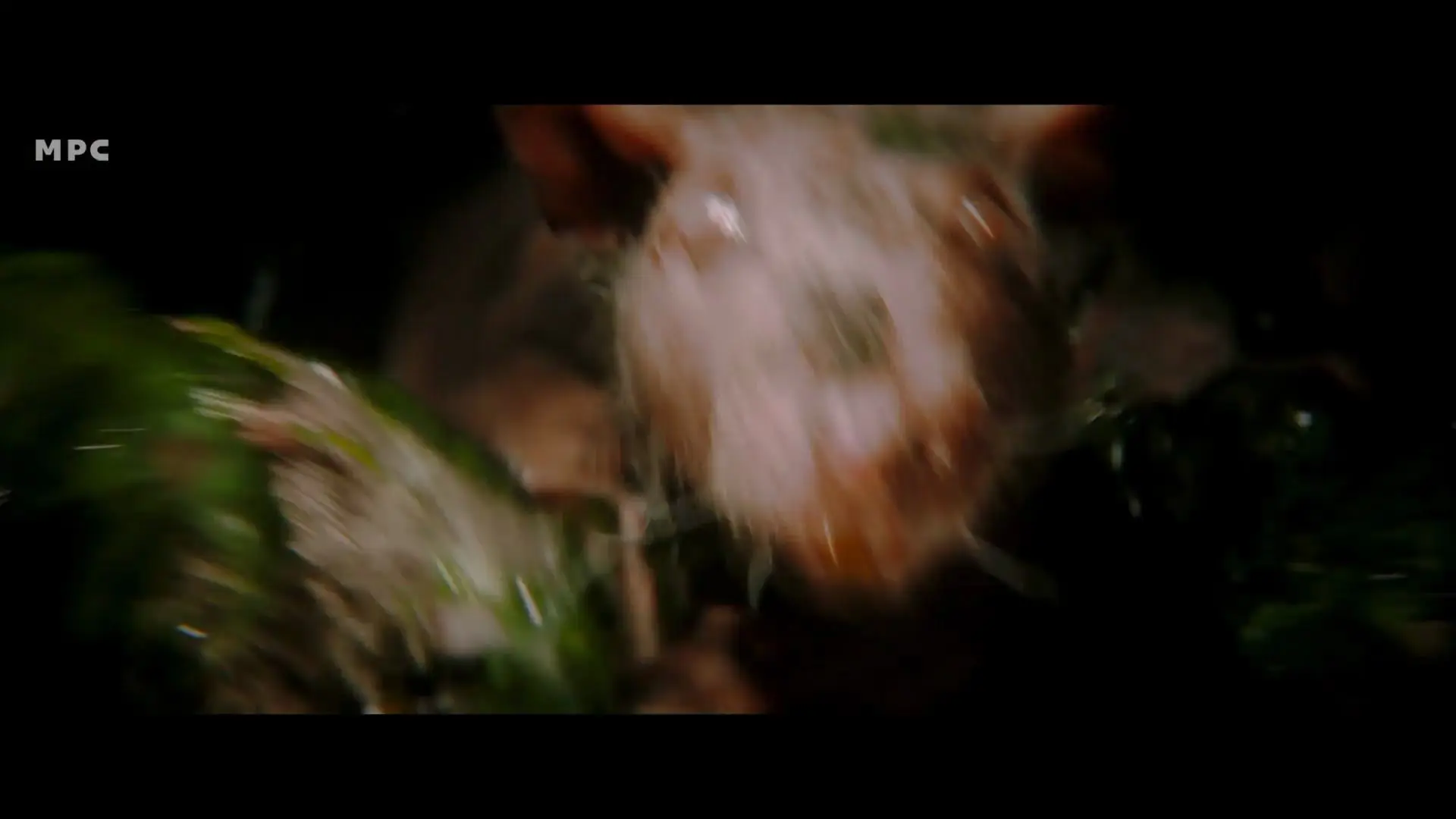
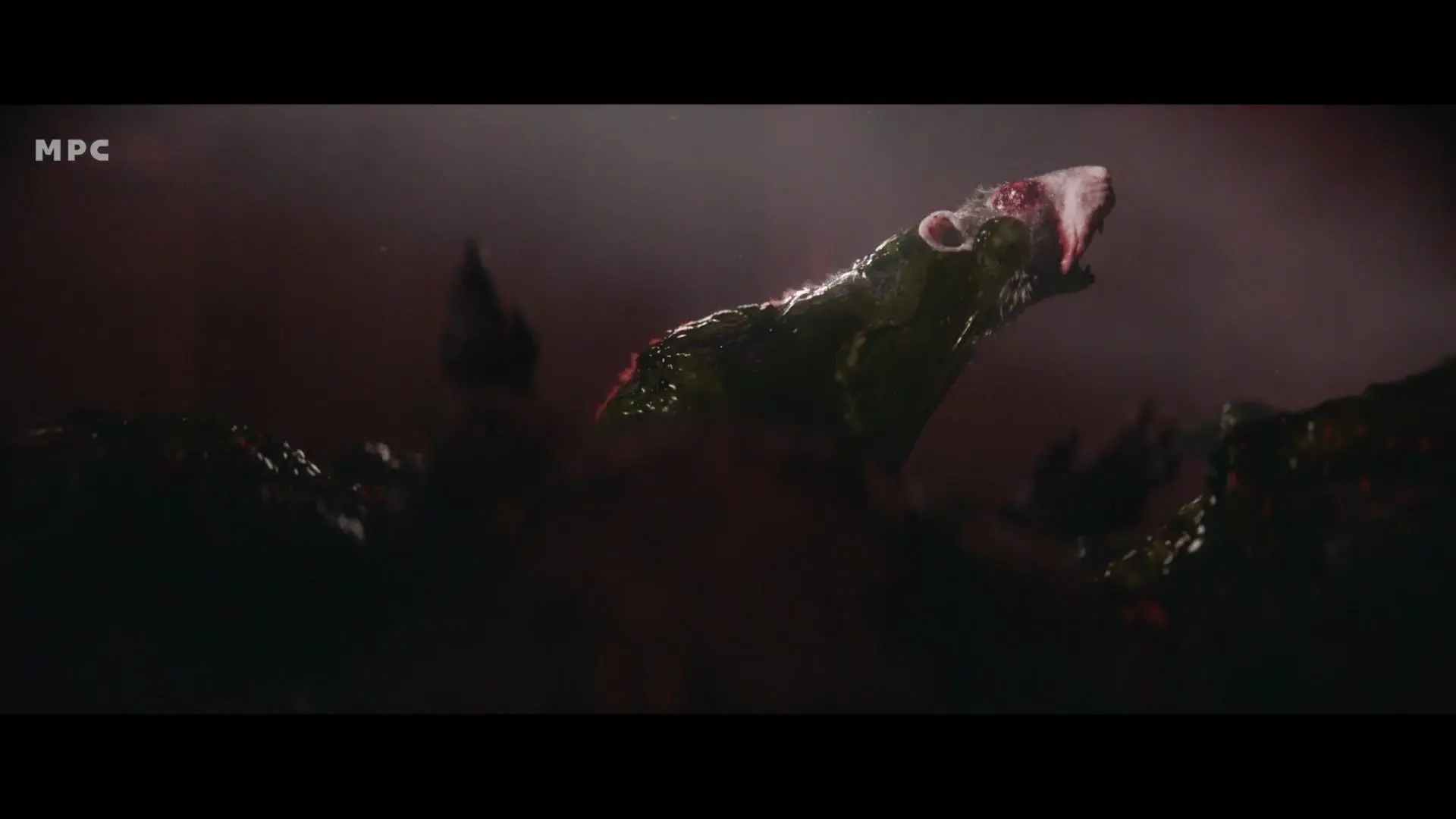
To make it properly disgusting, we used two types of rats assets: “hero” rats and “extra” rats. The main pile of rats, positioned in the lower part, was the “mass”, inert and animated in a soft-body / simulation approach, has been made with “extra” rats, while the hero rats were placed on top and animated in keyframes. Once everything was assembled, we poured slime over it. The complexity of that shot was collisions: between the volume of the rat geometry, the thickness of the fur, and the slime on top. It was pretty intense to manage all the collision interactions.

DP: Finale time. There’s a big bang at the end. What was the brief, and what did you need to sell to make it feel real?
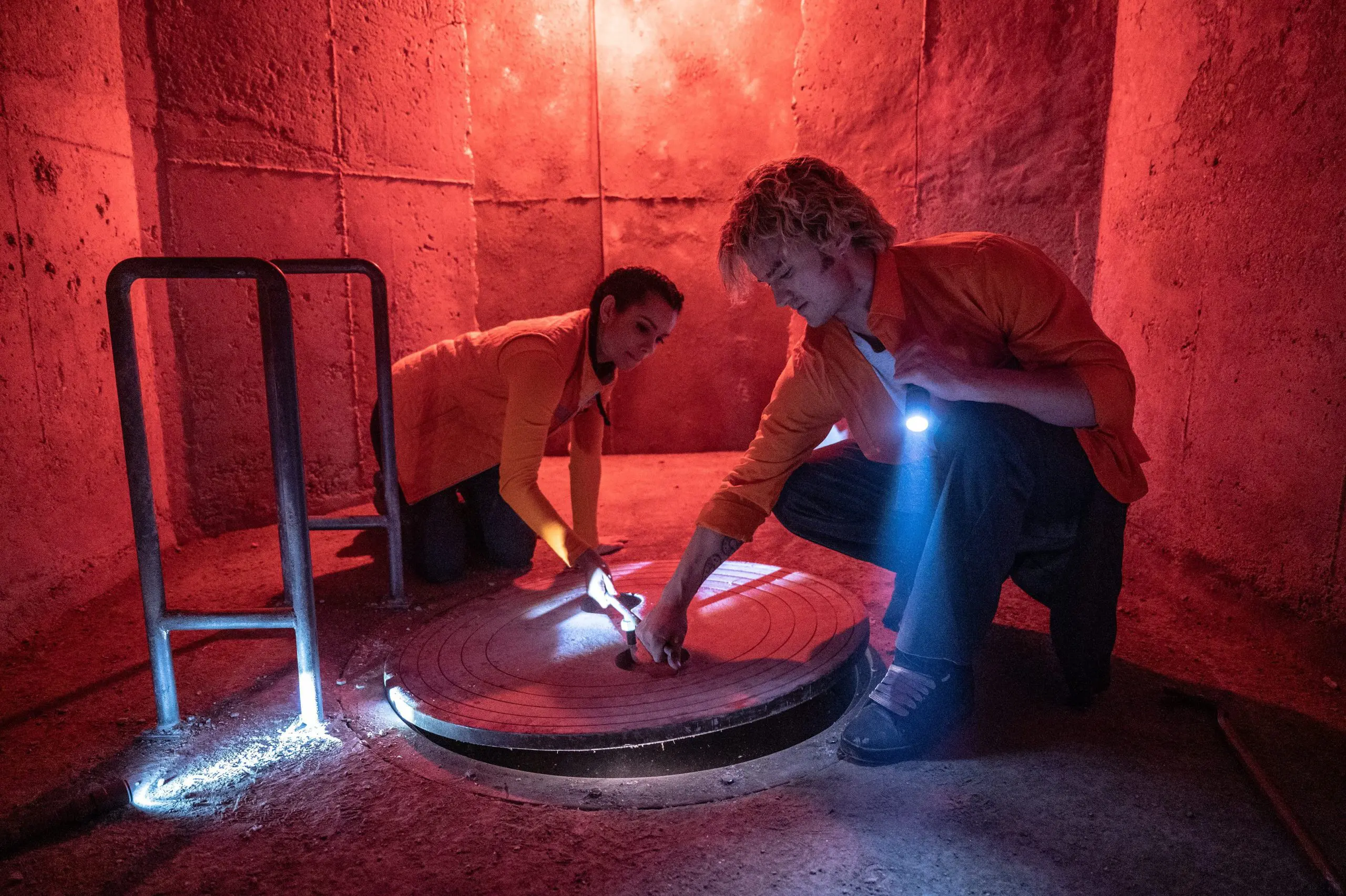
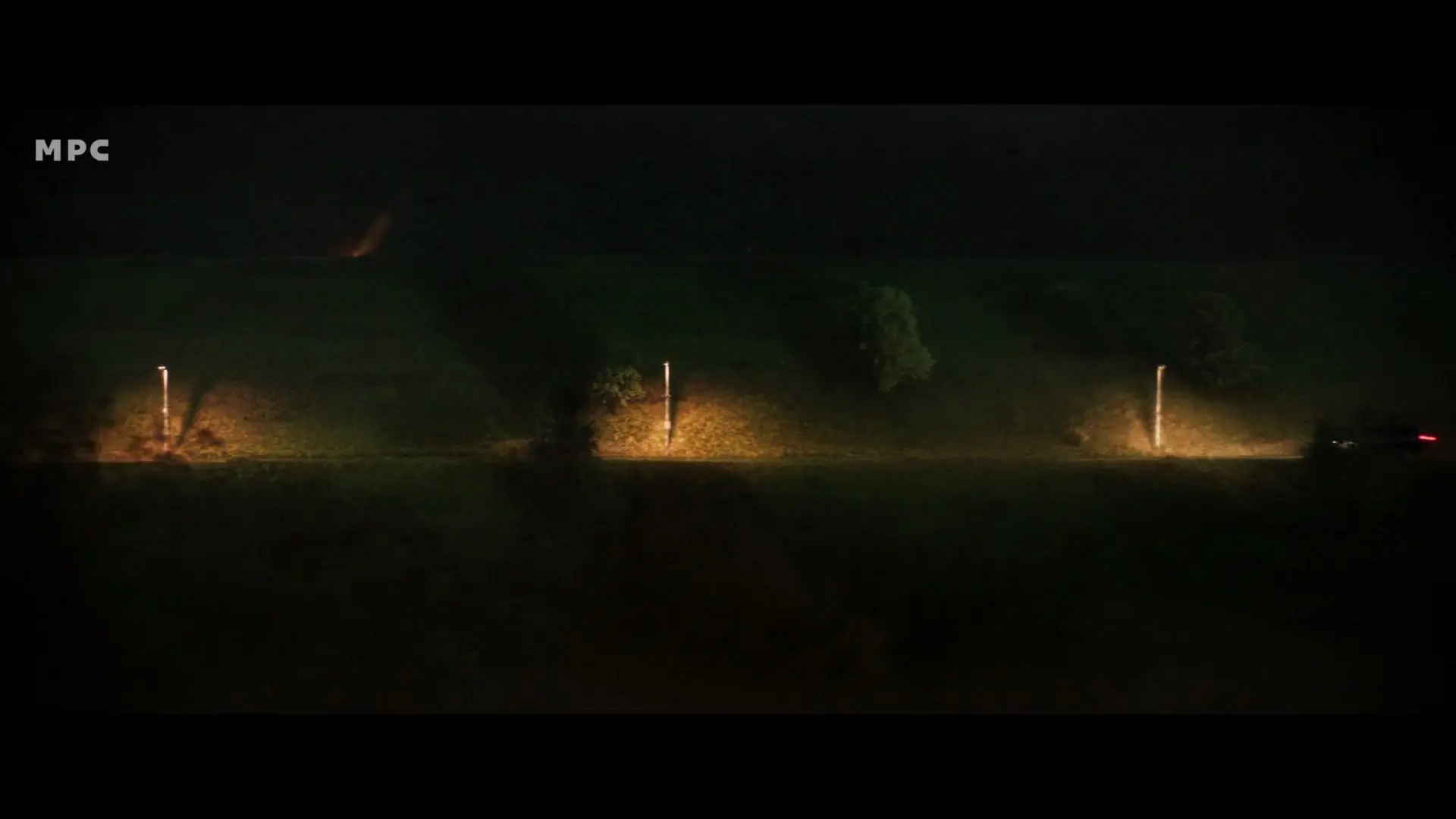
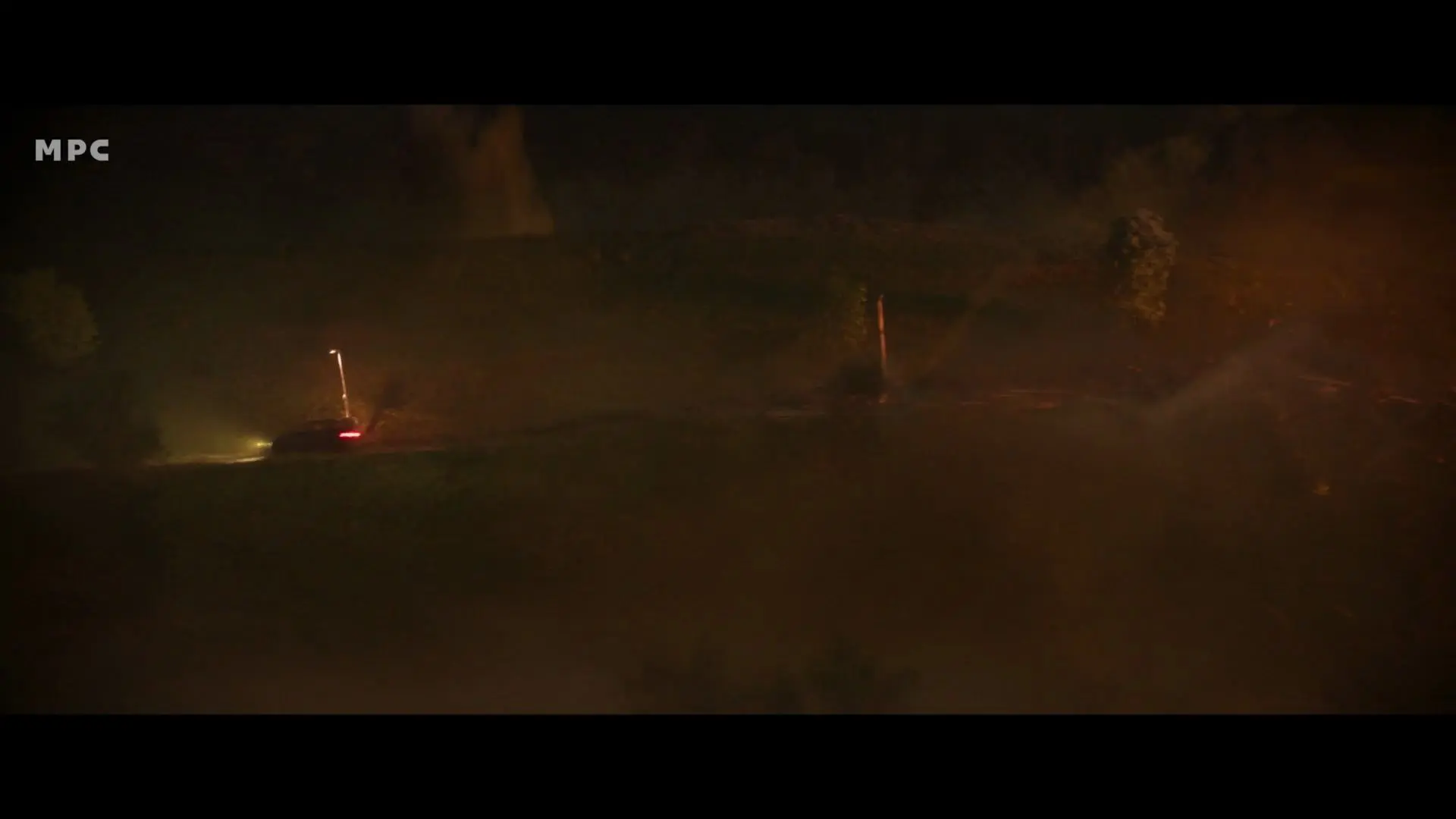
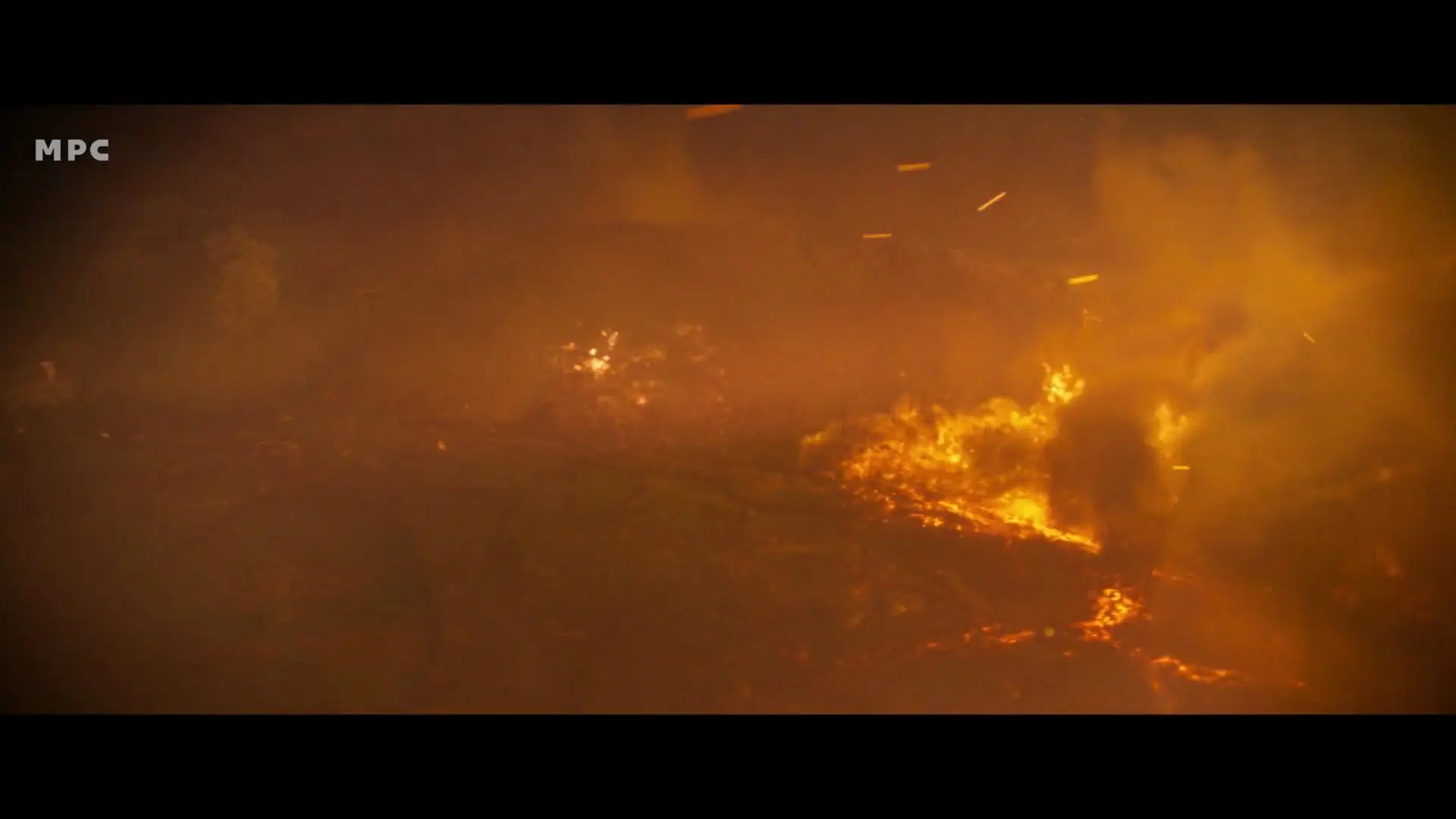
Nikolas D’Andrade : The creative intent was very simple: an underground nuclear explosion that collapses the entire environment over a radius of a few kilometres. To achieve that, I asked production for a drone so we could mount the camera (ARRI Alexa) and shoot plates and “tile” the environment, both to camera-map certain areas and to get wide establishing coverage. We also used maps to rebuild the terrain topology beyond a certain distance, especially elevation data, and LiDAR for everything close to camera.
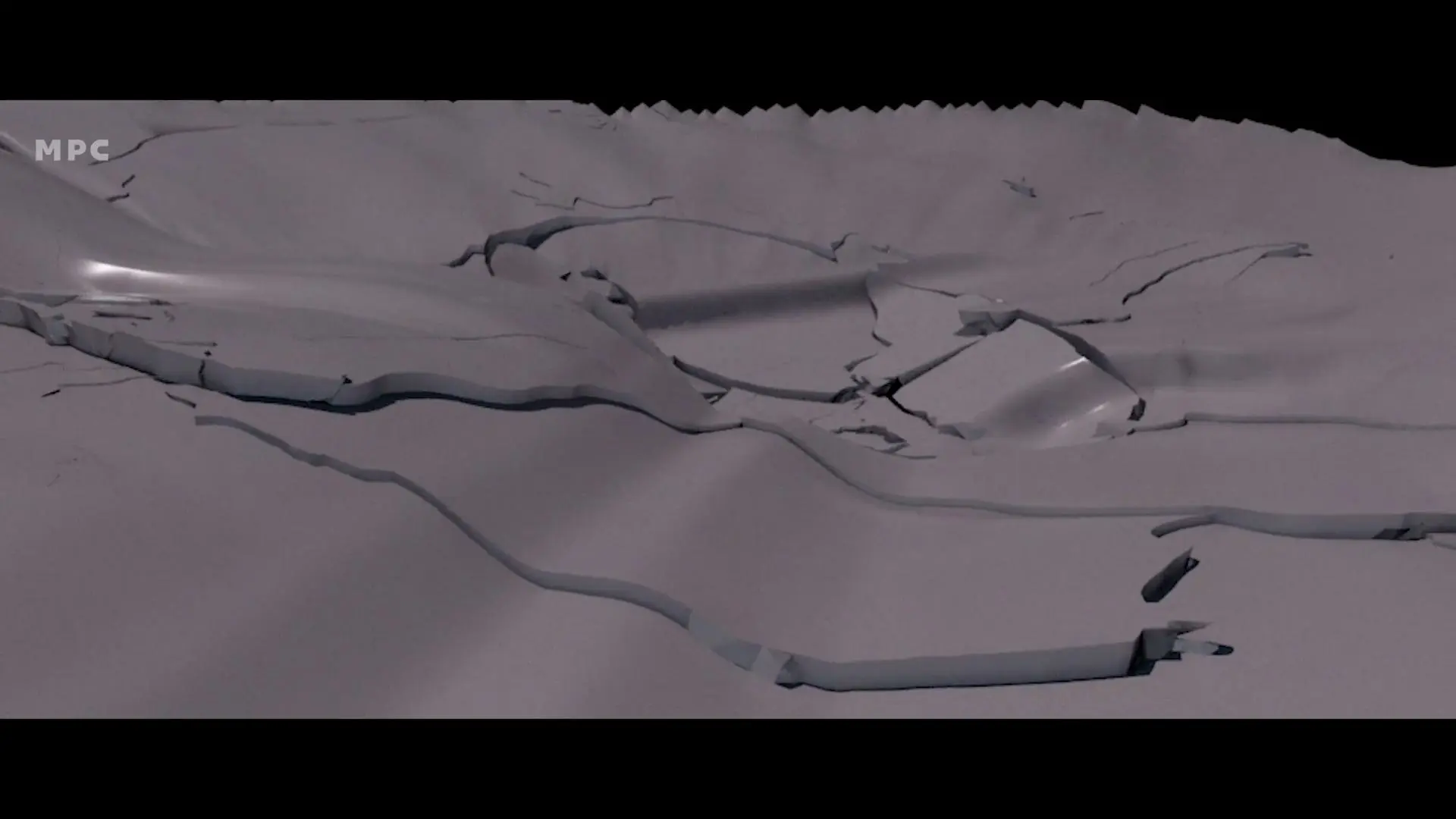

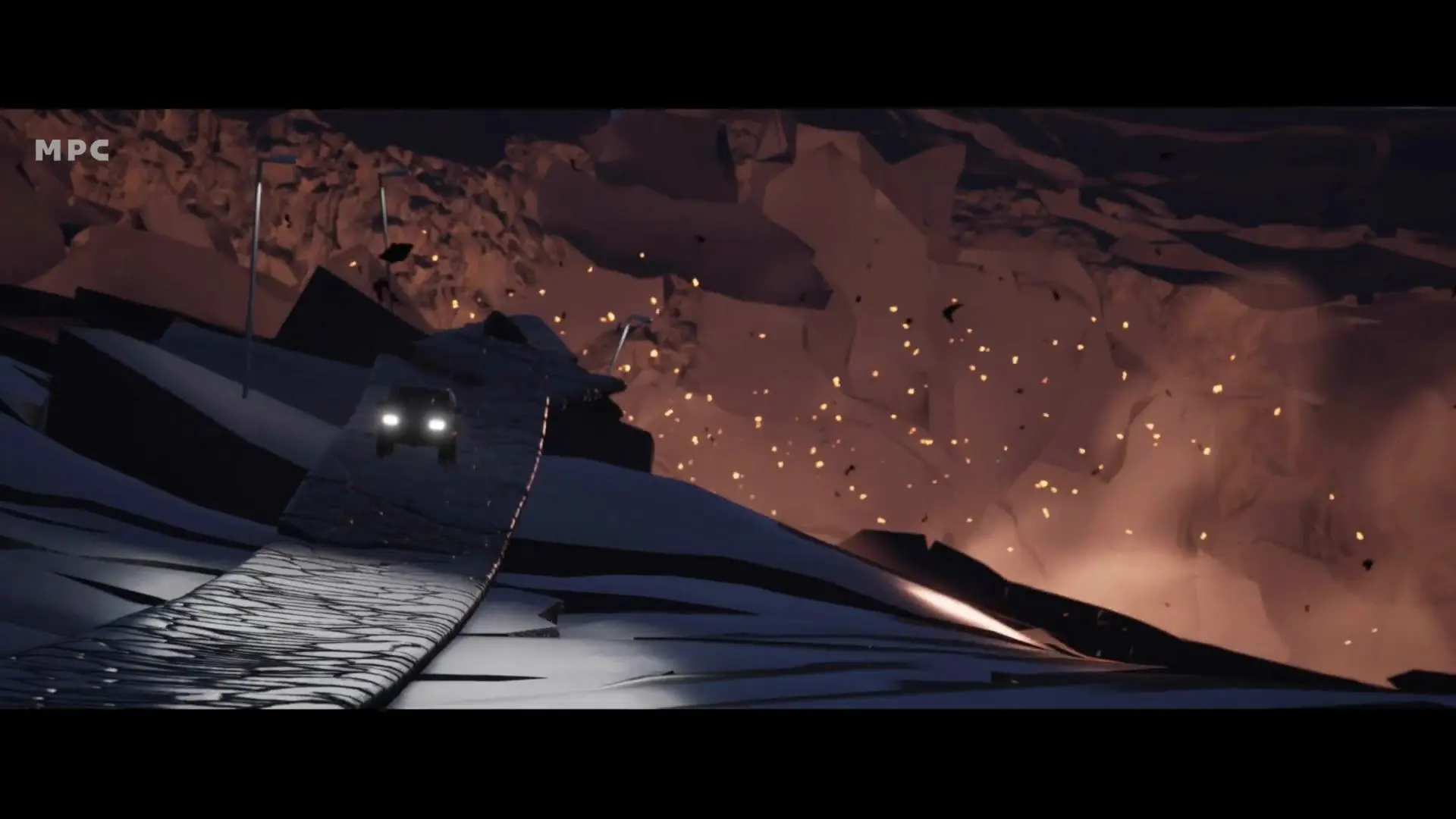
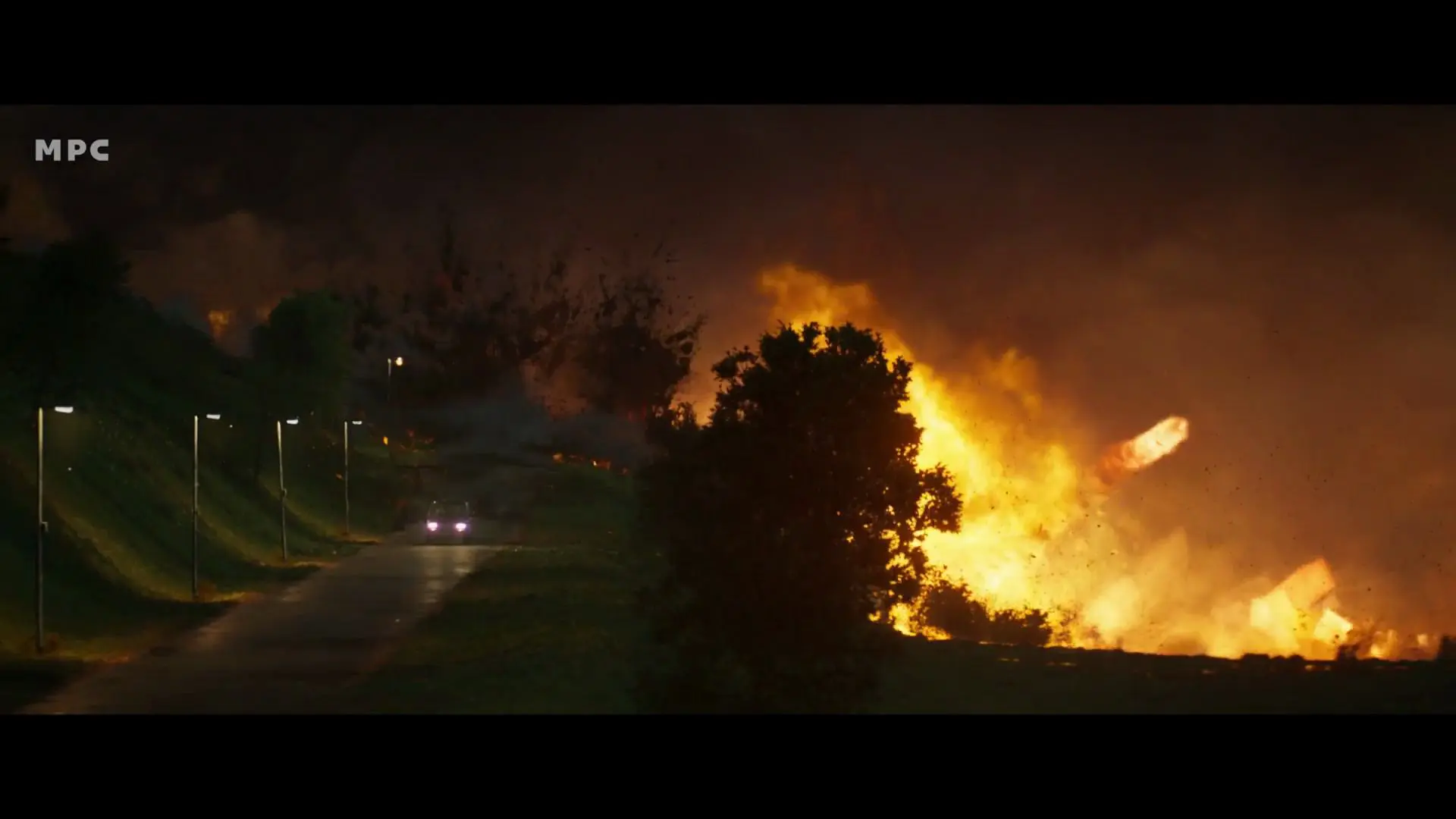
We had a very long previs/postvis phase because the sequence was originally intended to be only a few shots, but production decided to extend it to increase the intensity. It’s the film’s climax, so you want it to hit hard, so there was a lot of back-and-forth with editorial to find the right action narrative and timing.
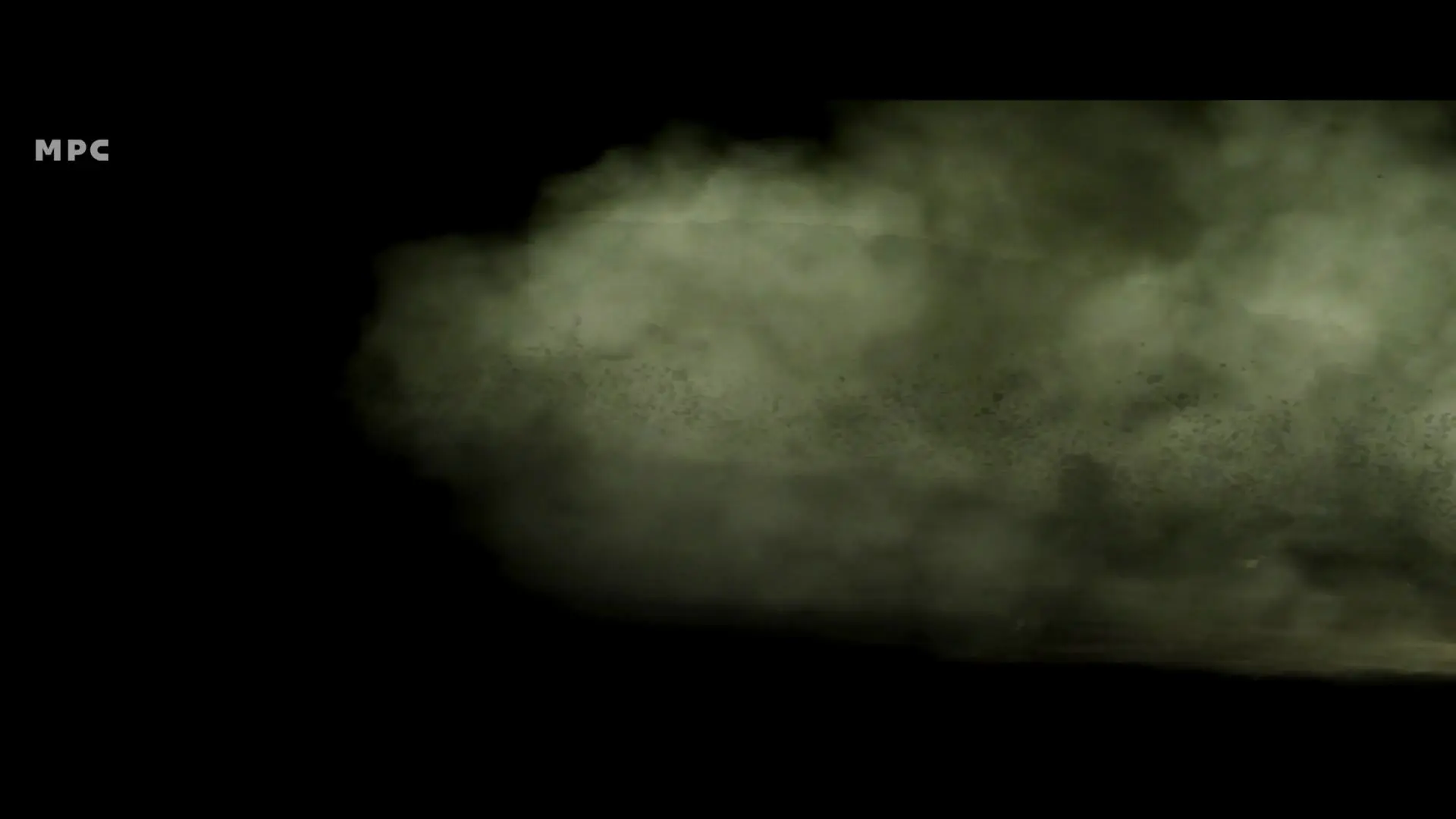
It was a challenge because the volume was enormous. We had to cluster the work by zones, manage all the collisions with trees, and stack layers of volumetric fluid, etc. The key for me was contrast ratio: using the light emanating from the ground cracks created by the explosion to naturally build a chiaroscuro lighting that’s immediately flattering and readable. And then adding debris and atmospheric particles to create depth and fill the volume.
DP: Was that mostly simulation FX, mostly comp, or the usual unholy marriage of both?
Nikolas D’Andrade : FX, elements, and plates, all cleverly blended together by our great comp team.

DP: Your favourite shot, and be honest: was it because it looked great, or because it finally stopped breaking?
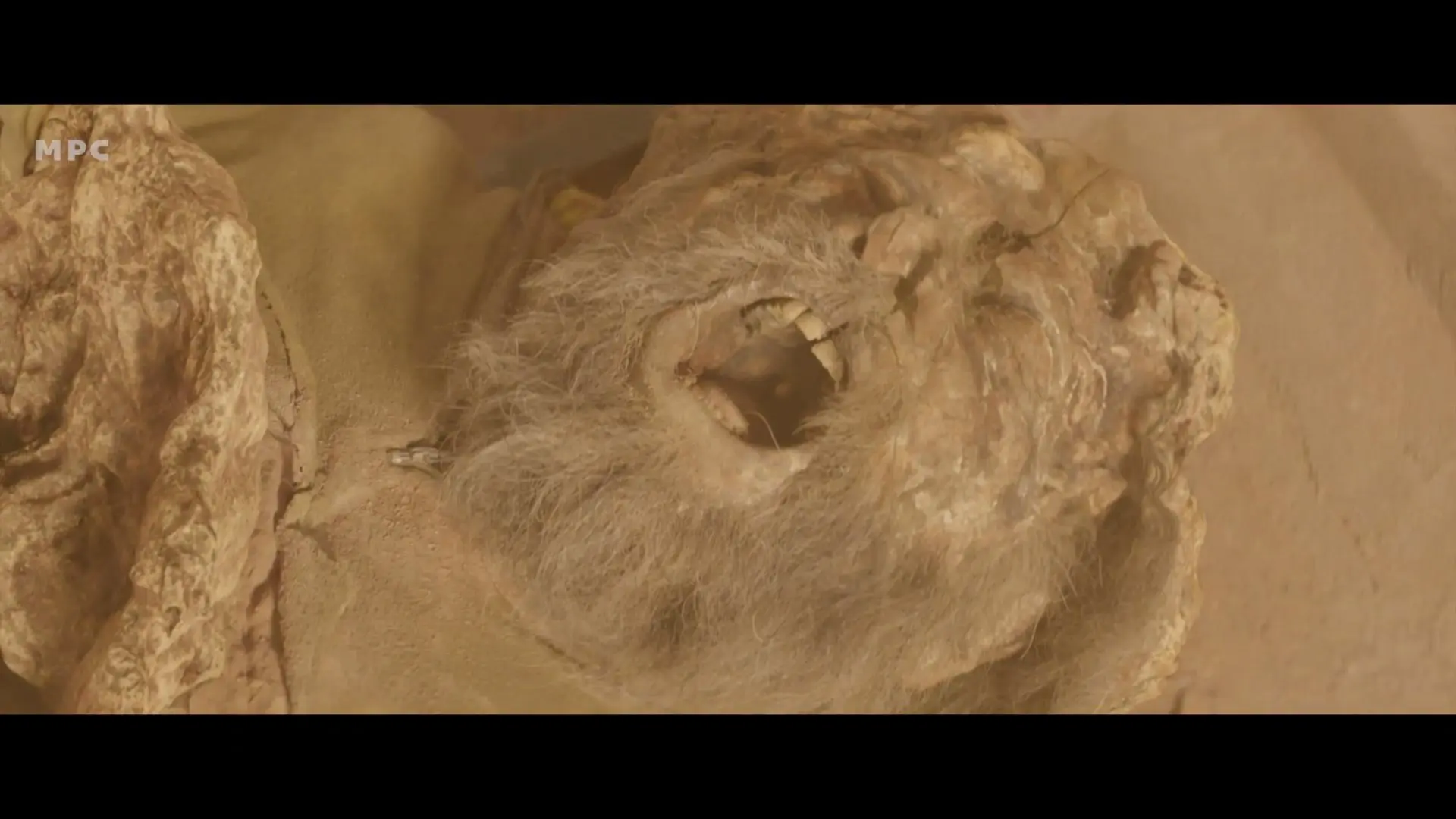
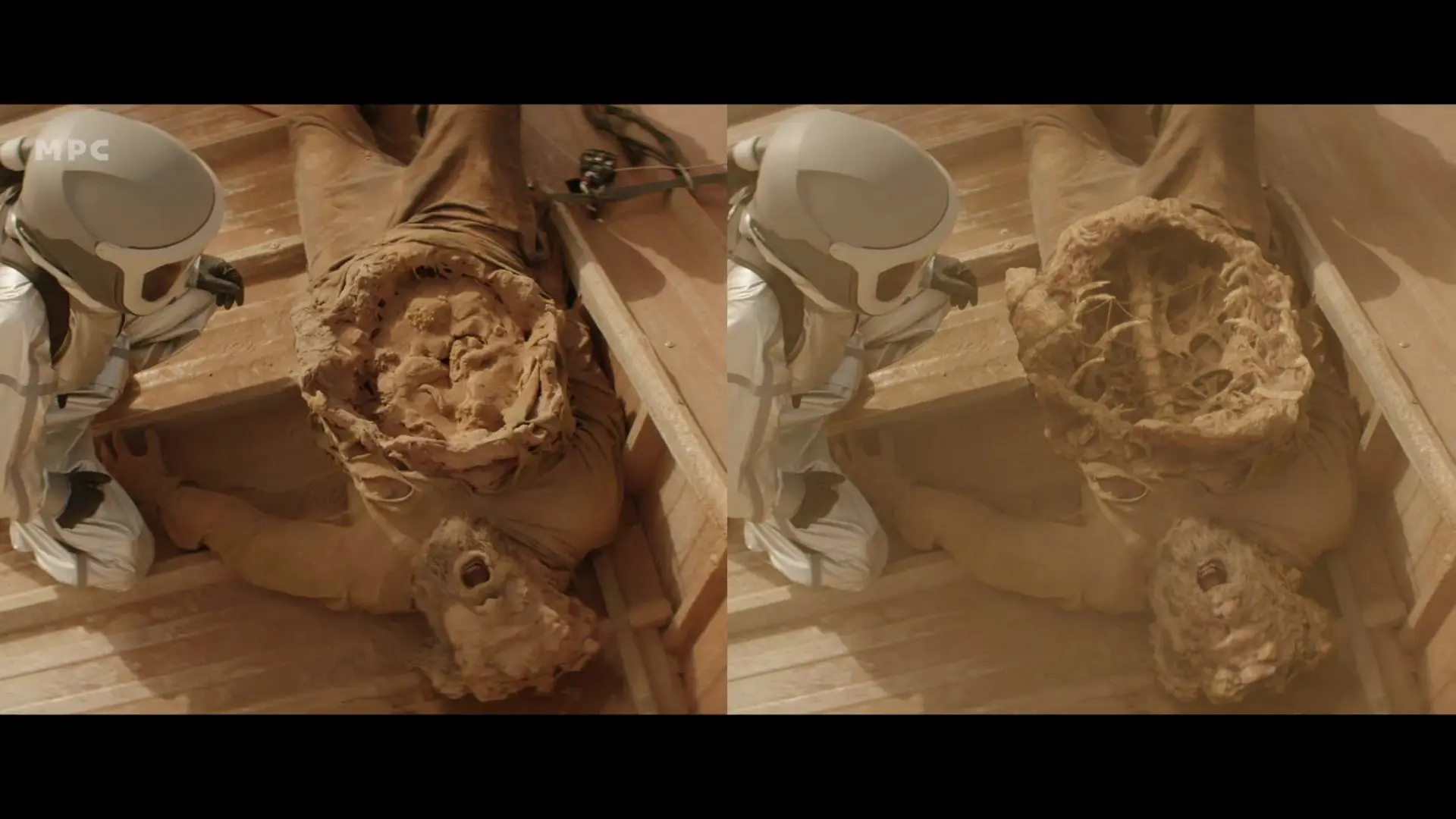
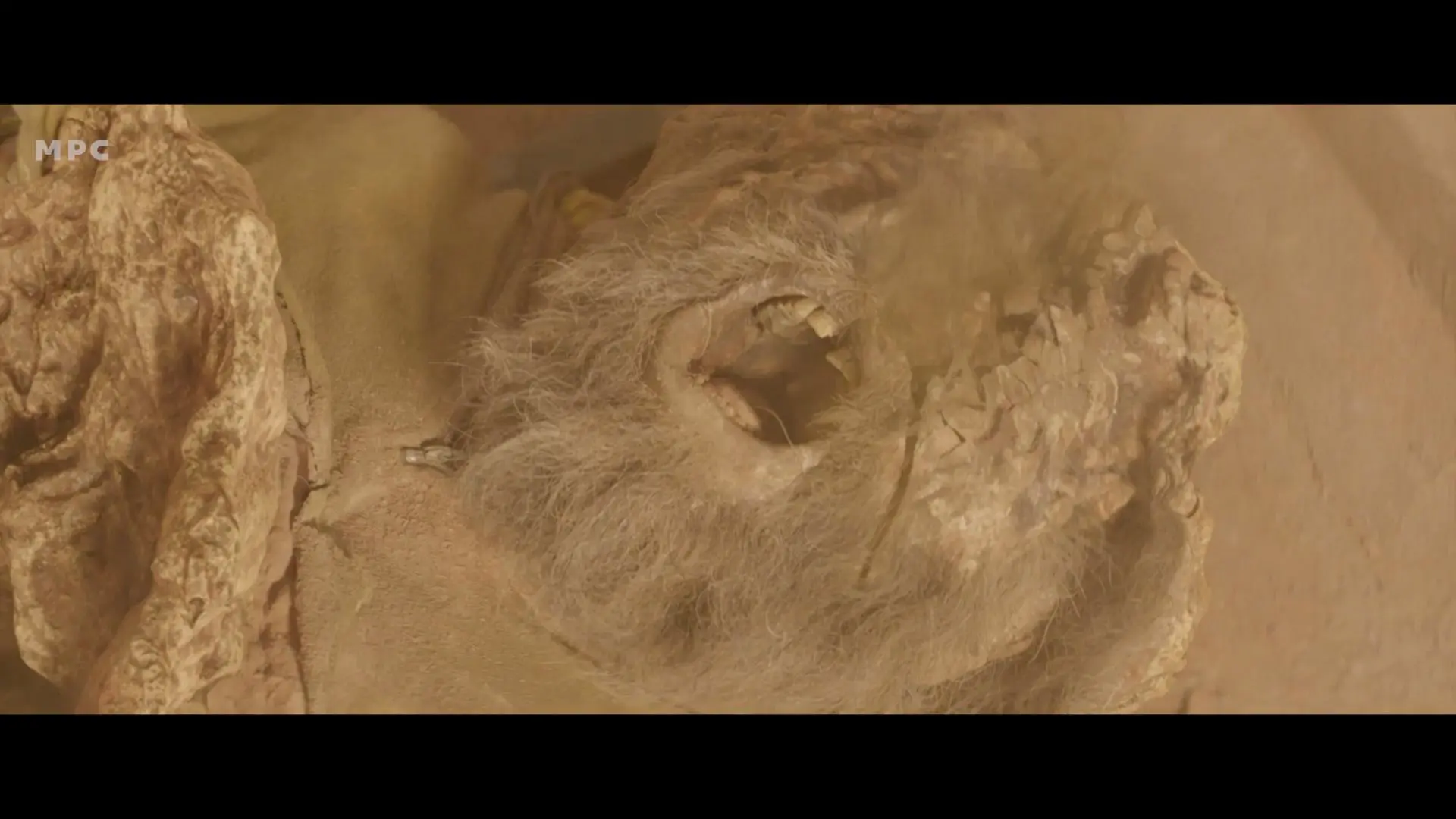
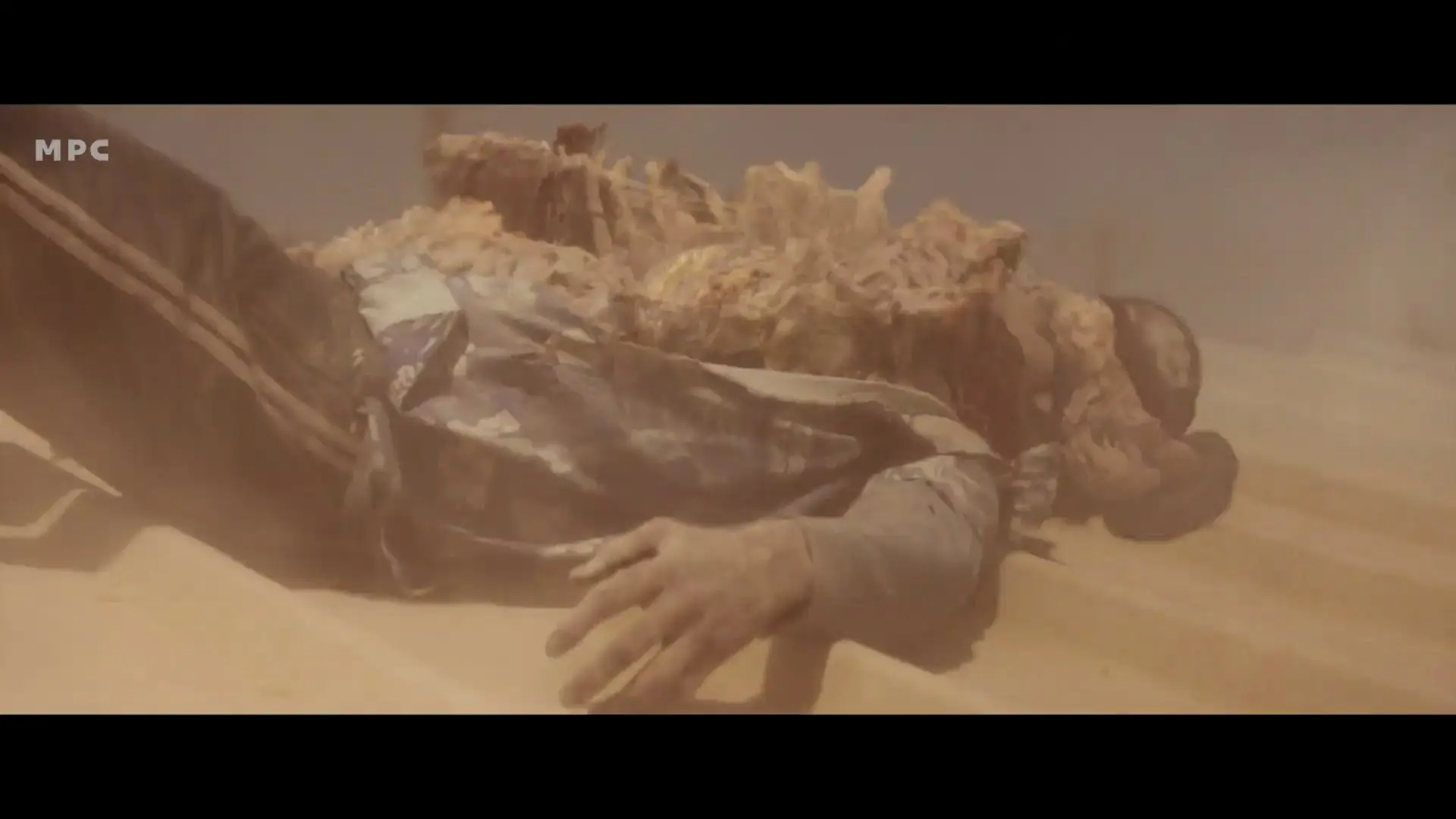
Nikolas D’Andrade : There are several shots I’m really fond of. Early in the film, when they find the first body: the ribcage is open and the skull collapses in CG. the CG/asset work is genuinely strong, and I find the shots aesthetically beautiful from a photographic point of view.
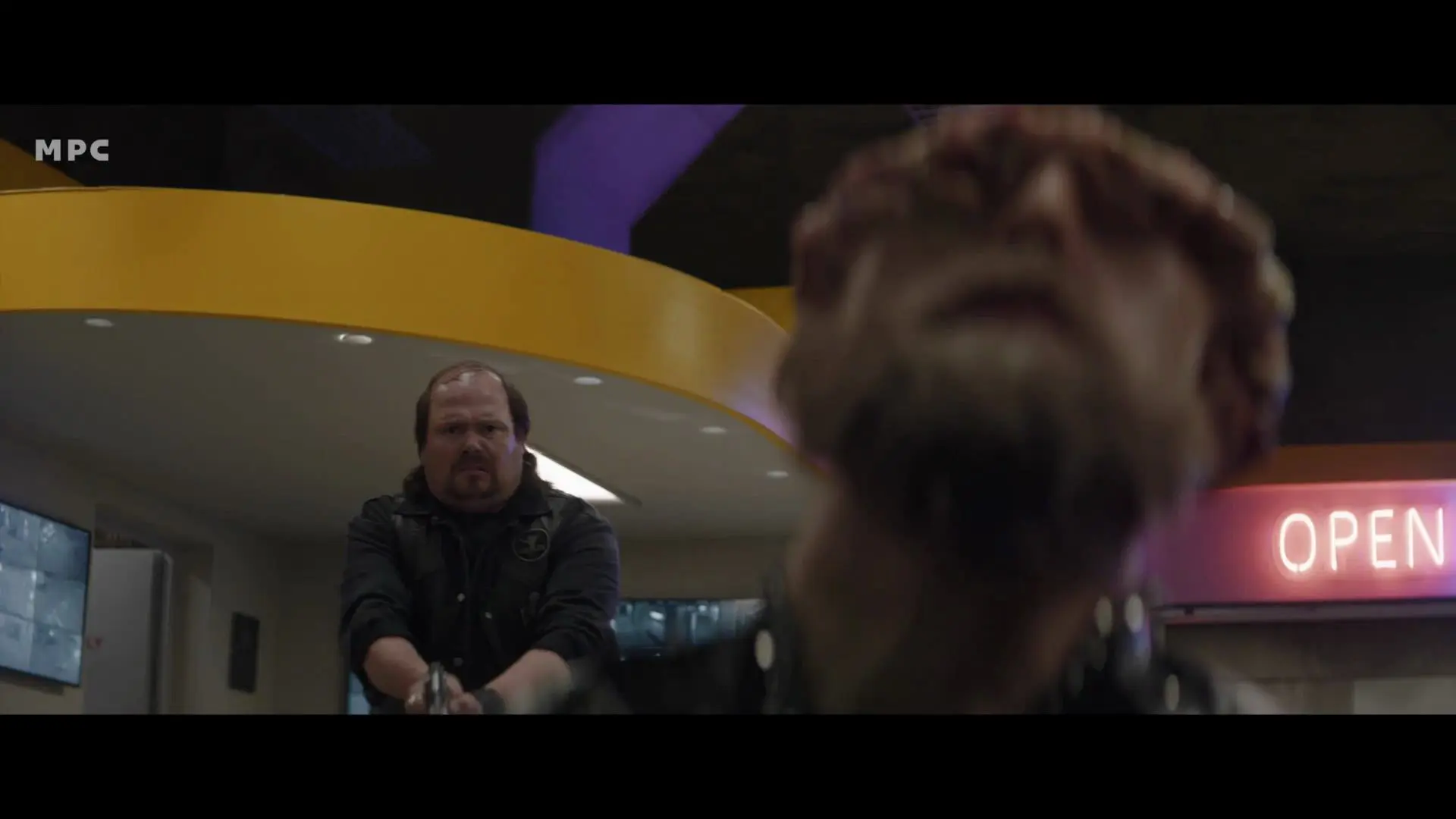
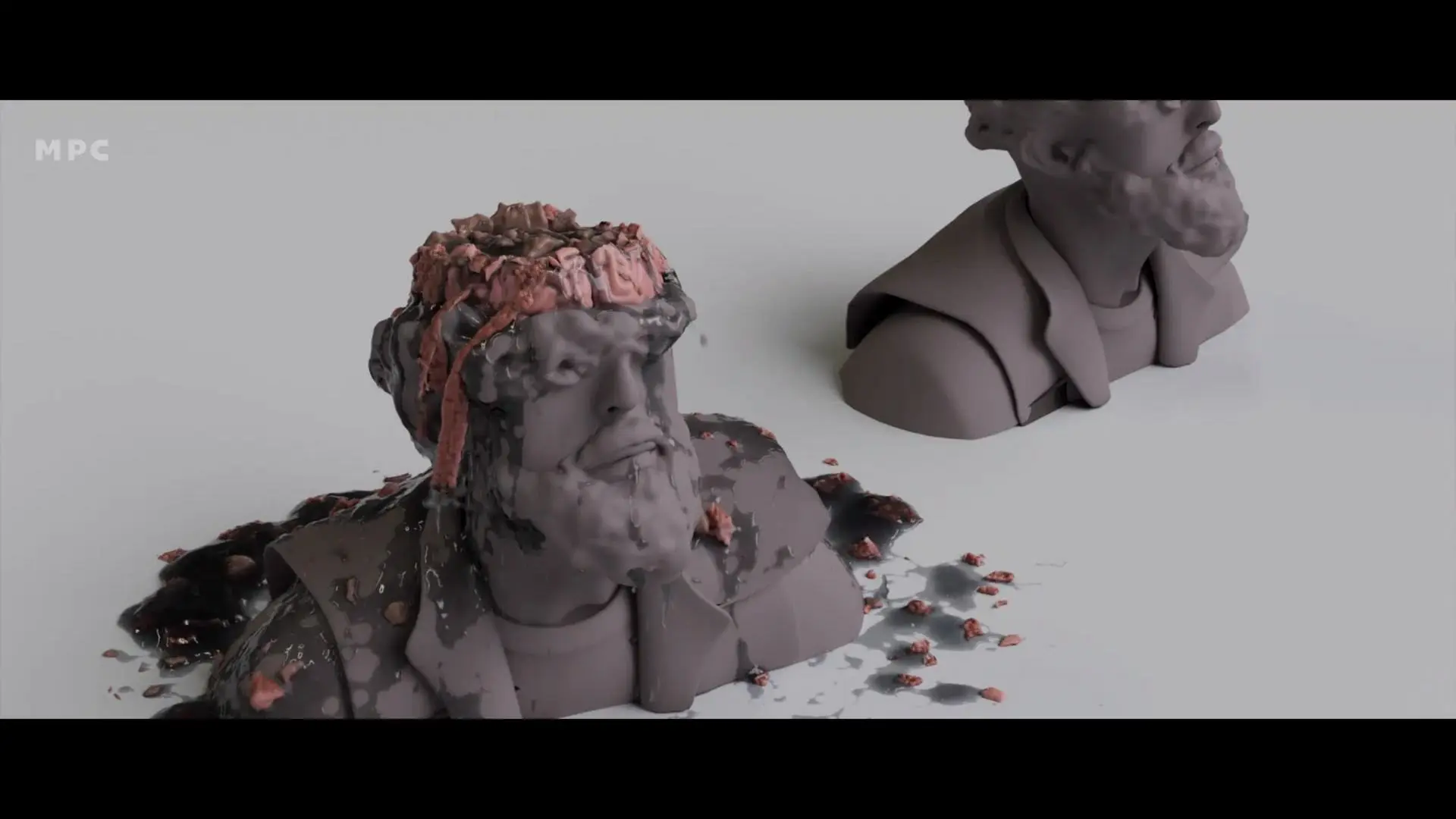
The “Garbage” shot (Lujza Richter) when she turns around on Level -2, and you can see the wall behind her through her eye sockets, crafted with love by one of our best CG artists, André Monteiro.
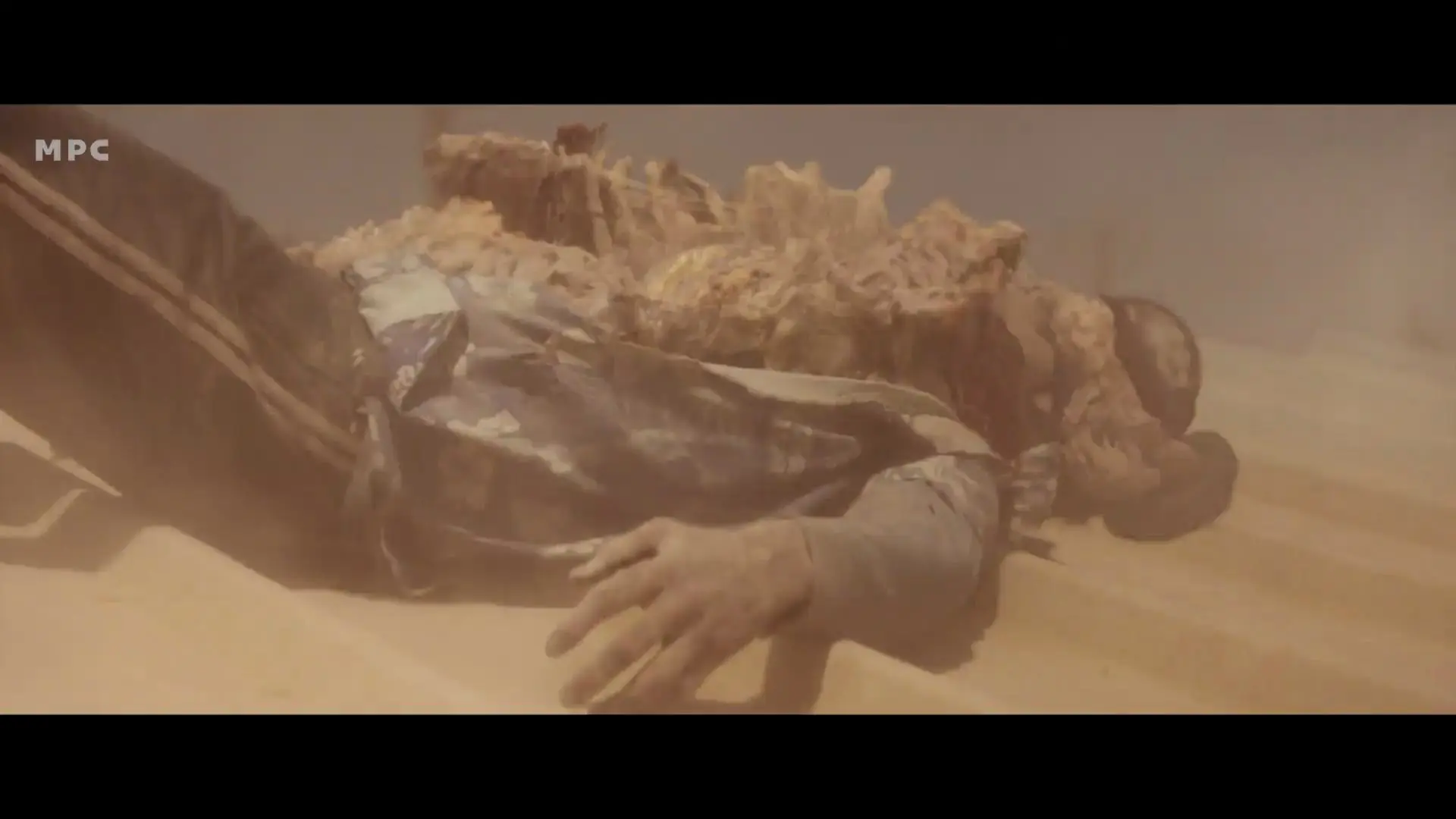
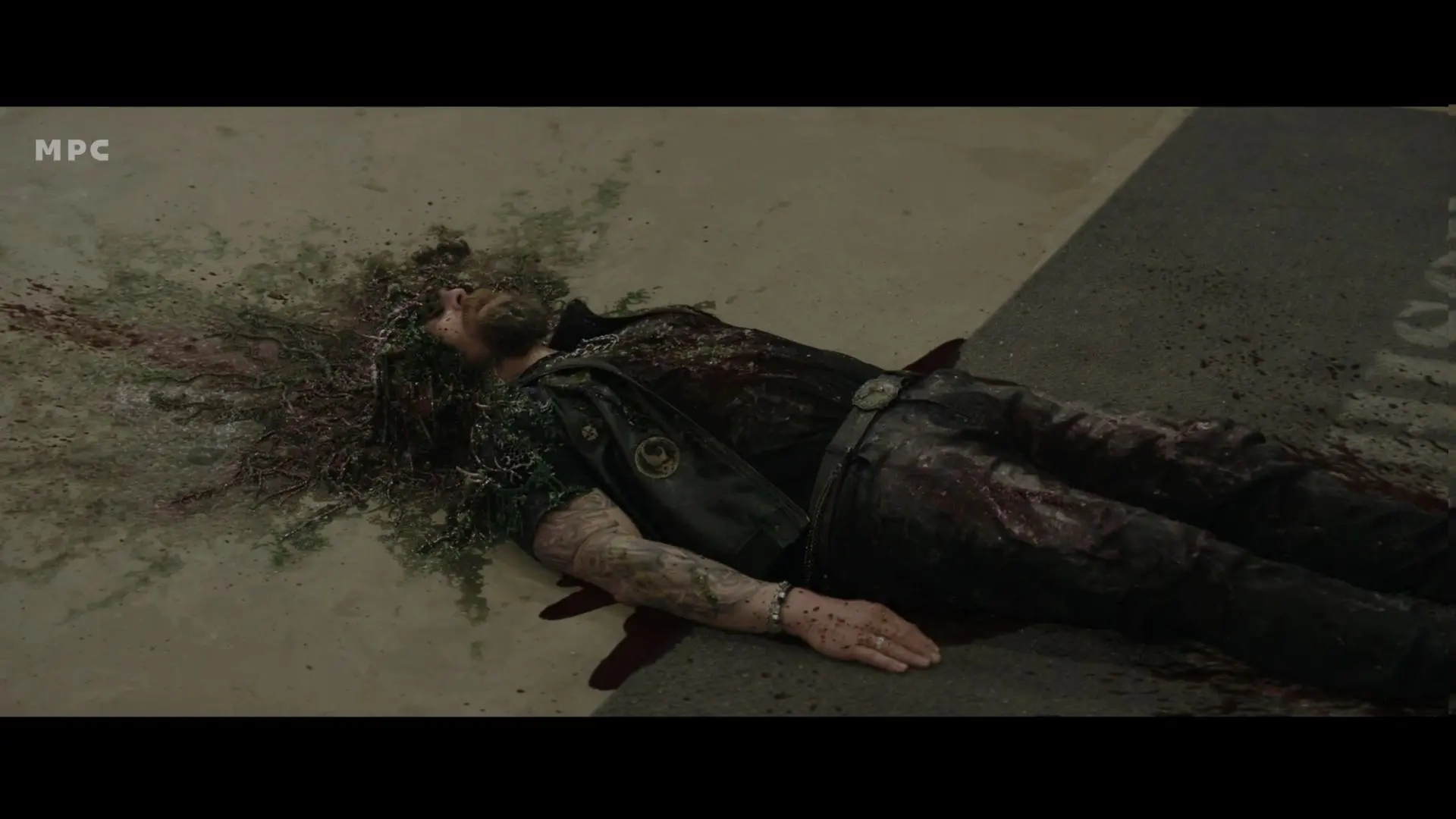
The “Ironhead” shot (Andrew Brooke) lying on the ground after being shot as well, for the same reasons, with the blood spreading across the floor, I really like that one.
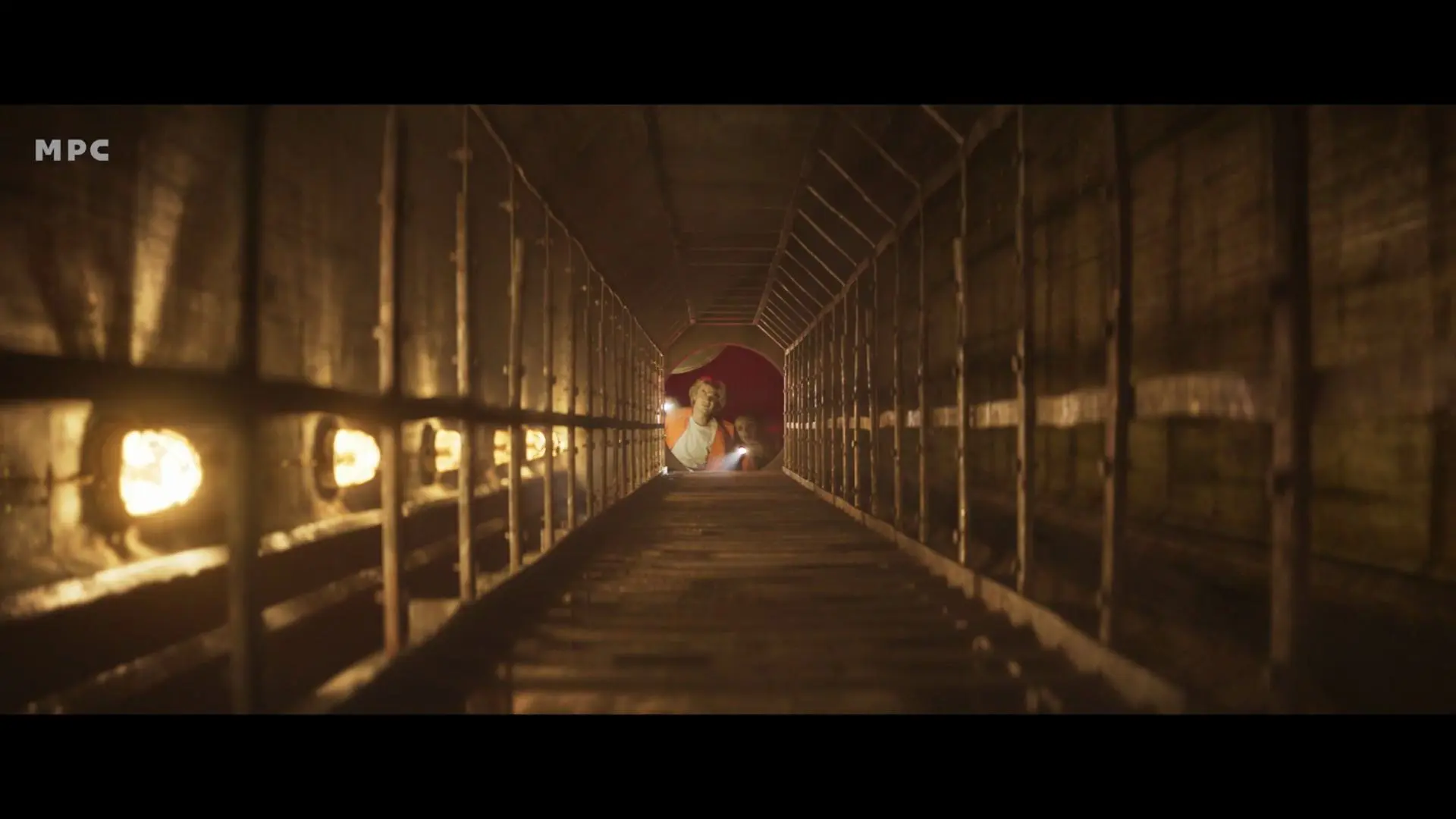
Another shot I think is very successful is a totally invisible one you can spot in the breakdown: it’s a full-CG shot of the camera moving forward in a travelling move toward a storage unit with the door closed, while the bikers are pounding on it. It was seamless, and I love that.
DP: What’s next for MPC Paris?
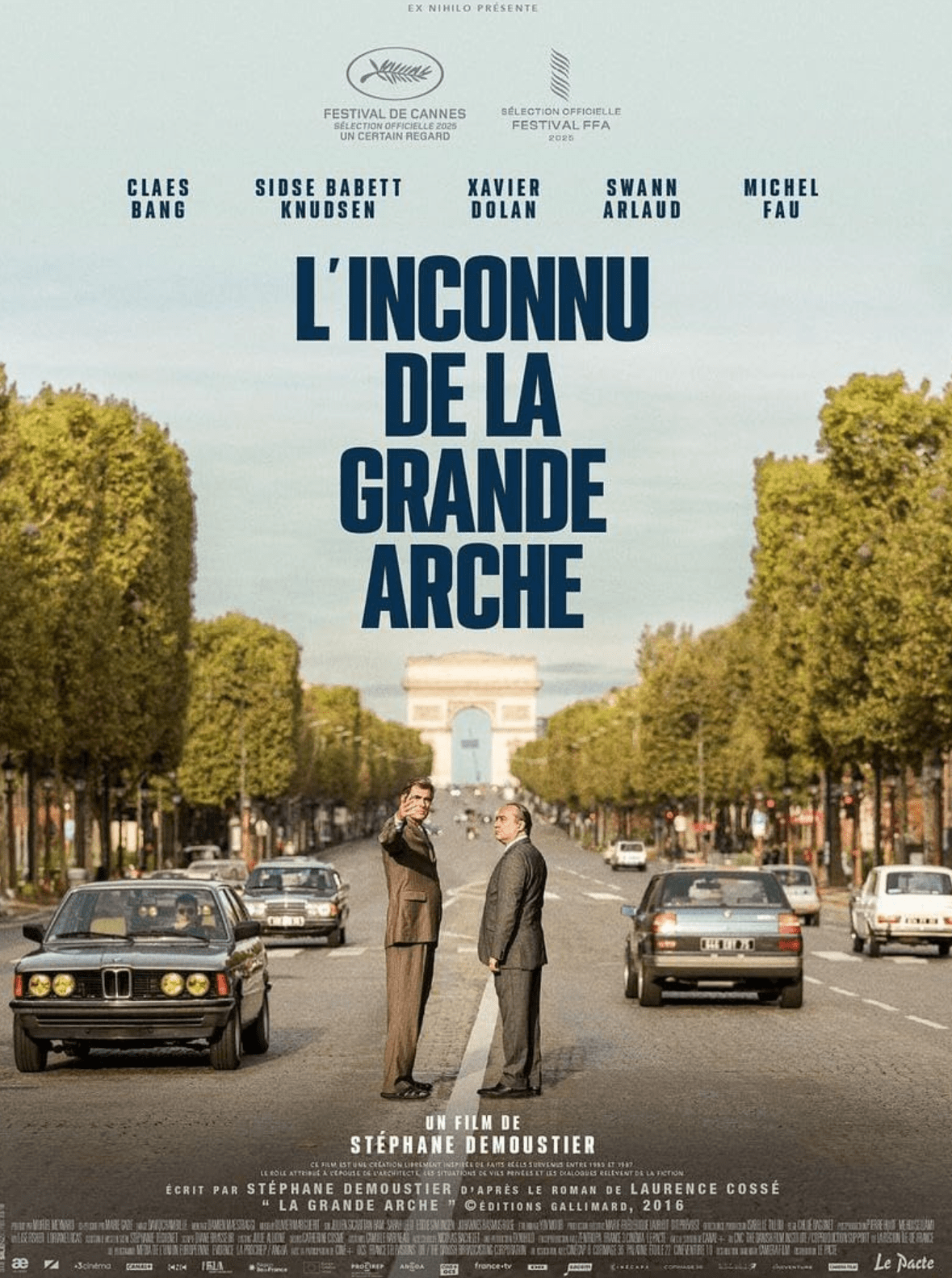
Béatrice Bauwens: We’re incredibly proud to share that Lise Fischer and the MPC Paris teams won the César for Best Visual Effects for L’Inconnu de la Grande Arche. It’s a wonderful recognition of the talent, creativity and collaboration that drive our studio every day, and we’re still celebrating this beautiful moment together.
In the coming months, a bunch of exciting projects are set to hit screens: we delivered 150 VFX for the new AppleTV+ series The Hunt by Cédric Anger, 138 shots for The Gallerist by Cathy Yan, and 165 shots for Les rayons et les ombres by Xavier Gianolli.
Beyond that, our supervisors are deep in development on several other projects and on set, though for now we can’t spill the details but stay tuned 😊
We stay passionate and inventive, always exploring new techniques and large-scale approaches. Cold Storage gave us the perfect playground to keep building the studio, test new methods, and strengthen our capabilities. We’ll be at Cannes Film Festival this year with some projects already in consideration, continuing to experiment, learn, and push our craft forward.
