



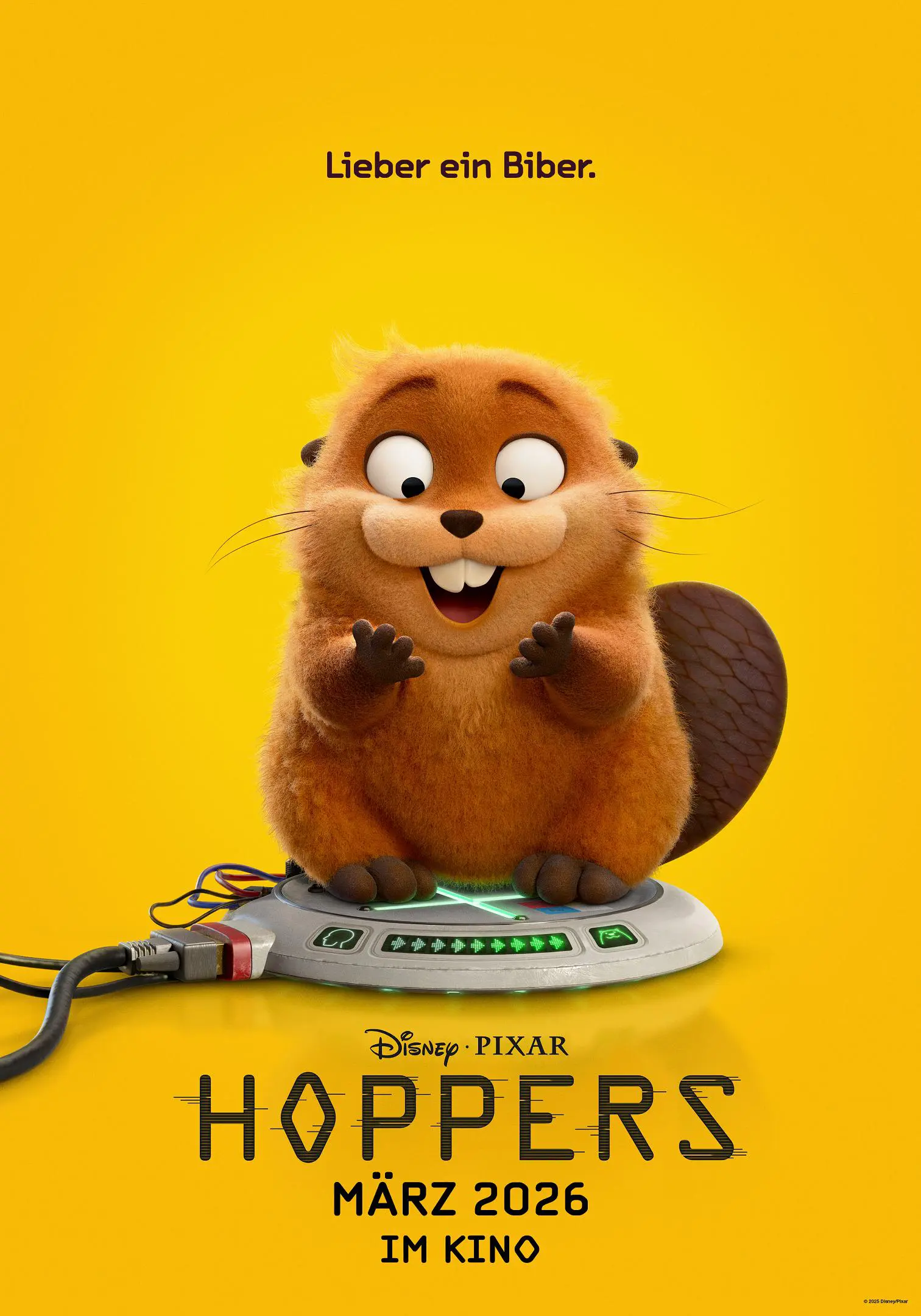
In this interview, Pixar shading and grooming artist Markus Kranzler discusses work on Hoppers after Elemental, including time in Pixar’s Tools Department, a layered approach for wet fur, and how design readability can trump anatomical accuracy when deadlines exist and the cameras cut fast.
Markus Kranzler is a Technical Director at Pixar Animation Studios, with credits as a character shading and groom artist on Inside Out 2, Elemental, Turning Red, Luca, and Soul, plus earlier Pixar work including volumetric clouds on The Good Dinosaur and set dressing on Finding Dory.
Before joining Pixar in 2015, Kranzler worked in lighting, lookdev and rendering roles at MPC and Trixter, with film credits including Skyfall, Iron Man 3 and Man of Steel.
DP: Hi Markus, it’s been a while since Elemental. What did you do on Hoppers, and why the role change?
Markus Kranzler: One of the main differences was that I was working on solid characters that weren’t dynamic fluids. :D One of the first projects I worked on this show was actually not in my department, but in the “Tools Department”. That is where all the geniuses sit that create our software, plugins and shaders.
Since a big part of the movie shows animals in and out of water, I was helping them figure out a simpler way to make fur look wet without having to adjust each character’s shader to make it look wet. We ended up achieving that by layering a wet shader on top, which then affects certain lighting lobes on the fur shader.
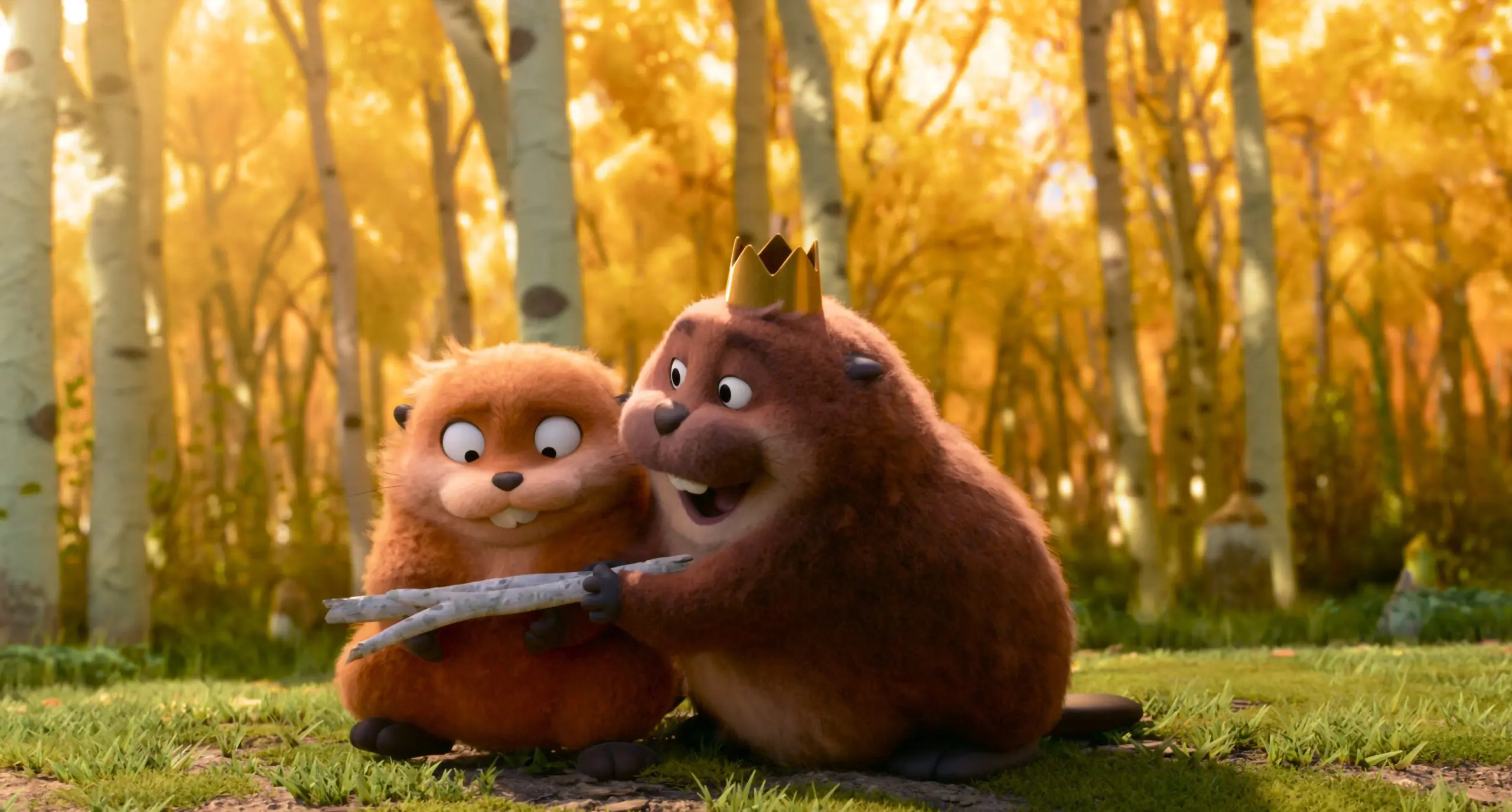
Also on this show, besides shading, I was grooming some of the animals. That’s what we call creating and styling the hair or fur on a character. I had done some grooming in the past, on my graduation short “The Present”, but this was the first time I actually got to groom at Pixar.
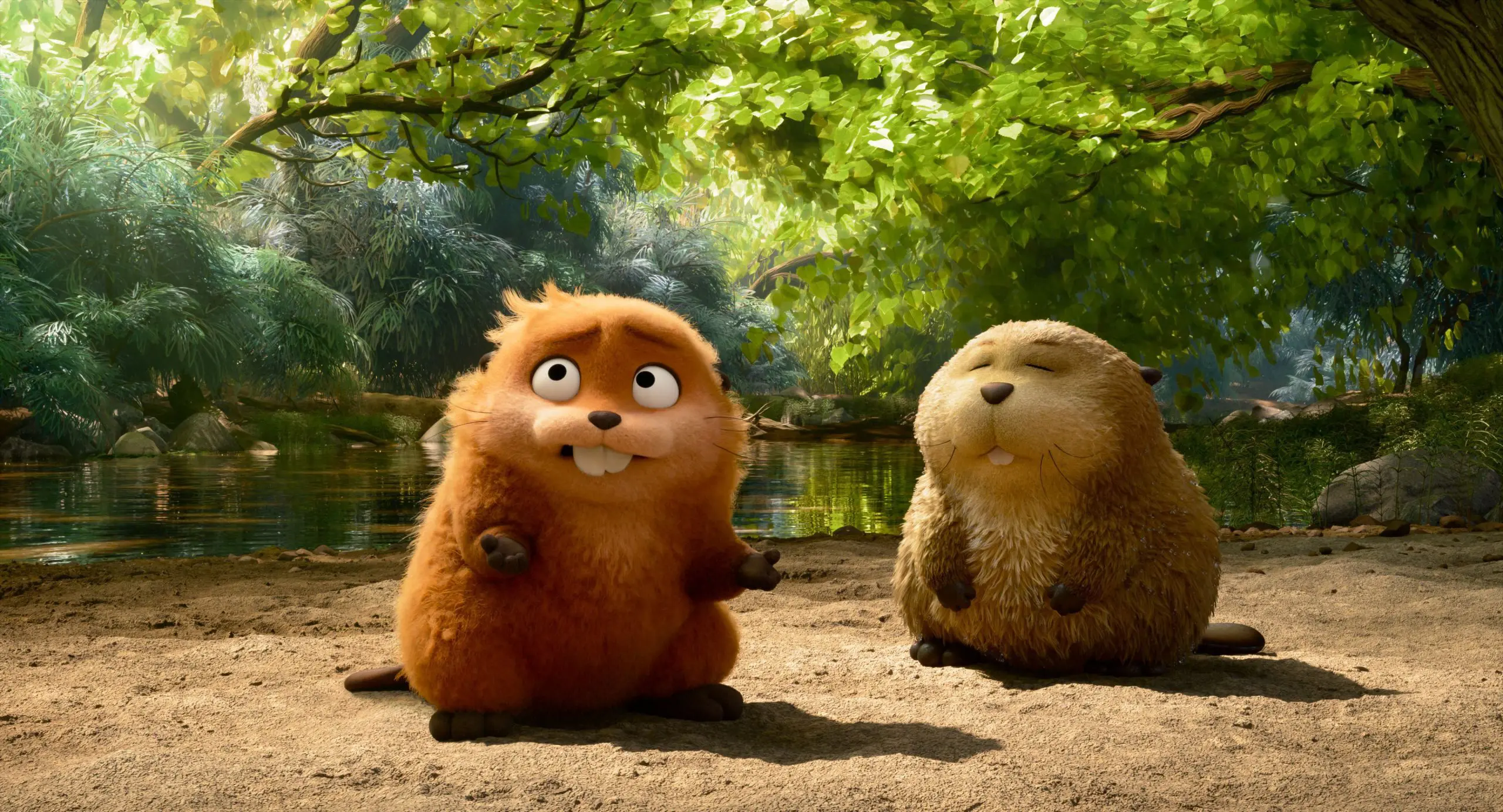
Another difference was that I wrapped and rejoined the show about six times. Most people come on for a single stint and move on, but they kept bringing me back for a couple of weeks at a time. This was mostly after the majority of the shading and grooming artists had wrapped, so I would help crank through new assets or tackle larger waves of fixes as they came in.
DP: With Hoppers being set in a natural environment, how did that change your approach to grooming?
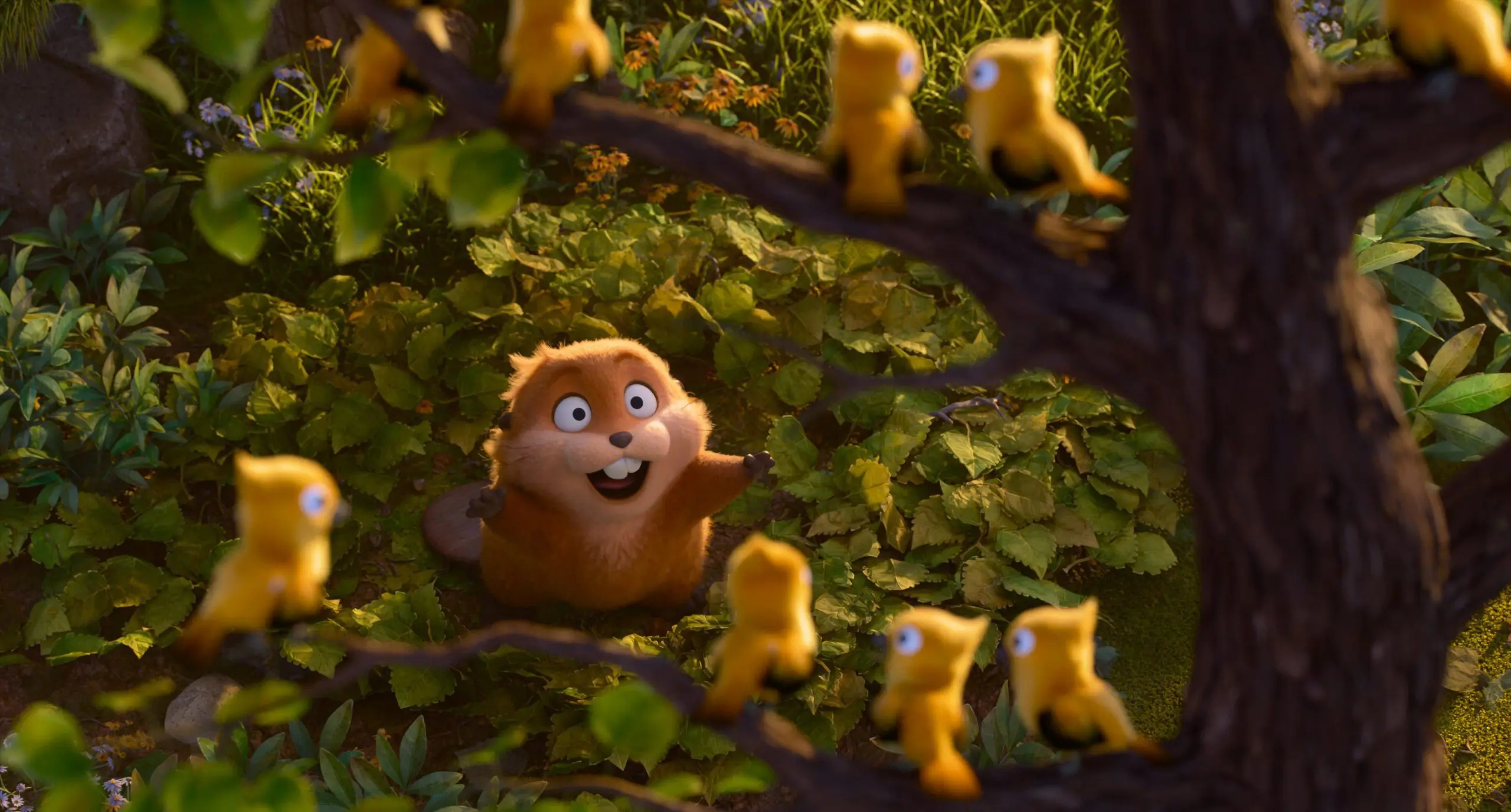
Markus Kranzler: Even though the looks are different, the characters in Hoppers are strongly stylised in their own way. For us, it’s always about looks that are believable, not necessarily physically correct. Similar to most of our movies we take nature as inspiration, but we put our own spin on it. This can affect certain departments differently from others. In this film because the story heavily depends on comedic timing, I would say that the environment had controlled detail to guide the viewer’s eyes and the characters were built out of simple, readable shapes with a tactile feel similar to felted toys.
DP: In a stylised film like Hoppers, you’re always balancing plausible physics with deliberate exaggeration. How do you decide how “real” hair and fur should behave versus how “cartoon” it should read?
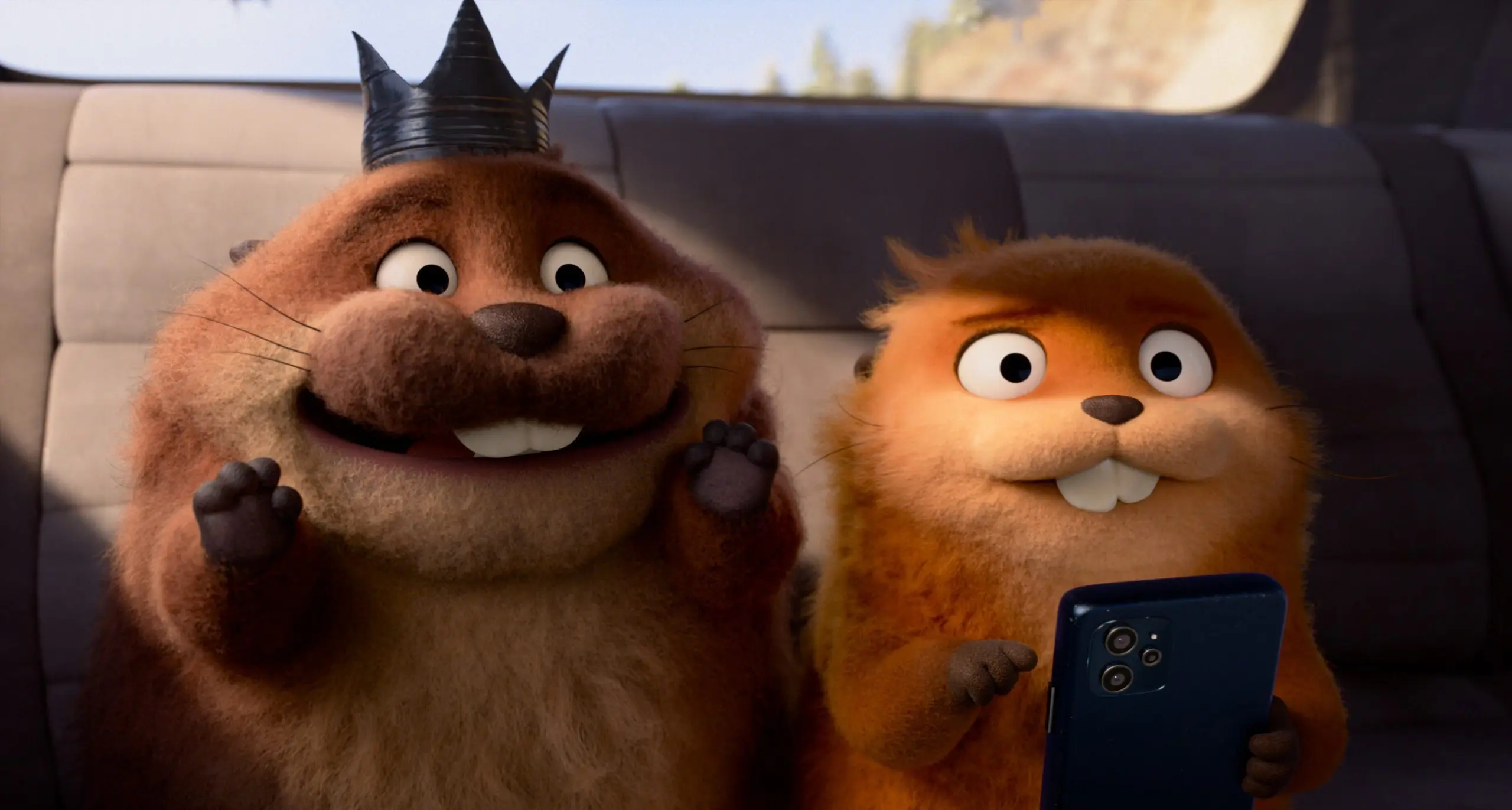
Markus Kranzler: It’s all about the story! The first question we ask is: Does it serve the story better if things behave and look more realistic, or more stylised? Then we go from there. On Hoppers, the main criteria were to make the characters look endearing, comedic, but also instantly recognisable for the fast cuts.
DP: How much of that balance is determined by art direction, and how much do you discover later through animation and shot work?
Markus Kranzler: It is usually a very collaborative and fluid process. In most cases, we have a pretty solid foundation coming from art direction, but as we move from 2D into 3D we adjust as we explore and learn things.
DP: How early were you involved in character preparation and design decisions for the protagonists and key characters?
Markus Kranzler: On this film, I joined fairly late. So most of the key characters were already being worked on. Most workflows and the design language had been figured out at that point.
DP: On the design side, did grooming constraints ever influence decisions like hair length, density, silhouette, or “how much the hair is allowed to move”?
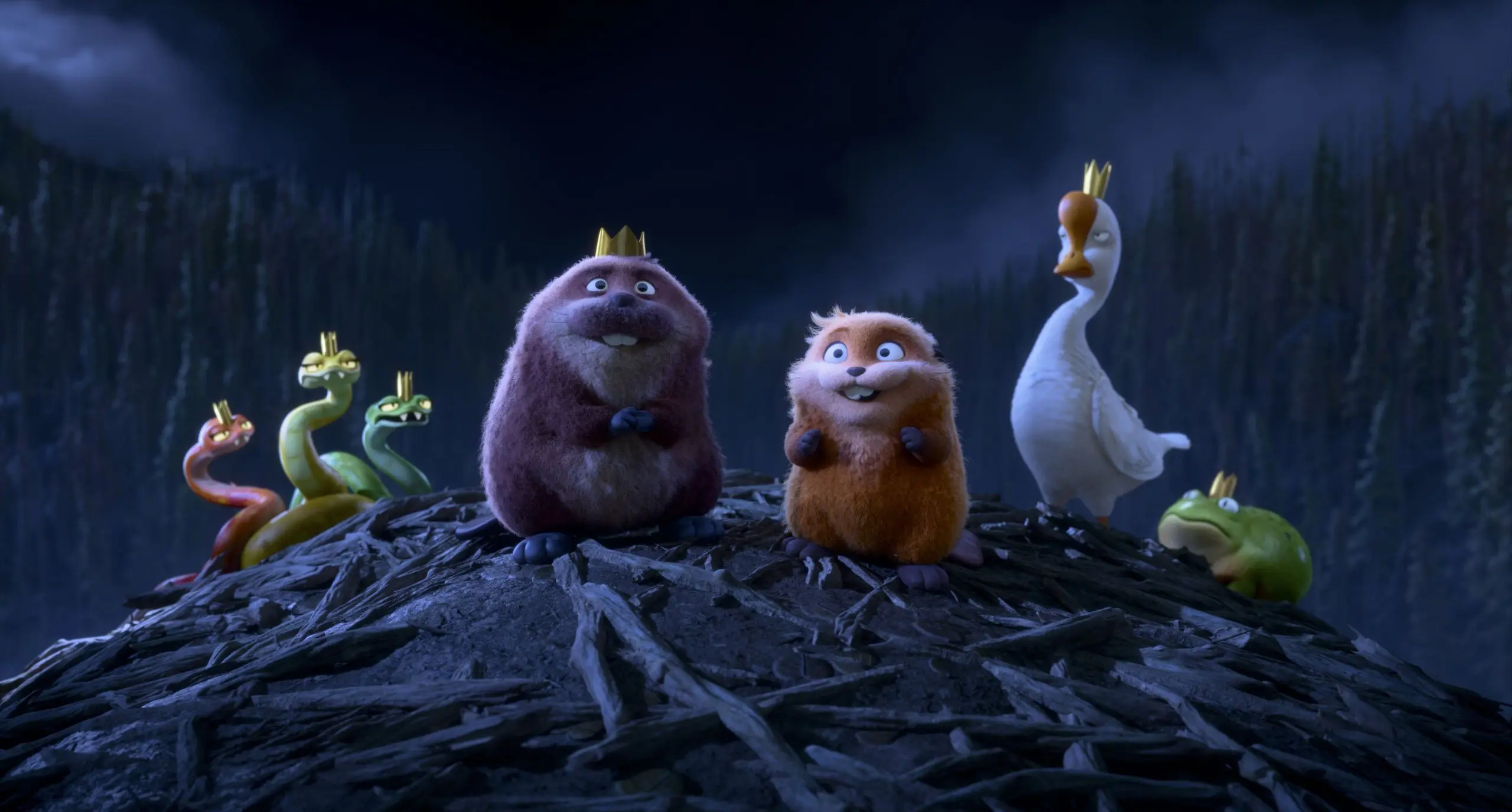
Markus Kranzler: Actually, yes. I worked on the skunks, and they are a great example of such a decision. One of the main features of a skunk (besides it’s smell) is its big bushy tail. In nature, the anatomical part of the tail is very skinny and the whole volume comes from it’s fluffy fur. But simulating that would not only be more expensive, but maintaining a fluffy, instantly recognisable shape would also be trickier. So we “cheated” and increased the tail’s volume to grow the hair by quite a bit. Thereby reducing the length of the individual hair curves.
DP: Hoppers has characters that can read as more animal-like in one context and more human-like in another, depending on the scene and how we’re meant to interpret them. Did you get explicit direction to shift the exterior presentation of characters for that?
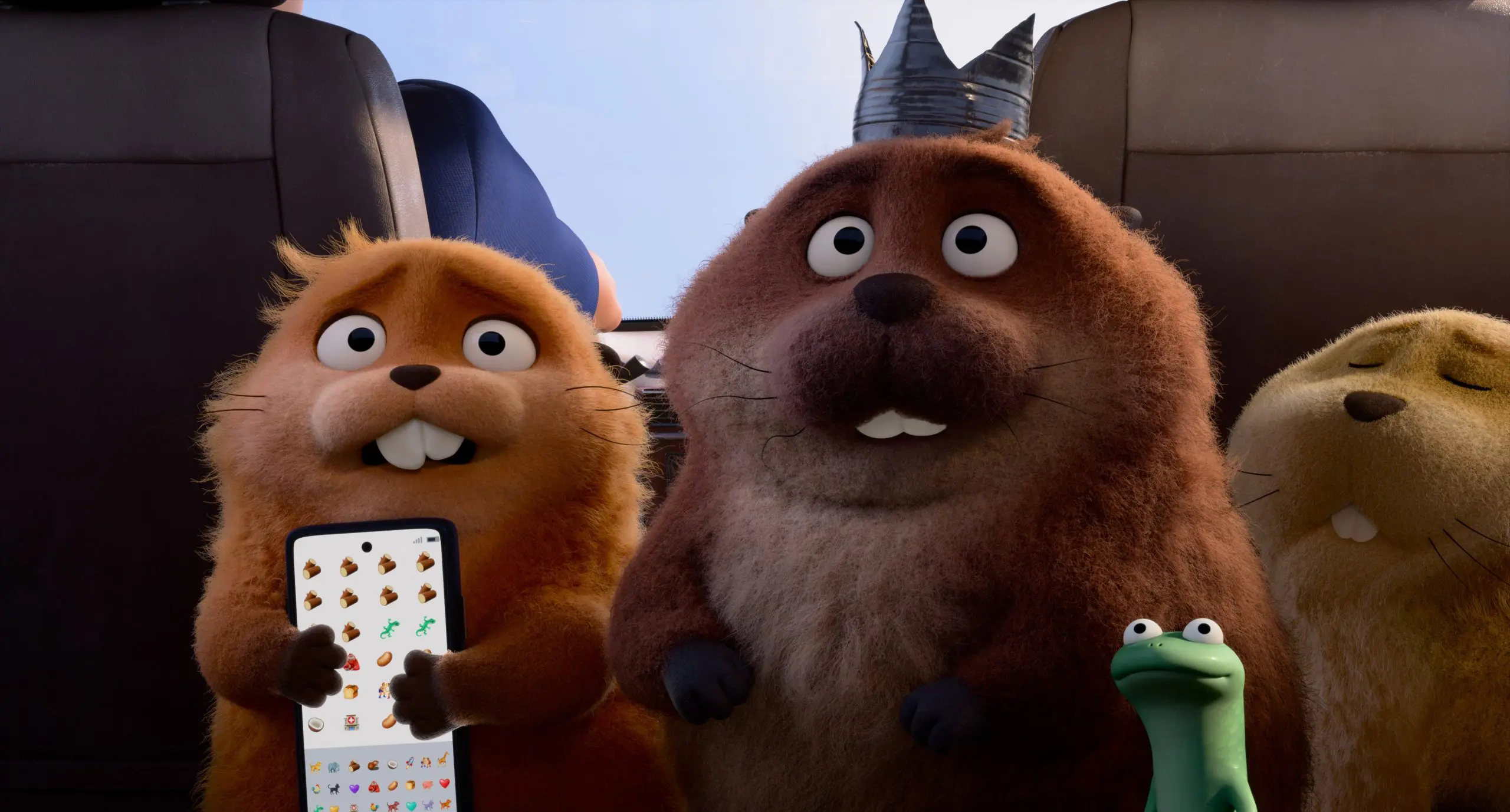
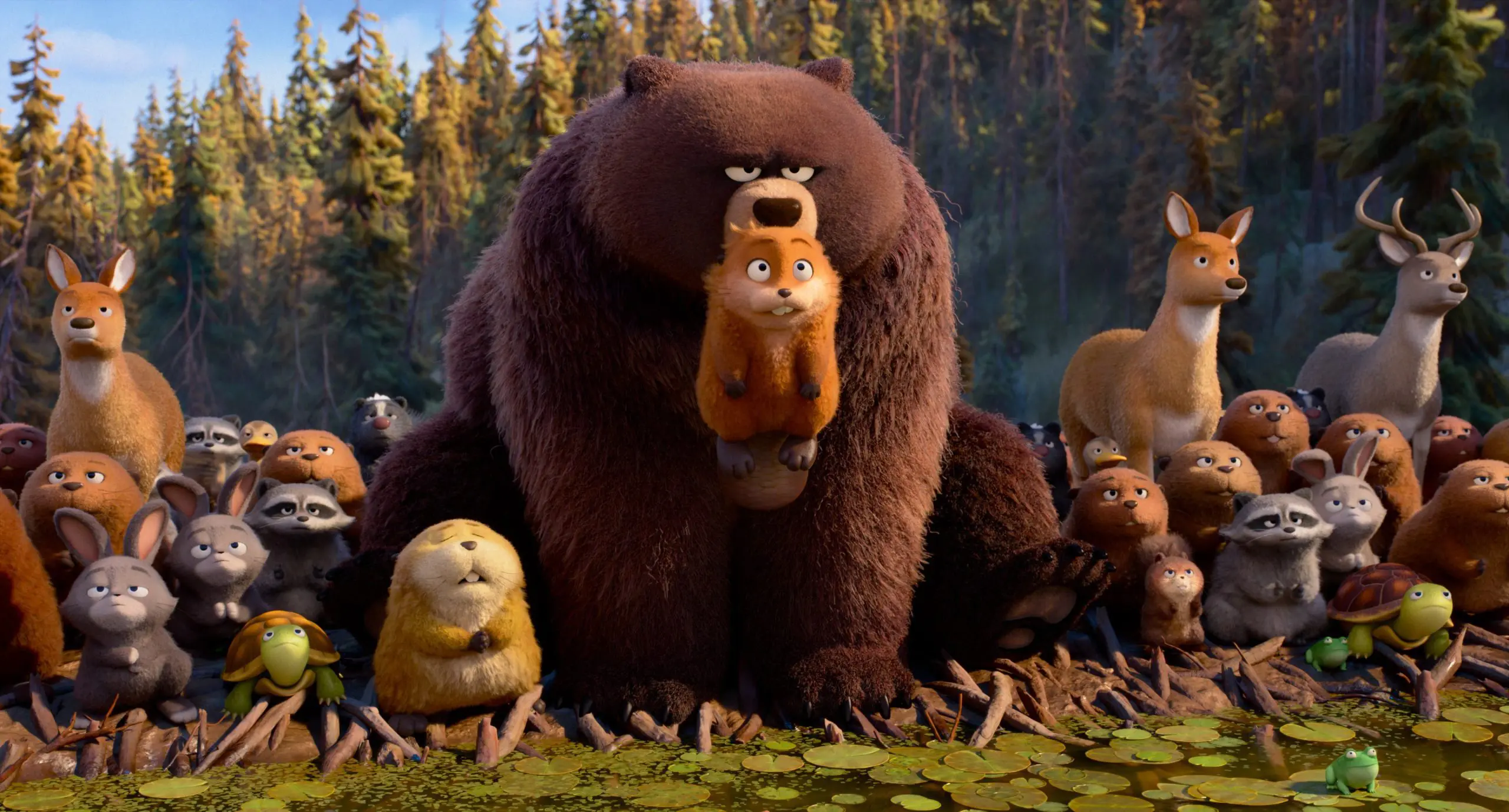
Markus Kranzler: The main change when we see the animals from a human’s perspective is their eyes. We called them “Dot Eyes”. Since we as humans read a lot of expressions from the eyes, that shift alone made a big enough difference. We only had to make minor tweaks to the model and grooming to account for the slight difference in that region.
DP: Tooling question: was this largely one grooming system end-to-end, or did you use multiple systems for different needs?
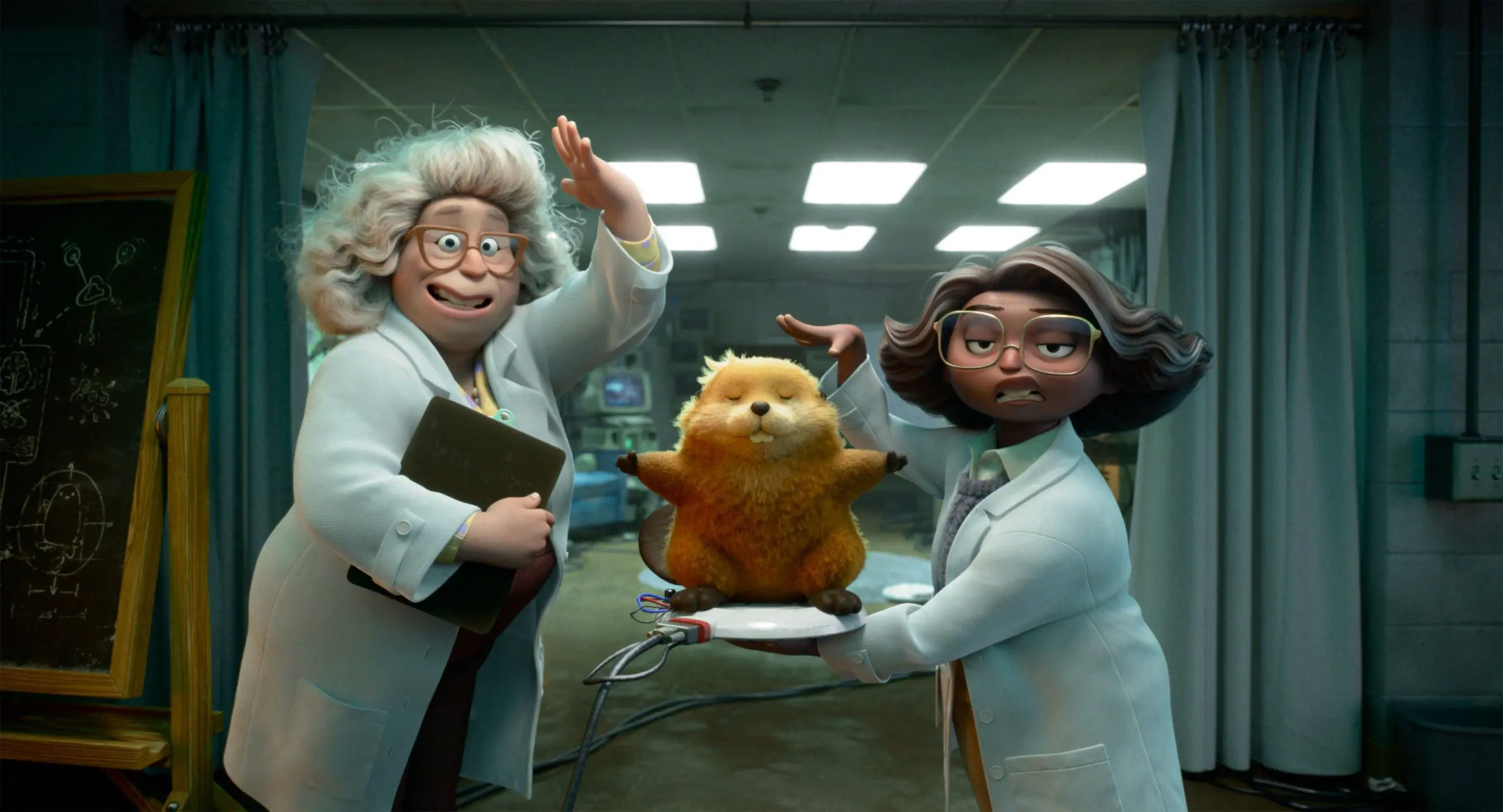
Markus Kranzler: We have our own proprietary grooming tool within our in-house animation software, “Presto,” called “Pele”. We use that for both animal fur and human hair, and from there it feeds into our standard shading pipeline.
DP: For artists trying to achieve a similar look, what are the first conceptual steps you take when approaching a new groom, for example, a beaver?
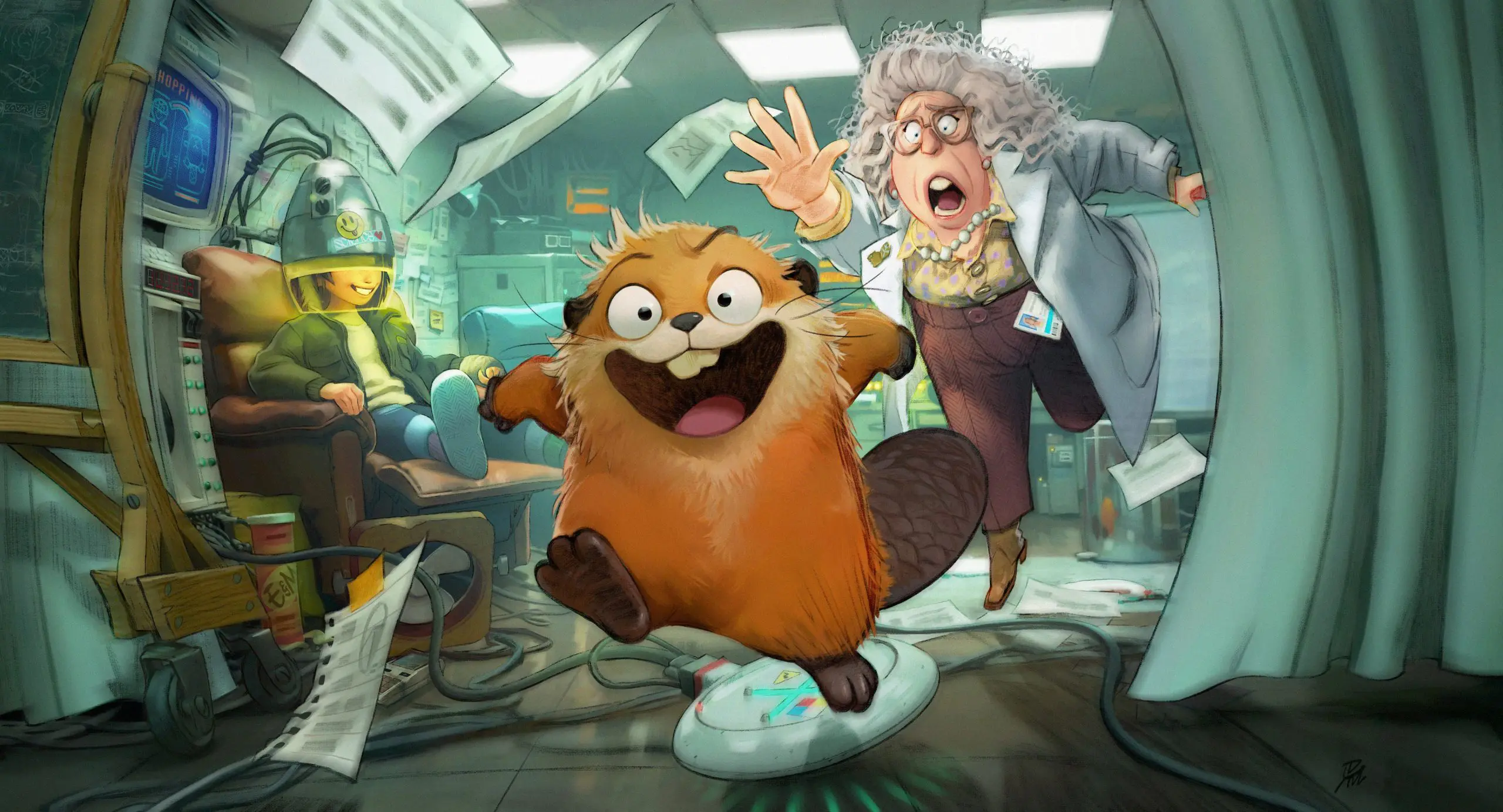
Markus Kranzler: First I need to understand the art direction. For us, the guideline comes mostly from 2D drawings. Before we start, we have a kick off meeting with the production designer, art director, and/or character designer. In that kick-off, we go over the general aesthetic of the film, who the character is and what they do in the movie, and then break apart each component.
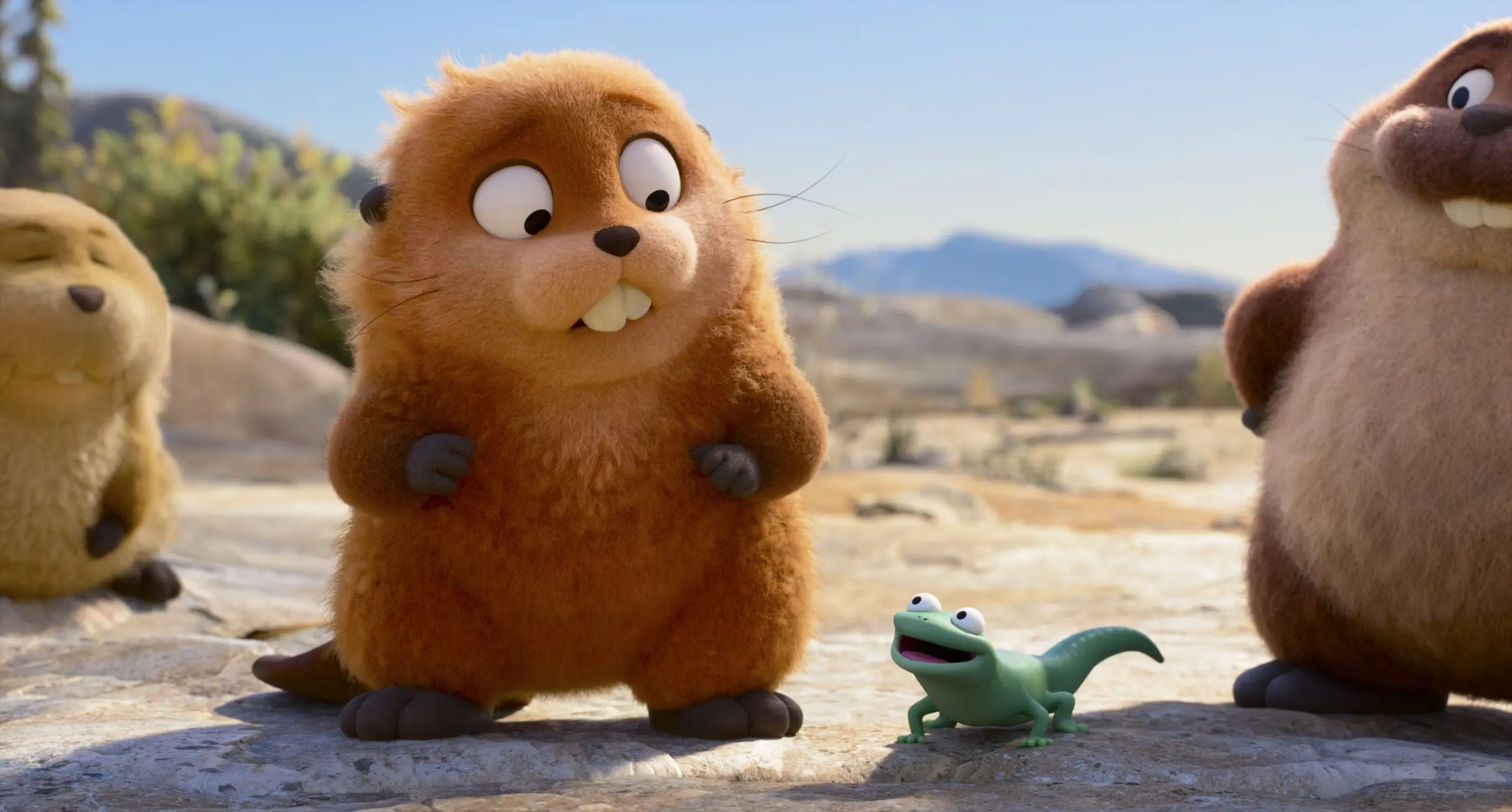
Often we will also get some photographs of real-world examples that serve as inspiration, but we clarify what we want to preserve and how we want to diverge from reality. Once I have that understanding and reference material, it’s very similar to how one would approach a photo-realistic asset. E.g. drawing textures, placing and grooming the hair curves, adjusting the specularity, tweaking displacement etc. And you do a lot of iterations.
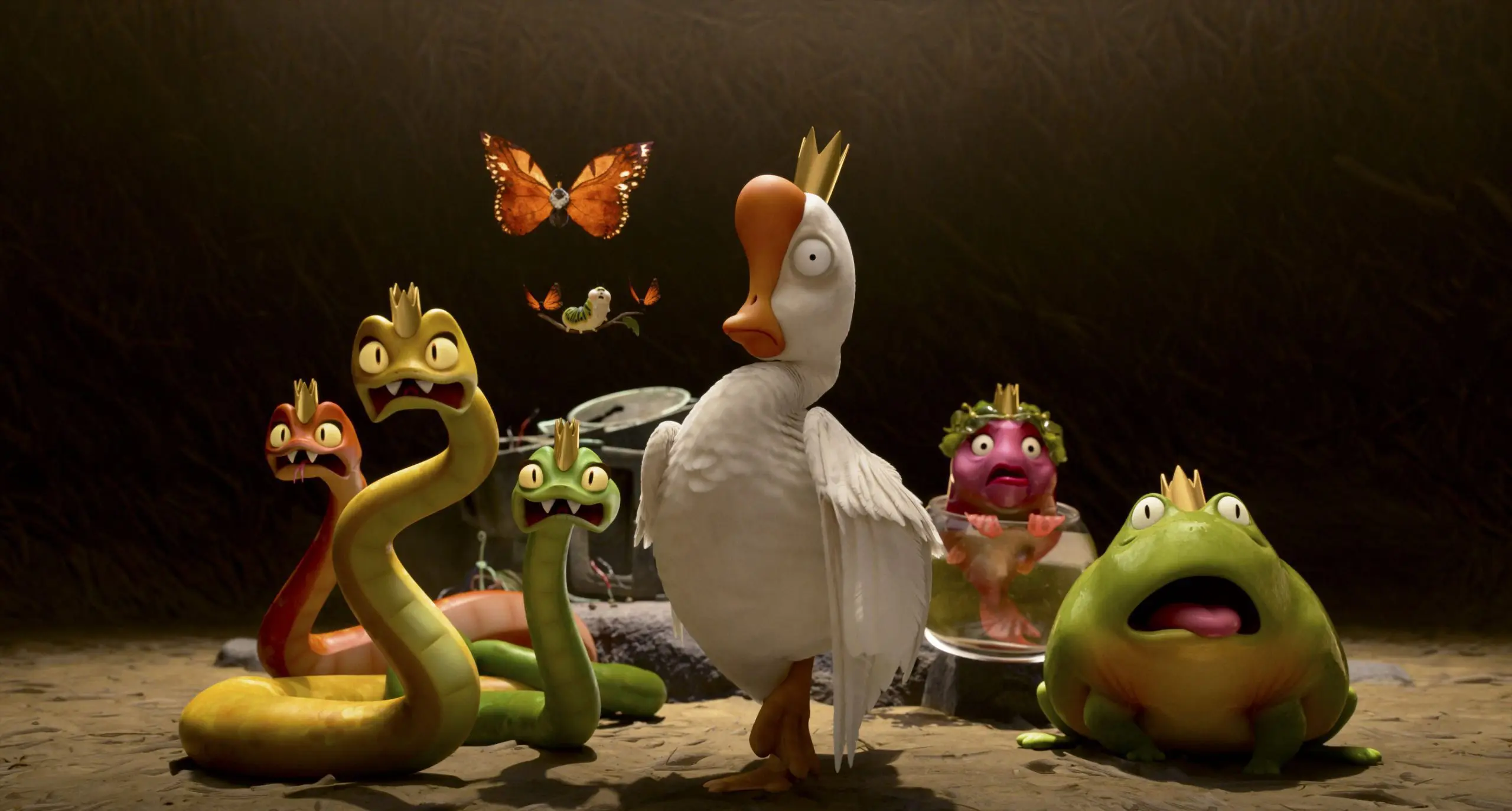
DP: Reference for SOME of these animals is abundant. How do you sort, filter, and prioritize reference when translating real-world anatomy into a stylised film language?
Markus Kranzler: That is a pretty common and important discussion that comes up in meetings and reviews. As I mentioned, our guideline is usually a 2D drawing, which inherently is a simplification of something by an artist. And then a shading artist like me interprets it to create a different version of it. It’s a bit like a game of telephone. Sometimes the message gets jumbled up. It does get easier with time, as all parties gain more experience in communicating and interpreting the intentions. But sometimes that can also lead to new discoveries that improve results. So it’s always a learning curve, but that makes it exciting and refreshing every time.
DP: Looking back, do you have a favourite character to work on, and why?
Markus Kranzler: My answer probably won’t be very exciting since I didn’t work on any of the main characters, but I would say my favourites are the classroom turtle we see at the beginning of the movie. Not a lot of grooming there, but I find it adorable. And then I made a character we called “Janky Beaver”. It’s one of the prototypes of the observation robots we see in a short time-lapse. You barely notice it in the movie, but I like it because it’s a great example of the wacky humour of the film.
