



Usually, we do not report on the daily droppings from the AI sphere. There are too many of them, and most evaporate between a keynote slide and a too-late LinkedIn sermon. And they are droppings. But Sora was one of the few cases that “prompted” (hehehehe) concern beyond the hype fog. The amount of attention, capital, and outright fanaticism made it look less like a toy and more like a symptom. That makes its shutdown worth commenting on.
What happened?
OpenAI is discontinuing Sora, its standalone AI video product, and the proposed Disney tie-up around it never even reached the point where money changed hands. Reuters reports that the planned arrangement included a three-year partnership, a $1 billion Disney investment and licensing for more than 200 characters, but the deal never formally closed. (reuters.com)
Reuters reports the decision came down to computing costs and “strategic refocusing”. OpenAI is reportedly shifting resources toward coding tools, enterprise products, robotics, and (because this industry cannot go five minutes without inventing a new universal solvent), a desktop “super-app.”
The all-encompassing killer app is, as usual, nearly here. It can sit with the killer app for VR, the mainstream breakthrough for HFR, and the long-awaited distribution channel for stereo 3D. They have all been waiting very patiently.
And that means ….
From a professional media perspective, it is just not especially useful to generate five seconds of synthetic spectacle for social feeds. It is much harder to turn that into a sustainable product with clear rights, predictable costs, real workflow value and adherence to agreed-upon broadcast standards.
Sora did very well in the attention economy. The cash economy appears to have been less impressed. That is not the end of AI video, but it is a useful embarrassment for a sector that spent years talking as if VFX production were a minor clerical issue.
The wider absurdity is that none of this seems to have dented the appetite for infrastructure spending. OpenAI said in January 2025 that “Stargate” (Does anybody remember what came through that gate?) intended to invest $500 billion over four years, with $100 billion to be deployed immediately. OpenAI, Oracle and SoftBank were expanding that plan with five new sites as part of the same huge data-centre push. So one of the flagship consumer outputs gets put down because the economics do not make sense, but the server-hall buildout continues with all the restraint of a drunk aristocrat at a casino.
There may be a second-order effect worth watching here. OpenAI was, after all, the company that lit the fuse on the current phase of the generative AI mania. If OpenAI is now cutting visibly expensive showpiece products and retreating toward things that might plausibly earn their keep, others may eventually have to write down their own unsustainable AI bets and return to the quaint old business of building tools people can actually use. Not demos that photograph well in investor decks. Tools. The kind of tools that professionals open on purpose. That remains an inference, not a confirmed market trend. Still, it is already more plausible than the old doctrine of infinite scale first and monetisation as a character-building exercise later.
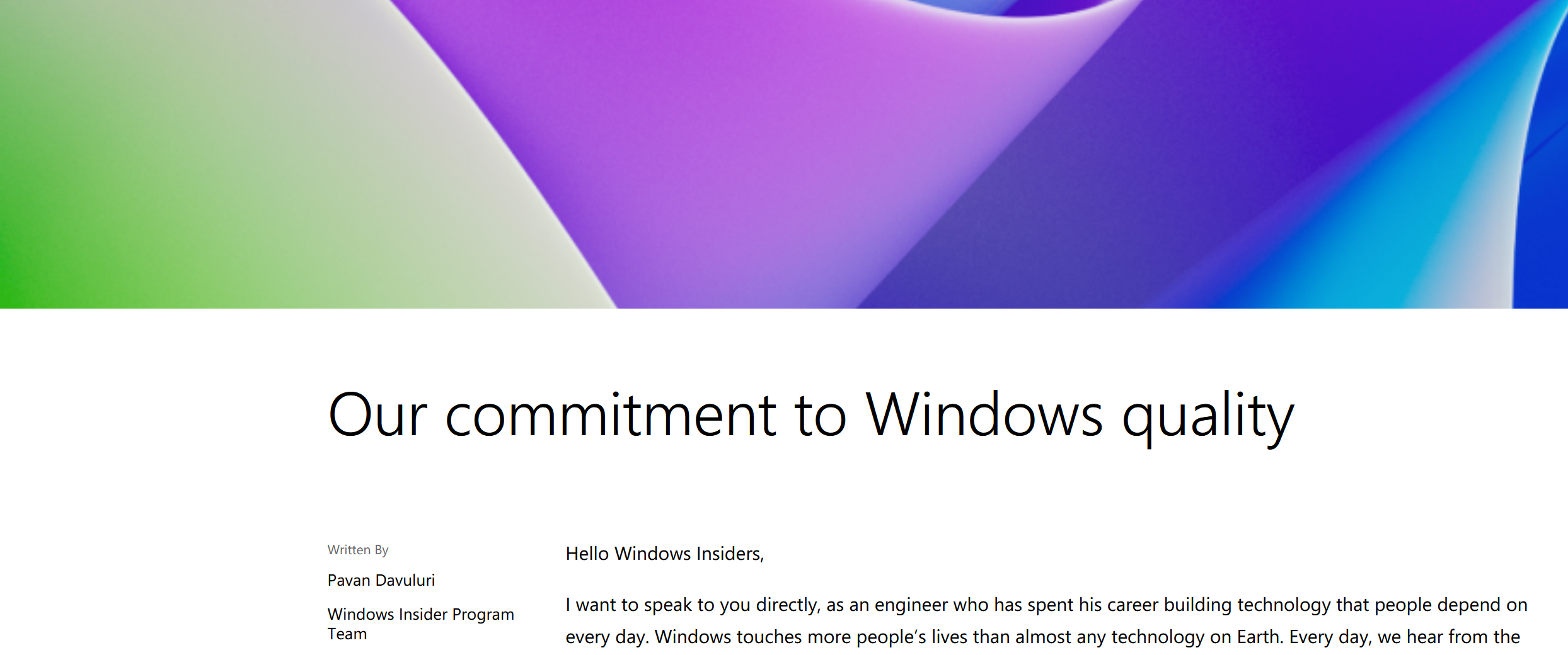
Even Microsoft appears to have noticed that stuffing AI into every available corner of the desktop was not, in retrospect, the cleanest route to user delight. In a Windows Insider post from 20 March 2026, Microsoft said it was “reducing unnecessary Copilot entry points,” naming Snipping Tool, Photos, Widgets and Notepad. That does not mean Windows is becoming anti-AI. Still, it does suggest that even one of the largest AI evangelists on the platform side has rediscovered the radical idea that people sometimes want software to help them work rather than constantly be beta testers. (blogs.windows.com)
None of this proves that the AI bubble has burst. Markets can remain irrational for longer than product teams can remain employed, and there is still enough capital in the system to keep several thousand GPUs warm if not useful. But Sora’s death does show something more useful than a sarcastic footnote in future, human-written Wikipedia articles: It shows that even inside one of the companies most responsible for the current hype cycle, very visible AI-video bets were not worth the cost of keeping alive.
From a Digital Production point of view, the conclusion is quite obvious (If you manage to stay off LinkedIn for a few days): The gap between AI video as social-media confetti and AI video as dependable professional tooling remains very large. If the post-Sora phase nudges the industry away from synthetic demo bait and toward software that solves actual production problems, that would count as progress. Modest, unsexy, economically literate progress. Which is probably why it takes so fucking long.
Citations
Reuters, “OpenAI drops AI video tool Sora, startling Disney, sources say” (reuters.com)
Reuters, “OpenAI plans desktop ‘superapp’ to streamline user experience” (reuters.com)
OpenAI, “Announcing The Stargate Project” (openai.com)
Reuters, “OpenAI, Oracle, SoftBank plan five new AI data centres for $500 billion Stargate project” (reuters.com)
Windows Insider Blog, “Our commitment to Windows quality” (blogs.windows.com)
