



Katana 8.0: Enhanced USD Integration
Katana 8.0 introduces complete USD roundtripping, enabling a seamless back-and-forth between Katana and USD-based systems. Artists can now export changes made in Katana to USD, encompassing lighting, materials, cameras, and geometry, for integration with other departments. This new export functionality improves cross-department collaboration and allows for greater reuse of assets.
Another significant addition is Pattern-based Collections, which provide templates for managing multiple shots and sequences, offering more flexibility in organizing assets. Additionally, a new “KatanaToUsd” node facilitates the conversion of Katana data to USD data, expanding Katana’s role within USD-based workflows.
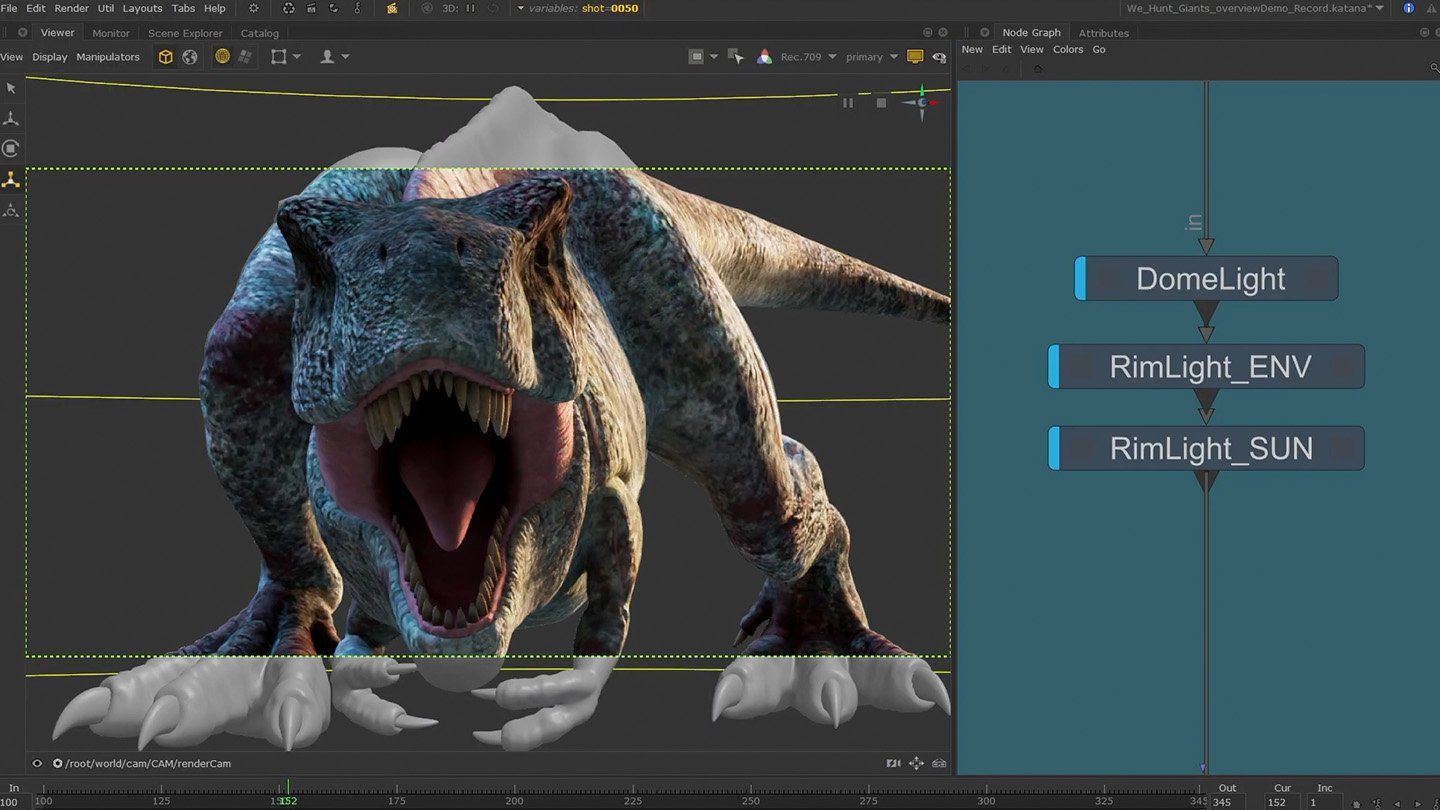
Katana 8.0 also introduces a Python Profiler in the Performance tab, enhancing the ability to monitor Python code performance. The update includes a major performance boost, with scenes loading up to 2.5 times faster, thanks to optimizations in the node graph traversal process, which has been ported from Python to C++. Other improvements include USD debugging tools, such as the new USD Text View tab for better visibility into USD data on the stage.
For those using the VFX Reference Platform 2024, Katana 8.0 delivers updated compatibility, ensuring a smooth integration with other VFX tools.
Mari 7.1: New 2D Painting Mode and More
Mari 7.1 brings a powerful 2D Painting Mode that allows artists to easily switch between 2D and 3D painting environments. This new feature is designed to enhance texture painting workflows by enabling artists to create 2D images and link them live to their 3D node graphs. It also supports the creation of custom patterns and decals, offering greater flexibility for generating editable materials.
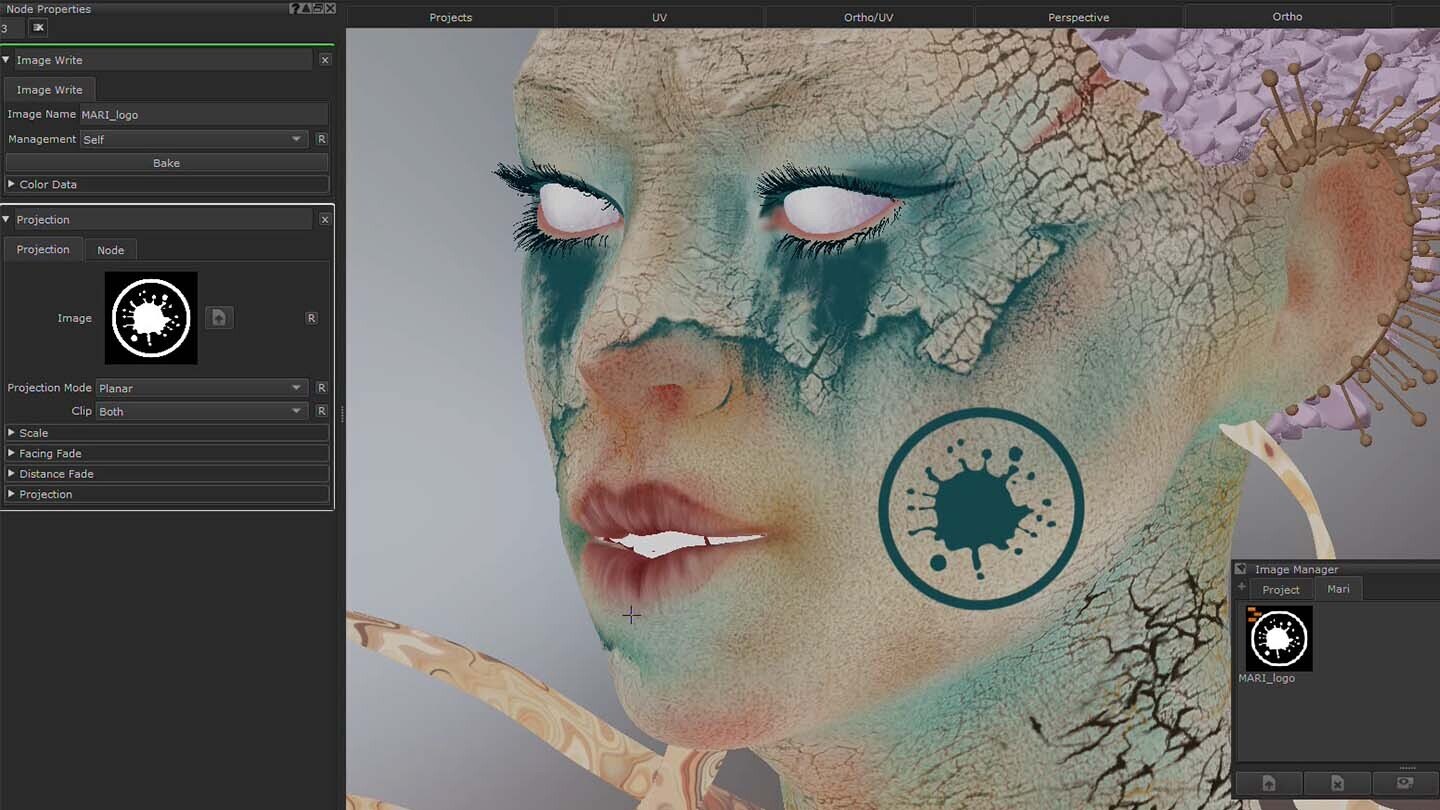
The Smart Mask Shelf in Mari has been expanded with over 50 Smart Masks and utility nodes, developed by industry professionals like Stuart Ansley. These additions provide more out-of-the-box tools for artists, improving efficiency during the texturing process.
Other new features include the Grunge Shelf, which now includes even more textures designed by Johnny Fehr, and new presets for Paint Node creation, allowing quick access to commonly used swatches. Mari 7.1 also introduces the ability to export materials with different variations using the Switch Node and includes a new Node Package feature for saving entire Node Graphs, improving the portability of textures and setups between artists.
Nuke 16.0 Open Beta
The Nuke 16.0 open beta brings several updates to improve compositing, review, 3D, and custom effect workflows. For one, there are overhauled compositing workflows: Nuke 16.0 introduces Variables, Link nodes, an updated Group Node internal view, and performance improvements in Roto for large scripts. A new ML Planar Tracker has also been added for more efficient tracking.
Also, there are enhanced review workflows – Timeline improvements include multichannel soft effects, Quick Export. These updates streamline the review process and speed up feedback cycles. In terms of 3D workflows, Nuke 16.0 enhances the beta 3D system with updates to core nodes and introduces the new GeoConstrain and GeoXformPrim nodes, along with UI improvements for better usability. Finally, the BlinkScript node has been updated to make custom effect creation more intuitive, improving the ease of reading, writing, and troubleshooting code.
Check First: These updates are currently available for testing in beta (Nuke 16.0) or fully implemented in the respective software versions. As with any new technology, artists should thoroughly test these features in their pipelines before using them in current production projects.
For more details about these updates, visit the official Katana 8.0 page and Mari 7.1 page. Access the Nuke 16.0 open beta here.

1 comment
Comments are closed.