



First up, Godot 4.4 integrates the Jolt Physics engine directly into its core. Previously available as an extension, Jolt has been the go-to physics engine for many users since late 2022. While this feature is rigorously tested, it’s currently labeled “experimental.” Developers can enable it in the project settings after consulting the documentation to ensure compatibility with their specific use cases.
Embedded Game Windows
Gone are the days of juggling multiple windows like a circus performer. Godot 4.4 introduces embedded game windows, allowing developers to run the game seamlessly within the editor. This feature is currently supported on Linux, Windows, and Android platforms, with macOS support in the pipeline.
Interactive In-Game Editing
Ever wished you could tweak your game on the fly? Now you can. Godot 4.4’s interactive in-game editing lets developers modify game elements in real-time, even while the game is running or paused. This enhancement streamlines the development process, making it more intuitive and efficient.
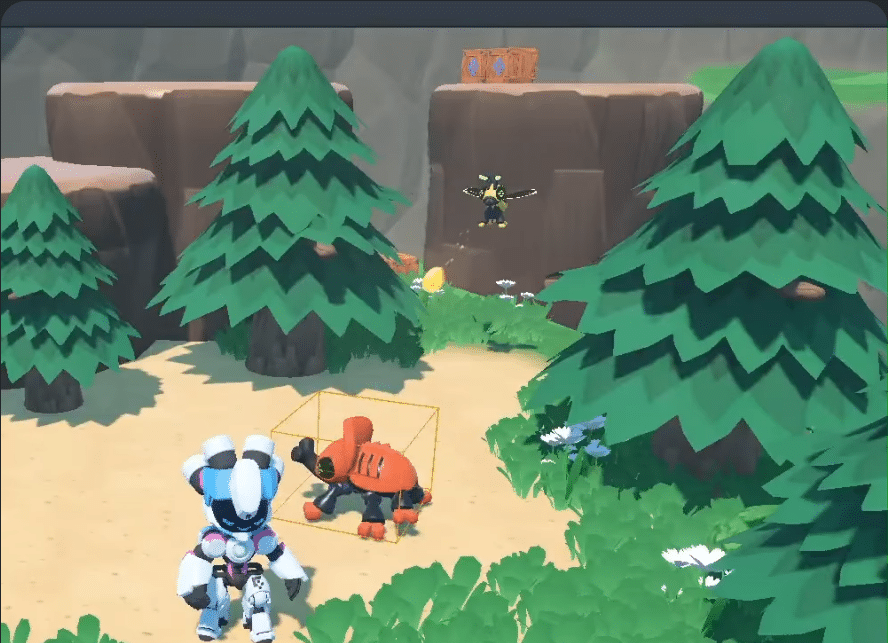
Ubershaders
Shader compilation stutter got you down? Enter Ubershaders. These pre-compiled shaders act as fallbacks, eliminating the need to wait for specialized shader pipelines to compile during gameplay. The result? A smoother gaming experience without those pesky pauses.
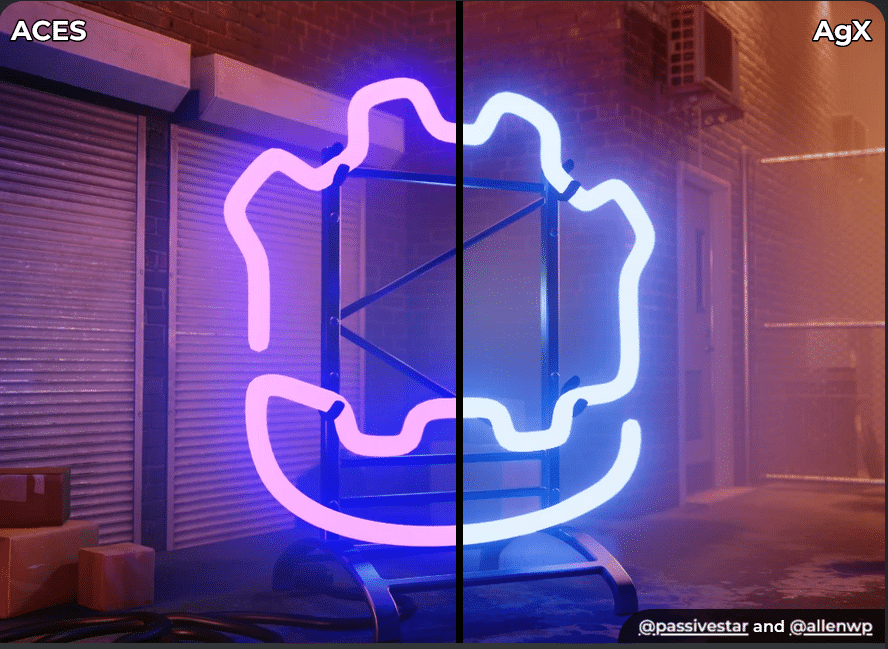
AgX Tone Mapping
For those striving for a cinematic look, Godot 4.4 introduces AgX tone mapping. Adapted from Blender’s recent adoption of the AgX algorithm, this implementation provides a more filmic rendering, especially effective in handling bright scenes.
Performance Improvements
Under the hood, Godot 4.4 boasts faster load times, reduced stuttering, and streamlined processes. These quality-of-life improvements enhance the overall development experience, making the engine more responsive and efficient.
Before migrating existing projects to Godot 4.4, developers are advised to consult the migration guide to understand any breaking changes.
