



SideFX has released a feature crawl for Houdini 21, and if you blink, you’ll miss roughly a dozen new features. The SIGGRAPH 2025 sneak peek video runs down over 300 updates, upgrades and experimental toys, making Houdini 21 the biggest “dot one” in SideFX’s history. From rigging to viewport, the list reads like a wishlist for every CG department plus some surprises.
Houdini 21: KineFX, Animation, and Otto, so Drag, Drop, and Deform
Animators get new auto-rig modules for limbs, feet, hands, necks, scapulae, and ulnae, plus a version 3.0 spine rig with squash and stretch, and an updated Electra rig with twist joints, reverse foot, bendable IK/FK, and a proper clavicle.
Houdini 21 brings procedural graph fusion for rapid rig generation, a drag-and-drop viewport rig builder, and a rigging environment that’s now APEX-driven and designed for actual animators, not just TDs.
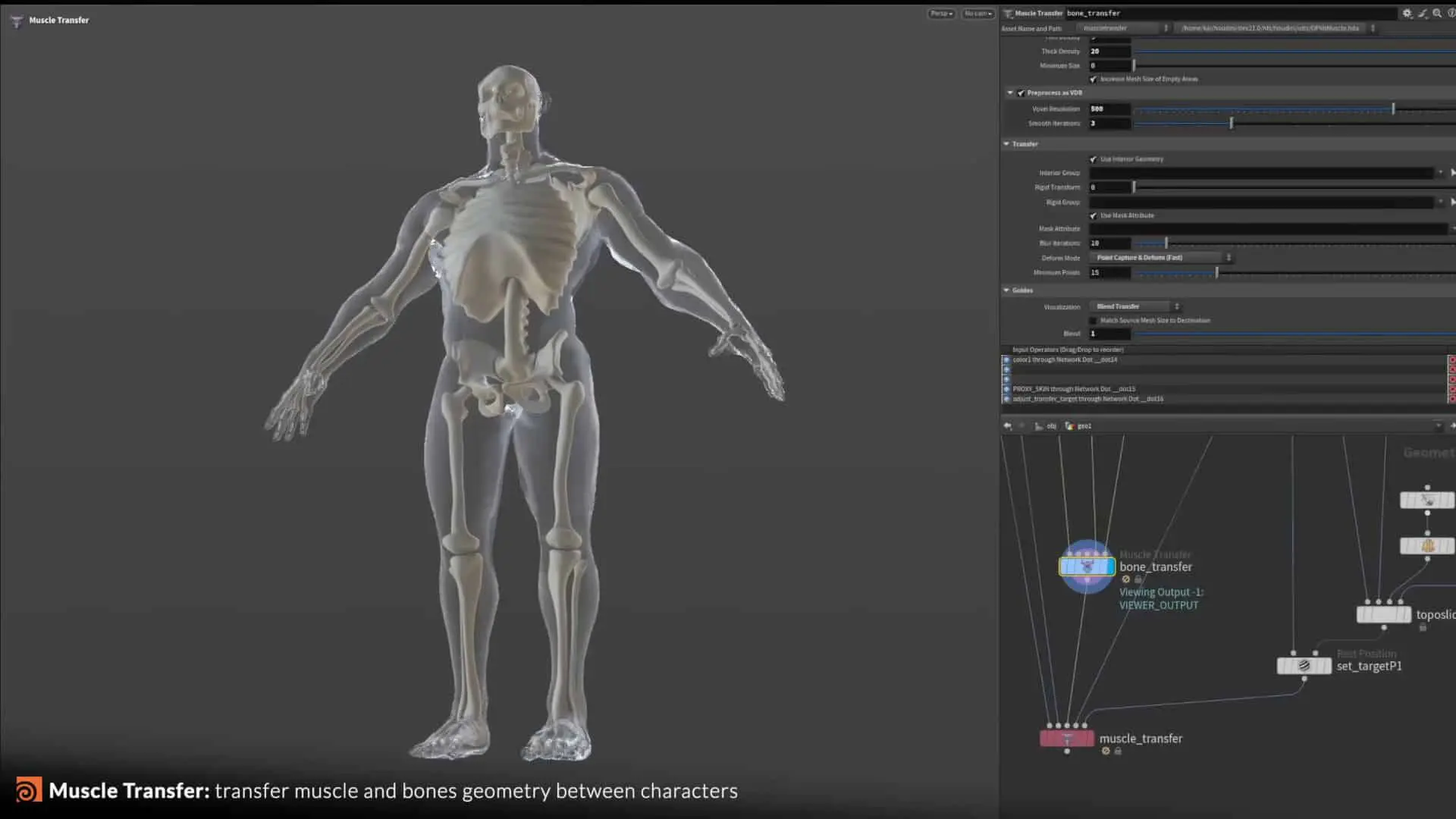
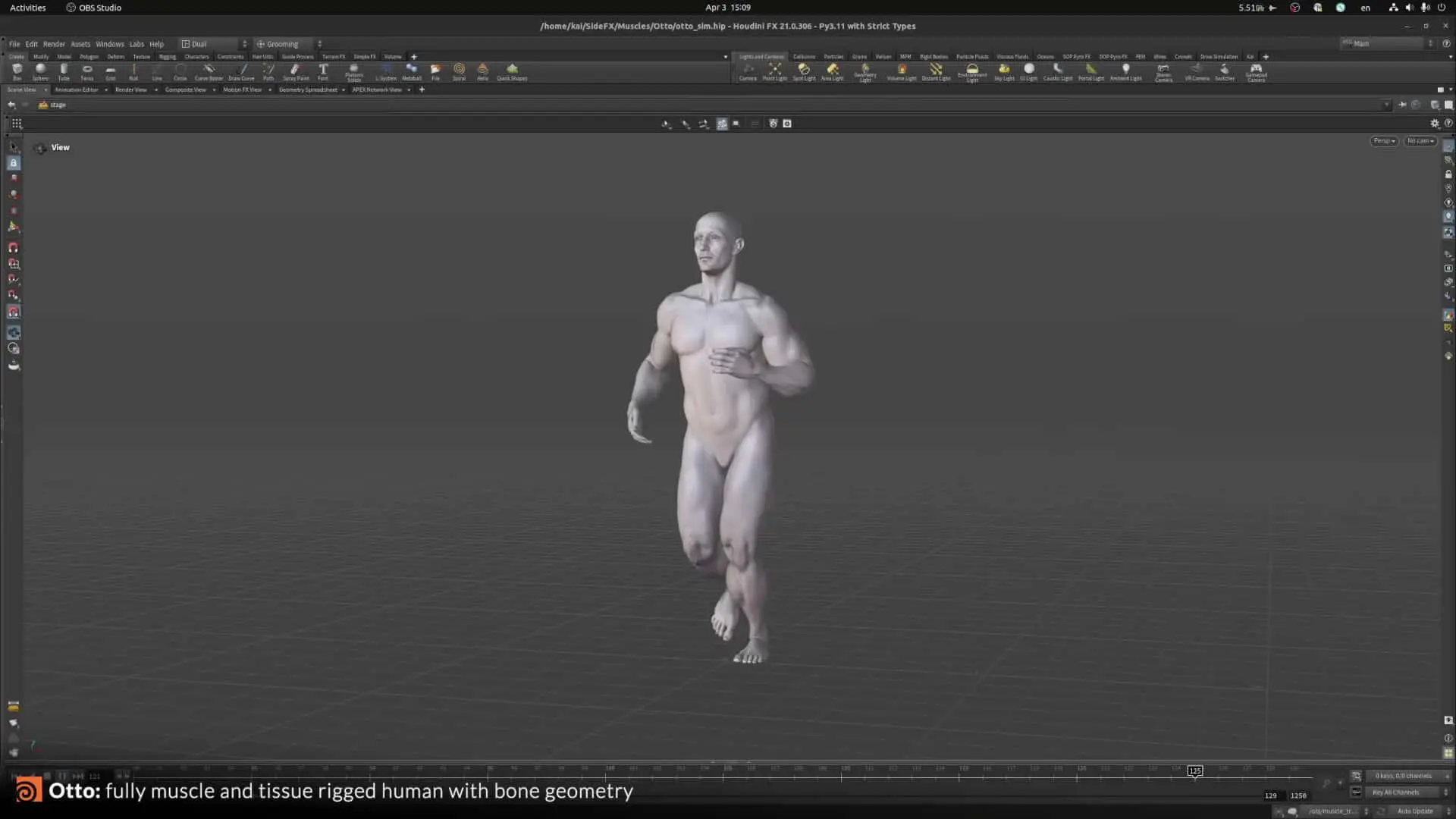
There’s also Otto: a fully rigged, production-ready human with muscle and tissue simulation out-of-the-box. Ragdoll and constraint upgrades include soft/hard tethers, LookAt and Static types, offset controls, mirrored keyframes, and improved full-body IK posing. Motion Mixer (beta) is in, with tracks, non-linear animation mixing, and full APEX support. ML-driven skin deformation and neural point surfacing round out the “futuristic but real” vibe.
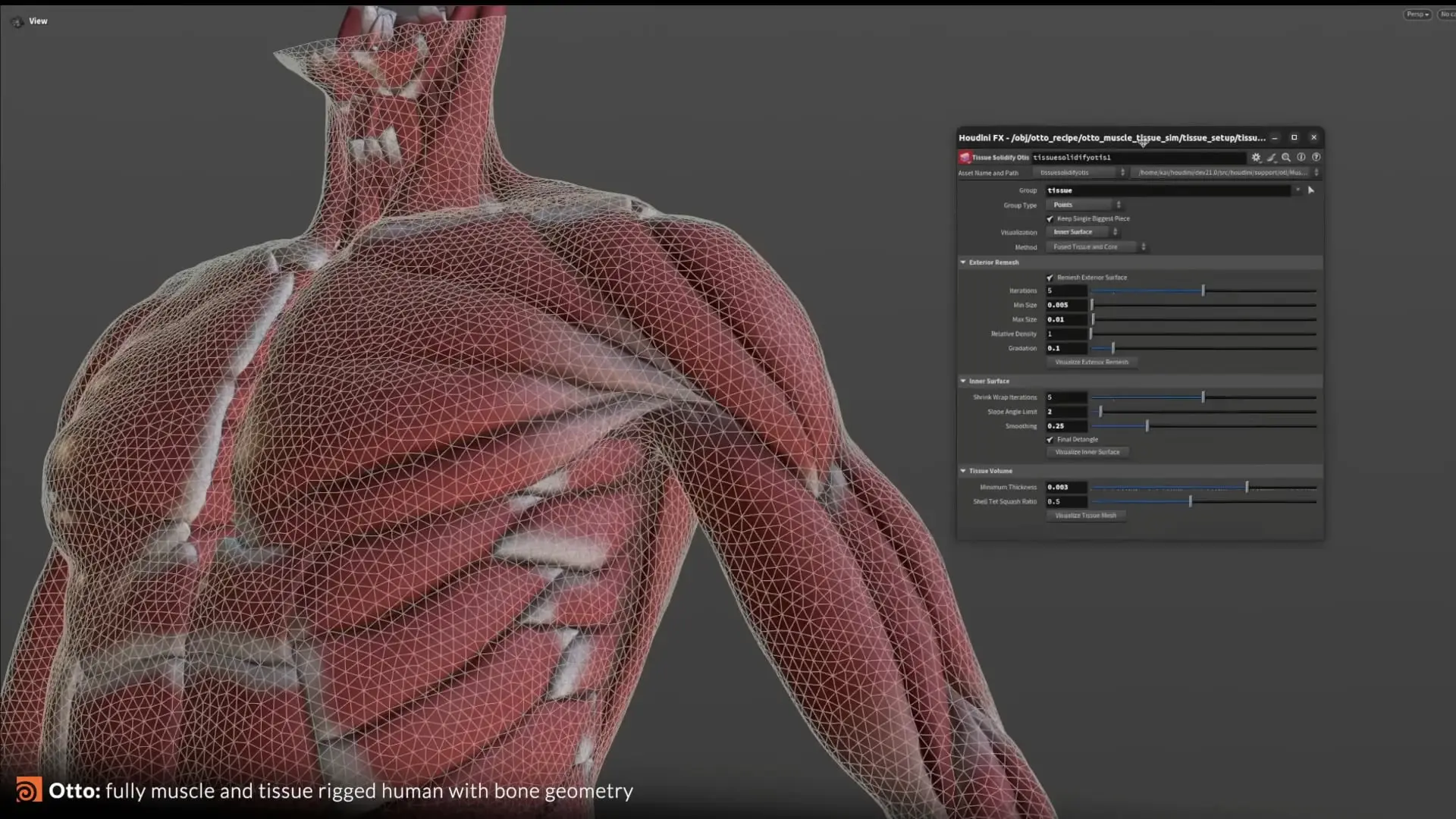
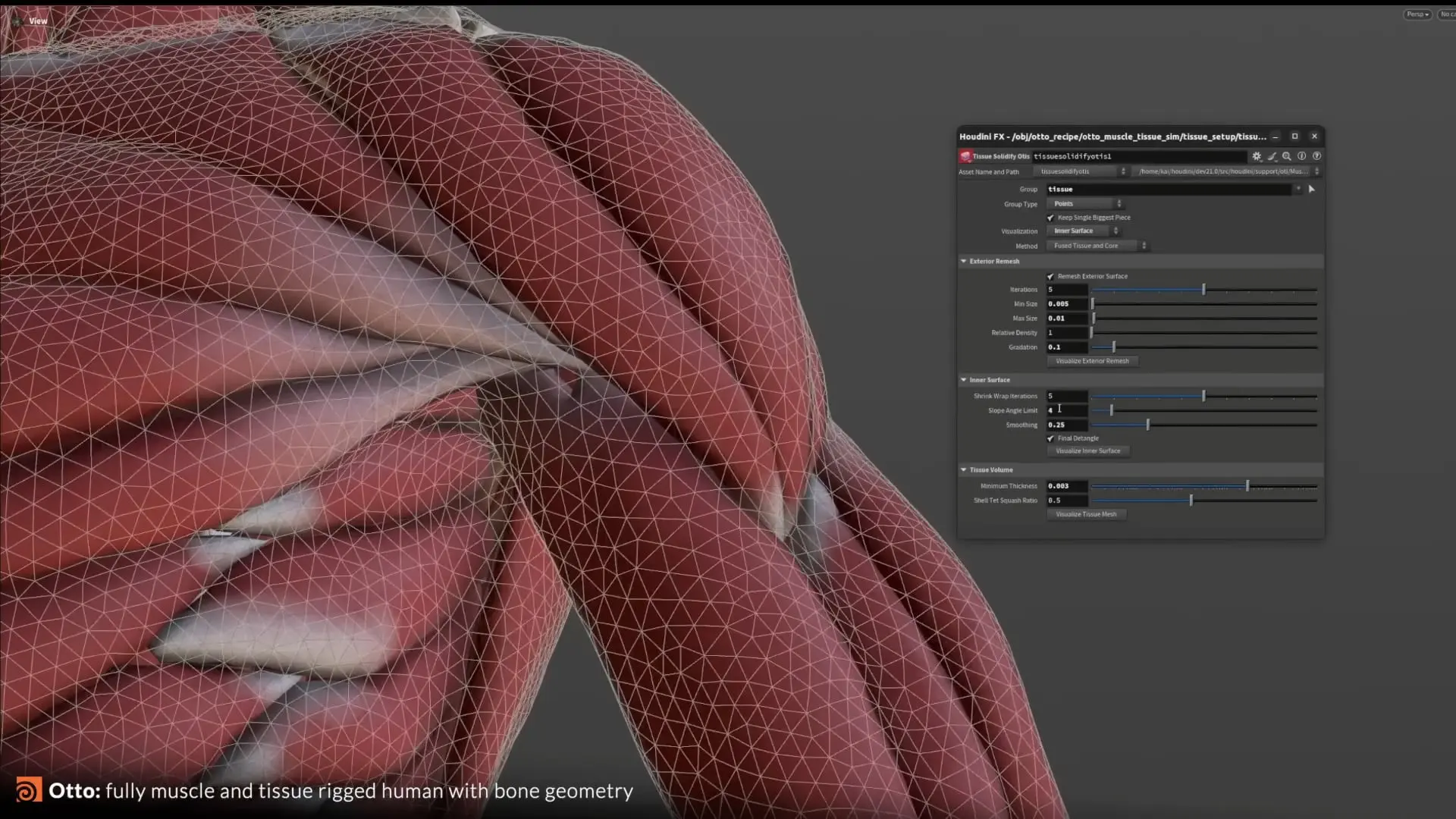
Otis and CFX: Muscles with (Machine) Learning
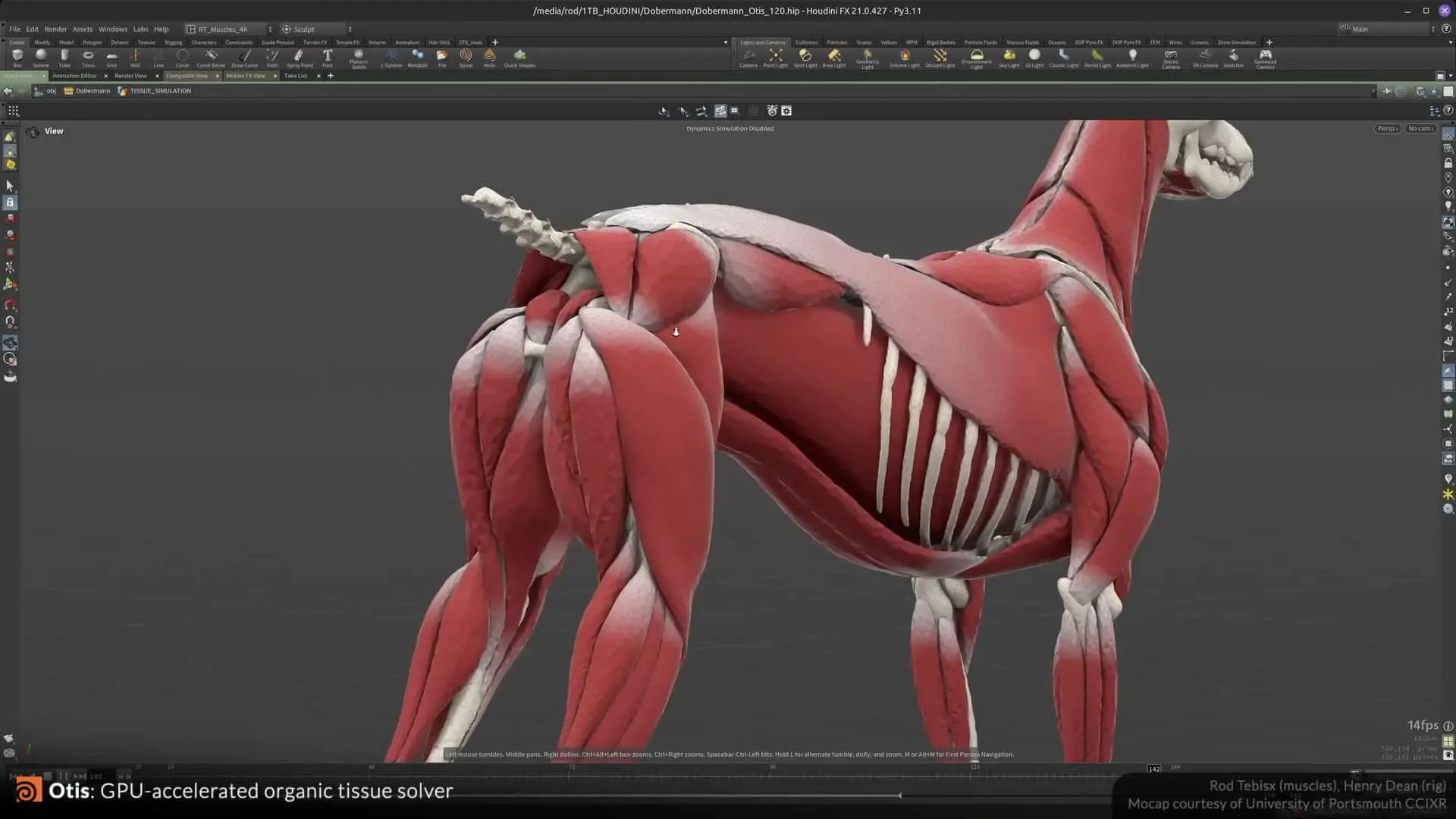
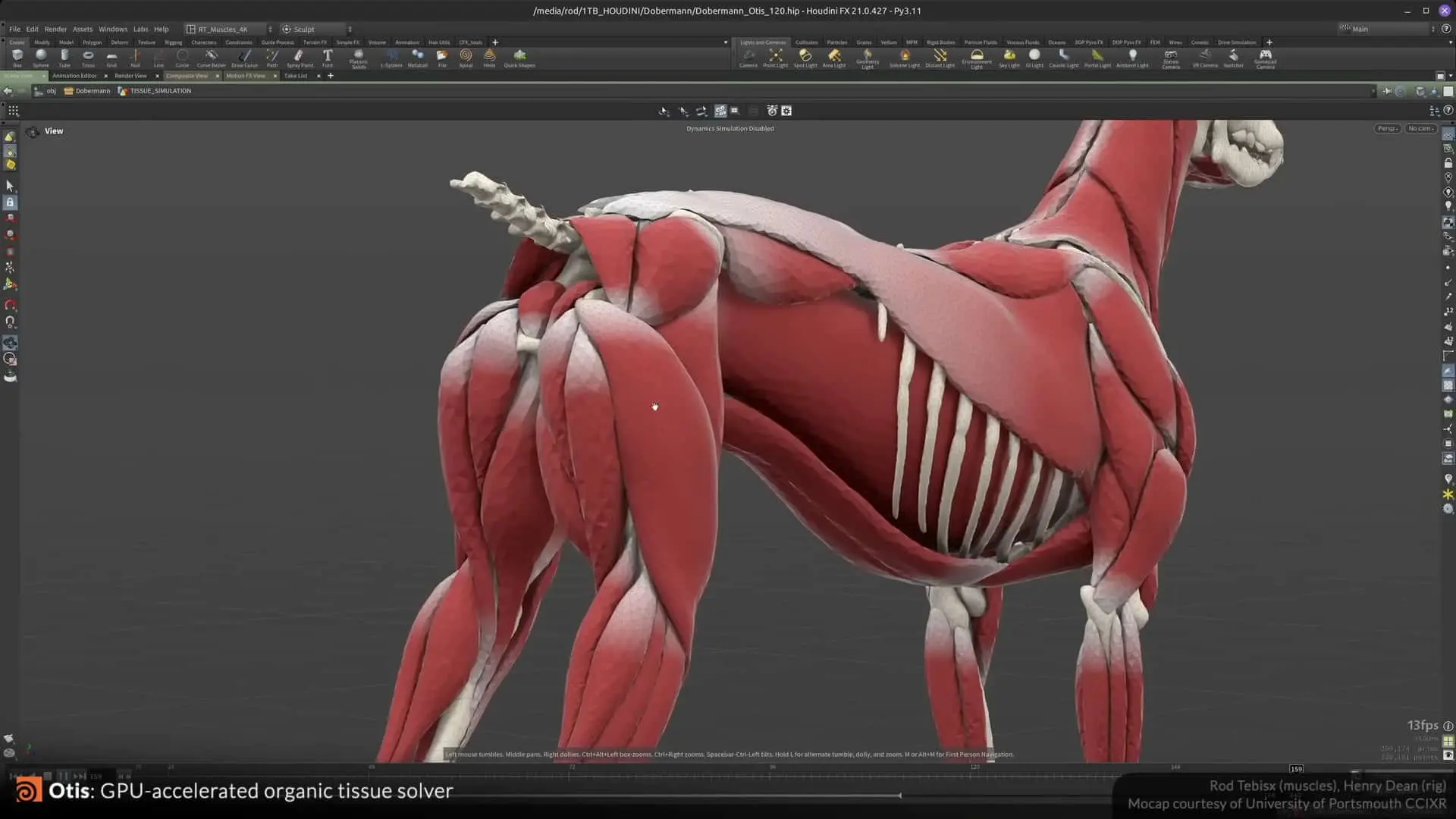
The Otis solver is SideFX’s new GPU-accelerated organic tissue simulation engine, delivering FEM-grade accuracy, real-time APEX animation, muscle/fat collision, and muscle constraint nodes. It’s set up to transfer muscle rigs and bone geometry between characters, and includes ML-deform tools for both default and user-trained anatomical datasets.
Houdini’s CFX arsenal adds real-time painting and sculpting upgrades: new elastic, plow, and planar brushes, adaptive quad remeshing, interactive edge-flow, and in-node sculpt mask management. Mesh overlap, subdivision, and group support have all improved. Muscle system upgrades include tension control, automatic multiple tension lines, deintersecting SOPs, and procedural activation.

Simulation and Modeling: Pyro, Particles, and Point Clouds
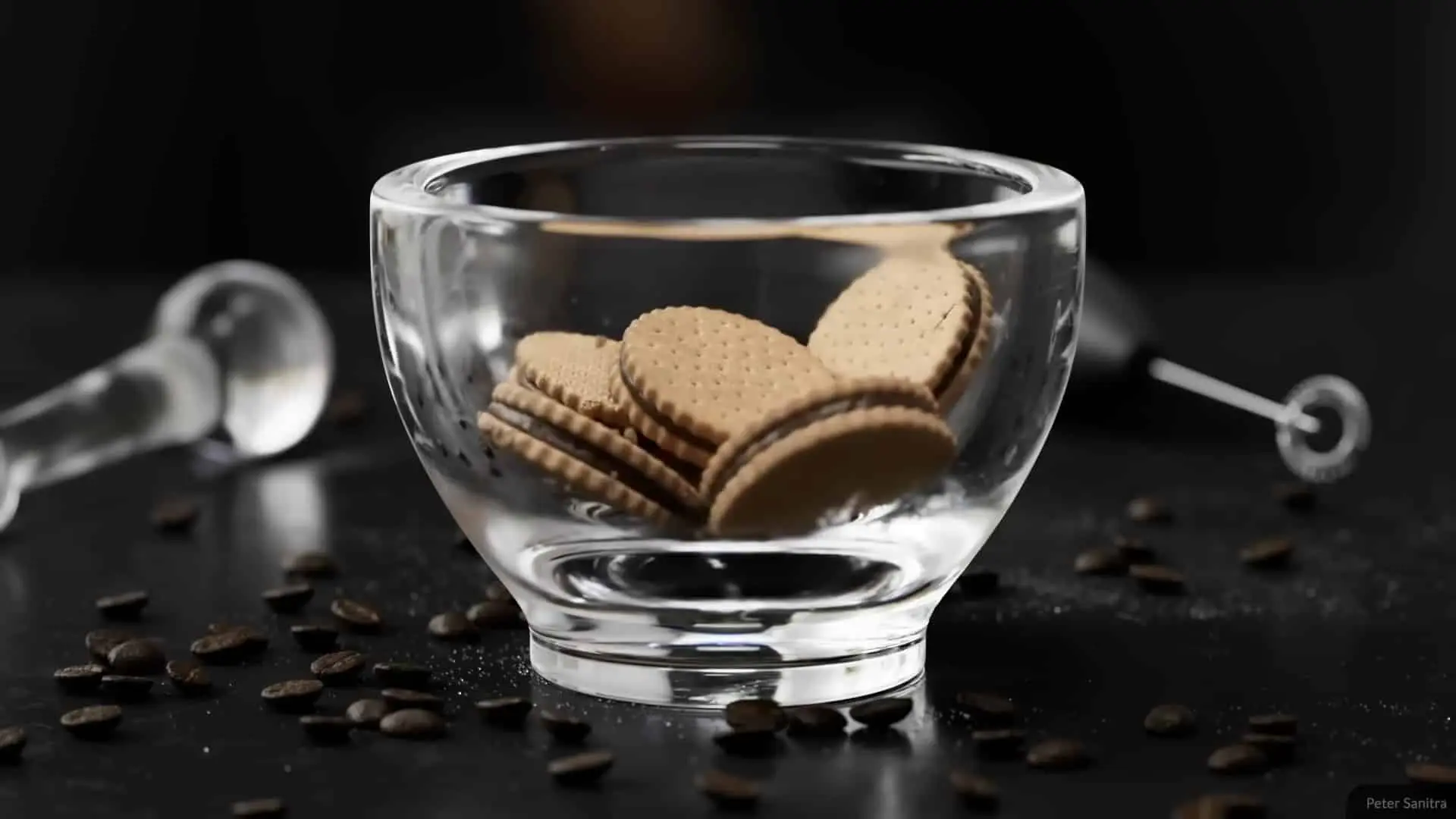
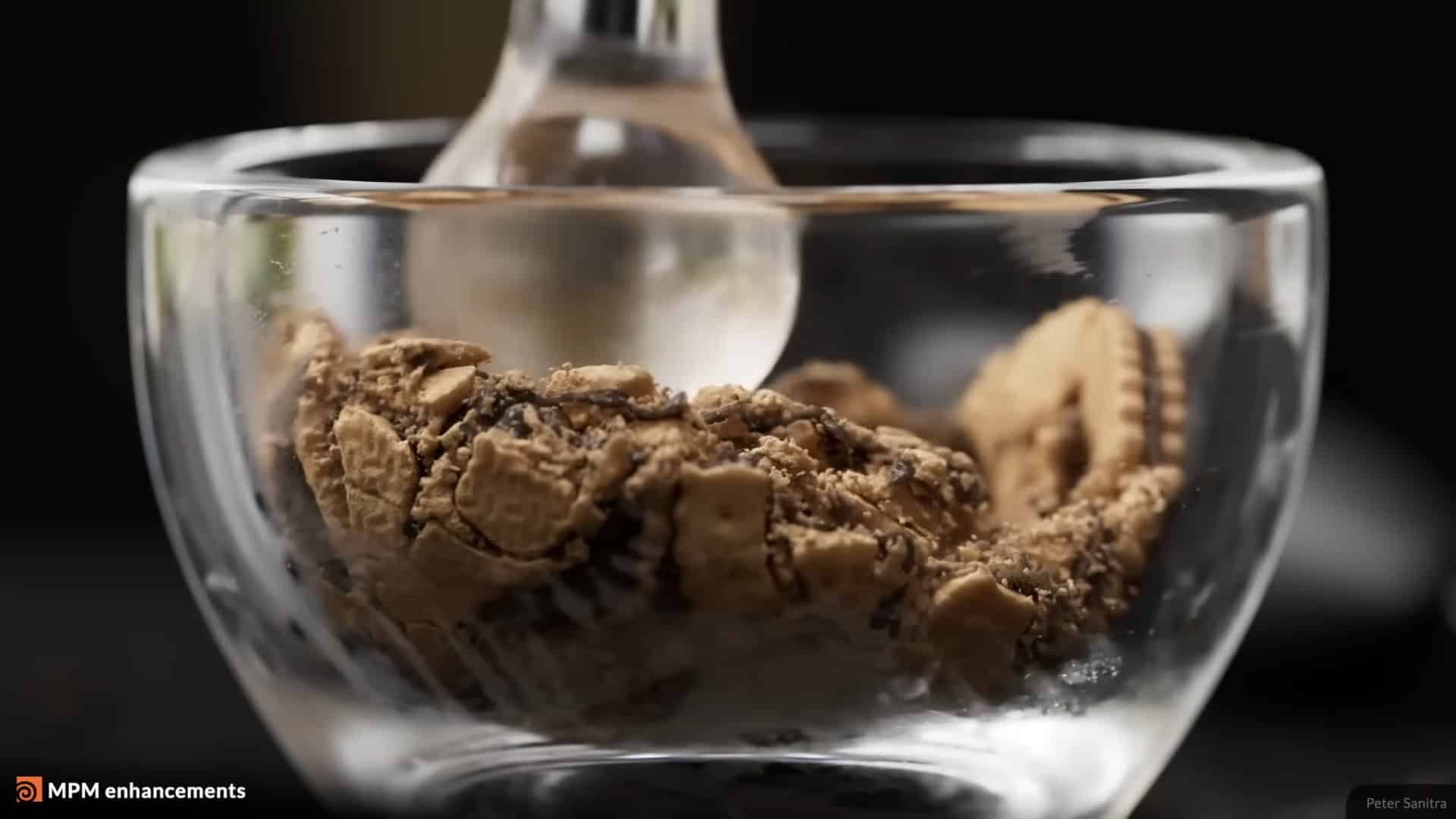
MPM simulation (think granular materials) adds debris emission, surface tension, and deterministic particle-grid flows. Pyro gets real-time, ML-powered upres and a new sparse solver for smoke and fire, callable from SOPs and COPs.
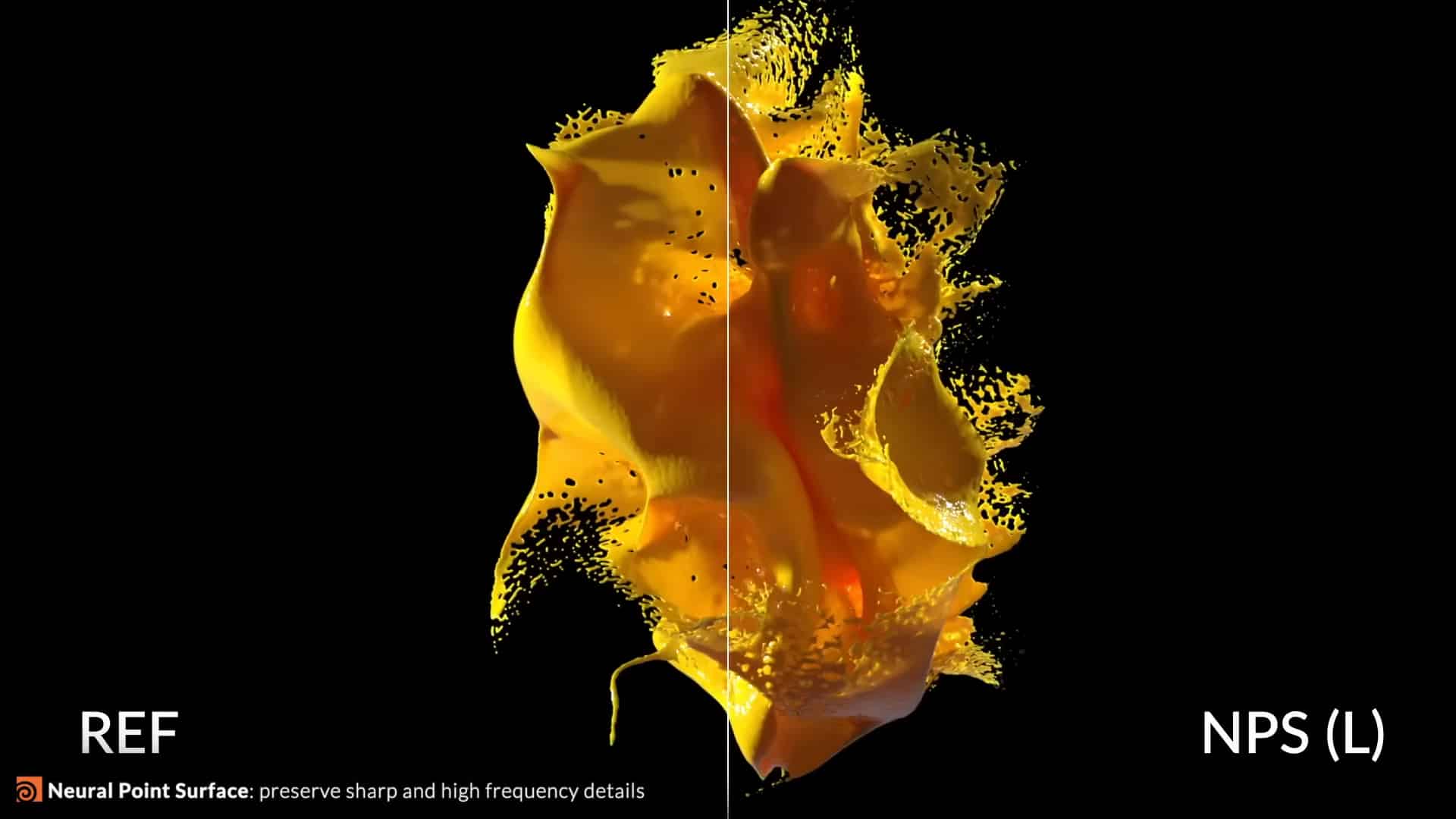
Modelers get support for complex topology operations, UV/UDIM management, string-based selection, updated paint workflows, and procedural terrain via the Dryad biome toolkit (now with full integration to Solaris and Unreal). Neural Point Surfacing provides AI-driven realism for fluid and mesh point clouds.


Rendering, Vulkan, Copernicus: For the Eyes and the GPU
Karma XPU and CPU renderers see speed boosts, subdivision support, improved path tracing, Intel OIDN 2.2.1 denoising, deep output support, and robust motion blur. The Vulkan viewport is officially “production-ready,” with full OpenGL parity, ray-traced AO, physical sky, multithreaded updates, no forced far clipping, and automated VRAM management. Copernicus (the in-house image-processing framework) brings real-time USD rendering, noise types, handle binding, and compositor enhancements.

Pipeline, Engine, and Labs: More Glue, Fewer Bottlenecks
PDG gets ML training nodes for style transfer and denoising, ROP/GLTF export, Preflight tools, and faster pipeline execution. Houdini Engine now supports Unreal 5.5/5.6, Unity 6.0/6.1, and Maya/3ds Max 2026, with Python nanobind GPU, speedier shared memory, and snappier startup. The UI is cleaned up with streamlined multiparm controls, hotkey binding, recipe subnets, live simulation toggling, and autocomplete.
Labs tools gain the new Dryad biome system, ZibraVDB integration, a computer-vision toolkit for synthetic data generation, improved Unreal VAT workflows, and even Perforce integration for those who enjoy version control with their chaos.

The Full Houdini 21 Feature List (per the sneak peek video and forum transcript)
KineFX and APEX-driven animation
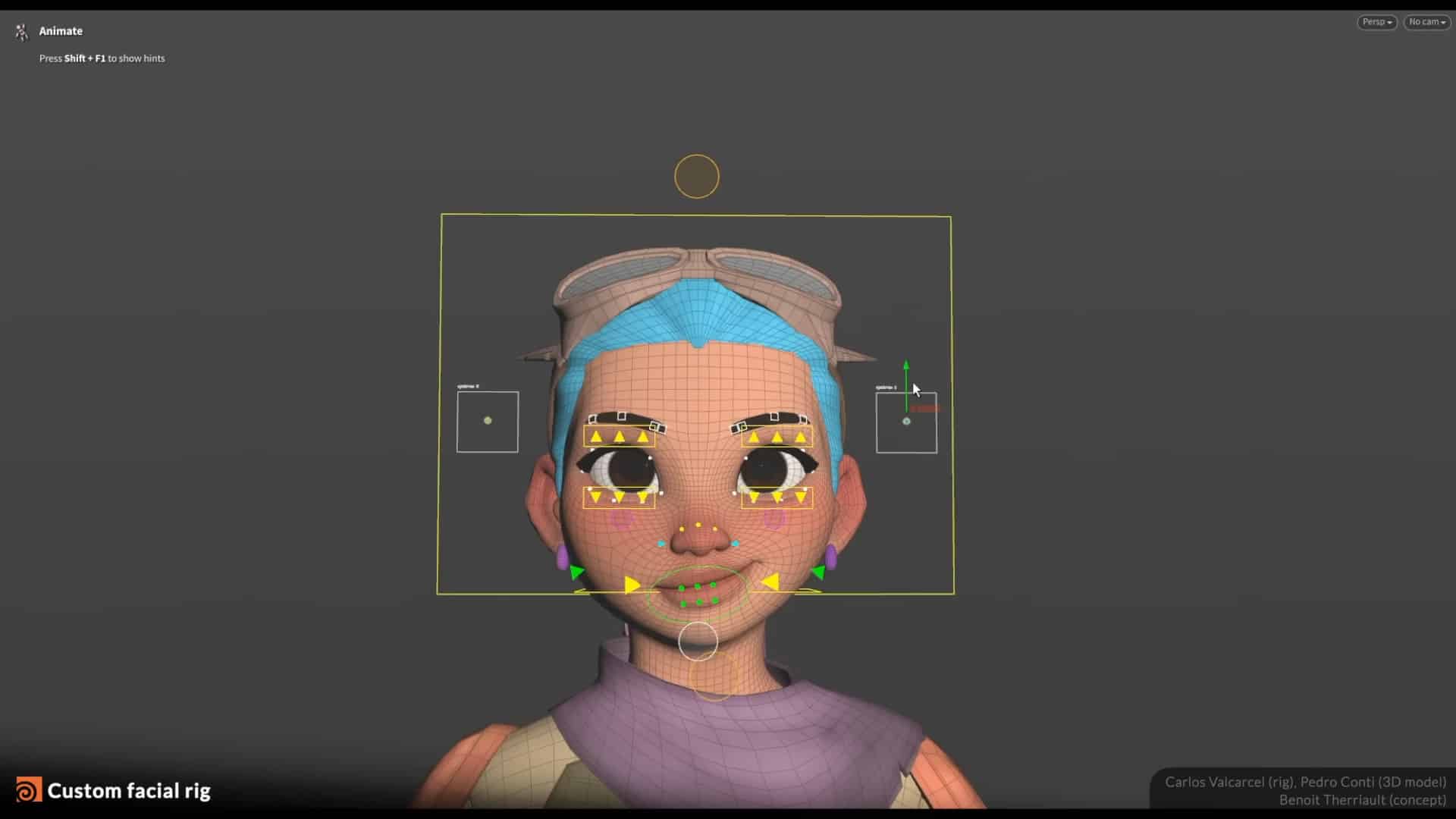
Production-ready for riggers and animators, additional auto-rig components (limb, hand, foot, neck, scapula, ulna), spine rig v3.0 with squash & stretch, enhanced reverse foot, viewport drag‑and‑drop rig builder, rapid facial rig creation, procedural auto‑rig via graph fusion, updated Electra rig (twist joints, reverse foot, clavicle, bendable IK/FK), Otto human rig v1.0, APEX graph and scripting enhancements, fast in-place APEX cooking of SOP verbs, nodes for converting KineFX to packed folders.
Ragdoll and constraints
Streamlined configuration, animatable ragdoll parameters (stiffness, damping, length), multi-constraint system, soft/hard tethers, Parent/Static/LookAt types, offset control, mirrored keyframes, full-body IK posing, animation layer inheritance in APEX, hotkeys for selection, unified baking workflow, IK/FK switching.
Animation tools and Graph Editor
Ripple tool, enhanced control sets, pick-walking with heuristics, hide controls on scrub, animatable control feedback, direct skin manipulation, upcoming GPU skin/blend shape deformation, customizable 3D handles, new FFmpeg audio, Scene Add Prop node supports deformation, animation transfer via APEX, up to 6× faster panning, new Animation Catalog (pose library), Motion Mixer (beta), APEX motion mixing, ML-driven skin deformation, neural point surfacing, AMD® NeuronNet backend, hand motion tracking, joint-based retargeting, glTF importer for skinned assets, UX polish throughout.

CFX: Organic Tissue Simulation (Otis)
GPU-accelerated organic solver, FEM-level quality, robust muscle/fat collision, muscle/tissue config nodes, new mesh generation, Otto’s anatomy, ML Deform with user recipes, real-time APEX animation, Armature Deform, Organic Deformer, muscle deintersect, flex SOP with activation, tension line automation, UI for muscle properties, procedural tension activation, new sculpt brushes, adaptive remeshing, mask tools, contour extraction, unsubdivide, faster Paint SOP, UDIM/alpha paint, bidirectional Ray SOP, curves can branch/cut/join, edge-flow controls, string attribute groups, poly extrude upgrades, overlap resolution.

Rendering and XPU
Optimized XPU shader compilation, volumetric light in XPU, uniform volume rendering, opacity/background holdout, shadow linking, blending up to 16 MtIX Standard Surfaces, string primvars, MIS compensation, hardware selection, Gaussian splats support.

Generators and integration
2D shape generator, hex grid generator, attribute visualization, updated AliceVision/RizomUV/Exoside integration, point-cloud exporter, Unreal plugin with PCG, spline round-trip Houdini/Unreal, Unreal plugin VAT import, computer-vision tools, Perforce integration.
Vulkan viewport
Production-ready, OpenGL parity, raytraced AO, area lights, denoising, dome/sky/headlight, instanced USD lights, OpenPBR shaders, multithreaded, free camera, preserves clipping planes, texture cache resizing.
All these features come from the SideFX sneak peek – some items were not legible in the video, so verify with SideFX documentation after the release before betting the farm.
