



For those who don’t know: Compositing Academy (Alex Hanneman – LinkedIn | IMDB) is a training and development hub created by professional compositors for compositors. The studio produces practical tools and VFX courses focused on real production use rather than theory.
A True Volume, Not a Trick
Compositing Academy has released Volumetric Noise, a fully three-dimensional procedural noise engine for Nuke. The plugin raymarches genuine 3D volumes in Nuke’s viewer, eliminating the need for 2D cheats to fake atmosphere, fog, or cloud layers. It runs on Windows and supports Nuke 16.0v6 through 17, with limited fallback for 15 if the Vectorise CPU option is disabled in the Blink node.
Raymarching is a rendering technique that steps a virtual camera through a 3D field to calculate light, density, and colour at each point, supposedly allowing realistic fog, smoke, and cloud depth.
Unlike card-based noise projections, Volumetric Noise works as a native volumetric renderer. It allows full control over shapes, erosion, and motion, functioning like a simplified 3D render engine embedded in Nuke. The plugin is aimed at compositors who want realistic parallax, light scattering, and shadowing without round-tripping to Houdini or another 3D package.
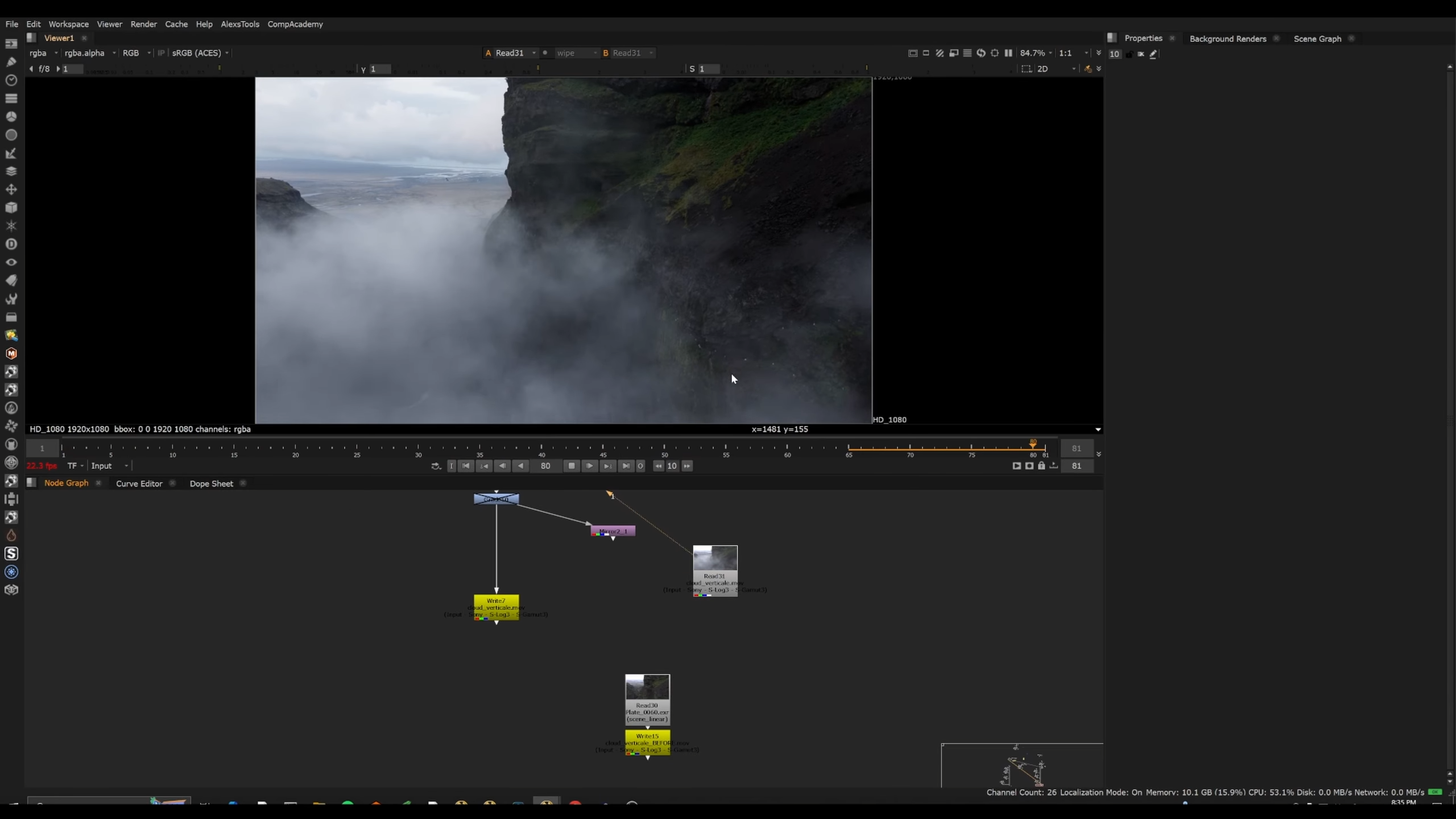
Real Depth, Real Shadows
The plugin supports one directional light source, providing reactive lighting, shading, and shadow steps for density control. Shadows can be biased and jittered for fine-tuning. Lighting intensity and scattering parameters emulate volumetric fall off, enabling backlit frog and soft illumination effects.
Density, gain, and gamma settings define softness and depth, while erosion and distortion layers introduce non-repetitive structure. These features enable art-directing density variation, wispy edges, and natural cloud breakup, effects usually reserved for full 3D simulations.
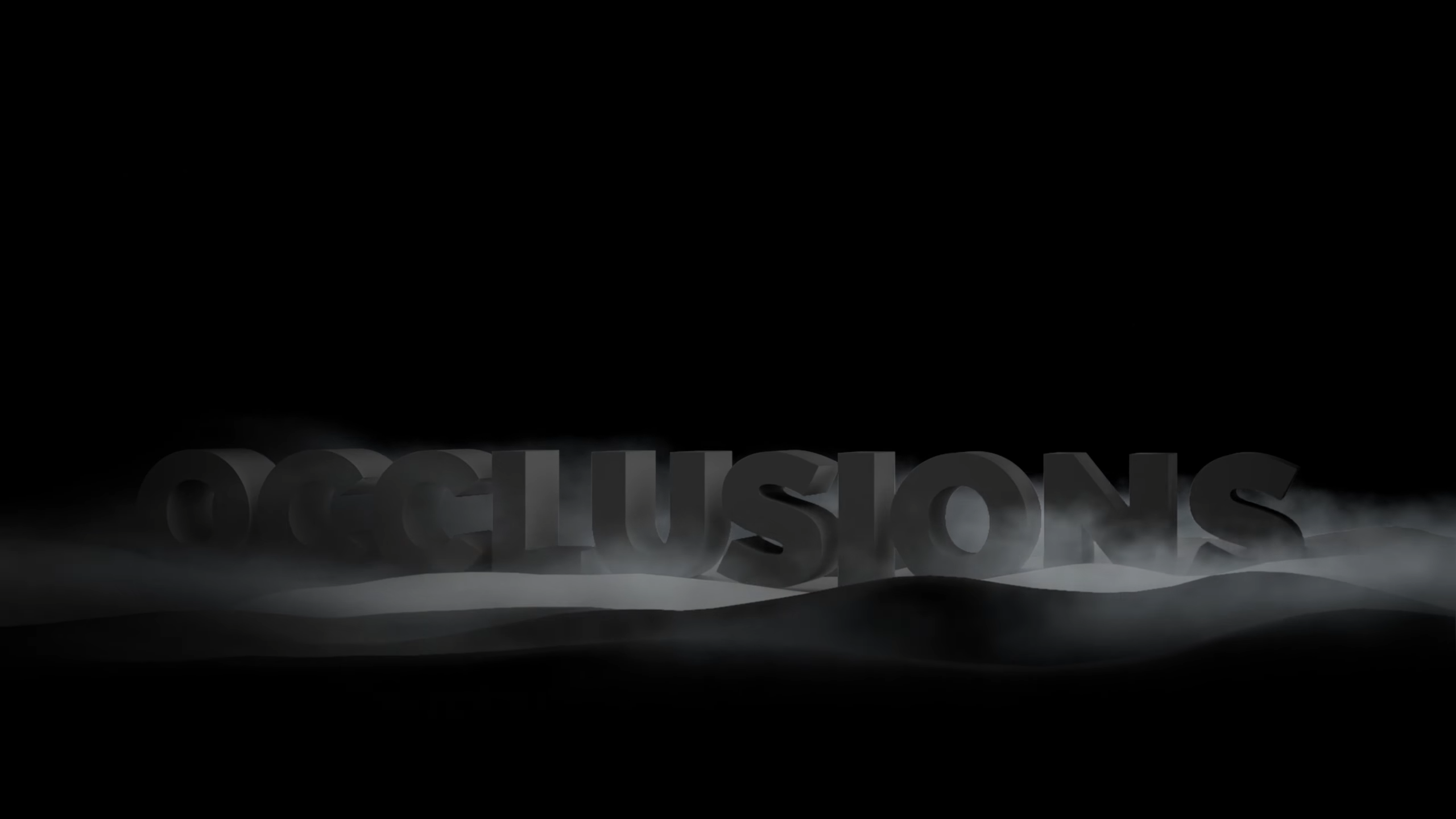
Occlusion and Parallax in Comp
Volumetric Noise supports Z-depth and P-pass occlusion. Volumes can be masked against 3D geometry or plate-derived depth data, enabling integration with live-action environments. Although the tool does not support deep compositing, it provides bias and contour softness controls to reduce aliasing in Z or P data.
Alex states that this approach covers around 60 to 70 per cent of typical atmospheric compositing tasks. Deep compositing remains necessary for complex holdouts, heavy motion blur, or fine geometry such as vegetation. Camera parallax and real 3D movement are fully supported. Artists can fly through volumes and preview them as point clouds in Nuke’s 3D viewer, which aids precise placement and occlusion alignment.
Lightweight and Fast
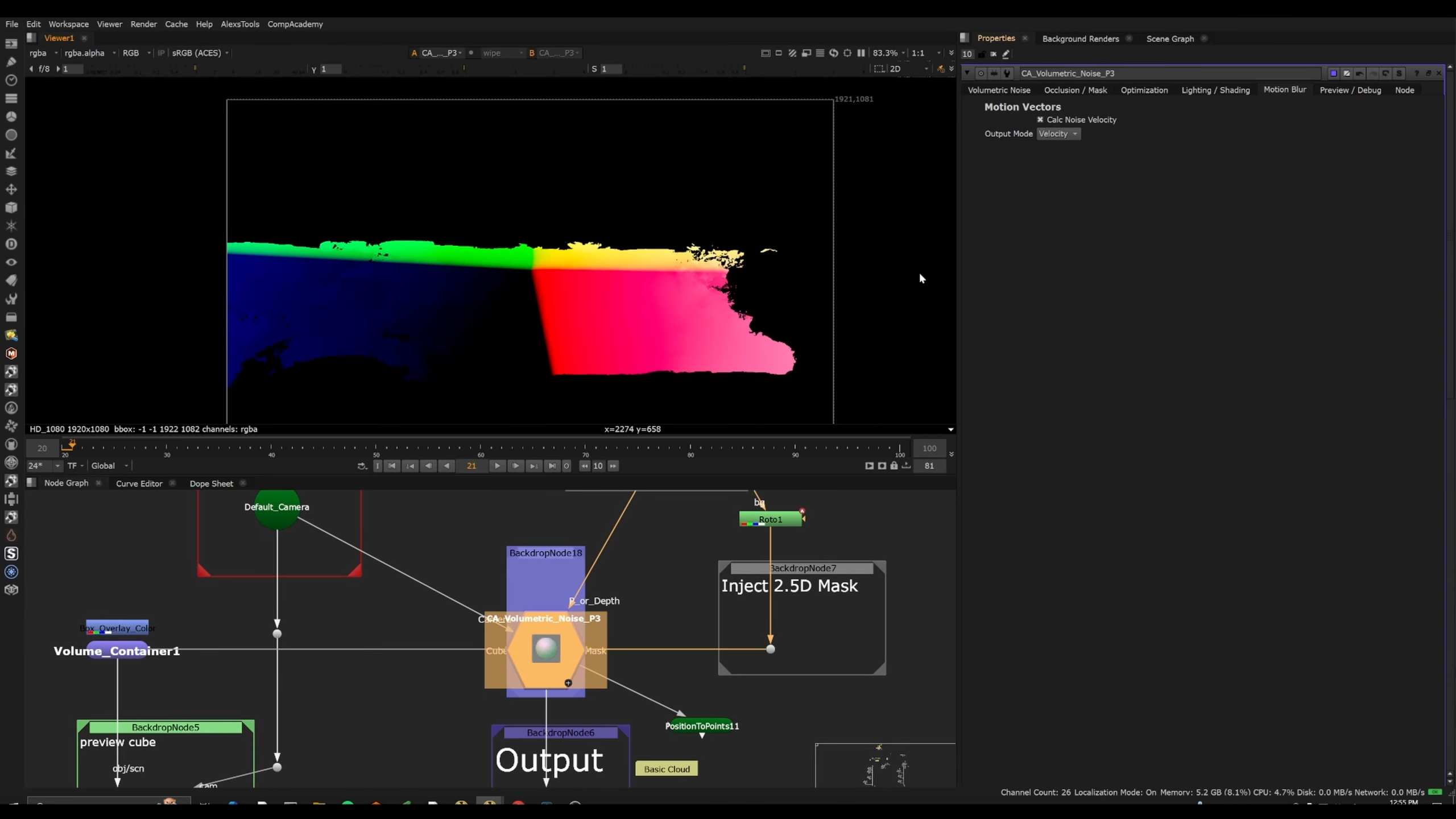
The developer reports near-real-time playback and rendering speeds of about 1 second per frame, depending on sampling and scene density. Built-in optimisation features include slicing, space skipping, and a heatmap visualiser showing where calculations occur in the volume. Empty space is automatically skipped, improving render efficiency. Motion blur is achieved by exporting motion vectors that combine camera and noise movement for use with Nuke’s VectorBlur node. Internal defocus is not supported; instead, users can split volumes and defocus externally.
Designed by a Compositor
Alex positions the plugin as an artist-friendly tool, just the controls you need, nothing more. Presets include base clouds, ground fog, backlit fog, wispy volumes, and world-space scalable cloudscapes. The developer emphasises that Volumetric Noise is procedural, not a pre-baked VDB loader, and aims to offer infinite variety for shot-specific art direction.
Pricing and Availability
Volumetric Noise is available now from Compositing Academy for USD 99. A free watermarked version is offered for testing, labelled as BETA. The plugin requires Nuke Indie or Nuke Commercial and is compatible with Windows systems. Future minor compatibility fixes are planned. A potential version 2 update may involve an upgrade fee. As with all new tools, users are advised to test the plugin in their own production environments before deployment.
