



Table of Contents Show

Three first-semester students, one task to develop an animated short film and immense ambition – that’s where the first steps of “No One’s Light” headed off from in autumn 2024. Over the next 12 months, another animated first-year film at HFF München came to life, helping us VFX students develop filmmaking skills hands-on.
by Michael Powers, Christoph Schmidt, Julia Zenk
Finding an idea
The first step in creating our animated movie was to develop a story and concepts. The freedom to create a fully animated short film opened up limitless possibilities in the visuals, so we already knew we wanted to stick with genres that take advantage of this: fantasy and science fiction. Together, we gathered about 50 possible ideas, ranging from time travel to epic worlds of dragons and aliens. But amongst those, one story particularly stood out above the rest for us: an interstellar worker exploring a planet that comes to life at night.

We started this project with an ambitious approach. Ideas ranged from the main character initially encountering numerous alien offspring and their mother, to setting up a giant main base for the corporation our main character is working for. Lots and lots of characters, assets and settings. We began asking ourselves whether all these elements were necessary for our plot and whether we could find a more efficient way to tell a story.

With the help of our lecturers, Prof. Jürgen Schopper, Dr Rodolfo Anes Silveira, and Berter Orpak, we worked to reduce the number of characters and places while keeping the most important plot elements for a concise story. This helped us to focus on learning new skills within an efficient framework. Especially because it needed to be simple and easy to understand within 5 minutes. Eventually, we figured out the only three components we needed for the story to work: an astronaut on a mission, an alien baby creature, and intergalactic planet landscapes. That way, we had more time to focus on the next steps while still following a solid story flow. During this stage, our producer Leonhard Schmid, who is currently studying production at HFF München, hopped on board to support us with administrative tasks.

A world, far, far away
Creating a fantastic world with original characters, while all fitting together in one look was a major task we were facing. First up, the planet – the environment our whole story is set in. How could we create otherworldly landscapes that are distinct from a familiar earthly look? Our main inspiration was underwater landscapes, such as coral reefs and deep-sea creatures, environments that fit well with science fiction designs.
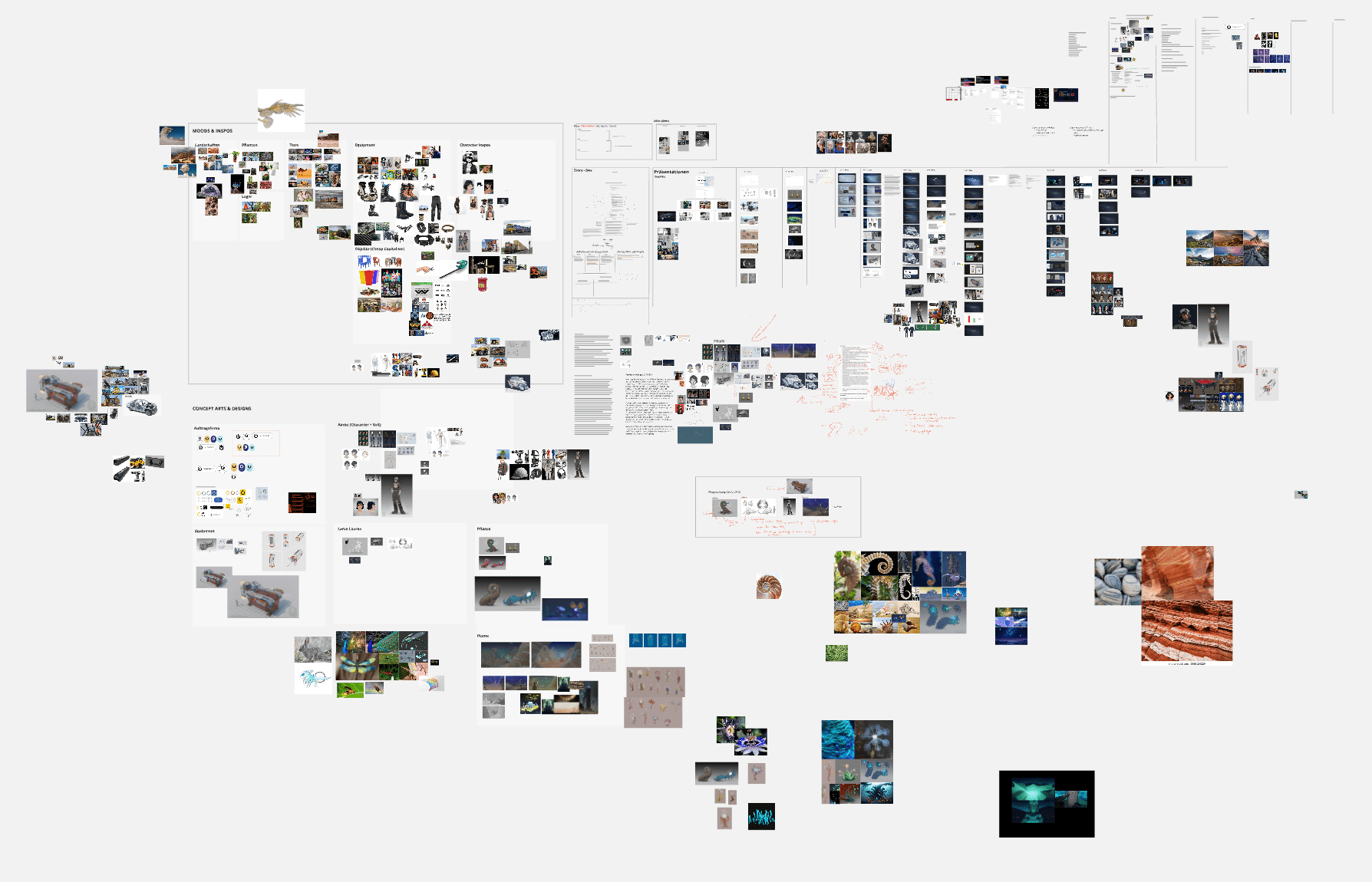
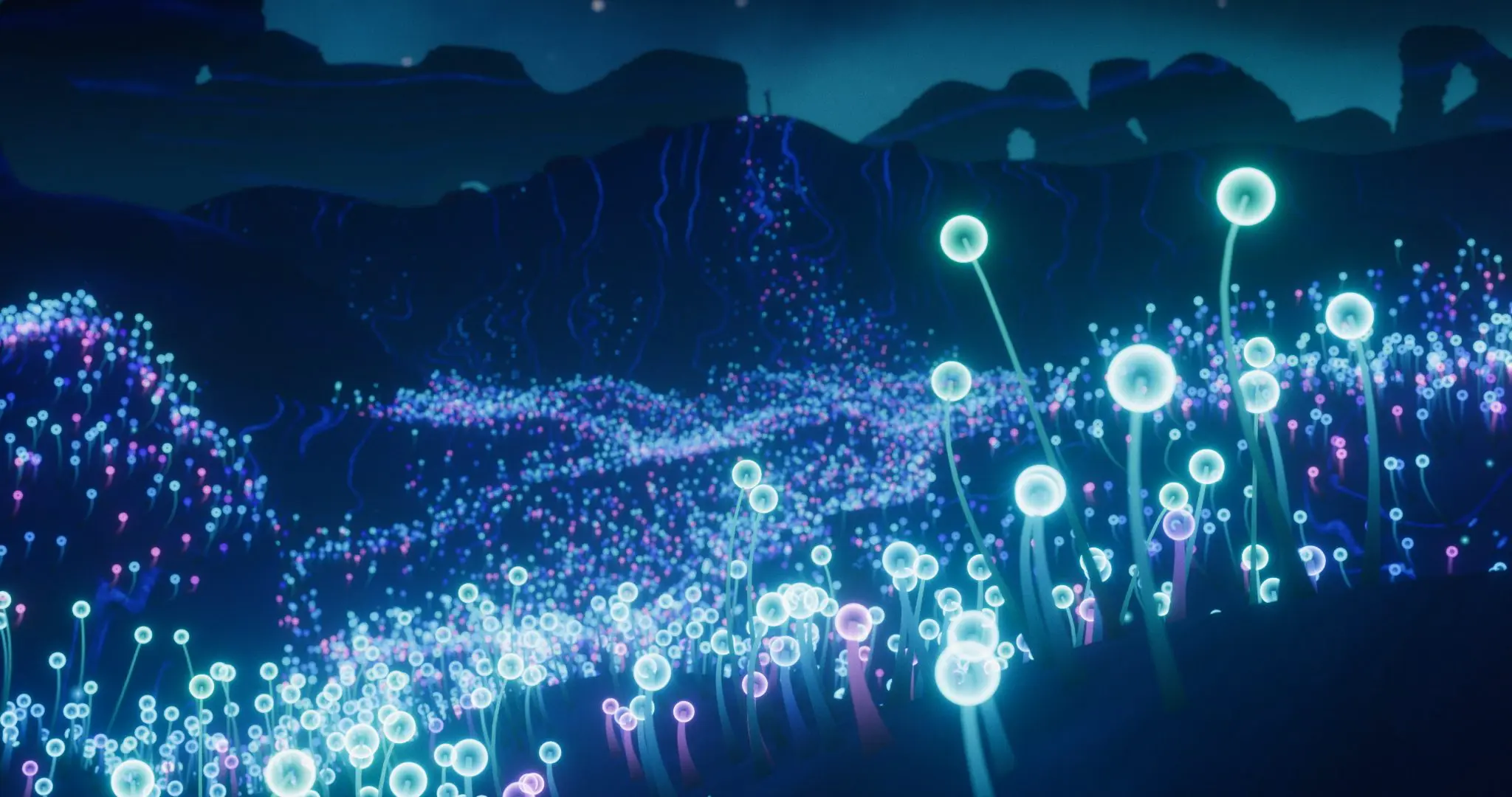
This way, we could give our planet a distinctly otherworldly appearance, centred around bioluminescence as the core aesthetic. Flowers and creatures glow in the dark, bringing the planet to life at night and reinforcing its alien nature.

The main plant that incubates the alien eggs was particularly difficult to find. It needed to read clearly as a plant while avoiding any direct resemblance to recognisable Earth species. At the same time, we wanted to prevent the design from immediately revealing that the “fruit” inside it was actually a living creature. The smaller plants that grow from falling seeds were not modelled; instead, they were created in Blender’s geo nodes, allowing us to easily fill the landscape with them.

The geo nodes system for the plants consists of multiple stages. These are the spores, seeds, which are not seen, and the plants themselves. For organisational purposes, each stage is a separate object containing the node tree. Control groups were used to make, for example, the planet’s surface easily available across multiple node trees and smoothly exchange data between stages.
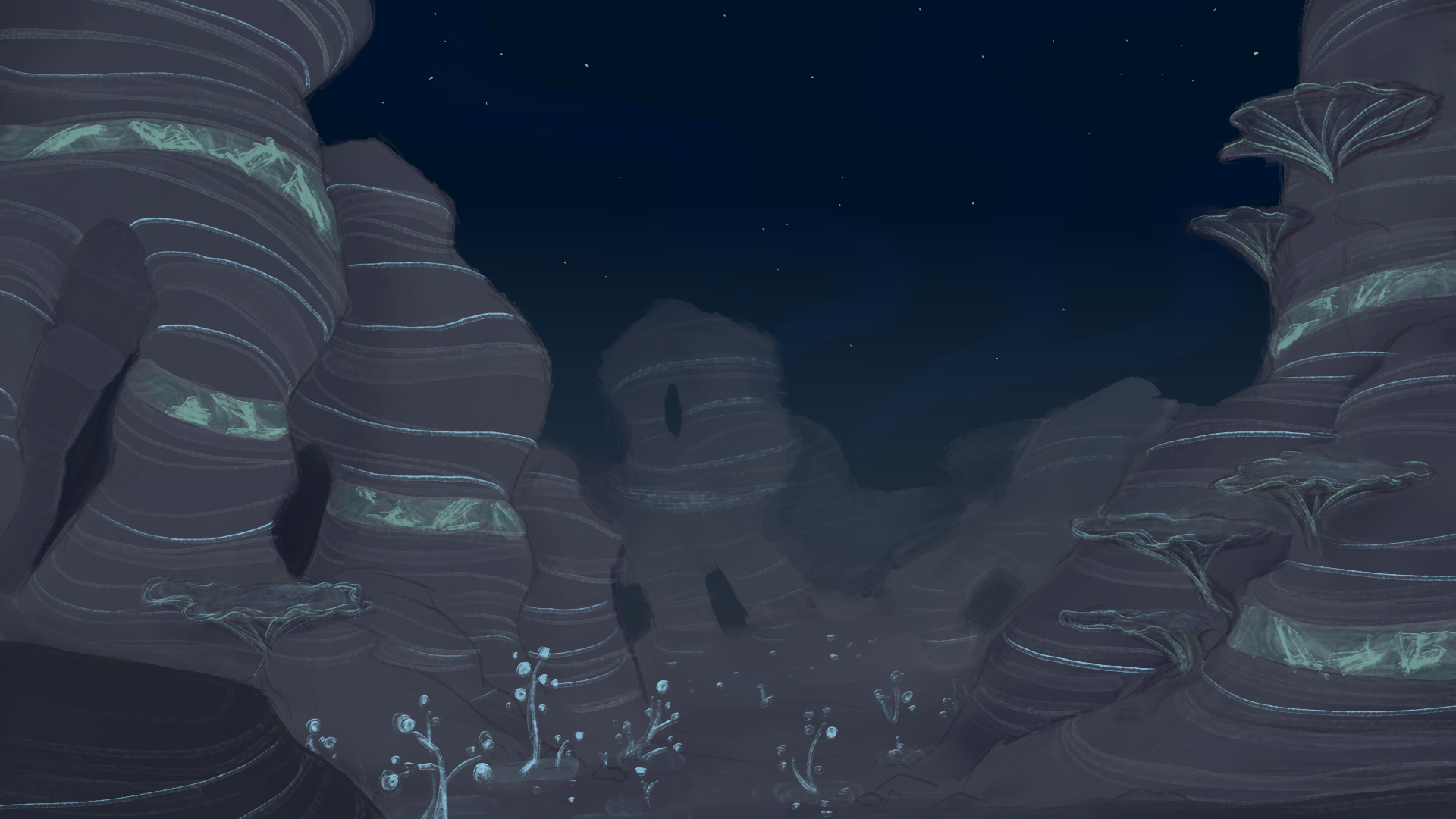
The spores are emitted in a spherical volume around the creature and are simulated with a simple constant downward velocity and some noise. Once the distance between a particle and the ground gets sufficiently small, it stops moving and stores the elapsed time in frames since it hit the ground.

In the next stage, points are distributed across the ground. Through proximity to certain control meshes, the density is art-directable. As a next step, all spores that hit the ground are brought in. Then invisible growing spheres are instanced and realised on those points, with their size corresponding to the elapsed time since the particle hit the ground. In a simulation zone, the seed points are set to “activate growth” (growthTrue) if they are in a certain range of the expanding spheres. If a seed’s growth has been activated, the growth factor will begin to accumulate.

In the last stage, curves with random length are instanced on the seed points. They are displaced such that the curve tangent points in the normal direction of the planet’s surface near the root and points straight up near the tip. After that animated noise is applied, and the curves are trimmed based on the growth factor. Finally, data such as the spline factor and a random float for each plant are stored for use in the Material.
Although variation in length and thickness is evident in the plants, they do look quite similar. So to avoid the image feeling cluttered and noisy, especially in the wide landscape shot, we made use of a shallow depth of field, rendered in engine, as well as shifting the hue and brightness of further away plants slightly. This way, the overgrown bioluminescent aesthetic was maintained while keeping the image readable.

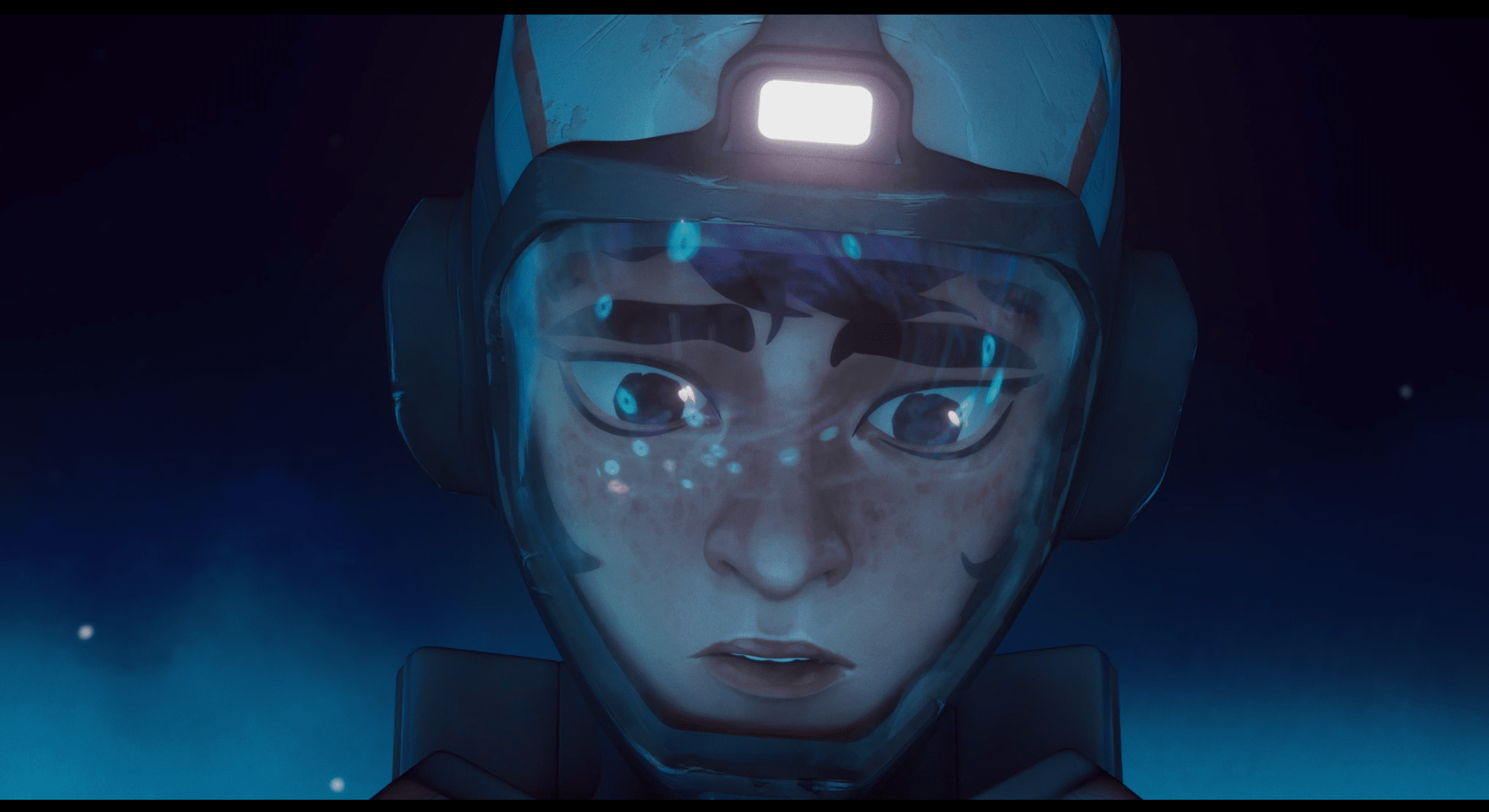
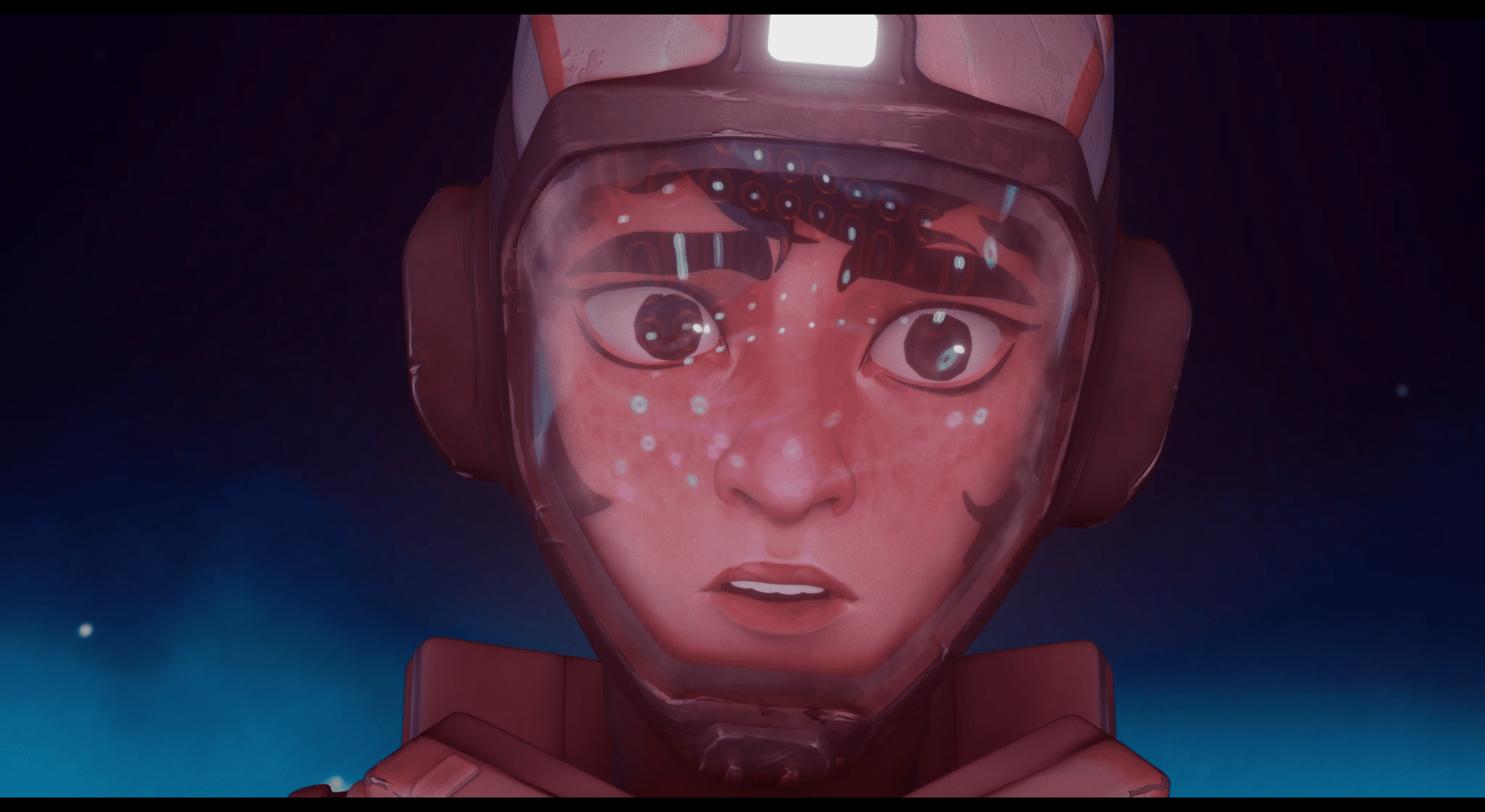
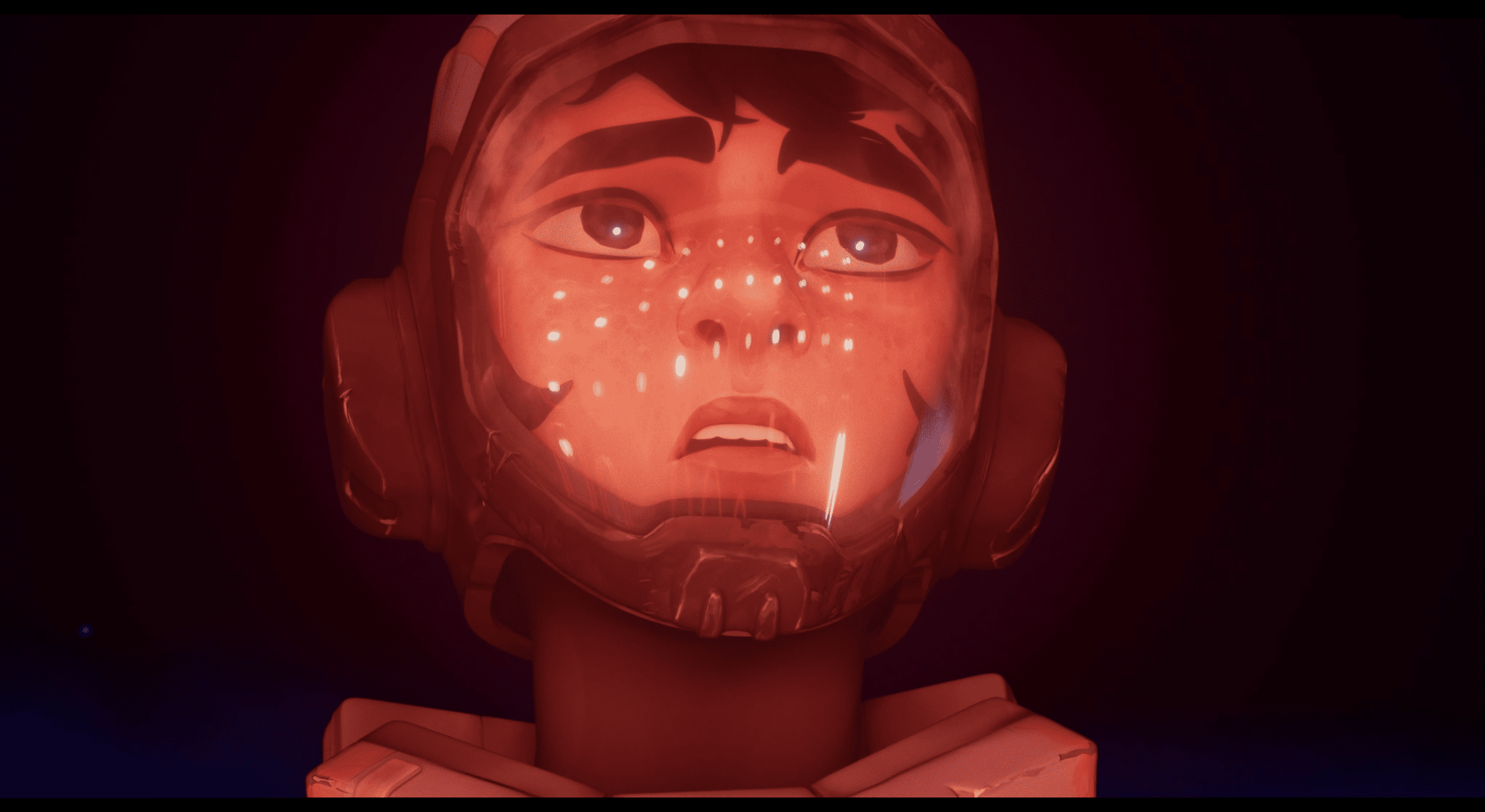
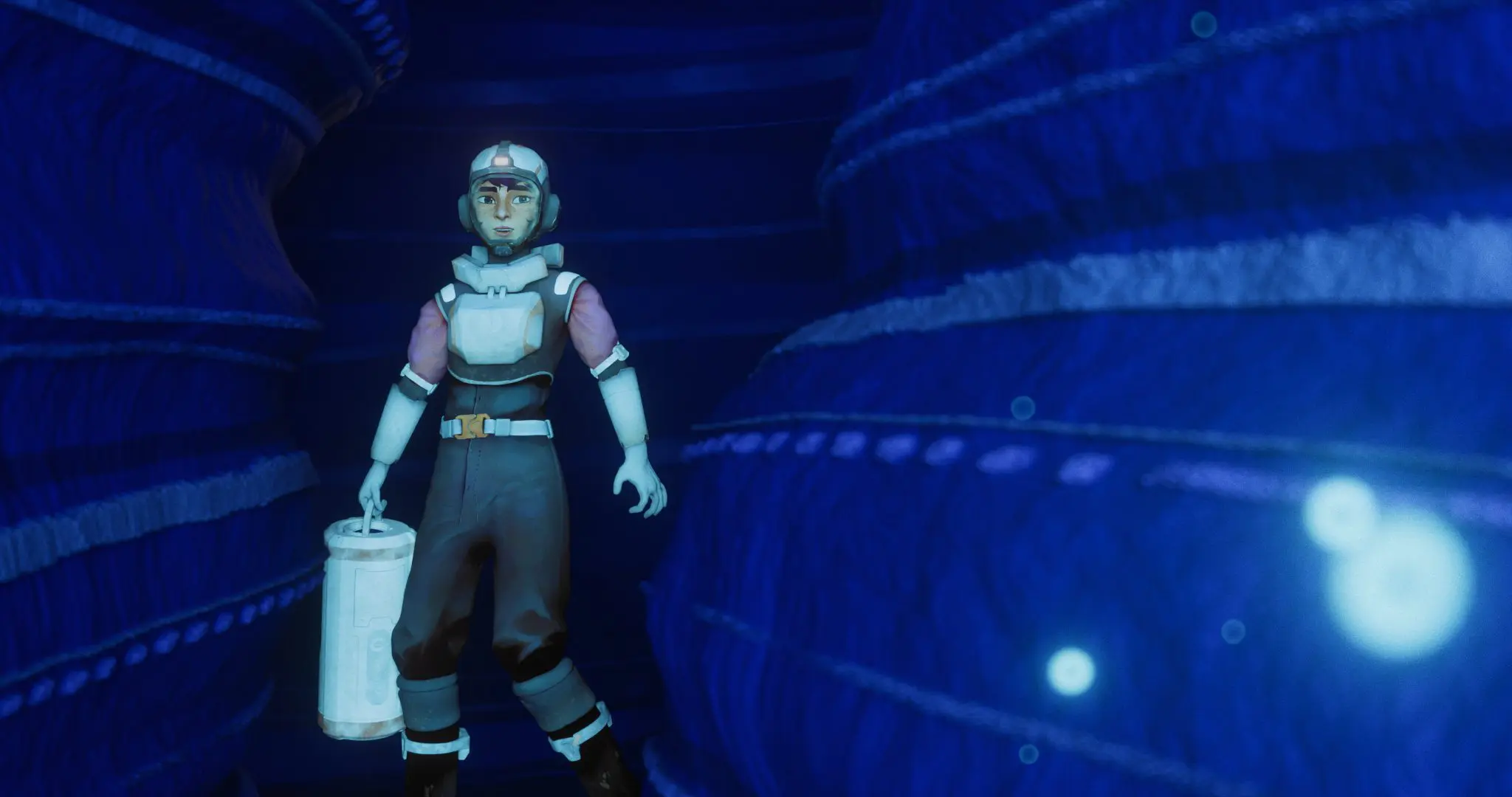
Another challenge was designing the main character, Aamu. Here, we were faced with some unexpectedly tricky questions: What kind of helmet should she wear? Should she wear one at all? Should she be able to take it off? Will the environment reflect in her visor?
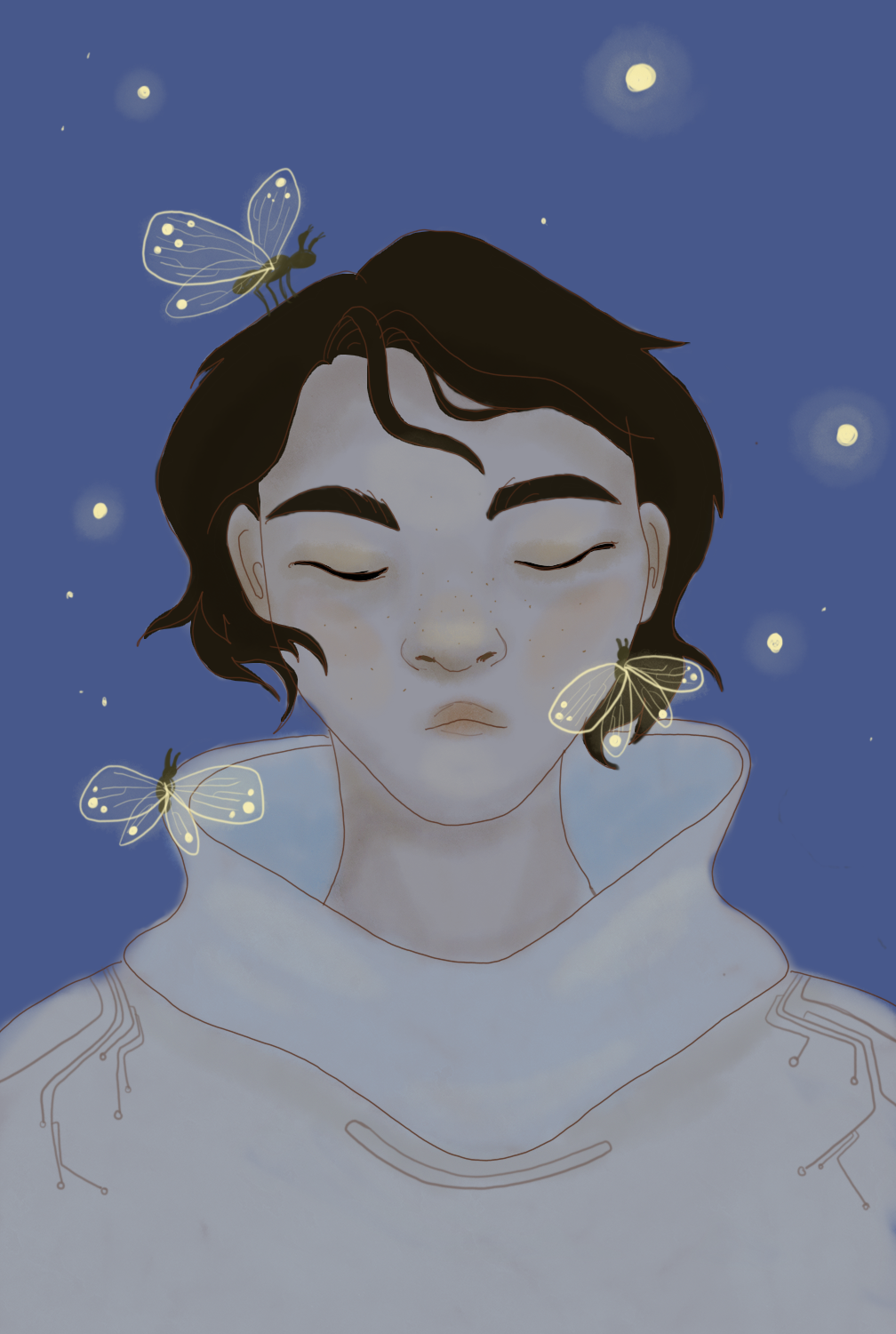
Each of these decisions influenced not only her final appearance, but also the types of scenes we could realistically include in the film. We put a lot of emphasis on Aamu’s design, as she appears in the majority of shots and thus carries a lot of visual weight in the film. Regarding the latter of the questions above, in the end, we even made use of the reflective visor as an active element of our storytelling (see image)

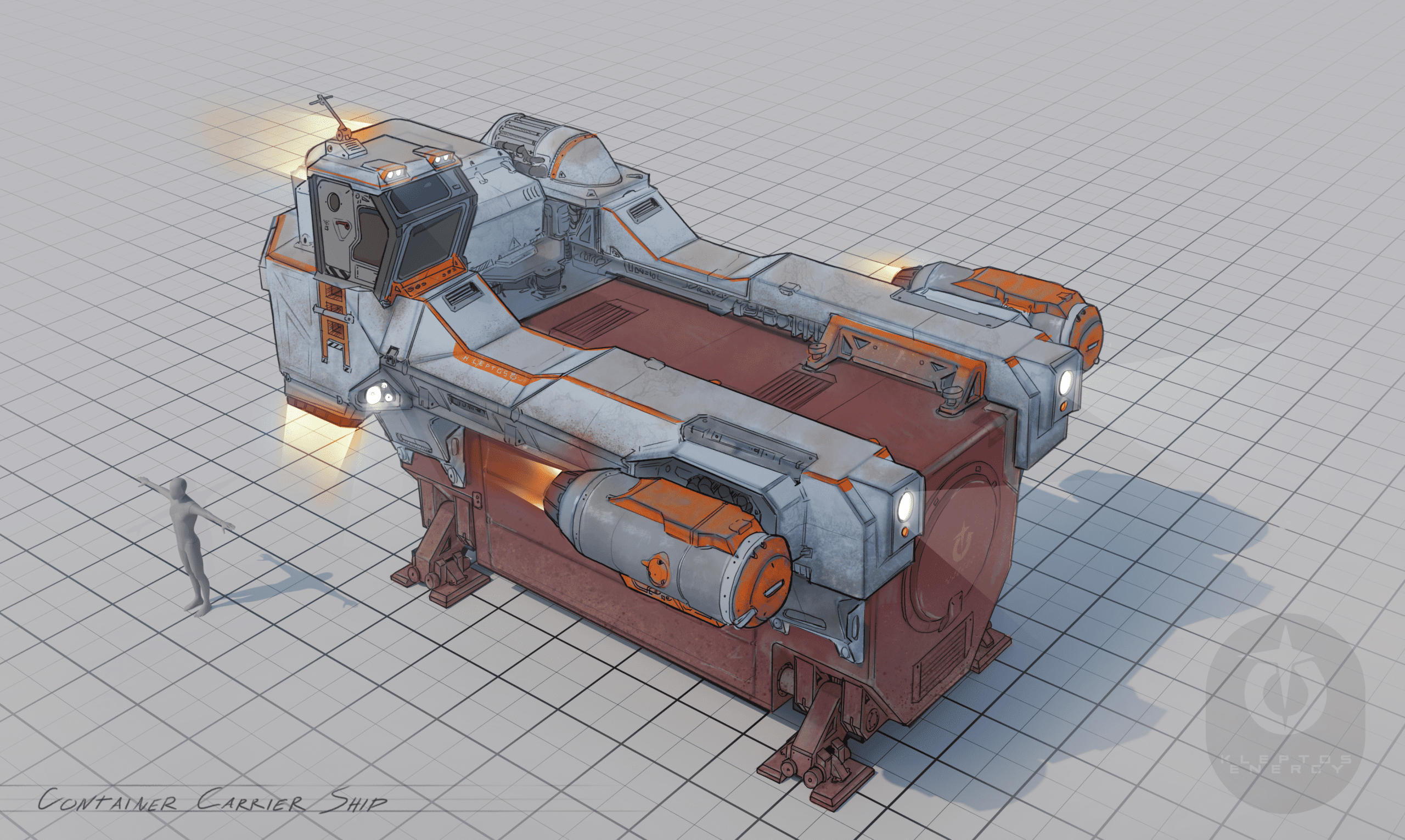

Tied closely to the astronaut’s role in the story was the canister she used to collect the eggs. Early designs featured a large spike that would impale the targets. Given that it is later revealed that these eggs contain living animals, we deemed this approach a little too violent and opted for a grabber-style design instead. To further emphasise the corporate nature of the energy-collecting company behind the mission, we deliberately branded both the canister and the astronaut’s suit with the company’s logo.
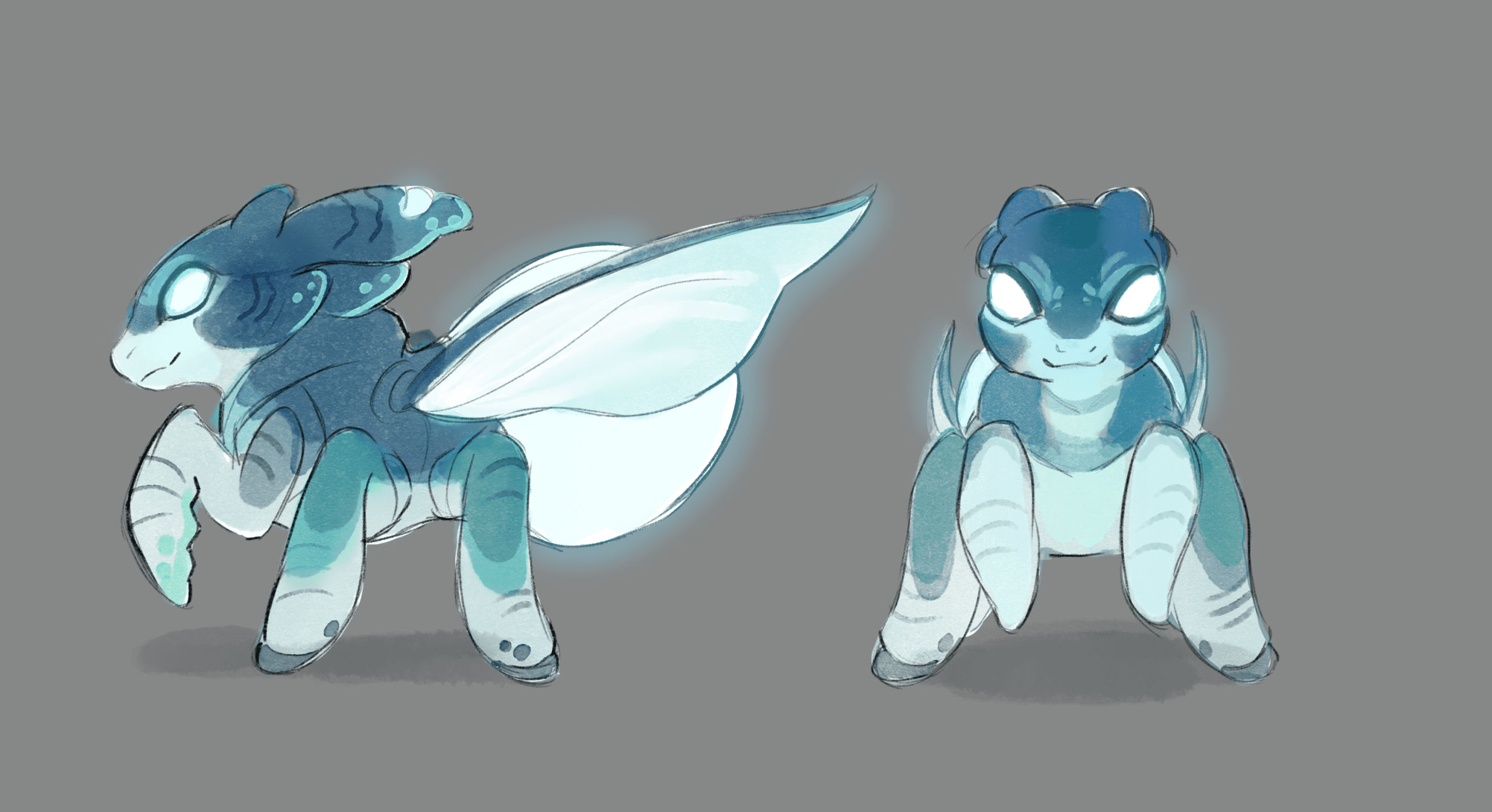
The alien creature’s design was closely tied to the plant it originated from. We wanted this relationship to be immediately understandable to the audience, which led to the idea of having the creature carry its own egg as part of its body. In keeping with our underwater concept, the main inspirations here were crabs, moths, and other insects.

Kicking off the plot
Before we began actively working on our film, we did not forget an important foundation for the project: organising all the shots and assets to ensure an overview of every task at all times. Our VFX production professor, Sinje Gebauer, shared valuable insights from the VFX industry and tips on structuring the project in the pipeline database, Flow. This helped us immensely in keeping track of all the versions and noting down feedback.
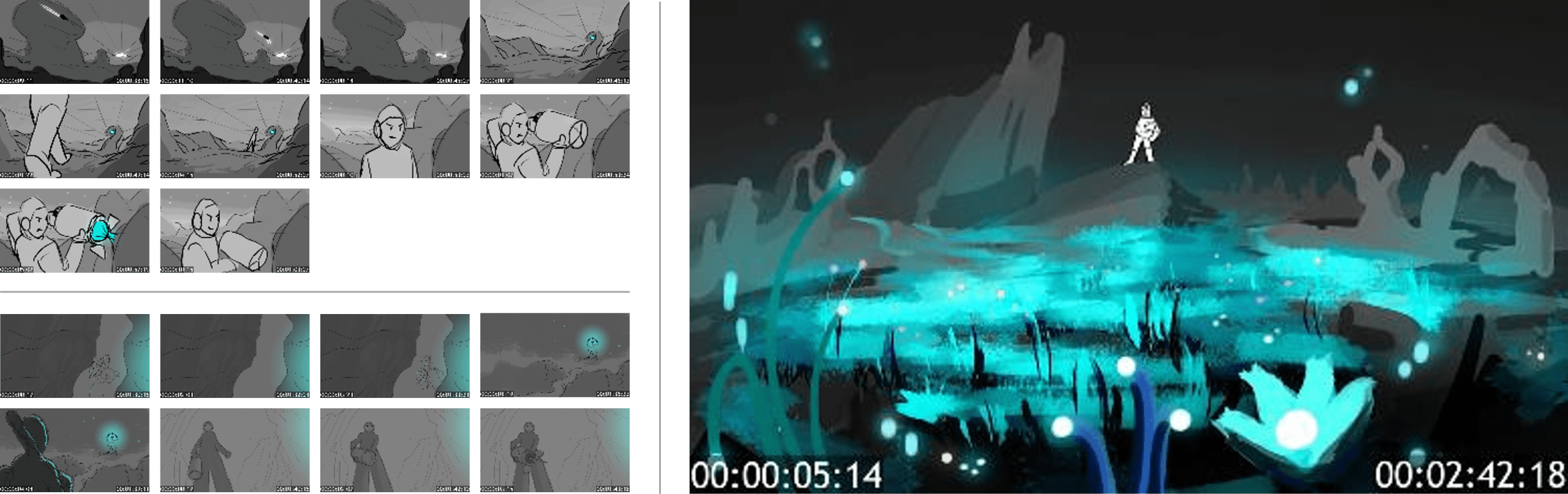
In conjunction with Flow, we used Prism as our main pipeline tool for folder organisation and file versioning. The default file structure, previously set up by our Pipeline TDs Jonas Kluger and Wilfried Pollan, met our file management needs. Closer towards the end of the project, we manually added folders for handovers to sound, grading and mastering.

Throughout the visualisation of the story, we worked closely with our lecturers and test audiences to make iterations. We wanted to leave the story’s ending a little open, letting the audience interpret what might happen to the astronaut after her decision to delete the planet from the database.
Before we could begin animating the astronaut and the alien, we first had to create a rig – a skeleton underneath the model that allows us to move the character. For all our character rigs, we used the Blender Tool CloudRig, which was developed by Demeter Dzadik and introduced to us by him. The surfaces were painted using Substance Painter.
For the astronaut main character, it was important to have a smooth IK/FK switch given her frequent interactions with her container-harvesting tool. This was most important when she inserts it into the storage space. CloudRig helped a lot, as it comes with a very reliable, user-friendly system for IK/FK switching.
When it comes to our alien creature, it is mostly moving around by flying. For the flapping of the wings we used the sine wave generator in the f-curve modifiers in Blender.
Since we had the constraint of a 12-month student production, we could not spend ages refining the animation, which is why, on some shots, we skipped blockout with constant interpolation and jumped straight into splining.

As our team consists of passionate animators, we decided to animate every character manually with keyframes. Nevertheless, credible movements were highly important to us, so we hired professional actress Franzi Frey to reenact all stages of our main character’s journey for animation references. With the help of our lecturer David Emmenlauer, we also ventured in motion capture technology by XSense and recording movements, in case of needing to rely on those as a fall-back option.
Additional sessions with our animation lecturer, Prof. Melanie Beisswenger, improved our shots immensely with valuable feedback on what our characters are moved by, how they would express their emotions, and what credible movements are in each situation. All these steps helped us learn to apply the principles of animation in 3D software.

Compositing & Finishing
While most of our 3D work up until this point was done in Blender, one of the last steps in our pipeline – compositing – was happening in Nuke. Martin Tallosy introduced us to the program with industry expertise. In the compositing stage, we adapted all scenes to match a consistent appearance and added final touches for a cinematic look. The in-house grading in HFF München polished the final look of our film, thanks to Claudia Fuchs.

We rendered several passes out of Blender for use in Nuke. In addition to the ZDepth, position, diffuse and glossy light and colour, emission, environment, and ambient occlusion were included in the .exr sequences. This made the image sequences’ file size quite large, but allowed us a lot of control in compositing. Especially, the ZDepth was used on multiple occasions for depth of field. Furthermore, a combination of ZDepth and the Z component of the position gave a very nice, convincing impression of lingering mist.

We used ACES for rendering and compositing to ensure consistency across the final stages. In compositing, we always rendered mattes for the character and creature. Almost no colour correction was done in comp.
Issues in grading mainly stemmed from us discovering technical issues with the render. While working on the film in a fully lit room, we spotted a couple of errors (such as flickering or corrupted geometry), as soon as we saw it on a big cinema screen in the dark in-house grading room for the first time. This resulted in a couple of iteration loops until we could use the final renders for grading.
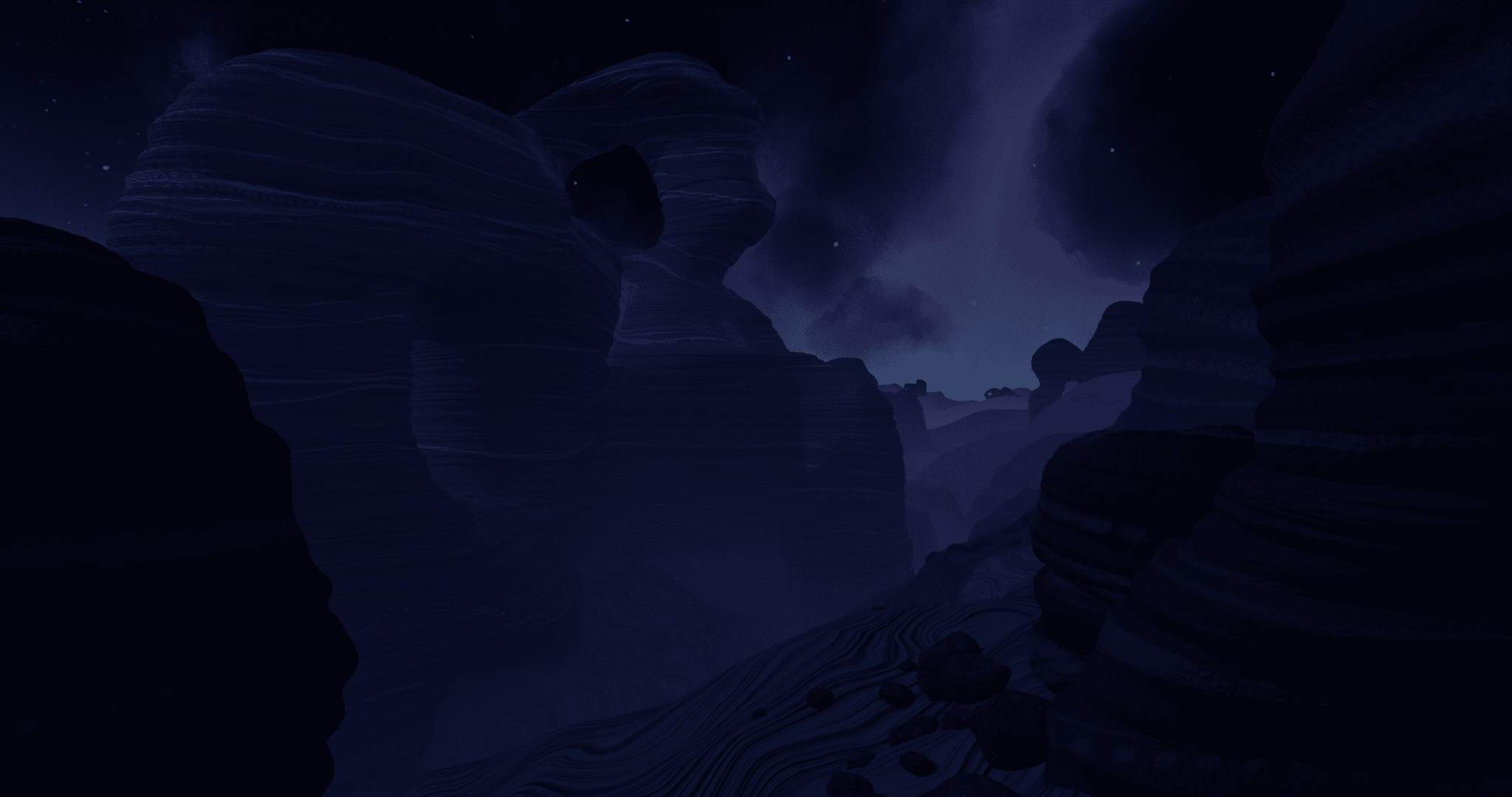
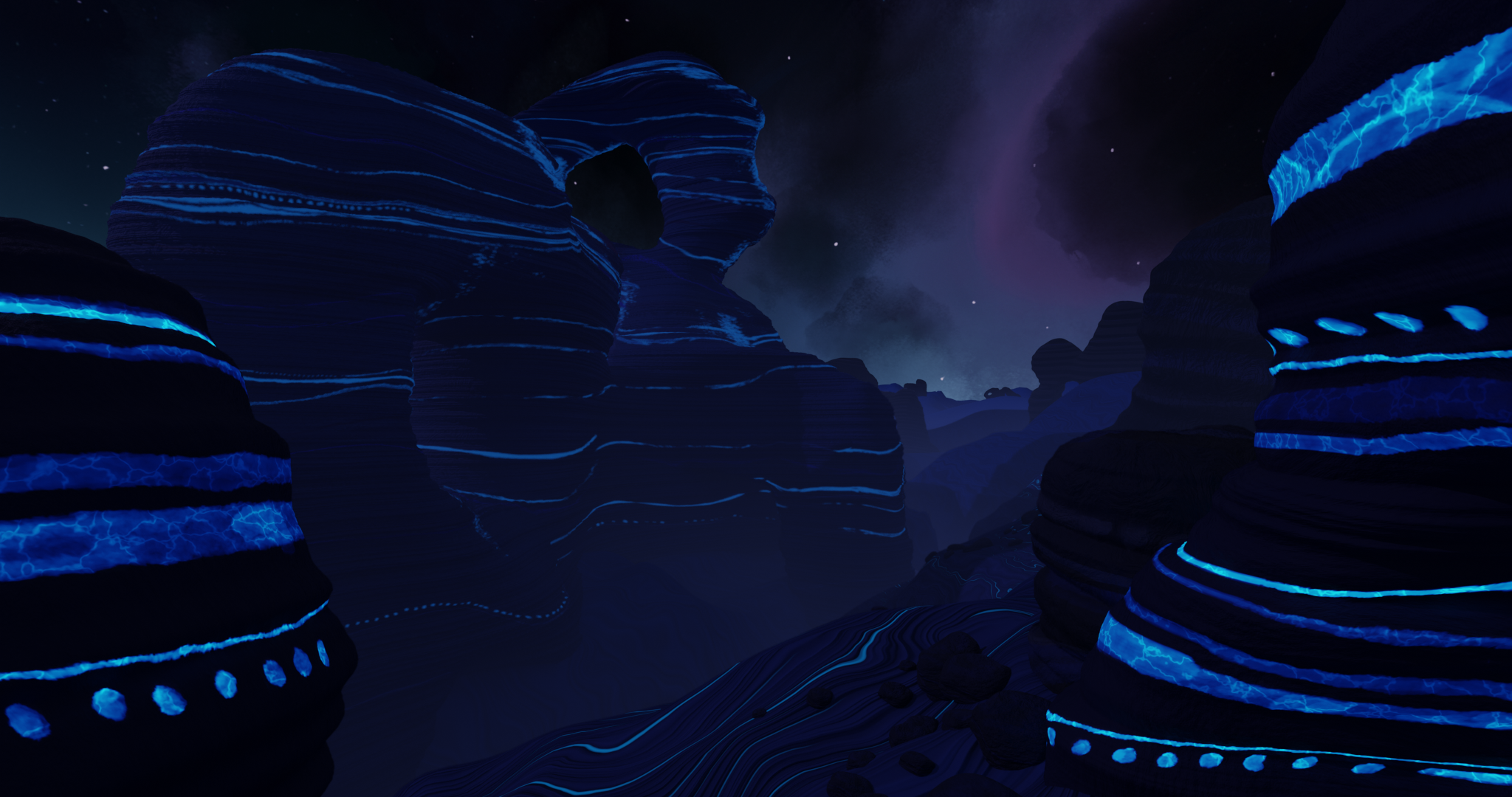
During the final grading sessions, Claudia contributed significantly to the film’s visual success. She showed us how the story could be emphasised greatly with colour, emphasising stark reds and oranges associated with the corporation and contrasting them with the cool teals and blues of the planet. Furthermore, she ensured those colour statements were consistent across all the shots.
While movies contain a lot of work for the final images, we also need to mention our supporting team, which contributed to the audio and thus, brought a final touch to make our story come alive.

Our music was written by composer Fabiola Wörter, a recent graduate of the University of Music and Theatre, who added to the otherworldly feeling with a captivating soundtrack. The whole score carries the story and pushes the audience even deeper into an otherworldly adventure. Our sound design was created by Stefan Möhl of HFF München, who helped us find the right sounds for an alien planet. Who would have guessed that small aliens sound exactly like capuchin monkeys?

Final Thoughts
All in all, we are very happy with our journey that created “No One’s Light” – we learned to work efficiently within a team structure, acquired a new skill set at each stage, and now have a short film to show for it. As our main character Aamu finds out the strength of personal choice and the beauty within the unknown, we hope to inspire many viewers of our film!
The film is now in submission for several festivals and events, with pending responses. Once there is an update, we are happy to share upcoming screening dates on our film’s Instagram account.
The full Team of “No Ones Light”
| Script · Concept Art · Modelling Texturing · Rigging · Animation · Compositing | Michael Powers Christoph Schmidt Julia Zenk |
| Producer | Leonhard Schmid |
| Music | Fabiola Wörter |
| Voice & Reference Acting Aamu | Franzi Frey |
| Project Supervision | Prof. Jürgen Schopper |
| Project Consultant | Dr. Rodolfo Anes Silveira |
| VFX Producing Supervisor | Prof. Sinje Gebauer |
| Visual Effects Pipeline TD | Jonas Kluger Wilfried Pollan |
| Mentor 3D Animation | Berter Orpak |
| Mentor Compositing | Martin Tallosy |
| Line Producer | Ina Mikkat |
| Team Assistant to Line Producer | Ron Sikkes |
| Team Assistant | Petra Hereth |
| Editing Consultant | Prof. Beatrice Babin Prof. Michael Palm Yuval Tzafrir |
| Color Grading | Claudia Fuchs |
| Rerecording Mixer & Sound Designer | Stefan Möhl |
| Postproduction Supervisor | Christoffer Kempel |
| Scheduling | Beate Bialas Sabina Kannewischer |
| Editing Support | Christine Schorr Yuval Tzafrir |
| Technical Support | Benedikt Geß Florian Schneeweiß |
| Rental HFF Munich | Rainer Christoph Boris Levine |
| Studio Management | Peter Gottschall Andreas Beckert |
| Conforming | Aaron Kuder |
| Tutors | Prof. Melanie Beisswenger, Prof. Michael Coldewey, Demeter Dzadik, David Emmenlauer, Kathrin Hawelka, Benc Orpak, Dr. Walter Stehling |
