



Already Covered: Virtual Production, 60 Hz Open Worlds & Wile E. Coyote
Before diving in: if you’re looking for details on enhanced virtual production tools, the new 60 Hz simulation capabilities, or how Wile E. Coyote now animates sans anvils in UE5.6, check our previous coverage. This article focuses on everything not already dissected there.
Performance Enhancements
Unreal Engine 5.6 introduces optimizations aimed at achieving stable 60 frames per second across modern platforms. Hardware Ray Tracing (HWRT) has been beefed up for faster Lumen Global Illumination and Reflection performance. CPU bottlenecks have been reduced, especially in scenes with high complexity. An experimental Fast Geometry Streaming Plugin handles large static geometry more efficiently. New device profiles help developers target performance baselines more easily.
Animation and Rigging Improvements
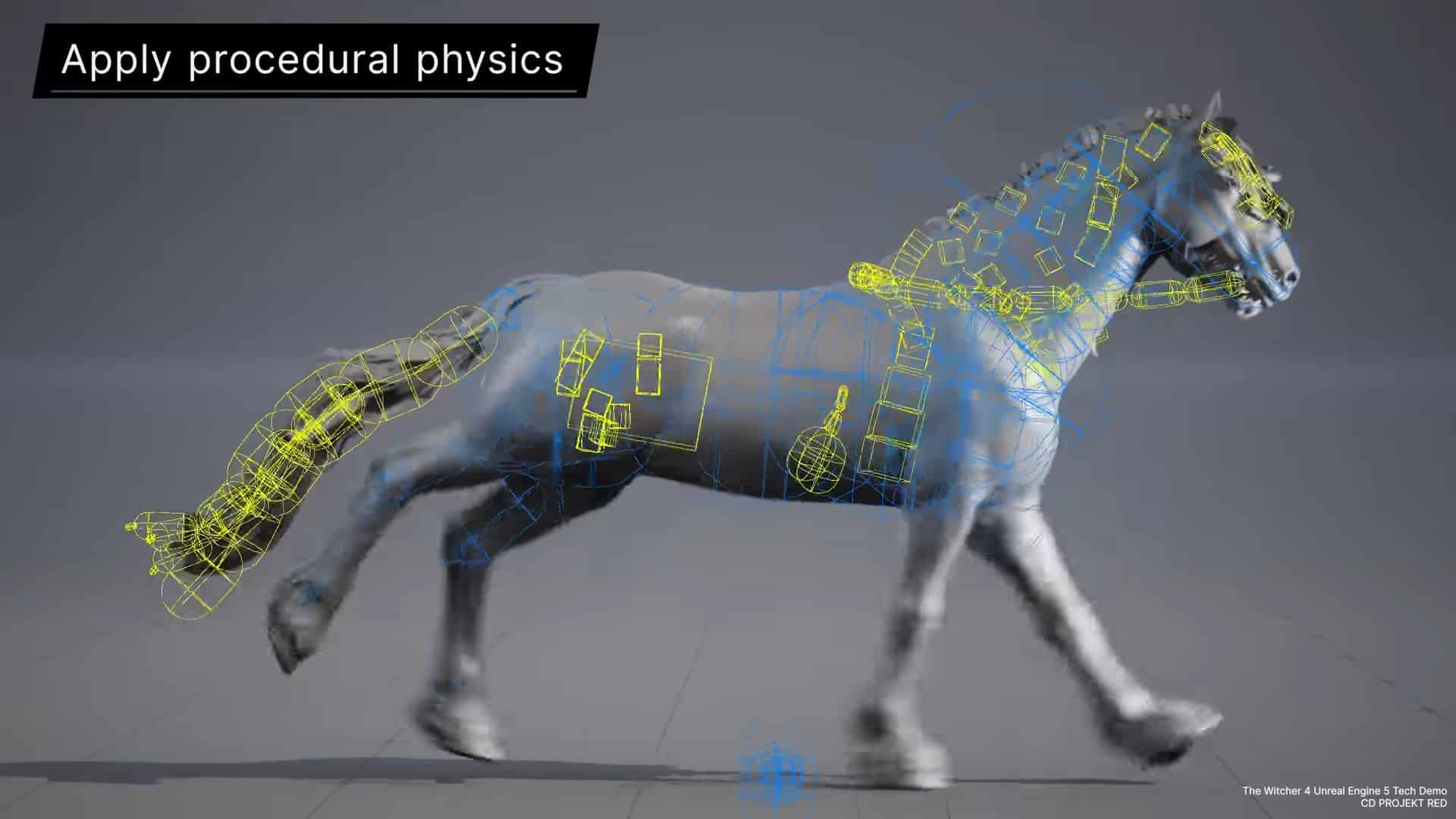
Control freaks rejoice: the in-editor animation toolset gets a polish. Motion Trails now offer arc editing, offset pinning, and custom visualization styles like Dashed, Heat/Speed, and Time-based overlays. The upgraded Tween Tools now support hotkeys for indirect control, Overshoot mode, and Time Offset sliders, turning keyframe fiddling into less of a mouse marathon. Control Rig Physics (experimental) introduces procedural physics into character rigs—turning bounce and sway from post-process cheat into actual rig behavior.
MetaHuman Creator Integration
The MetaHuman Creator is now integrated directly into Unreal Engine. Users can sculpt highly varied body shapes and assign complete outfits via the new Outfit asset type, which autoscales to fit any form. MetaHuman Animator now works with most webcams, smartphones, and even audio as input for real-time performance capture.
Sequencer and UI Enhancements
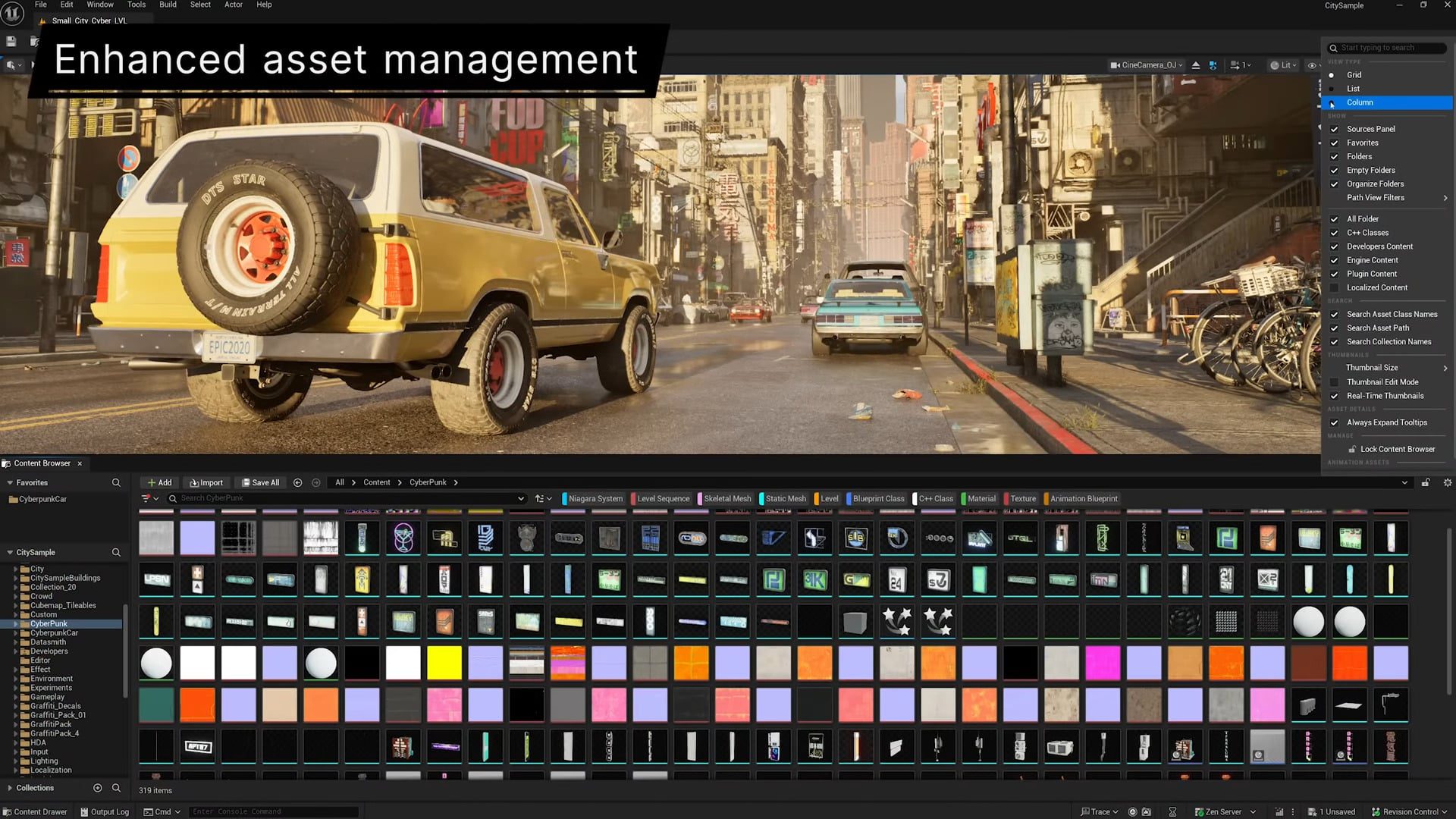
The Sequencer gets a usability upgrade, starting with a new Navigation Tool that untangles hierarchical chaos. Real-time Audio Scrubbing brings syncing dialogue and action closer to real-time accuracy. Meanwhile, the Viewport Toolbar gets new Quick Access Controls and Section Menus. The redesigned Content Browser makes finding and organizing assets marginally less painful. A Beta version of the Project Launcher UI rounds it out, with launch profile creation and management now less like an obscure mini-game.
PCG and Mocap Manager
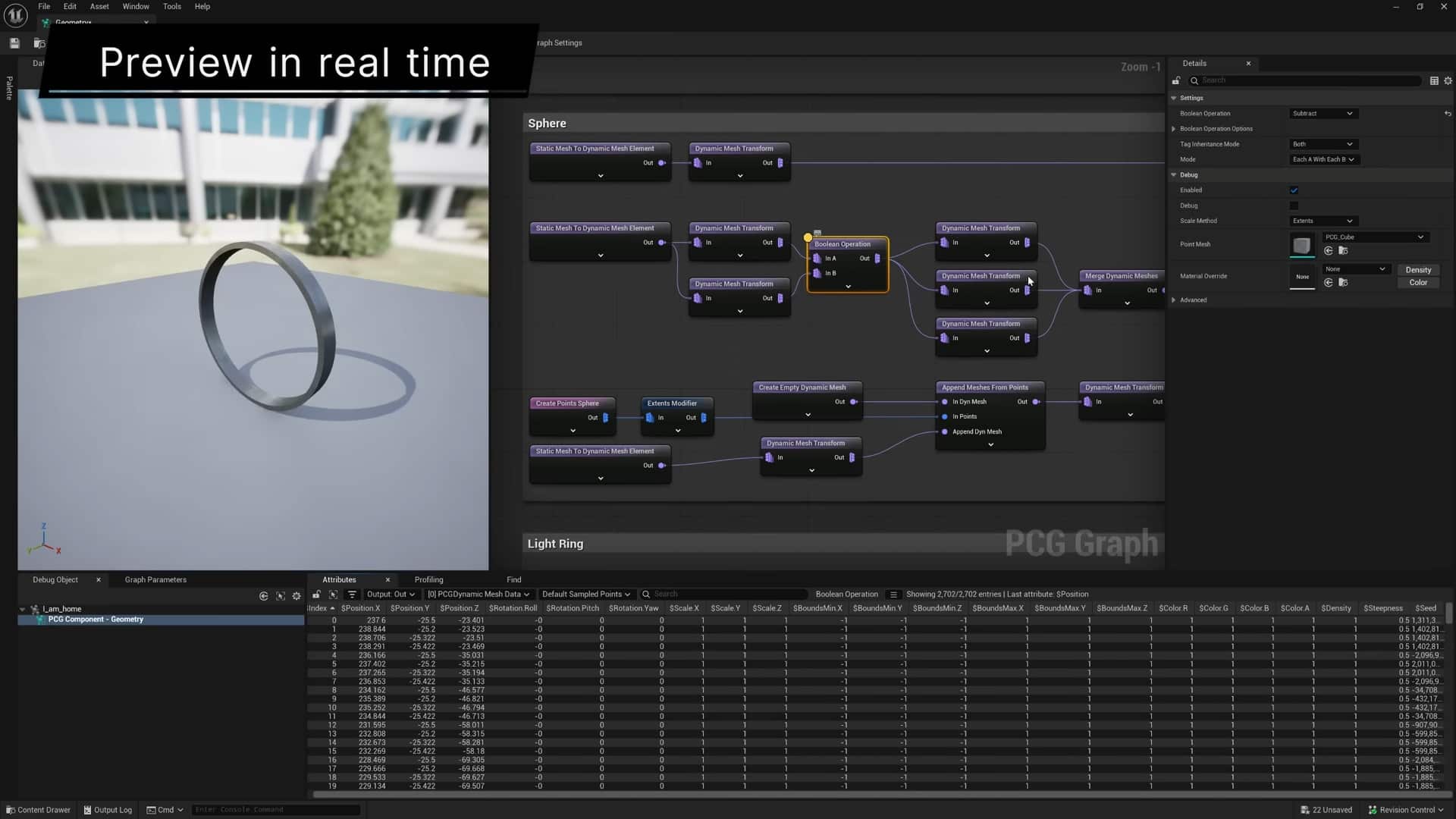
Procedural Content Generation (PCG) tools now support inline constants in the Node Graph, enabling direct manipulation of values without detours. Multithreading support and GPU optimizations speed up execution. The PCG Biome Core v2 plugin accelerates biome creation workflows. For motion capture aficionados, the new Mocap Manager provides a fully integrated solution for recording, visualizing, and managing performance capture in-editor. Also new: Quick Render, which allows for one-click still or sequence rendering from the current viewport or camera.
Heads-up: Some features, especially those marked as experimental like Control Rig Physics and parts of the PCG workflow, should be carefully evaluated before integration into production pipelines. Stability isn’t implied – just hinted at with optimism. For full release notes and Epic’s official write-up, head to Unreal Engine 5.6 Release Notes.
