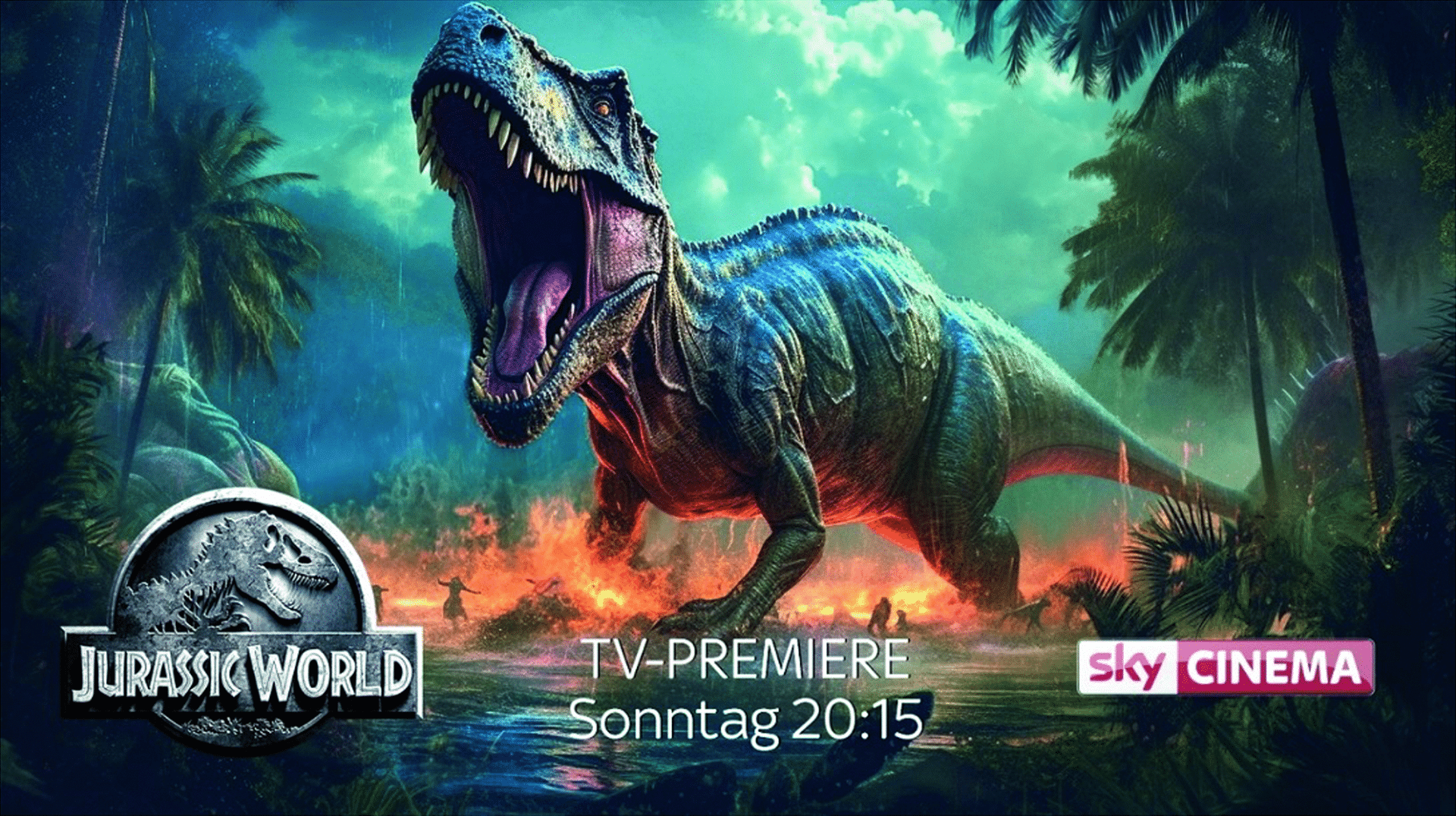
I have been working in the field of advertising trailer production for many years. Starting out as an editor and working my way up to the management level of global corporations, I have constantly scrutinised the “trailer” phenomenon, the process, the medium and the makers behind it. However, one thing has always remained the same… the way trailers are defined and produced. Can AI (artificial intelligence) break up what has been established over years, perhaps even decades? Can this new “intelligence” find new ways of producing and “seeing” trailers of the future? I tried to get to the bottom of these questions in a master’s thesis and made discoveries that I could never have imagined before. After more than 15 years as a media professional, I started a Master’s programme in Media Technology & Management at Munich University of Applied Sciences – I wanted to refresh my practice with new perspectives and continue to explore developments in media technology. In my final thesis entitled “Development of a model for the use of AI software in the advertising sector using the example of a trailer”, I investigated the possibilities that arise from the use of artificial intelligence in the production of advertising trailers. But why this topic?

The work was to delve into the world of commercial trailer production and see how AI can change this process. I developed a model that integrates AI software into trailer production with the aim of increasing both efficiency and creativity. To develop this model, I collected various tools that were able to analyse and artificially generate the trailer components (generative AI). The master’s thesis, which I was able to complete in July 2023, was not only intended to make a contribution to this very popular field, but also to lay the foundation for future developments in audiovisual media production. The combination (to anticipate it here: No – we’re not all going to be put out of work by the AI Terminator) of human creativity and AI technology has the potential to fundamentally change advertising trailer production.


Trailer?
Why a trailer and not another format as a test trial? The answer to this is complex. One reason is the complexity of trailers. They offer the opportunity to really put the capabilities of the technology to the test while leaving enough room for creative experimentation – a perfect basis for investigating different areas of Generative AI, from the conception and generation of an advertising text to video or sound generation. On the other hand, I myself have worked for a long time in the area of trailer production for various companies. I am familiar with the work processes and was therefore able to consistently and specifically identify and analyse relevant parts of trailer production for my Master’s thesis.
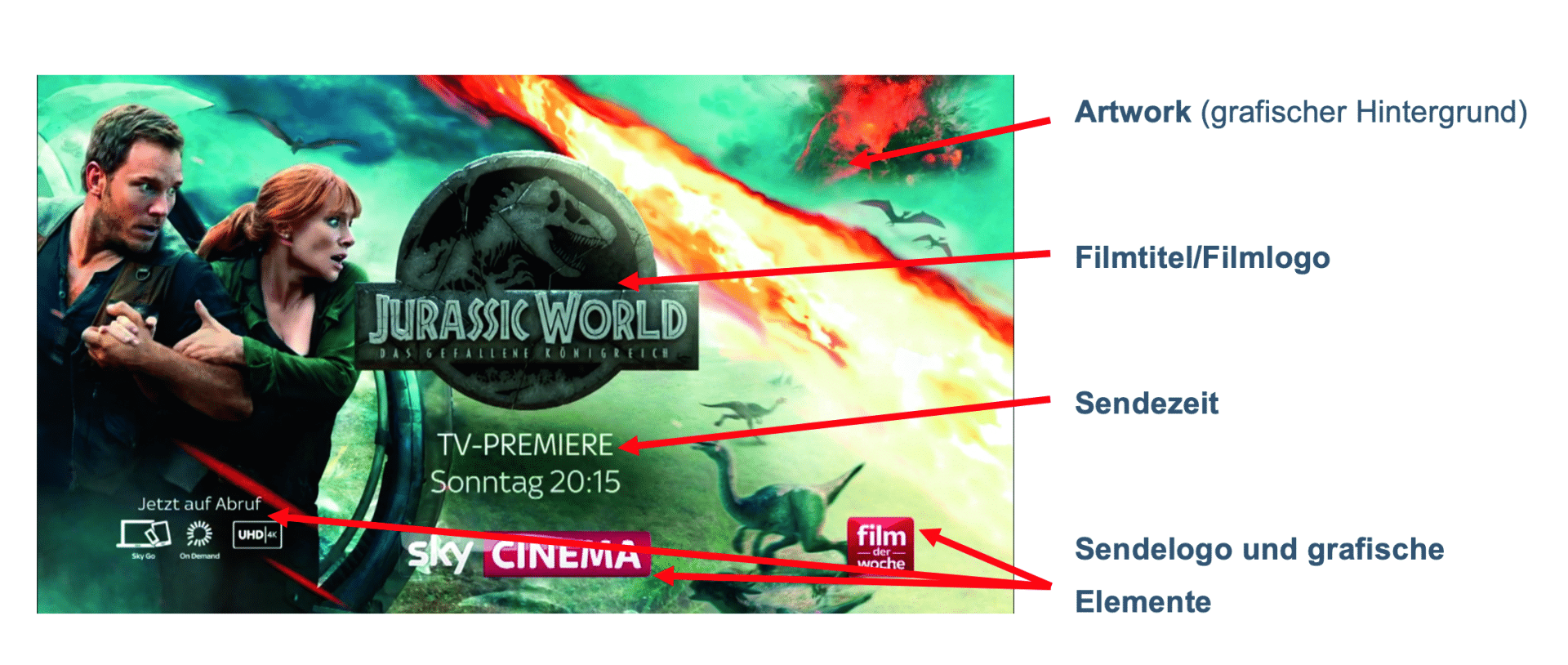
I first analysed the production and content structure of a “classic” television trailer, i.e. the trailer on television, before or after the advertising, which refers to a film, series or similar in the programme. I decided to use a blockbuster film as an example. After “breaking down” such a trailer into the production process on the one hand and analysing the content on the other, I identified various components, such as the concept that defines the basic framework and content structure of a trailer. I also analysed the image and sound level for the components within a trailer. Subsequently, several AI tools were analysed to artificially evaluate or generate the respective components.
I used a variety of tools, including specialised AI software for image and sound recognition as well as text, image and sound generation. In the initial conception of a trailer, I NATURALLY worked with ChatGPT. The image and sound recognition was implemented using various cloud models, such as Microsoft Azure or Amazon Rekognition. Tools from Midjourney and Runway were tested for image and sound generation and ElevenLabs and Soundraw for sound and music generation. These tools were not only used to create the individual components, but also to analyse the efficiency and cost-effectiveness of the entire process. There was also a focus on how these tools could be integrated into the overall production process, not just to automate individual aspects, but to enable a consistent and coherent use of AI technology throughout the production process – the aim was to create a coherent model for a possible AI production process.
So I developed the model. It defined a clear pipeline in trailer production, ranging from the basic material available, through conception, image and sound processing, to the finalisation of the trailer. Attention was paid not only to the technical realisation, but also to how the AI tools could be integrated into the creative process in order to work not only efficiently, but also innovatively and with high quality.

Script evaluation via AI?
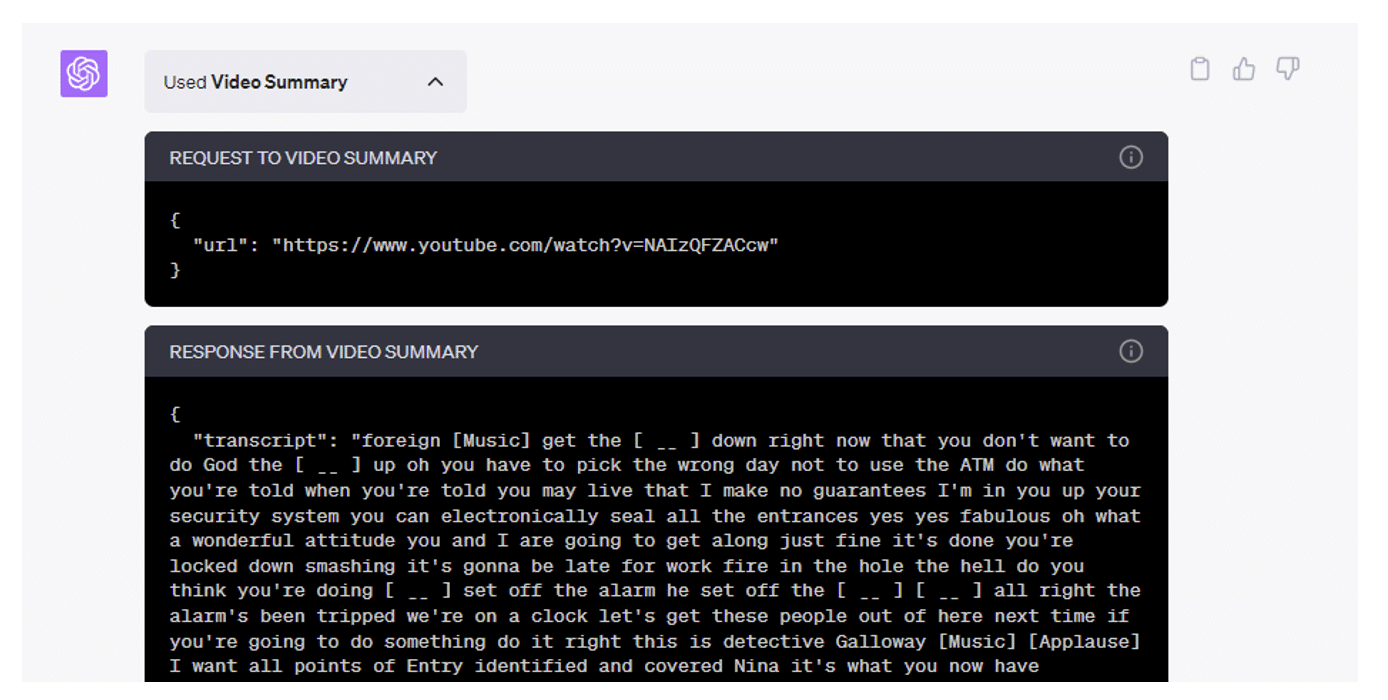
During my test phase, I initially tried to generate a trailer using artificial intelligence as much as possible and leave the creative and production decisions to it as far as possible. For example, I used ChatGPT to evaluate film scripts and let the tool decide which passages from the script could be relevant for a trailer. This quickly pushed ChatGPT to its limits, as it could only process a certain number of characters.

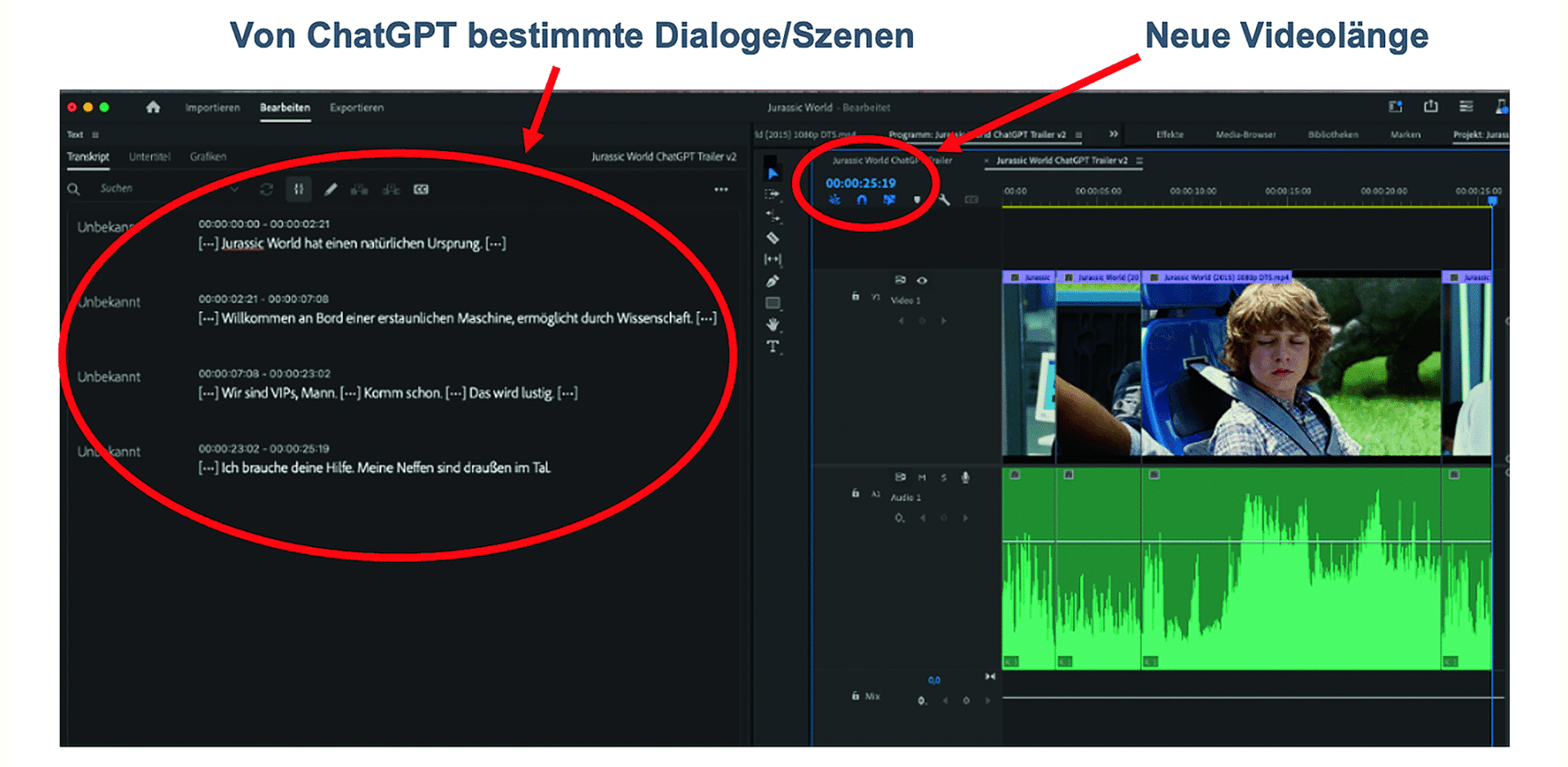
Nevertheless, I managed to generate a selection using various approaches. For example, I chopped up the film script into individual parts and fed the AI piece by piece. I was then able to use Adobe Premiere Pro’s “text-based editing” to remove all unselected text passages, which meant that the irrelevant scenes were removed directly from the cut sequence. So you could say that the textual analysis by ChatGPT describes a trailer structure defined by artificial intelligence. Another method was shortening, which can also be implemented using plugins. I had such a script summarised in smaller and smaller parts until I was able to create a concept for a trailer from it.

One challenge was the so-called multimodality of the various tools, i.e. the overlapping of the different areas in a trailer production. Ideally, you would work with a tool in which you could simultaneously generate a concept, search for image material and integrate image, sound and music generation in parallel. Up to now, different applications have been used to generate the respective content in order to integrate it into another application. However, this can lead to errors in data transmission. The aim must therefore be to integrate the different areas within one interface. This would also open up the possibility of automating a complete process. Recent integrations of different generative AI within an application prove this trend. For example, it is now possible to generate images with DALL-E3 using the text tool ChatGPT. Runway is another example that extends the classic editing process with various AI tools within its own interface. Another example is the progress of AI applications via Adobe Firefly, Adobe’s generative AI. It should soon be possible to formulate prompts and edit video material in this way.

The AI tools were not without their weaknesses. Whilst they did a very good job in many ways, there were also areas where the generated content did not live up to expectations or where human creativity and intuition were still essential. During my test phase, for example, I declared the AI-generated music to be too inferior in quality for a major blockbuster film and therefore opted for music composed by humans (albeit selected by artificial intelligence).
In the end, the ElevenLabs speech tool was chosen for the speech generation, although the original plan was to work with Descript. The reason for this was the fact that Descript still does not offer a German language. Only English voices can be generated. When generating text using ChatGPT, one of the challenges was “hallucinating” and supposedly correctly quoting film content.
The text concepts generated for the trailer cut, which consisted of off-text and original sounds, were sometimes incorrect. ChatGPT invented film scenes and original sound passages. Nevertheless, they formed a good basis on which to build a concept. Surprisingly, the structure and dramaturgical composition of a trailer were recognised correctly throughout.

The generated graphics used for the endboard, i.e. the rear part of a trailer, proved to be very convincing. Graphic text generation, for example for broadcast information on the endboard, was again weak. All of this emphasises the need for a balanced combination of technological innovation and human creativity in order to be successful in media production and at the same time open up new avenues and possibilities.
Finally, four trailers were generated and then evaluated by industry experts. These were individuals with broad expertise in media production, who were thus able to provide valuable feedback on the AI-generated trailers. They came from various TV stations such as ProSiebenSat1, Sky Deutschland, Discovery, but also from the practical agency world.
The experts brought their years of experience and in-depth knowledge to the evaluation process, which helped to assess the quality, relevance and impact of the trailers created by AI, while also providing valuable insights into the acceptance, possible areas of improvement and potential of AI-supported production. Initially, it was not stated that the trailers were generated using artificial intelligence.
Nevertheless (or perhaps precisely because of this), many parts of the trailers were rated as acceptable. The generated text concept, as well as the voiceover, were described as rather emotionless.
The generated endboard, on the other hand, was rated as good to very good. In addition, a trailer was approved by the majority of experts, meaning that it would also have been used in a real situation. The results of the survey showed that integrating AI into a trailer production process can be very useful. The majority of respondents were open to the introduction of AI into the production process.
Overall, the results showed that the use of AI in trailer production is not only feasible, but also makes economic sense. According to the model created in the study, cost savings of up to 79 per cent would be possible compared to conventional trailer production. This is primarily due to the increase in efficiency, i.e. the time saved in the creation of trailer content through AI. Basically, in the model, a trailer that would normally take three working days to produce could be created within one working day. It would therefore be possible to use the time gained to customise a trailer and thus implement more target group-oriented trailer marketing.

The future of AI in media production: a look into the crystal ball
My master’s thesis was intended to shed light on the potential of artificial intelligence in advertising trailer production. The question that arises is: how close are we to realising this potential? While the technology has undoubtedly progressed, we are not yet at the point where AI is seamlessly integrated into the media production process, even if AI is helping to optimise it in specific applications, such as Adobe Sensei. Especially in repeatable and standardised production processes, i.e. “assembly line” tasks, AI can offer significant time savings.
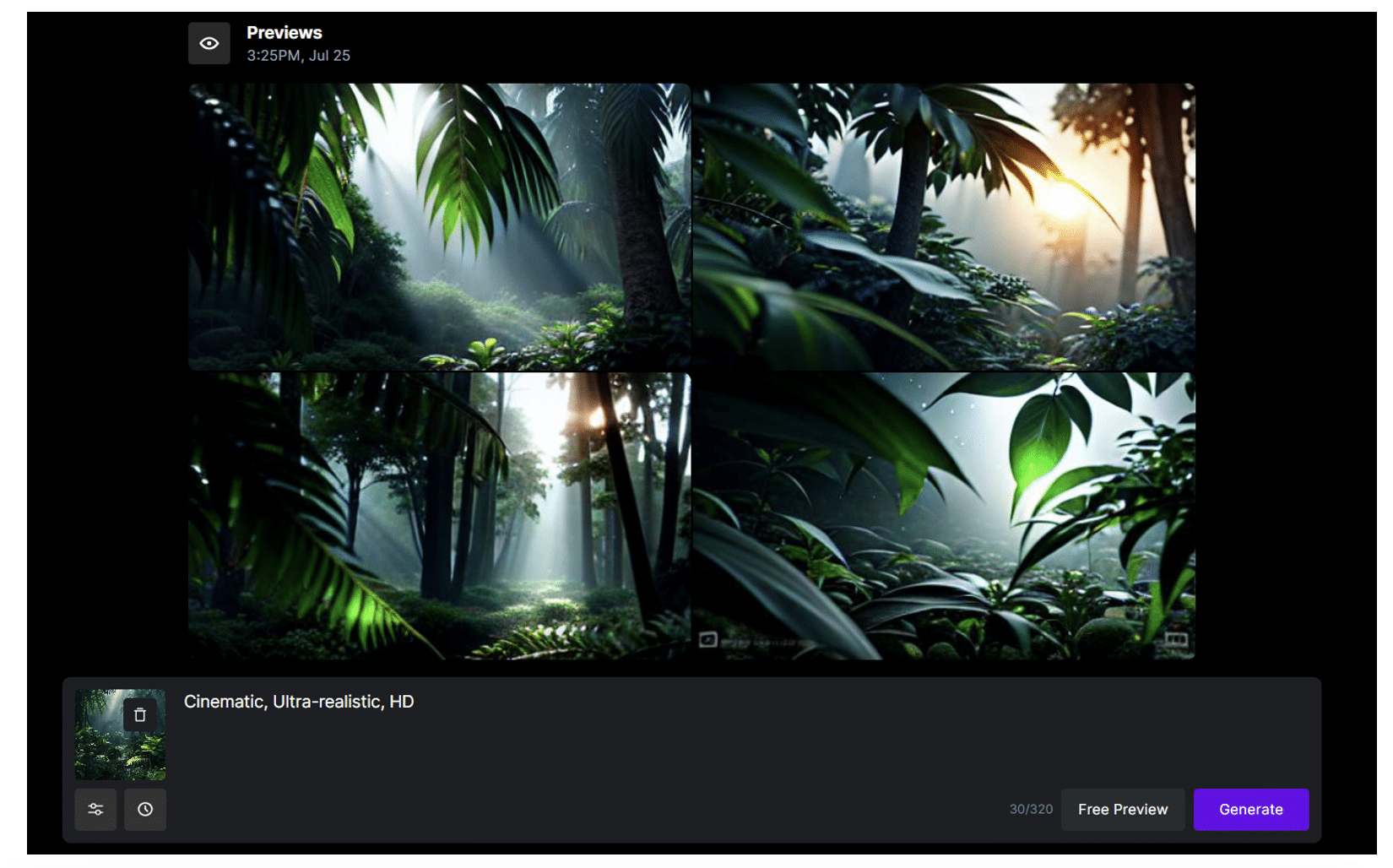
Looking five to ten years into the future, the picture could change dramatically. It is quite conceivable that AI will then no longer merely serve as a supplementary tool, but will be a central player in the creative process. Given the rapid developments in machine learning and deep learning, AI systems could be able to create content of greater complexity and nuance. These could not only support human producers, but in some cases even surpass their contributions.
So media production is fraught with challenges – especially among professionals such as editors and producers. Will they recognise the benefits of these new tools and use them themselves? Or will they oppose a technology that they may see as a threat to their jobs? This could lead to strikes and other forms of resistance, as seen recently in Hollywood among screenwriters. There is also the inevitable learning curve. The media industry will need to educate itself to acquire the technical skills required to use these tools. While some professionals already have the knowledge, there is still a significant need for education.
On a personal level, I am watching the developments in AI technology with great interest. OpenAI’s GPT-4 model, Google’s Gemini, Midjourney or Runway’s Gen-2, which demonstrate amazing capabilities in the areas of text and image generation, are impressive. Similarly, platforms such as Adobe Firefly offer enormous opportunities to combine processes.
The transformative role of AI in advertising trailer production – a summary
In the constantly evolving world of media production, I wanted to set a scientifically sound point of reference with my master’s thesis “Development of a model for the use of AI software in the advertising sector using the example of a trailer”.
By putting my results in writing, conducting a well-founded survey and having the written work corrected by an independent body (at this point, I would like to thank my supervising professor, Prof. Dr Martin Delp, once again), I was able to provide the debate with a concrete context and not just “say” what works and what doesn’t or what is “good” and what is not from my point of view.

I tried to dive deep into commercial trailer production and shed light on how artificial intelligence can change this landscape. The core finding of the research shows that AI not only has the potential to fundamentally change the way ad trailers are produced, but also has the ability to change the creative process. Through the targeted use of AI tools, production teams can not only organise their workflows more efficiently, but also pursue completely new creative approaches that were previously unknown.
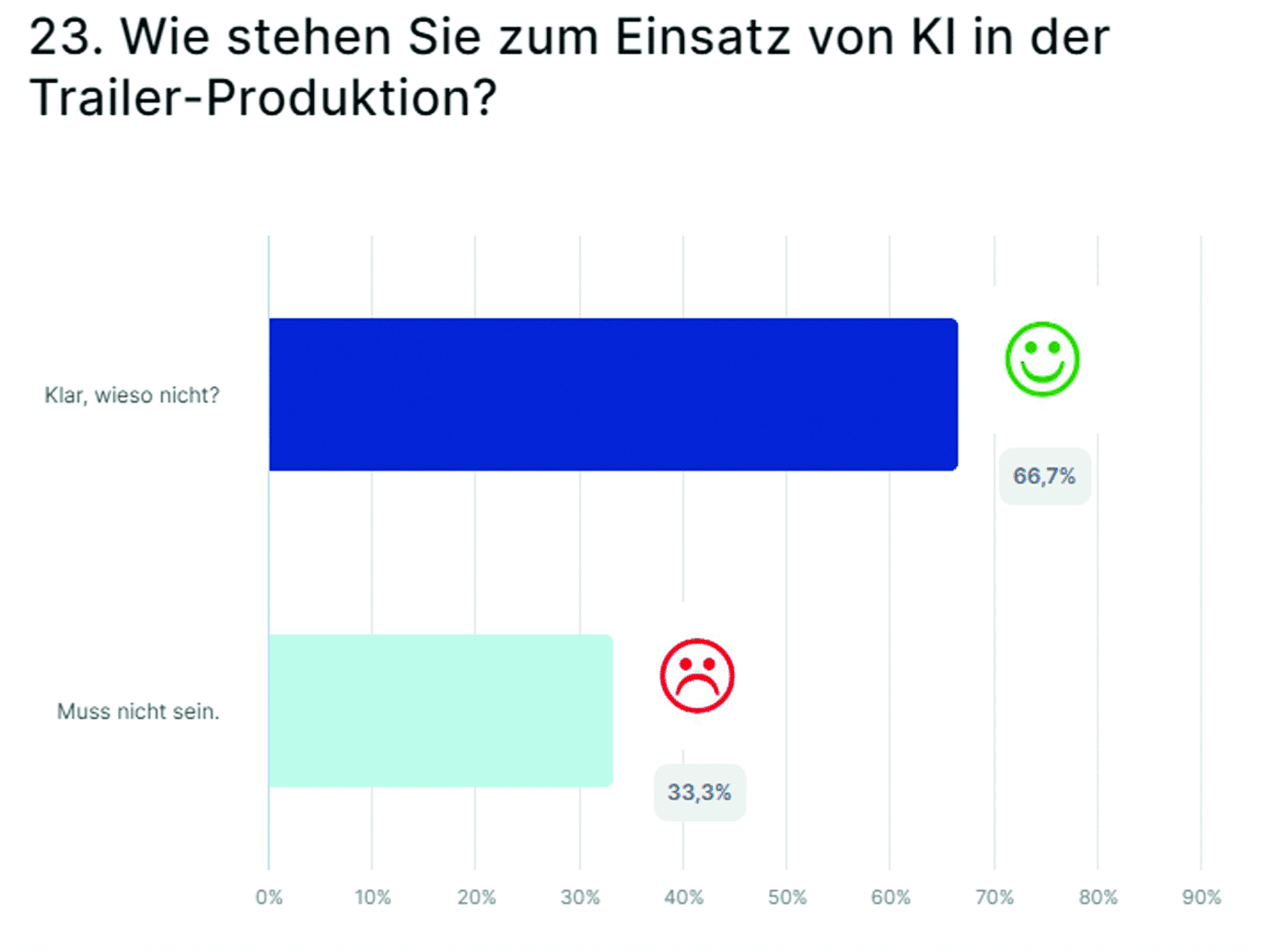
However, the master’s thesis I wrote is not just about highlighting the benefits and possibilities of AI – it also strongly emphasises the indispensable role of human input in the process. While AI has impressive technical capabilities, it is human intuition, creativity and expertise that ensures the content produced is accurate and resonates and reaches audiences. With this in mind, I argue for a symbiotic relationship where both sides utilise their strengths to achieve optimal results.
For those seeking a deeper understanding of the nuances, methods and findings of this work, the master’s thesis is available in the Munich University of Applied Sciences library, among other places. It offers detailed insights into the research methodology, the tools used and the findings obtained. Anyone interested can also contact me directly: sebastian.gresmann@gmail.com
Oh yes… of course I generated parts of this article with the help of artificial intelligence. Who noticed it?