



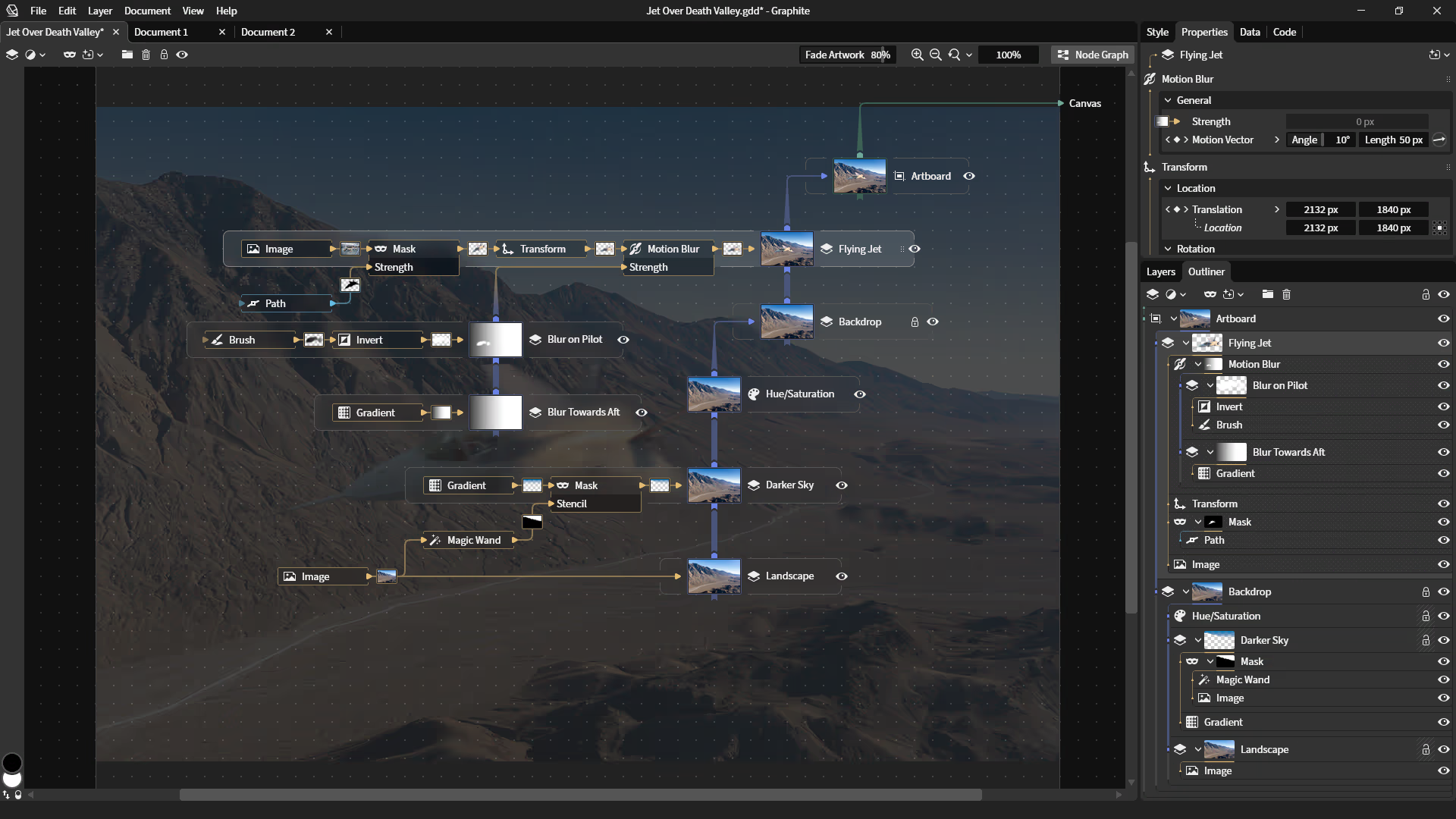
Graphite is officially available now in alpha, as a browser‑based application, offering a hybrid editing interface that merges classic layer tools with a procedural node graph powered by its proprietary engine, Graphene. Users can seamlessly switch between WYSIWYG layer editing and the node graph, with underlying operations mirroring between both views for a fully interchangeable workflow.
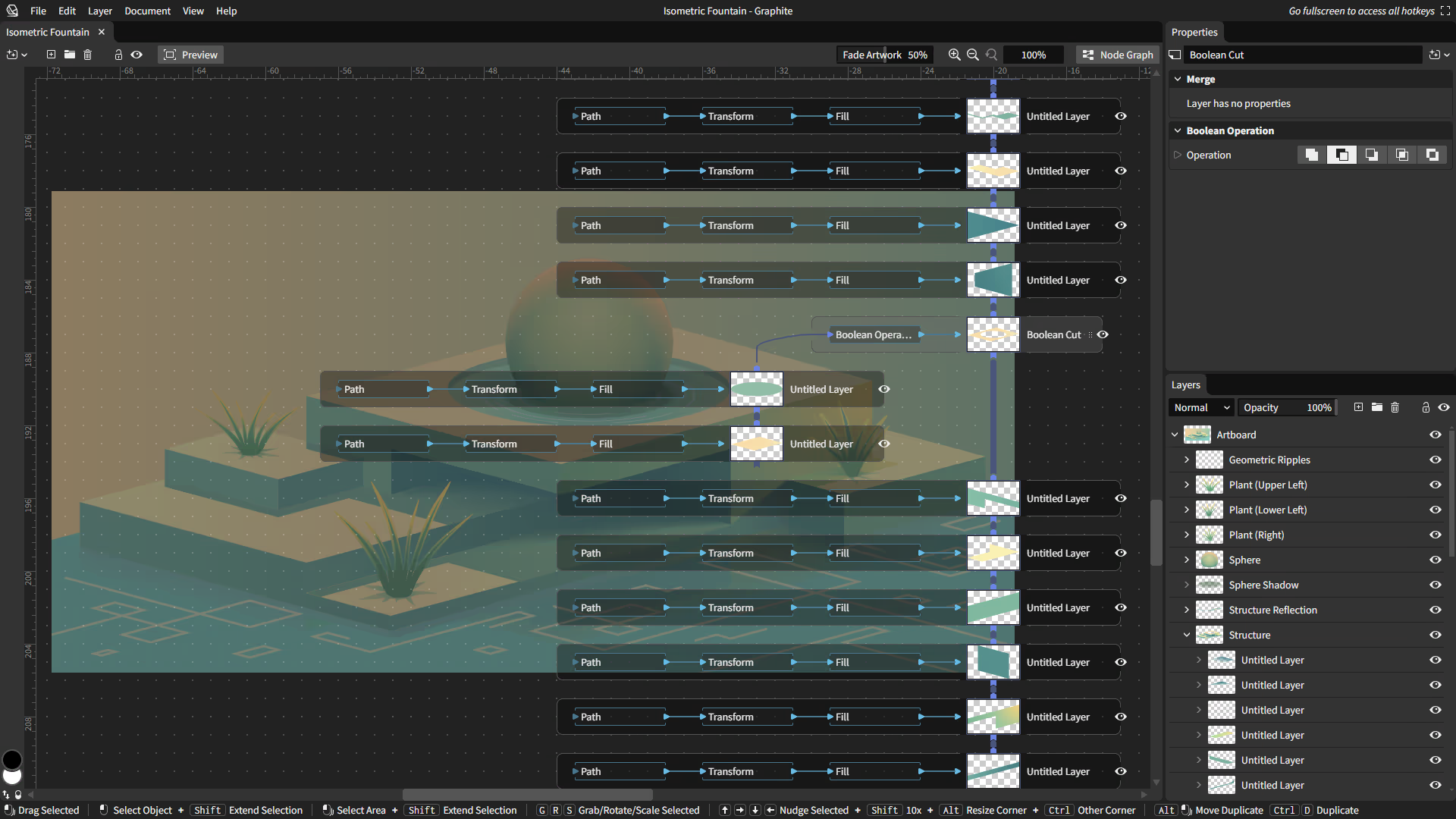
Free, open-source vector and emerging raster capabilities
Released under an open-source license, Graphite is free to use and currently targets vector illustration and graphic design as its main alpha features, while also offering experimental raster support. The alpha can import, apply filters, and even supports a basic brush for raster drawing—though with limited functionality and known performance issues. High‑priority raster features like marquee selections and GPU‑accelerated rendering are already slated for later in 2025.
Fully procedural content everywhere
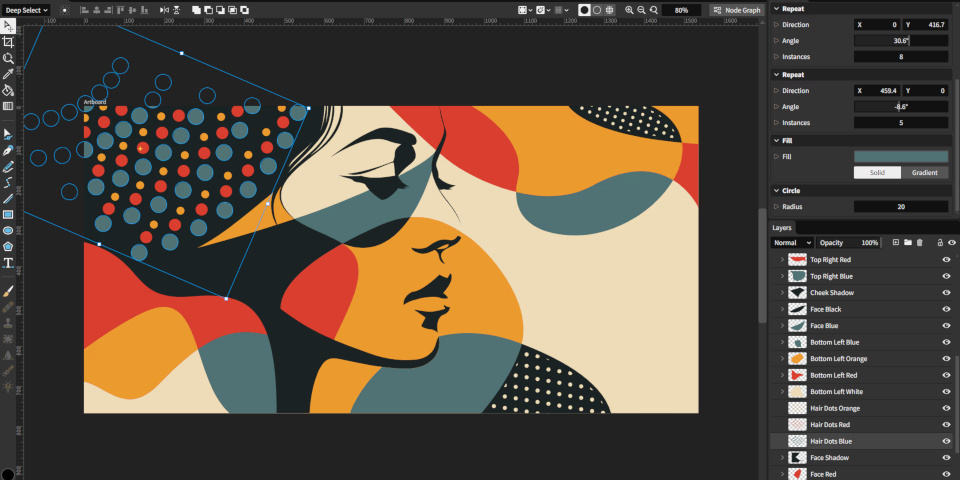
At its core, Graphite treats all edits as procedural: shapes, fills, repeats, instancing, even animations are node‑driven, allowing nondestructive parametric editinggraphite.rs+12graphite.rs+12graphite.rs+12. The node graph supports parameter chaining, enabling workflows where altering one value updates downstream results instantly—suitable for scalable designs like radial repeats, color morphing, or scalable fractals.
Rust‑and‑WebAssembly under the hood
Graphite is developed in Rust, with desktop‑grade efficiency targeting CPU and GPU through WebAssembly and WebGPU. Its core rendering engine, Graphene, is designed for parallel compute, distributing across cores or cloud nodes for large‑scale workflows. A full desktop experience remains in development, with Windows, macOS, and Linux builds anticipated in 2025.
Browser support and install options
Running entirely client‑side—no cloud or server—Graphite is currently a PWA installable on desktop platforms running modern browsers (Chrome, Edge, Opera, Firefox). Safari compatibility remains “best‑effort” with possible bugs; the team recommends Chrome‑family browsers for now
Alpha roadmap and upcoming desktop release
According to the roadmap, the alpha cycle includes improving tools and usability, adding parametric animation, instancer nodes, and GPU‑accelerated raster support, followed by desktop app releases on all major platforms in late 2025. Beta targets include scripting support, AI nodes, PDF export, collaborative editing, and video compositing capabilities.
