



This version builds on the features introduced in previous releases, with a key focus on improving object scattering, enhancing compatibility with modern rendering engines, and introducing new vegetation capabilities, particularly through the addition of the climbing plants plugin. As with any new software release, users are encouraged to thoroughly test these updates before adopting them for ongoing production projects.
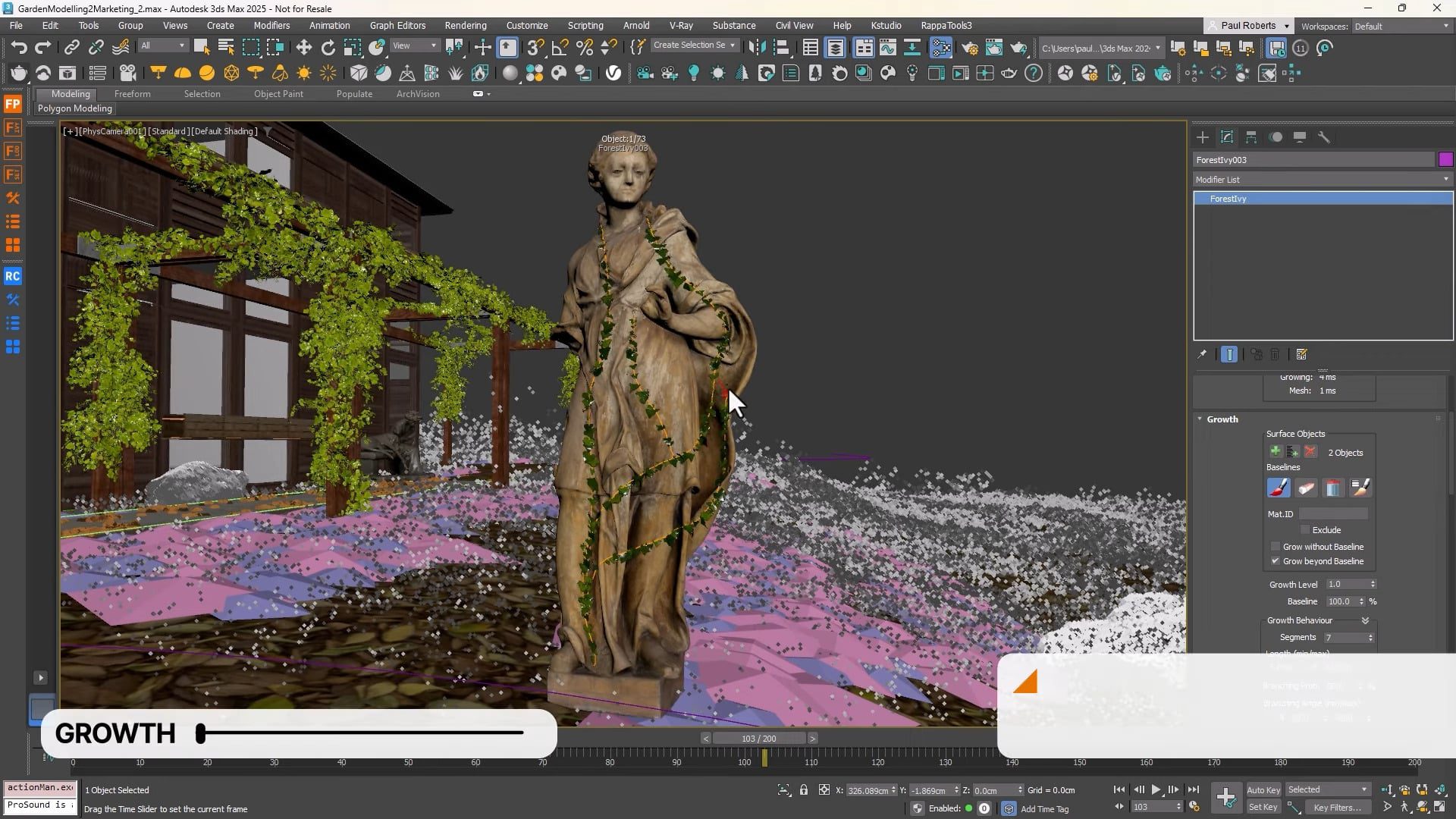
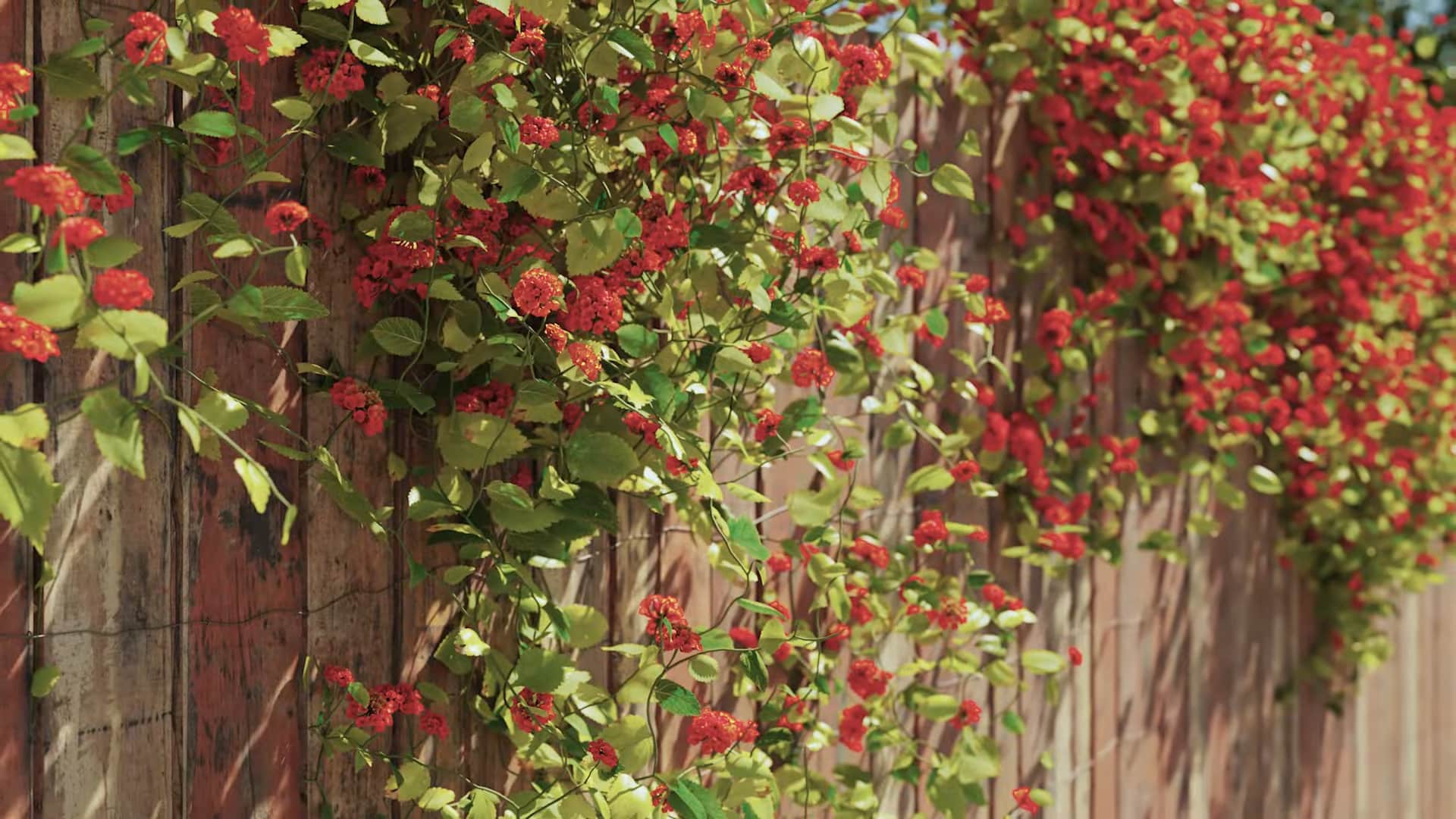
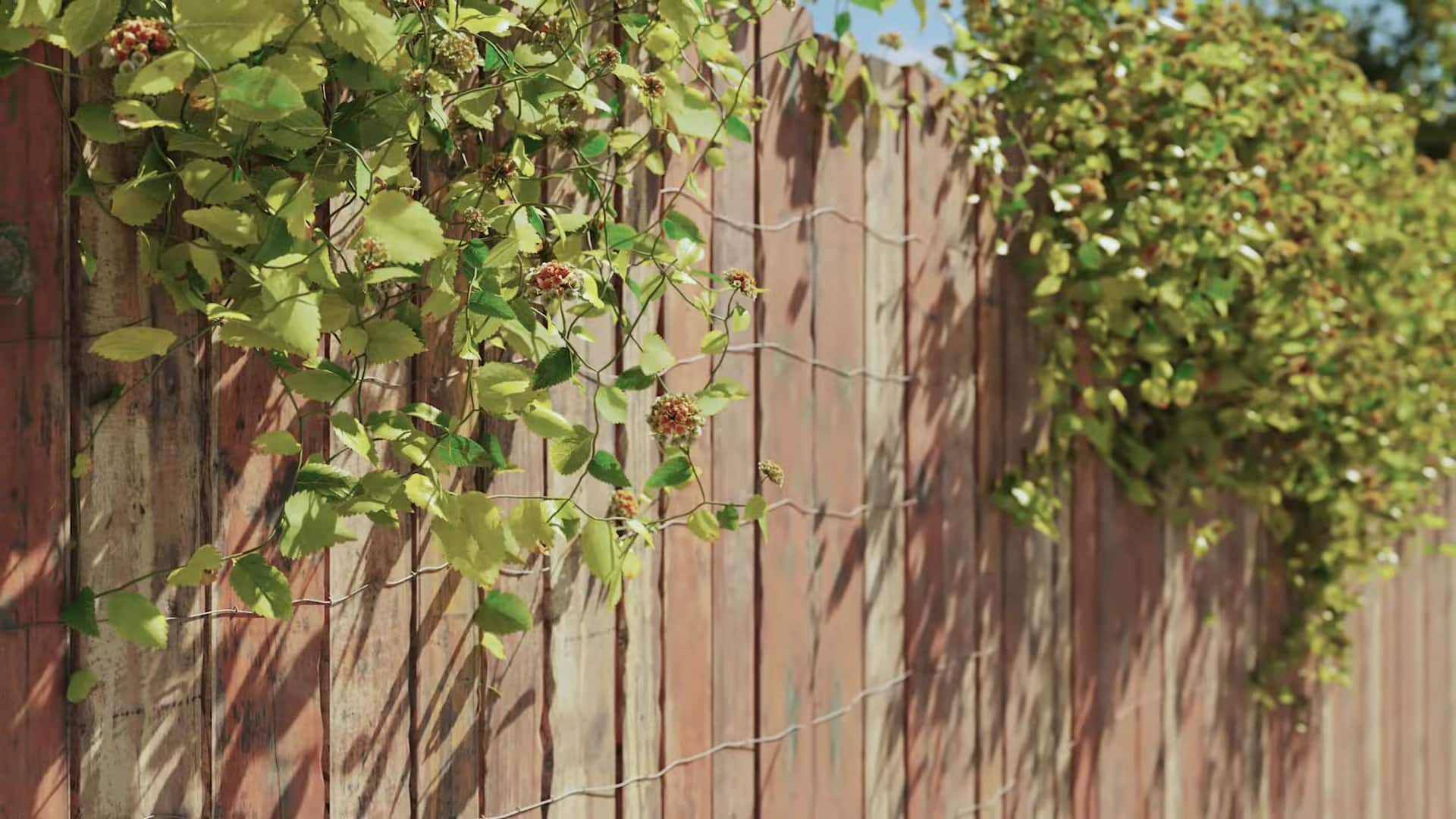
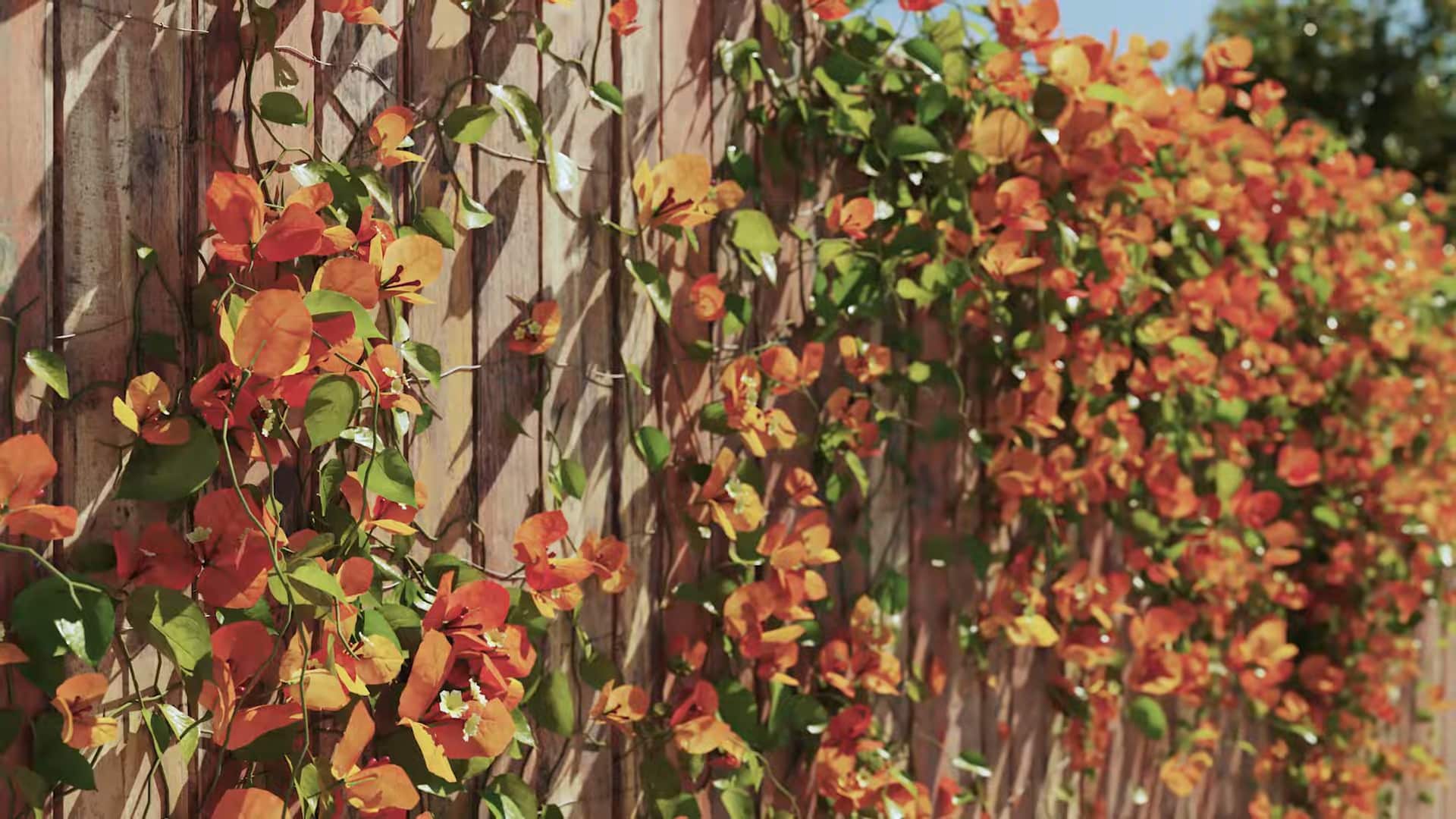
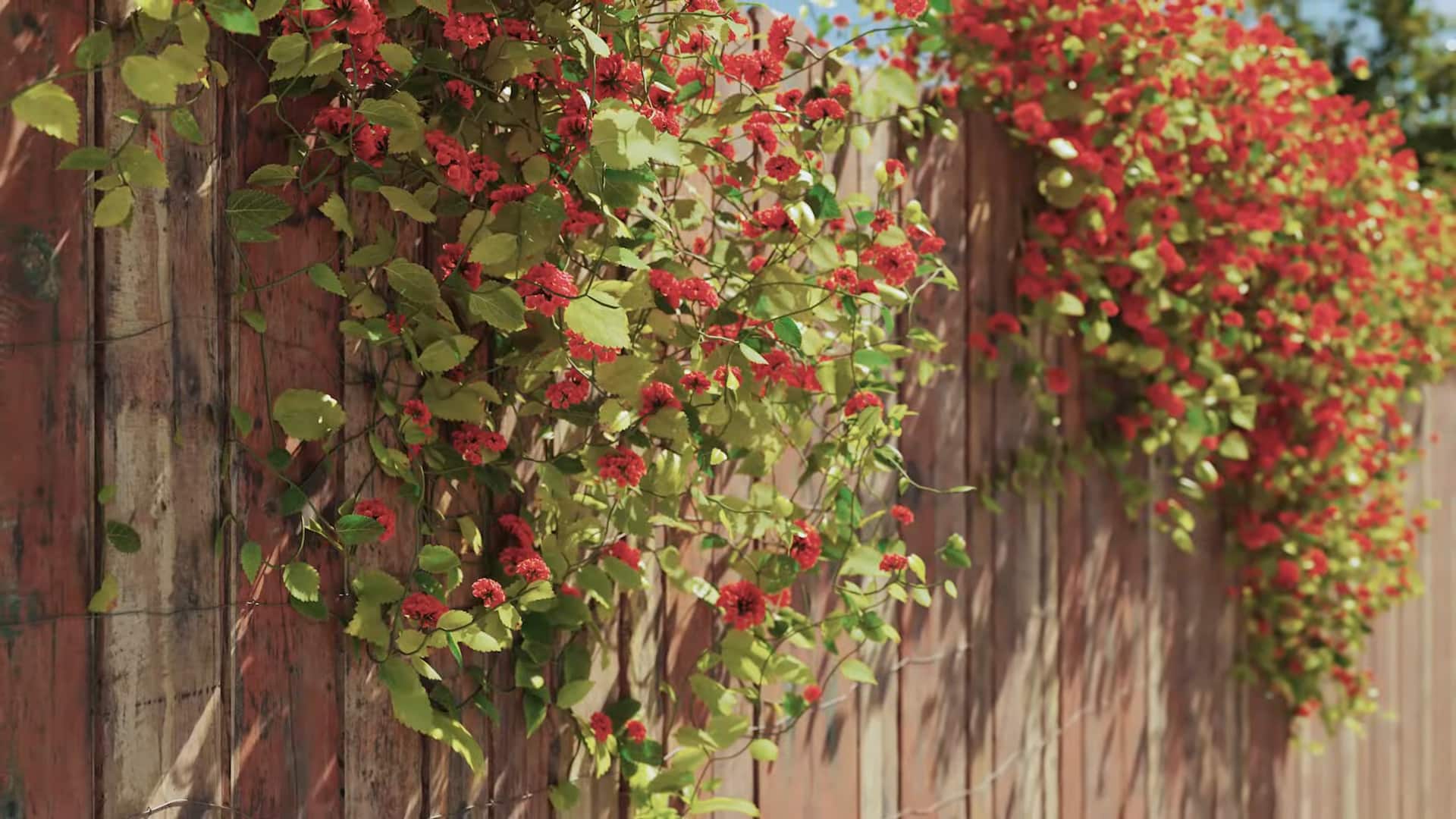
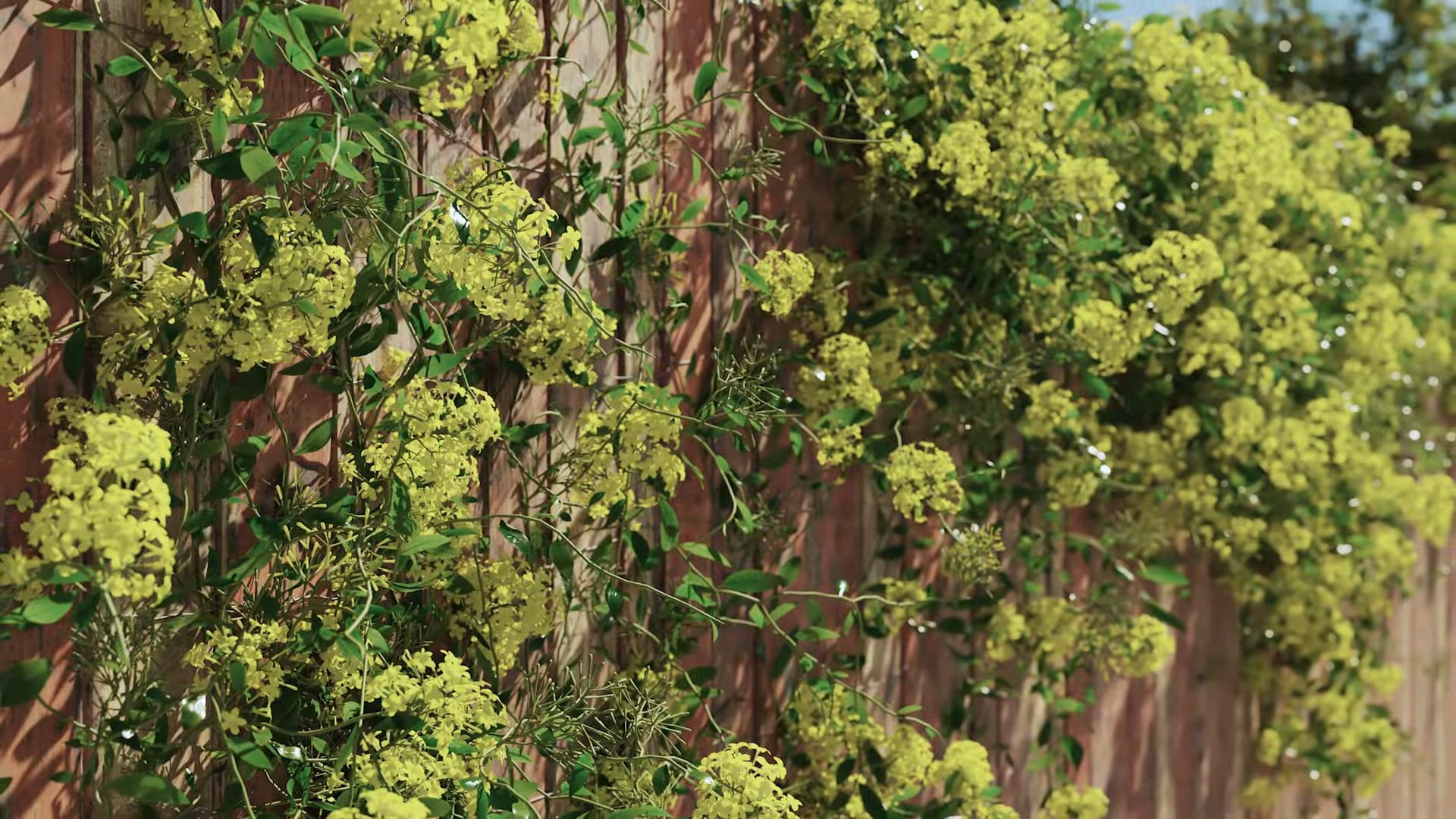
The standout feature of Forest Pack 9 is the climbing plants plugin “ForestIvy” , a tool designed to streamline the creation and scattering of climbing vegetation. This plugin allows users to procedurally generate and control the growth of ivy, vines, and other plants that naturally cling to surfaces like walls, fences, or other 3D geometries. By automating the process of placing climbing plants in a scene, the plugin saves artists time while ensuring more organic and realistic results. Artists can control key attributes such as growth direction, density, and the specific behavior of the plants as they interact with different surfaces. Instead of manually placing assets or relying on workarounds, users can now create dynamic, naturalistic environments with minimal effort.
The plugin is fully integrated into Forest Pack‘s existing scattering tools, meaning it can be used alongside Forest Pack’s extensive library of pre-built vegetation models and other assets. Artists can control how the climbing plants spread across objects, define their size and distribution, and easily adjust them to fit the needs of a particular scene or project. This is especially useful in scenes requiring ivy-covered buildings, vine-wrapped trellises, or other architectural elements where vegetation plays a significant role.
In addition to the climbing plants plugin, Forest Pack 9 introduces a host of other new features and improvements, starting with the Path Mode. Path Mode is a new scattering option that allows users to distribute objects along a predefined path, offering much more control over where and how objects are placed within a scene. Whether you’re scattering trees along a road, bushes along a pathway, or any other kind of object along a curve or line, Path Mode ensures more precise and consistent distribution. The tool supports custom distributions and variations, giving artists greater flexibility in their approach to environment design. It’s a powerful addition for projects where precision is key but without the need for extensive manual placement of objects.
Alongside Path Mode, Forest Pack 9 also introduces the Sequence Mode, which offers the ability to distribute objects in specific patterns or sequences. This is particularly useful for modular setups, where objects need to follow a certain repeating order, such as placing tiles on a roof, stones along a pathway, or repeating elements in a scene. The tool can automate these kinds of repetitive tasks, freeing up artists to focus on the creative aspects of their projects rather than manually adjusting and positioning each object.
Performance improvements are another major highlight of the update, particularly through enhancements to Fast Mode. Fast Mode is designed to optimize viewport performance, particularly when dealing with large, complex scenes filled with high-poly objects. While the mode sacrifices some visual fidelity in the viewport, making the scene less detailed when viewed in real-time, this compromise enables artists to work more efficiently without the lag that typically comes with handling resource-heavy environments. Importantly, Fast Mode does not affect the quality of the final render; only the viewport is simplified, making it a practical solution for those needing to balance performance with complex asset-heavy projects.
Another area where Forest Pack 9 has improved is its support for splines. The enhanced spline support allows users to scatter objects along the knots of a spline, giving greater precision and control over the placement of objects along a curve. This is particularly useful for architectural visualization and landscape design, where artists need to align trees, plants, or other objects along roads, paths, or natural curves in the environment. By incorporating spline support directly into the scattering process, Forest Pack 9 offers artists more refined and intuitive ways to work with complex distributions.


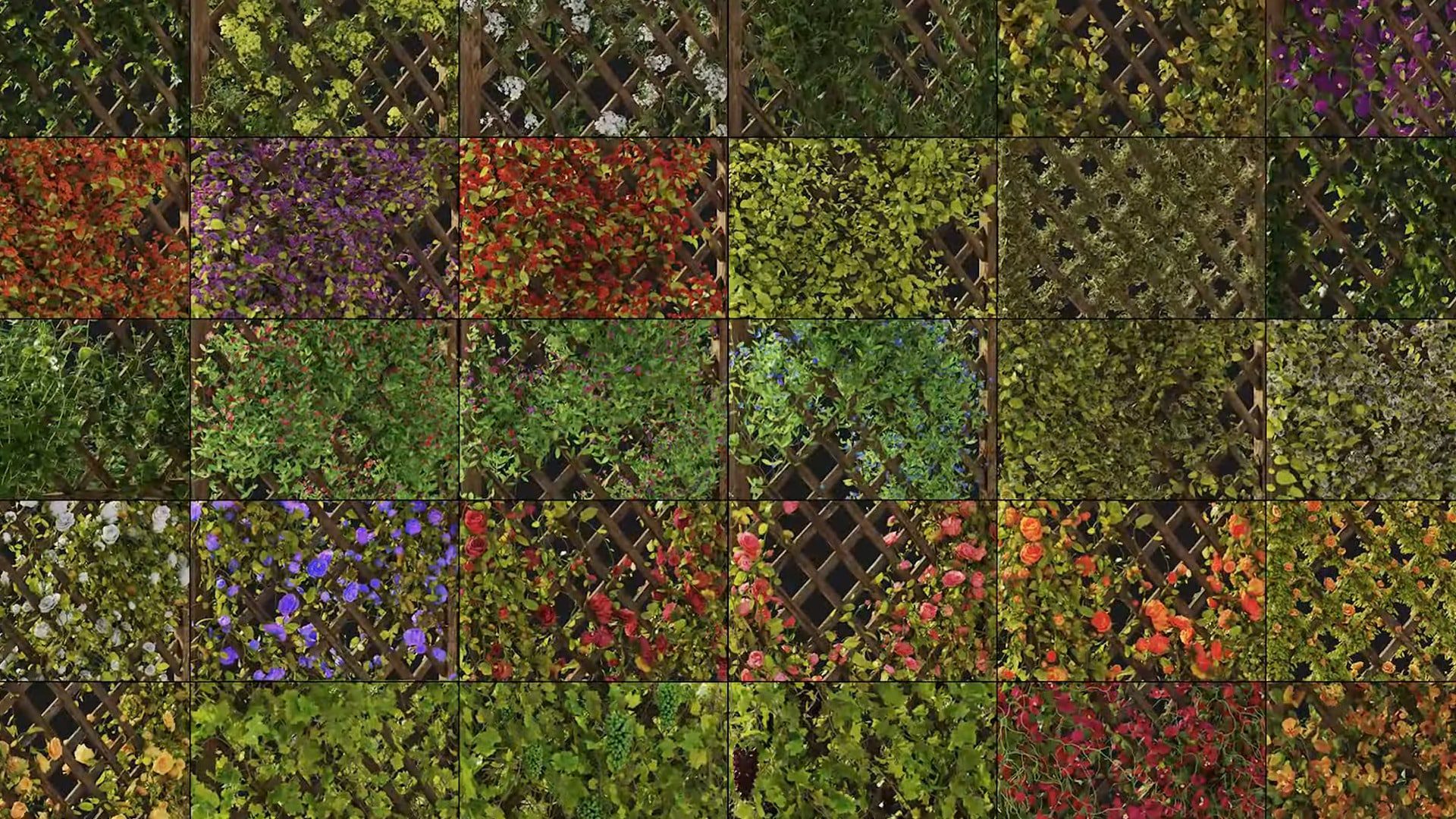
The Library Browser has also received significant updates. The asset library, which forms the backbone of Forest Pack’s scattering system, has been expanded to include a broader range of presets and models. These new additions make it easier for artists to find and use assets suited to their projects without needing to import custom models from external sources. The Library Browser itself has been revamped to offer a more user-friendly experience, with improved search functionality and categorization to help users quickly locate the assets they need.
Forest Pack 9 also stays up-to-date with the latest rendering technologies by introducing full compatibility with major render engines. Arnold 7, V-Ray 6, and Corona 10 are all supported in this release, ensuring seamless integration into rendering workflows for users of these engines. Additionally, the update improves the workflow between 3ds Max and Unreal Engine 5, making it easier to transfer assets from 3ds Max into Unreal Engine for real-time rendering or game development. This is particularly important for users working across both offline and real-time rendering pipelines, as it reduces the need for manual adjustments or fixes when transitioning assets between platforms.
In terms of licensing, Forest Pack 9 continues to offer flexible pricing options that accommodate both new users and those upgrading from previous versions. A perpetual license is priced at 240 US-Dollars , allowing users to own the software outright, while annual subscription models are available for those who prefer continuous updates and support. Discounts are available for existing customers who wish to upgrade to the latest version, making it a cost-effective solution for long-time users of the software.
Overall, Forest Pack 9 is a substantial update that introduces valuable new tools, like the climbing plants plugin, while enhancing existing features such as Path Mode, Fast Mode, and spline support. These improvements are aimed at making the environment creation process more efficient and giving artists more control over object distribution. The improved performance and compatibility with modern render engines ensure that the software will continue to be a reliable tool for artists working in VFX, game development, and architectural visualization.
For more detailed information on Forest Pack 9’s features and improvements, you can visit the official iToo Software documentation. To explore purchasing options or learn more about licensing, check out the iToo Software website.
