



With the new version 4.3 of the Godot Engine, the developers have integrated numerous improvements and new functions that are specifically tailored to the needs of CG artists. The focus is on optimising and expanding existing tools to make complex digital projects more efficient and flexible.
Volumetric fog: more realism in the visualisation
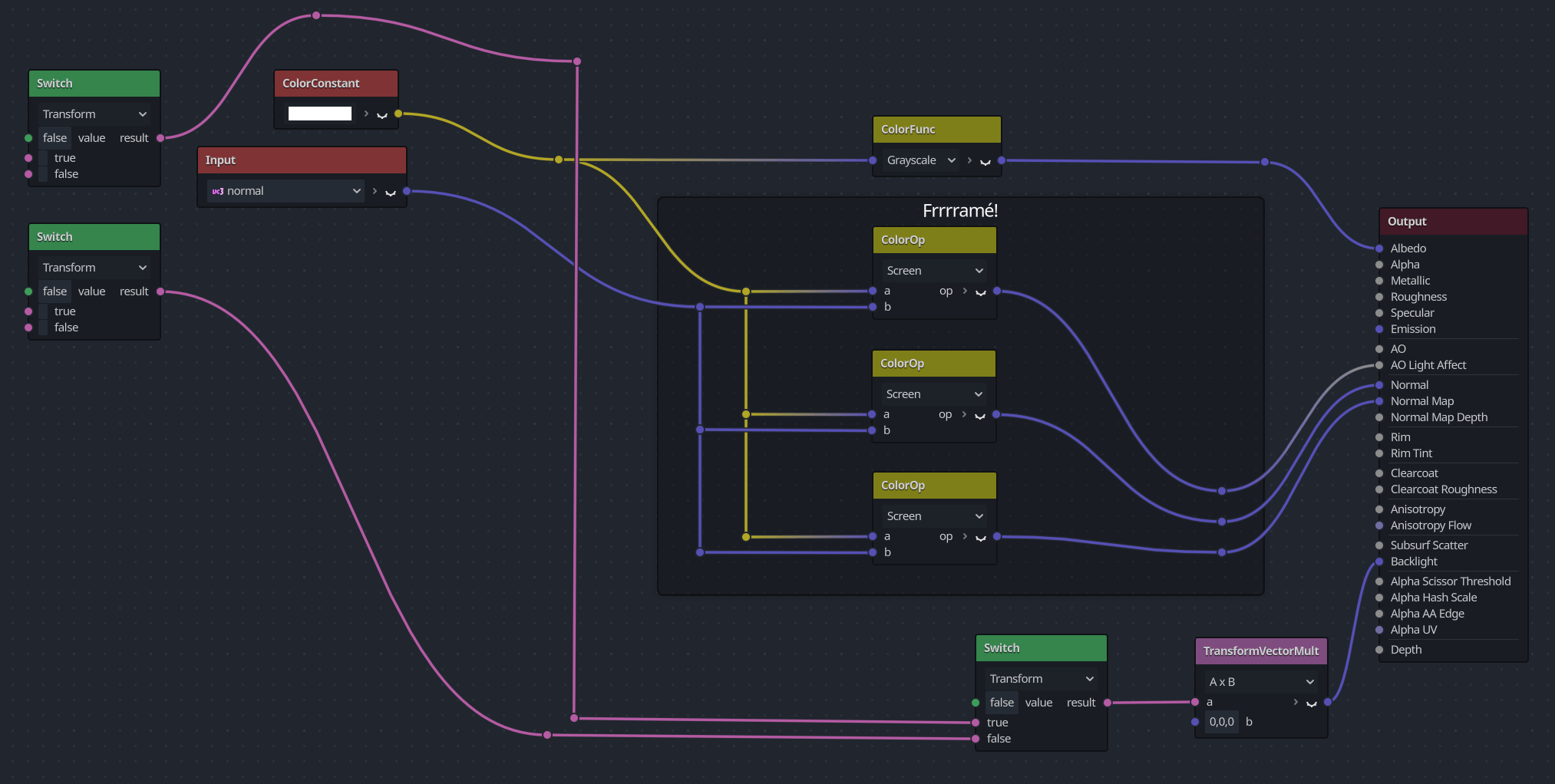
The introduction of “Volumetric Fog” in Godot 4.3 offers you an improved representation of fog and smoke in real time. The engine now supports the simulation of light scattering within fog volumes, which makes for more realistic and atmospheric environments. Especially for scenes that require a dynamic atmosphere, such as in film production or real-time visualisations, this is a welcome enhancement.
The new fog function is fully integrated into the pipeline and works efficiently with the existing lighting and shading engine. However, the complex calculation of the light interactions within the fog can require high computing power, depending on the scene and project. Users should therefore test the new functions thoroughly before integrating them into production projects.
Meshlet rendering: Efficient rendering of complex geometries
Meshlet rendering is another important new feature in Godot 4.3. This technology makes it possible to divide large and complex models into smaller parts, so-called meshlets. This leads to more efficient processing and visualisation of geometries, as only the visible parts of the model need to be rendered. For VFX artists working with highly detailed scenes, this is a significant relief as it can considerably reduce render times. Especially in real-time applications, such as games or interactive visualisations, meshlet rendering can help to optimise performance on different hardware configurations. Here too, however, it is advisable to evaluate the technology in detail before using it in production.
Improved animation tools: Precision and flexibility
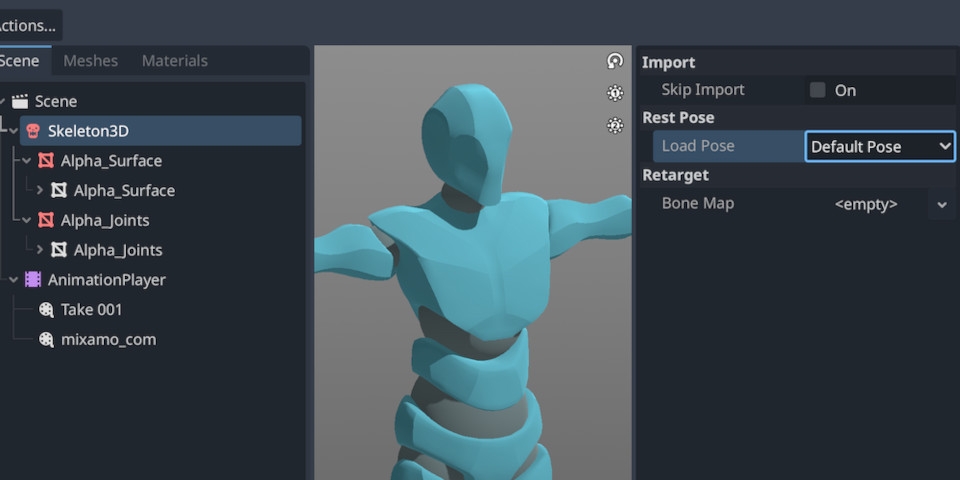
The animation toolset has also been revised with Godot 4.3. The new functions offer you as a user more precision when creating and customising animations. The “Animation Retargeting” feature allows you to easily transfer animations to different characters, which greatly simplifies the workflow for projects with multiple characters.
The integration of Animation Trees has also been improved, allowing you to manage and customise complex animations more efficiently. These new features are particularly useful for artists working on projects with many animated characters or objects. Improved control over timing and transitions allows for more realistic motion sequences, which is important in VFX and game production.
Extended file format support: More flexibility at work
Godot 4.3 extends support for different file formats, giving you greater flexibility when importing and exporting your projects. The engine now supports a wider range of 3D file formats, including FBX and OBJ, and improves integration with external tools such as Blender. This expanded format support facilitates the exchange of assets between different software solutions and enables smoother collaboration in mixed production environments. Although the new formats have been extensively tested, artists should ensure that all imports are correct and lossless before using them in current projects.
Further optimisations: Improved performance and stability
In addition to the major features, Godot 4.3 offers a number of smaller optimisations that have a positive effect on the general performance and stability of the engine. These include improvements to the rendering backend, which increase the general frame rate and responsiveness of the engine.
The developers have also worked on the user interface to further improve the workflow. This particularly affects the scripting and debugging areas, where new tools and options have been added. These changes are aimed at providing you as a user with an even more pleasant and productive working environment.
Licence model and availability
Godot 4.3, like the previous versions, remains available under the MIT licence, which means that the engine can be used free of charge. This openness makes Godot particularly attractive for indie developers and small studios who want to benefit from the professional features without having to pay high licence costs.
For more information and detailed instructions on how to use the new features, you can consult the official documentation. Information on downloading and installing the latest version can be found directly on the manufacturer’s website.
