



For those who don’t know the tool: Unreal Engine is a real-time platform for interactive worlds, games and virtual production. The 5.9 Preview introduces Unreal Canvas and wider agent tooling alongside rendering and animation improvements, all with the usual Preview warning label attached.
Epic has released Unreal Engine 5.9 Preview, and the biggest new inhabitant of the Editor may be an agent. Experimental Unreal Canvas, deeper MCP tooling, Python and Blueprint scripting, WebAssembly builds and significant rendering and animation work suggest a release that is simultaneously trying to change how we make scenes and where those scenes run. Preview means preview, of course. Do not ship the studio’s most expensive sequence on the strength of a shiny demonstration and a persuasive robot. The agents have entered the editor, and the humans are still responsible for the exit strategy. And making sure to catch all the assitnats mistakes.
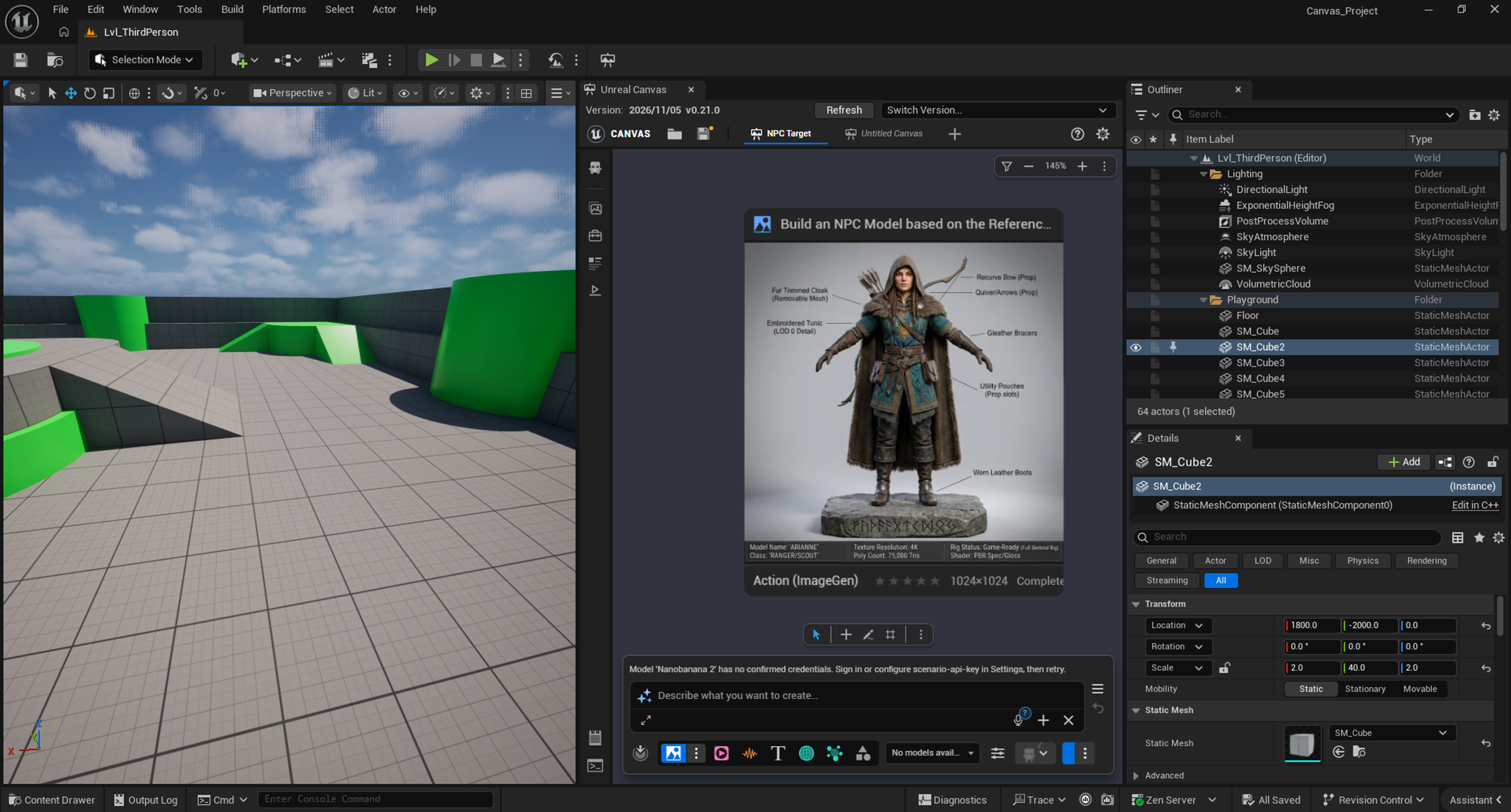
Unreal Canvas: humans and agents share a workspace
The experimental Canvas environment combines text, images, videos and mesh generators with chosen generation services, intended for iterative collaboration between artists and agents. Canvas Bridge exposes Movie Render Graph rendering as MCP tools; Spatial Annotations places notes in 3D scenes and captures their context. The idea is more concrete than a chat box glued to a viewport: the agent can work with selected engine tools and the surrounding scene.
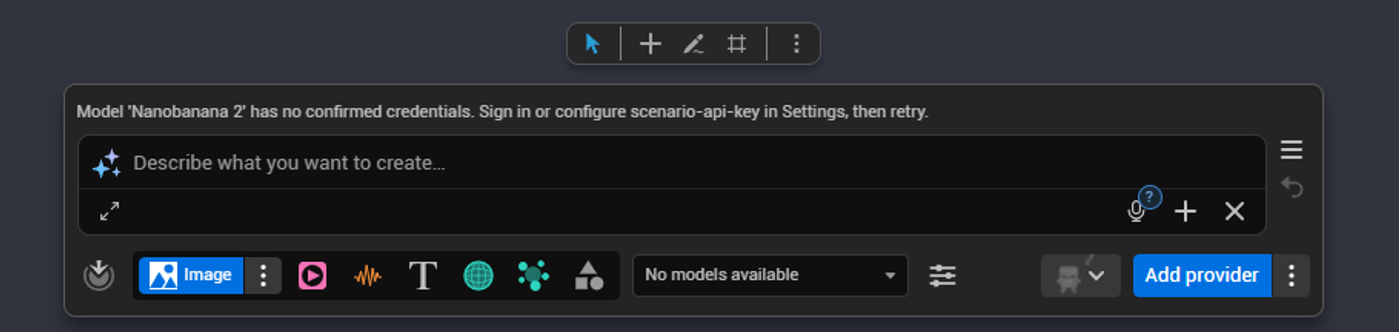
MCP stops being a side experiment
Unreal MCP embeds a server into the Unreal Editor process, allowing compatible clients to call typed tools over local HTTP. Toolsets can cover actors, Blueprints, Widget Blueprints, materials, MetaSounds, PCG, Niagara, Sequencer, Slate inspection, performance profiling and tests. The Toolset Registry controls exposure; project and Editor Preferences configure ports, allowed origins and protocol versions. An external client is not magic access to everything. The access surface and permissions need deliberate configuration.
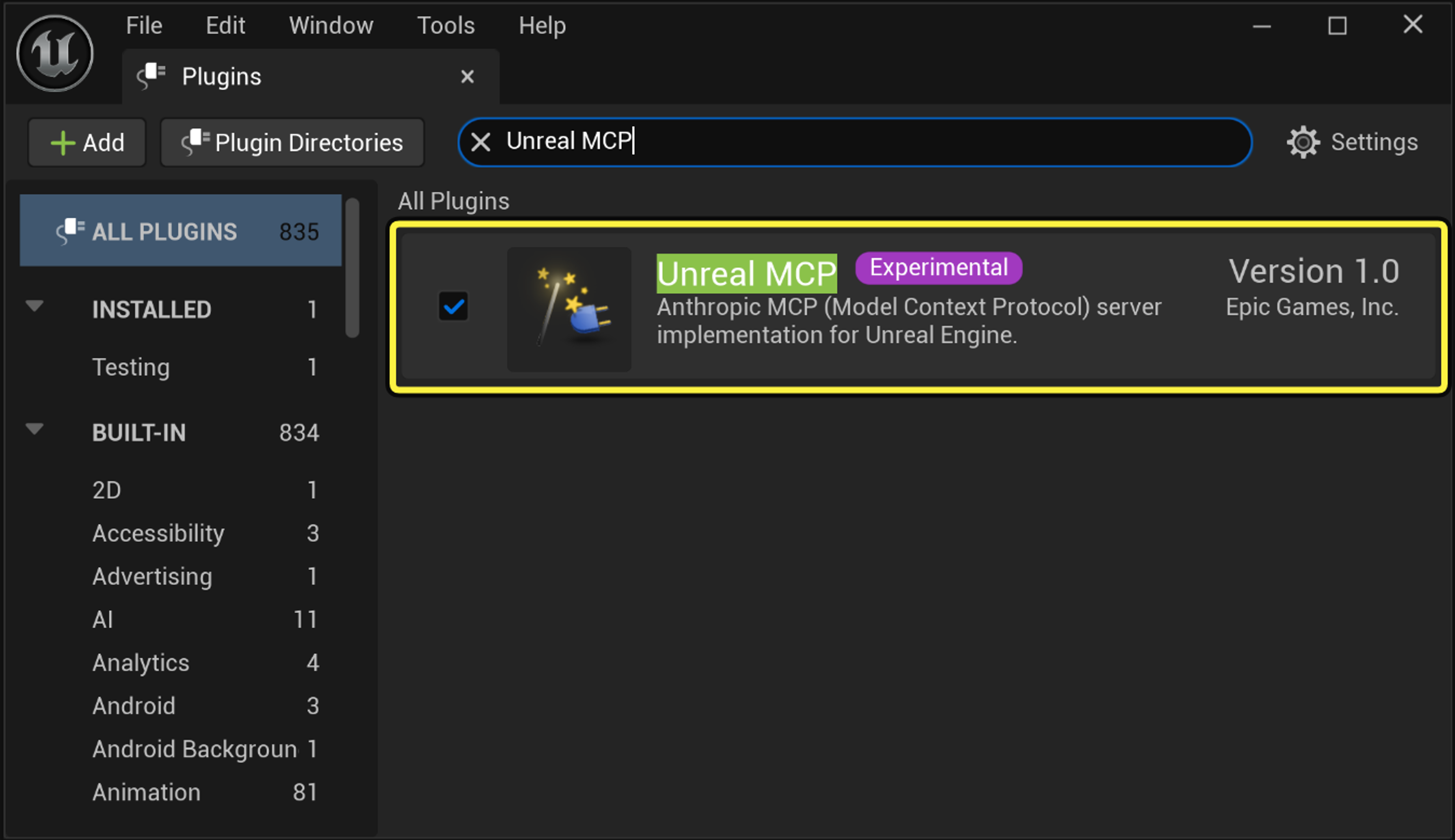
Python improvements include extra search paths and a Slate Qt Bridge for PySide6 widgets that match the Editor. Scripting can edit Blueprints, Chooser tables, StateTrees and Dataflow graphs. A Knowledge Base can expose live engine state or local Markdown, while semantic search locates content. The Assistant gains attention notifications and graduated tool access, from Ask and Read to Edit, Auto and Full. That last option is a very good reason to keep source control close and the coffee away from the approval button.
Rendering: Lumen learns to cache on the fly
The experimental Lumen World Cache builds lighting data through path tracing at runtime rather than relying solely on precomputed mesh cards. It is intended to work with tiny objects, large meshes, splines, skinned meshes and World Position Offset deformation, but requires hardware ray tracing and opt-in project settings. Adaptive Voxel-Based Order Independent Transparency tackles sorting errors in overlapping glass, smoke and particles, including Nanite and non-Nanite cases. Materials must output their own color correctly for the compositing approach.
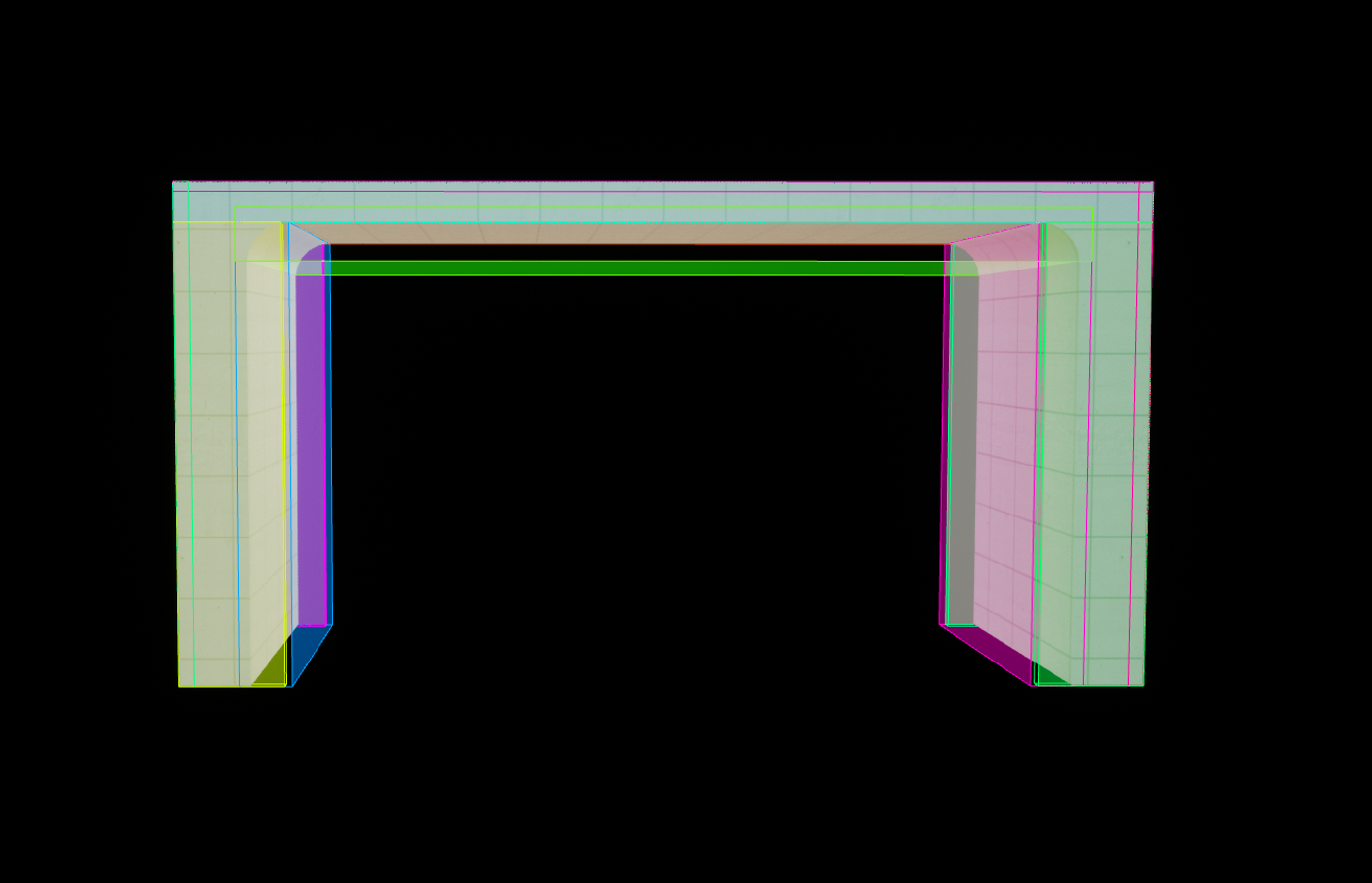
Nanite culling separates simple and complex geometry work and can test multiple detail levels in one operation. Ambient Lighting Volumes offer local color or darkness adjustments to sky illumination, though they remain experimental and are designed for a Movable Sky Light when Lumen is not the GI method. Improved shadow diagnostics help find wrong cascades or blocky results. Production people should note the distinction between an intriguing new renderer path and a validated, budgeted frame time.
Animation, worlds and the Web
IK Retargeter adds Proximity IK, Pelvis Volume and Limb Twist operations for contact preservation and proportion differences. UAF gains layering and notification changes, with an AnimGen plugin for AI-driven animation. Control Rig references, StateTree scripting, Pose Search and Chooser integration improve the procedural character pipeline. PCG gets a Concave Hull node; Mesh Partition receives simplification and raytracing-proxy options; and World Partition gains more Blueprint controls.
An experimental WebAssembly target with WebGPU rendering raises the prospect of Unreal content running in a browser. It has dedicated project settings and should be treated as an early platform effort, not universal one-click distribution. Also new: the Modular Test Framework, GraphDsl graph editing, Forge web-based editor tools and broader machine-learning integrations. There is plenty of engine underneath the AI fireworks.
A browser-sized Unreal world is an enticing prospect; a shipping build remains a separate boss fight. Studios should test the described features on representative production assets and target systems before deploying them in an active pipeline.
https://dev.epicgames.com/documentation/unreal-engine/unreal-engine-5-9-release-notes
| Product | Unreal Engine 5.9 Preview |
| Developer | Epic Games |
| Status | Preview; experimental features should not be used untested in production |
| New workspace | Experimental Unreal Canvas and agent workflows |
| Automation | Expanded Unreal MCP and Python toolsets |
| Rendering | Lumen World Cache and transparency improvements |
| Platform exploration | Experimental WebAssembly and WebGPU output |
| Documentation | Official Preview notes |
Topics
 Rendering888 postsThe scene is ready; now the pixels have work to do. Follow rendering engines, optimisation and production workflows that balance image quality, iteration speed and the available computing budget.
 Workflow764 postsKeep the handoffs from becoming cliffhangers. Explore pipelines, collaboration and production practices that connect people, applications and assets, making room for creative work between the deliveries and revisions.
 Unreal Engine517 postsWalk into the scene while it is still taking shape. Explore Unreal Engine realtime rendering, virtual-production and world-building workflows that bring immediate visual feedback into increasingly varied creative projects.
Article details
- Published
- Author
- Bela Beier
- Reading time
- About 4 min
- Word count
- 722